English


Charles Darwin Foundation
An international non-profit scientific organization founded in 1959 to provide scientific research and…
Reads at Grades 3–5 Listens at Grades 1–5
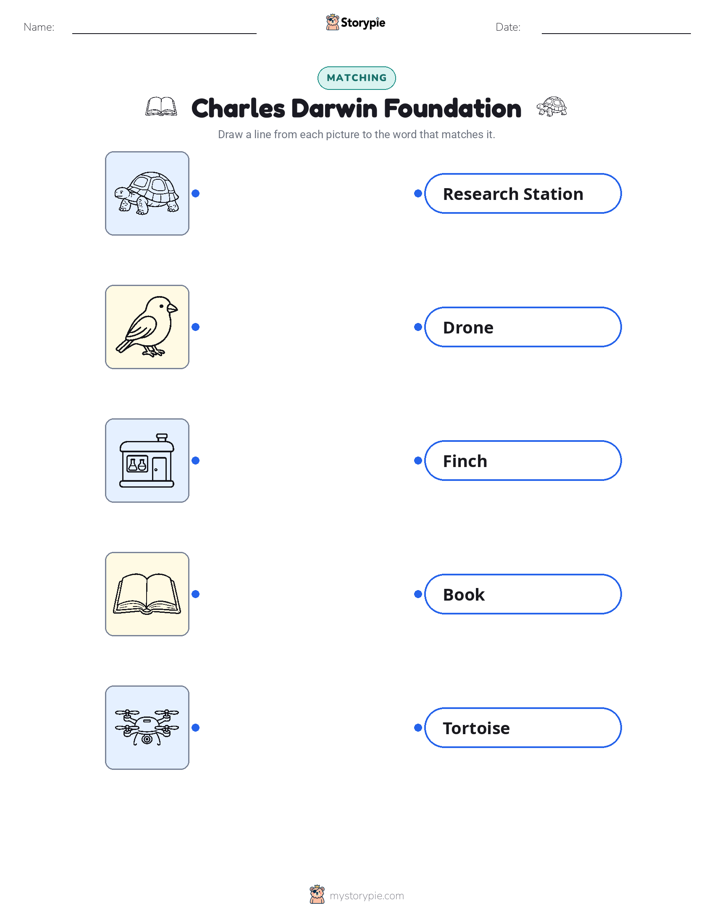
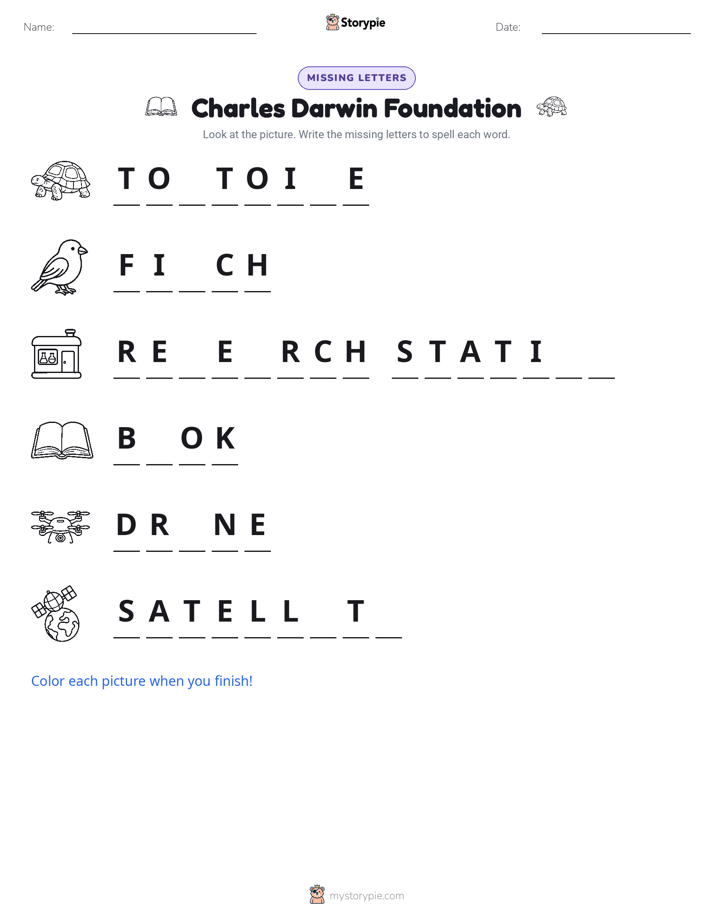
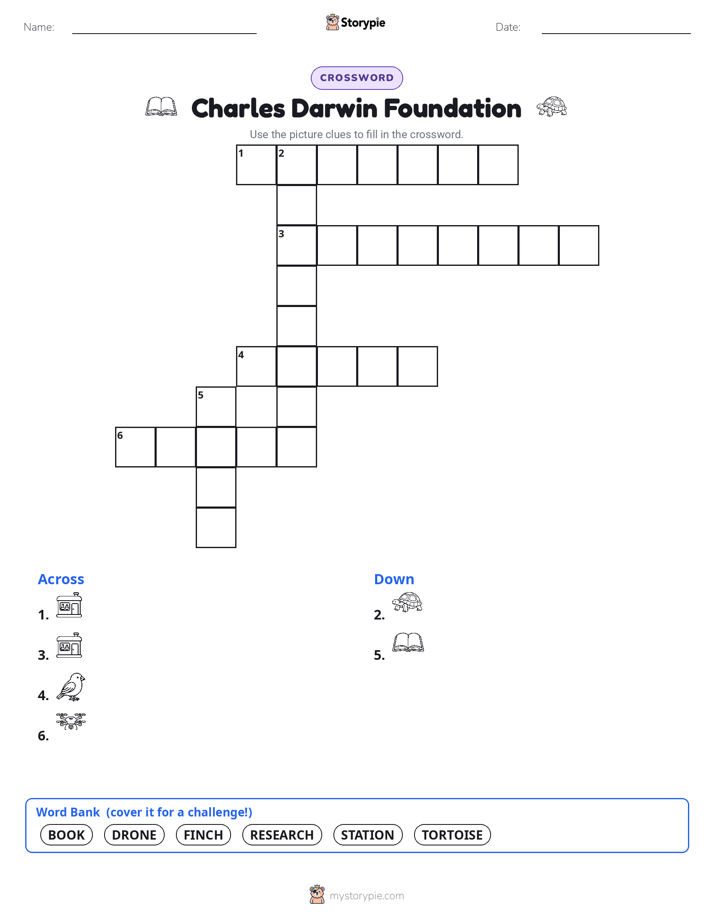
Print & create
Answer keys·No prep·Free with an account
28 worksheets · answer keys · full story · quiz · Ages 8-10 · CEFR B1
Plus adds 116,000+ more stories in 27 languages, audio for every one, and printables for all of them.
Just want Charles Darwin Foundation?
Hello there! We are the Charles Darwin Foundation for the Galápagos Islands, and many people call us by our initials, CDF. We are an international scientific organization with a very important job: to help protect the Galápagos Islands, one of the most special natural places on the entire planet. Our story began back in 1959. In the city of Brussels, Belgium, a group of scientists and conservationists came together. They were worried about the future of the unique animals and plants that can only be found on these islands. To make sure these species would be safe, they decided to create us. A few years later, in 1964, we established our main base of operations, the Charles Darwin Research Station. We built it on Santa Cruz Island, placing us right in the heart of the Galápagos, where we could get to work.
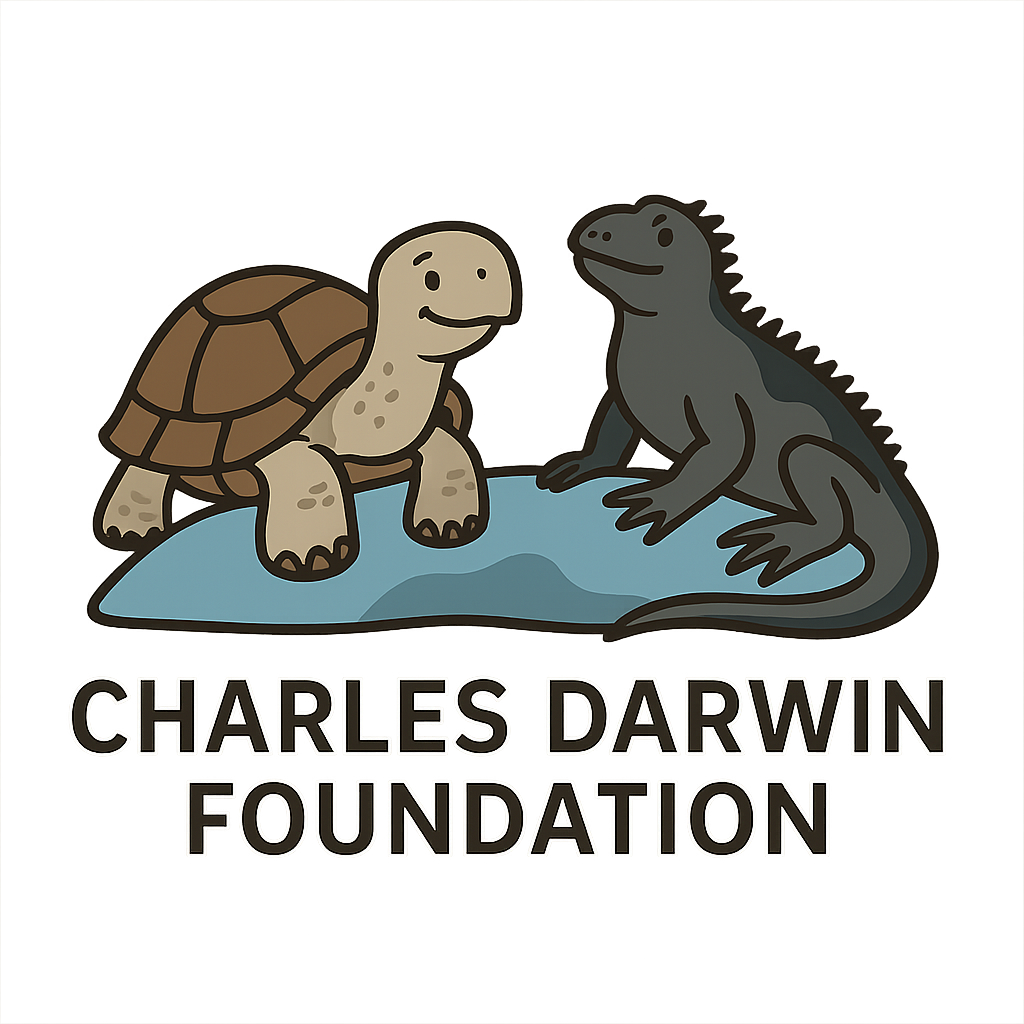
Our main mission has always been to conduct scientific research that can help the government of Ecuador conserve the islands' incredible biodiversity. Our scientists spend their days studying everything you can imagine, from the famous giant tortoises to the small, remarkable finches. These are the same kinds of birds that helped the scientist Charles Darwin develop his important ideas about evolution a long time ago. This research leads to direct action. For example, we created special breeding programs for several species of giant tortoises that were in danger of disappearing forever. Thanks to this work, their populations have been able to recover. We also explore the rich life under the waves, studying amazing creatures like sharks and marine iguanas. A big part of our work also involves tackling serious challenges. One of the biggest has been removing invasive species—animals like goats and rats that were brought to the islands by people and now harm the native wildlife that has no defense against them.
Our Story of Science in the Galápagos
Hello there! We are the Charles Darwin Foundation for the Galápagos Islands, and many people call us by our initials, CDF. We are an international scientific organization with a very important job: to help protect the Galápagos Islands, one of the most special natural places on the entire planet. Our story began back in 1959. In the city of Brussels, Belgium, a group of scientists and conservationists came together. They were worried about the future of the unique animals and plants that can only be found on these islands. To make sure these species would be safe, they decided to create us. A few years later, in 1964, we established our main base of operations, the Charles Darwin Research Station. We built it on Santa Cruz Island, placing us right in the heart of the Galápagos, where we could get to work.
Our main mission has always been to conduct scientific research that can help the government of Ecuador conserve the islands' incredible biodiversity. Our scientists spend their days studying everything you can imagine, from the famous giant tortoises to the small, remarkable finches. These are the same kinds of birds that helped the scientist Charles Darwin develop his important ideas about evolution a long time ago. This research leads to direct action. For example, we created special breeding programs for several species of giant tortoises that were in danger of disappearing forever. Thanks to this work, their populations have been able to recover. We also explore the rich life under the waves, studying amazing creatures like sharks and marine iguanas. A big part of our work also involves tackling serious challenges. One of the biggest has been removing invasive species—animals like goats and rats that were brought to the islands by people and now harm the native wildlife that has no defense against them.
We know that protecting such a special place is too big a job to do by ourselves. That is why we have a very important partnership with the Galápagos National Park Directorate. This is the official part of Ecuador's government that is in charge of managing and protecting the park. Our relationship is based on teamwork. We provide the Directorate with the scientific facts, data, and advice that comes from our research. They then use that expert information to make the best possible decisions to protect the islands and all the life they hold. Today, our work continues as new challenges arise. Our scientists are now studying modern threats like the effects of climate change and the problem of plastic pollution in the ocean. Our goal remains the same as it was at the beginning: to use science to make sure the amazing and unique nature of the Galápagos Islands survives for many more generations to discover and enjoy.
Wow facts
About
An international non-profit scientific organization founded in 1959 to provide scientific research and technical advice to the government of Ecuador to ensure the conservation of the Galápagos Islands.
Take a Quiz
Question 1 of 5
What is the primary mission of the Charles Darwin Foundation?
Explore next




Want to do even more?
Go beyond exploring. Unlock tools that turn every story into real learning.

Storypie Plus for families
Full stories, quizzes, and printables. Nights and car rides, sorted.
- Unlimited audio stories
- Create Mode: your child stars in the story
- Offline downloads
- Printable worksheets & coloring pages

Why Storypie for Schools
Students engaged. Prep in seconds. Evenings back to you.
- Worksheets & Quizzes
- Classroom Management
- Formative Assessment
- Custom Curriculum & Lesson Plans
- 27 Languages

Why Storypie for Homeschool
Curriculum done. They'll ask for more. Hours back in your day.
- Worksheet Generator
- First-Person Audio Stories
- Built-in Comprehension Quizzes
- Custom Curriculum & Lesson Plans
- Print & Go Activities