English

Ocean Conservancy
Ocean Conservancy is a U.S.-based nonprofit environmental advocacy group that helps formulate ocean policy at…
Reads at Grades 6–8 Listens at Grades 4–8
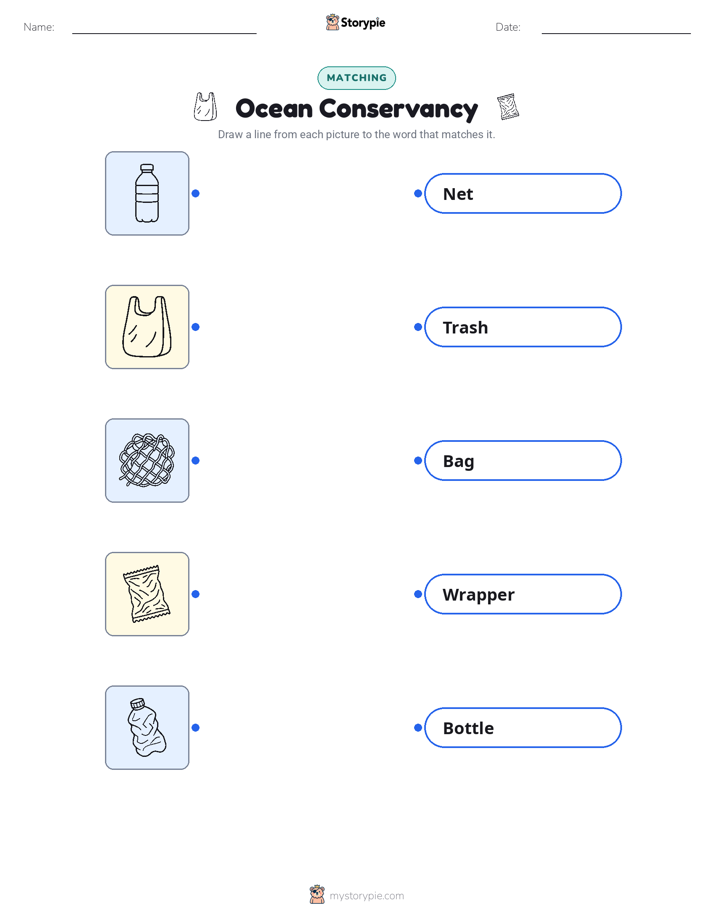
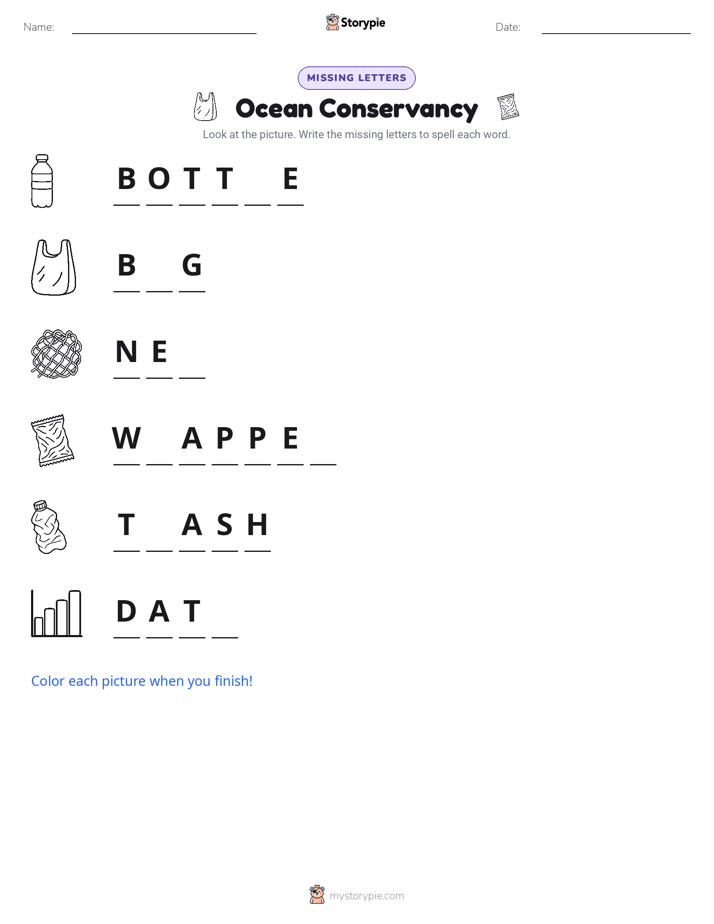
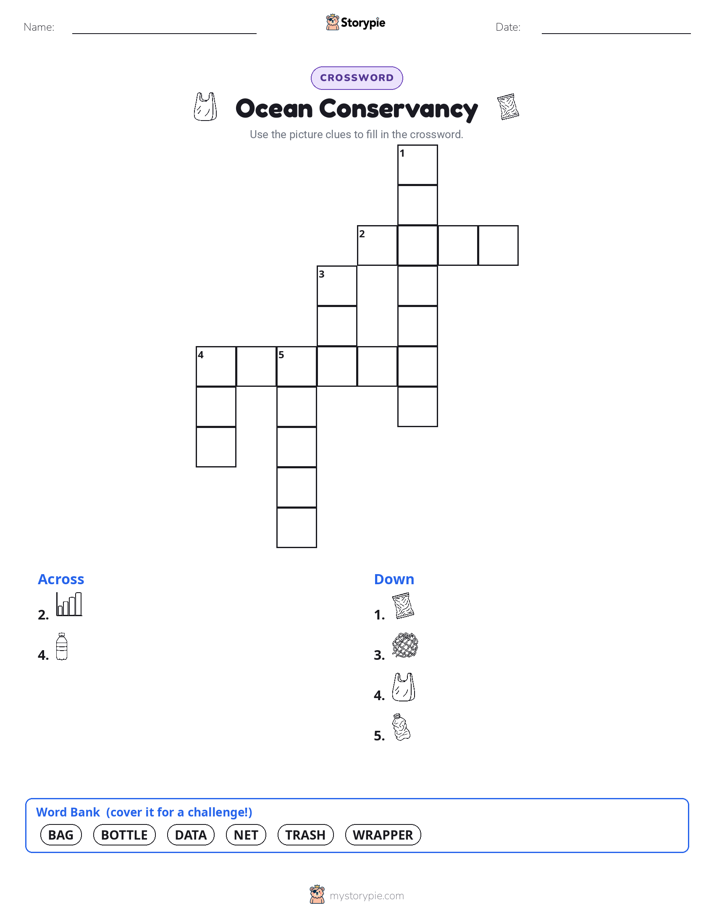
Print & create
Answer keys·No prep·Free with an account
28 worksheets · answer keys · full story · quiz · Ages 10-12 · CEFR B2
Plus adds 164,000+ more stories in 27 languages, audio for every one, and printables for all of them.
Just want Ocean Conservancy?
Hello, we are Ocean Conservancy. Our story began in 1972, when our organization was first founded. At that time, we were called the Delta Corporation, but our core mission was the same as it is today: to protect the world’s ocean and the incredible diversity of life that depends on it. Protecting something as vast as the ocean requires a name that clearly communicates our purpose. Over the years, as our work expanded and became more focused, our name changed to better reflect our identity and mission. In 2001, we adopted the name we have today: Ocean Conservancy. We are a nonprofit organization, which means our work is driven by our goals for a healthier planet, not by a need to make money. Our approach is rooted in science, using research and data to understand the challenges facing our marine ecosystems. We know that we cannot solve these problems alone. That is why we work together with people from all walks of life, including community groups, government agencies, and business leaders, to find practical and lasting solutions.
One of our most visible and impactful initiatives is the International Coastal Cleanup. We launched this global event in 1986, and it has grown into a worldwide movement. Each year, we help organize hundreds of thousands of dedicated volunteers who head to their local beaches, rivers, and waterways to remove harmful trash. This effort does more than just make our coastlines cleaner and safer for wildlife. It is also a massive citizen-science project. As volunteers pick up debris, they carefully record every single item they find, from plastic bottles and bags to fishing nets and food wrappers. This detailed information is collected and analyzed, creating a powerful global snapshot of the marine debris problem. The data helps scientists pinpoint the most common types of pollution and track them to their sources. With this evidence, we can work with leaders and policymakers to advocate for effective solutions. For example, if the data shows that a certain type of single-use plastic is a major polluter, we can push for policies that reduce its production and use, stopping the problem before it starts.
Our Story: Ocean Conservancy
Hello, we are Ocean Conservancy. Our story began in 1972, when our organization was first founded. At that time, we were called the Delta Corporation, but our core mission was the same as it is today: to protect the world’s ocean and the incredible diversity of life that depends on it. Protecting something as vast as the ocean requires a name that clearly communicates our purpose. Over the years, as our work expanded and became more focused, our name changed to better reflect our identity and mission. In 2001, we adopted the name we have today: Ocean Conservancy. We are a nonprofit organization, which means our work is driven by our goals for a healthier planet, not by a need to make money. Our approach is rooted in science, using research and data to understand the challenges facing our marine ecosystems. We know that we cannot solve these problems alone. That is why we work together with people from all walks of life, including community groups, government agencies, and business leaders, to find practical and lasting solutions.
One of our most visible and impactful initiatives is the International Coastal Cleanup. We launched this global event in 1986, and it has grown into a worldwide movement. Each year, we help organize hundreds of thousands of dedicated volunteers who head to their local beaches, rivers, and waterways to remove harmful trash. This effort does more than just make our coastlines cleaner and safer for wildlife. It is also a massive citizen-science project. As volunteers pick up debris, they carefully record every single item they find, from plastic bottles and bags to fishing nets and food wrappers. This detailed information is collected and analyzed, creating a powerful global snapshot of the marine debris problem. The data helps scientists pinpoint the most common types of pollution and track them to their sources. With this evidence, we can work with leaders and policymakers to advocate for effective solutions. For example, if the data shows that a certain type of single-use plastic is a major polluter, we can push for policies that reduce its production and use, stopping the problem before it starts.
Beyond addressing the urgent issue of pollution, we are also deeply committed to protecting the essential ocean habitats that marine life needs to survive and thrive. A key part of this work involves helping to establish marine protected areas. You can think of these areas as being like national parks, but in the ocean. They are special, designated zones where marine ecosystems and wildlife are given strong protections from harmful activities. Creating these safe havens is a complex process that involves scientific research, community input, and government cooperation. We are proud to have played a role in the creation of some of these vital sanctuaries. For instance, we contributed to the effort to establish the Florida Keys National Marine Sanctuary in the United States. This sanctuary safeguards one of the world’s most famous and fragile coral reef systems. By protecting this underwater world, we help ensure the survival of the thousands of unique species that rely on the reefs for food, shelter, and breeding grounds.
Our work today continues to evolve to meet the most pressing threats facing our ocean. Our Trash Free Seas® program builds on the lessons learned from our coastal cleanups, focusing on strategies to prevent plastic from ever reaching the water. This involves working with businesses to redesign products and collaborating with communities on better waste management systems. We also focus on creating sustainable fisheries. Overfishing, which is when fish are caught faster than they can reproduce, can damage entire ocean ecosystems. We work with fishers and governments to promote science-based fishing practices that ensure healthy fish populations for generations to come. The Arctic is another critical area of focus. As climate change causes sea ice to melt, this fragile ecosystem is facing unprecedented challenges. We work to protect Arctic wildlife and promote responsible management as human activity in the region increases. Finally, we are working to find solutions to combat ocean acidification, a serious problem caused by the ocean absorbing excess carbon dioxide from the atmosphere. In all these efforts, our strategy remains the same: we use the best available science to guide our actions and bring people together, because we believe that a healthy ocean is essential for the well-being of the wildlife and the communities that depend on it.
Wow facts
About
Ocean Conservancy is a U.S.-based nonprofit environmental advocacy group that helps formulate ocean policy at the federal and state government levels. It focuses on issues like ocean plastics, climate change, and sustainable fisheries.
Take a Quiz
Question 1 of 5
What is the main reason volunteers for the International Coastal Cleanup record every item of trash they find?
Explore next





Want to do even more?
Go beyond exploring. Unlock tools that turn every story into real learning.

Storypie Plus for families
Full stories, quizzes, and printables. Nights and car rides, sorted.
- Unlimited audio stories
- Create Mode: your child stars in the story
- Offline downloads
- Printable worksheets & coloring pages

Why Storypie for Schools
Students engaged. Prep in seconds. Evenings back to you.
- Worksheets & Quizzes
- Classroom Management
- Formative Assessment
- Custom Curriculum & Lesson Plans
- 27 Languages

Why Storypie for Homeschool
Curriculum done. They'll ask for more. Hours back in your day.
- Worksheet Generator
- First-Person Audio Stories
- Built-in Comprehension Quizzes
- Custom Curriculum & Lesson Plans
- Print & Go Activities