English

United Farm Workers
A labor union for farmworkers in the United States, founded by César Chávez, Dolores Huerta…
Reads at Grades 6–8 Listens at Grades 4–8
Print & create
Answer keys·No prep·Free with an account
28 worksheets · answer keys · full story · quiz · Ages 10-12 · CEFR B2
Plus adds 164,000+ more stories in 27 languages, audio for every one, and printables for all of them.
Just want United Farm Workers?
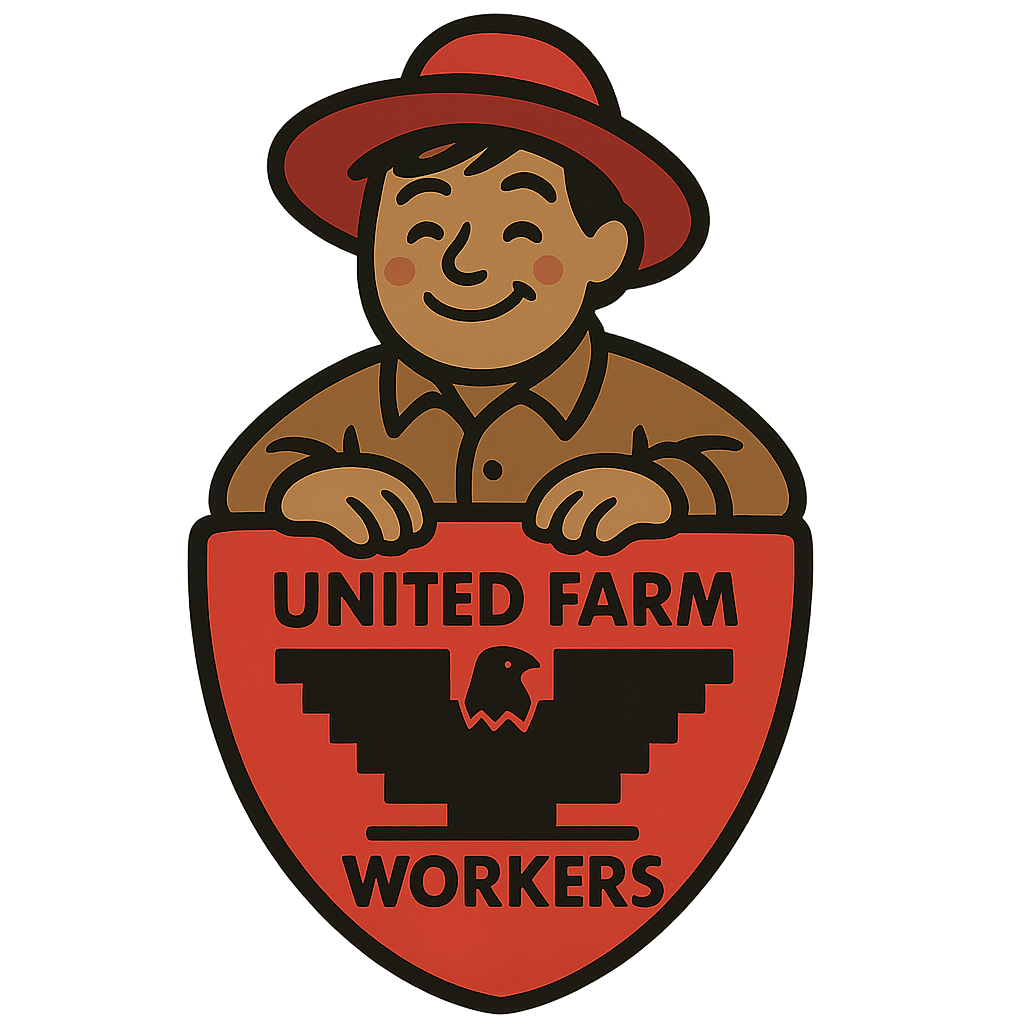
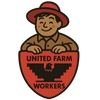
We are the United Farm Workers, a labor union often known by our acronym, the UFW. Our purpose has always been clear: to fight for better pay, safer working conditions, and basic respect for the men, women, and children who work in the fields to grow food for the United States. The fruits and vegetables that reach tables across the country are the result of their hard labor, and we believe that this essential work should be valued and protected.
Our story began in the 1960s, a time when many farmworkers faced tremendous challenges. Their wages were often very low, making it difficult to provide for their families, and the working conditions in the fields could be incredibly harsh. To create real and lasting change, workers needed a single, powerful voice to speak on their behalf. That voice was formed in 1966 in the agricultural town of Delano, California. Two separate organizations realized they would be stronger together and decided to merge. One was the National Farm Workers Association (NFWA), led by Cesar Chavez and Dolores Huerta. The other was the Agricultural Workers Organizing Committee (AWOC), a group composed mostly of Filipino workers led by Larry Itliong. By joining forces, we created a unified movement ready to stand up for farmworkers' rights.
Our first major action was the Delano Grape Strike, which began in 1965. To get the powerful grape growers to listen to our demands for fairness, we committed to using nonviolent tactics. Instead of violence, we organized peaceful marches and held protests to draw public attention to our cause. One of our most effective strategies was organizing a nationwide boycott. We asked millions of Americans all over the country to support us by refusing to buy California table grapes. This peaceful pressure had a huge impact, as it hurt the growers' sales and brought national attention to the farmworkers' struggle. It also showed that regular people, simply by making a choice at the grocery store, could help create significant change.
The United Farm Workers: A Fight for Fairness
We are the United Farm Workers, a labor union often known by our acronym, the UFW. Our purpose has always been clear: to fight for better pay, safer working conditions, and basic respect for the men, women, and children who work in the fields to grow food for the United States. The fruits and vegetables that reach tables across the country are the result of their hard labor, and we believe that this essential work should be valued and protected.
Our story began in the 1960s, a time when many farmworkers faced tremendous challenges. Their wages were often very low, making it difficult to provide for their families, and the working conditions in the fields could be incredibly harsh. To create real and lasting change, workers needed a single, powerful voice to speak on their behalf. That voice was formed in 1966 in the agricultural town of Delano, California. Two separate organizations realized they would be stronger together and decided to merge. One was the National Farm Workers Association (NFWA), led by Cesar Chavez and Dolores Huerta. The other was the Agricultural Workers Organizing Committee (AWOC), a group composed mostly of Filipino workers led by Larry Itliong. By joining forces, we created a unified movement ready to stand up for farmworkers' rights.
Our first major action was the Delano Grape Strike, which began in 1965. To get the powerful grape growers to listen to our demands for fairness, we committed to using nonviolent tactics. Instead of violence, we organized peaceful marches and held protests to draw public attention to our cause. One of our most effective strategies was organizing a nationwide boycott. We asked millions of Americans all over the country to support us by refusing to buy California table grapes. This peaceful pressure had a huge impact, as it hurt the growers' sales and brought national attention to the farmworkers' struggle. It also showed that regular people, simply by making a choice at the grocery store, could help create significant change.
The strike and boycott required incredible dedication, lasting for five years. Finally, in 1970, our nonviolent pressure led to a historic victory. Many of the large grape growers signed their first union contracts with us. These contracts guaranteed better wages and improved conditions, marking a major turning point for agricultural labor. Building on this success, we helped pass the California Agricultural Labor Relations Act in 1975. This was an extremely important law for our movement, as it gave farmworkers in California the legal right to join a union and to negotiate collectively with their employers for better terms.
Today, we continue to fight for justice in the fields. Our work involves securing fair contracts that ensure workers are paid what they deserve. We also focus on protecting workers from modern dangers, such as the growing threat of extreme heat and the health risks associated with harmful pesticides. A key part of our mission is to advocate for laws that support immigrant farmworkers and their families, who are a vital part of the nation's agricultural system. The work is not over, and we carry on the legacy of our founders by continuing to be a voice for those who feed America.
Wow facts
About
A labor union for farmworkers in the United States, founded by César Chávez, Dolores Huerta, and Gilbert Padilla, that uses nonviolent methods to improve wages and working conditions.
Take a Quiz
Question 1 of 5
According to the story, what was the main reason the United Farm Workers was formed?
Explore next




Want to do even more?
Go beyond exploring. Unlock tools that turn every story into real learning.

Storypie Plus for families
Full stories, quizzes, and printables. Nights and car rides, sorted.
- Unlimited audio stories
- Create Mode: your child stars in the story
- Offline downloads
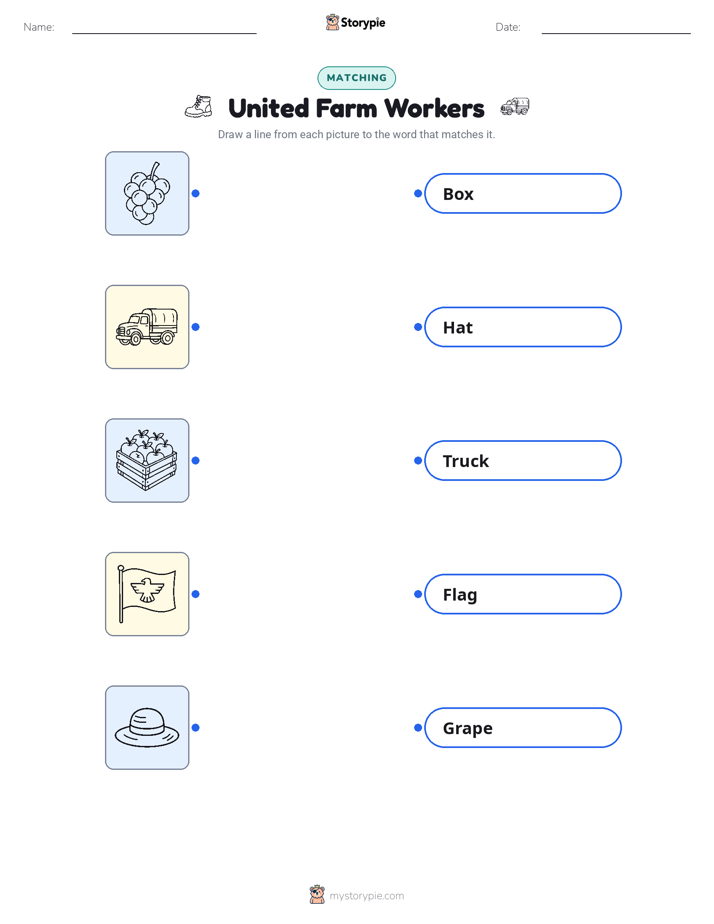
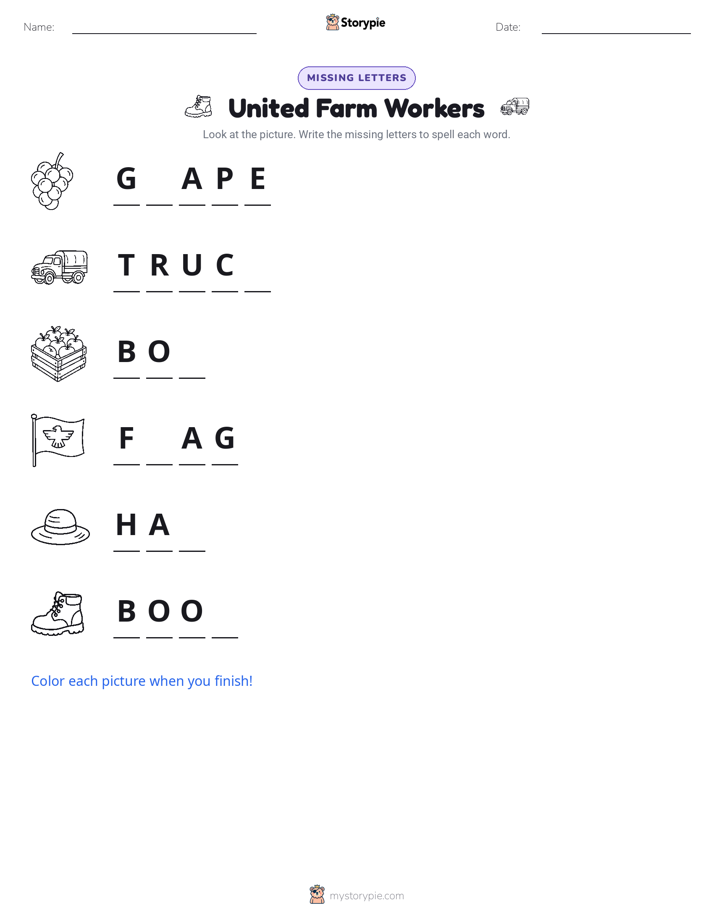
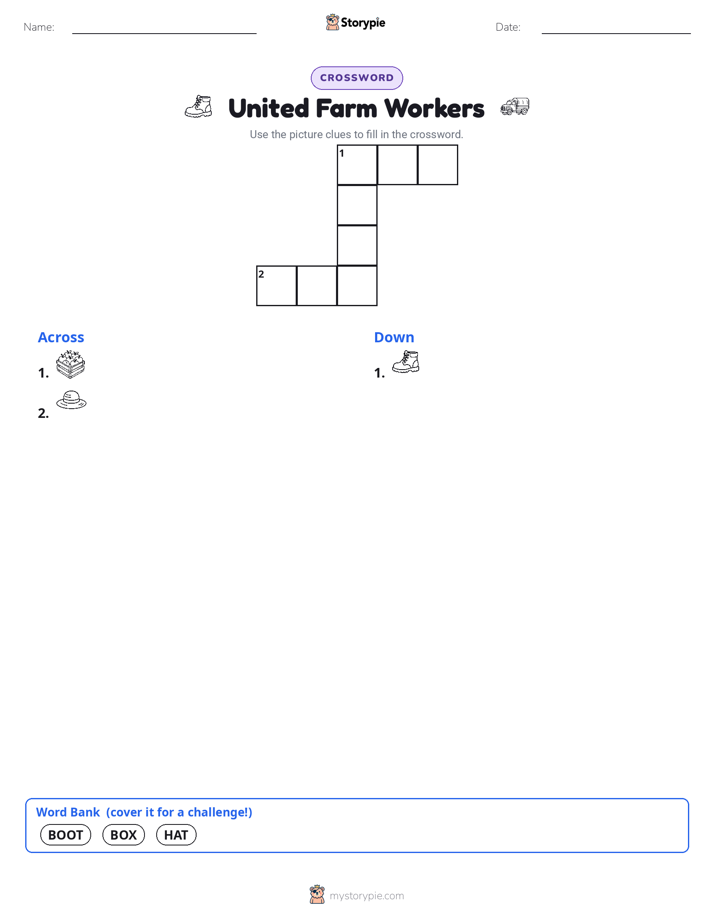
- Printable worksheets & coloring pages

Why Storypie for Schools
Students engaged. Prep in seconds. Evenings back to you.
- Worksheets & Quizzes
- Classroom Management
- Formative Assessment
- Custom Curriculum & Lesson Plans
- 27 Languages

Why Storypie for Homeschool
Curriculum done. They'll ask for more. Hours back in your day.
- Worksheet Generator
- First-Person Audio Stories
- Built-in Comprehension Quizzes
- Custom Curriculum & Lesson Plans
- Print & Go Activities