English

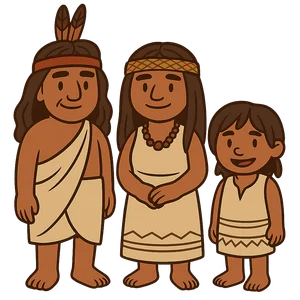
Ahwahneechee People
The Ahwahneechee were a mixed tribe of Northern Paiute, Southern Sierra Miwok…
Reads at Grades 3–5 Listens at Grades 1–5
Print & create
Answer keys·No prep·Free with an account
28 worksheets · answer keys · full story · quiz · Ages 8-10 · CEFR B1
Plus adds 116,000+ more stories in 27 languages, audio for every one, and printables for all of them.
Just want Ahwahneechee People?
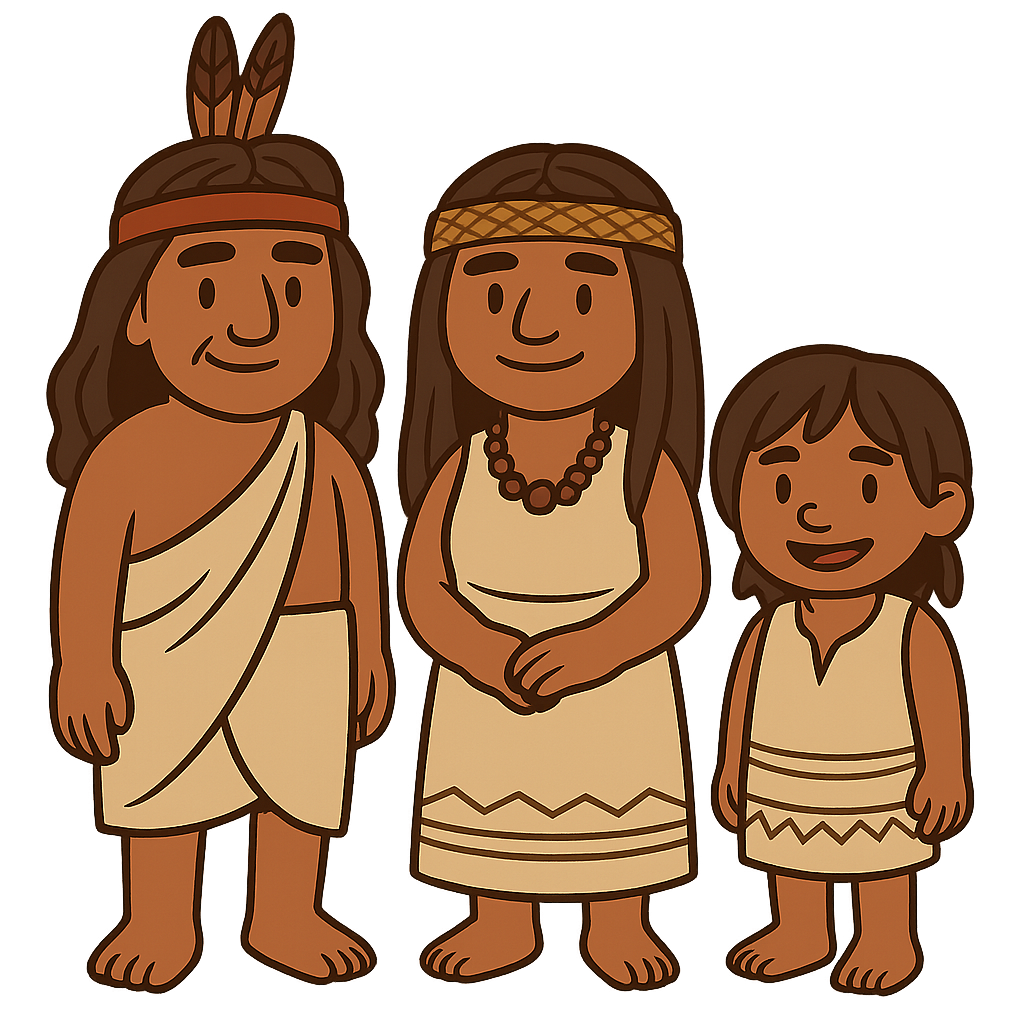
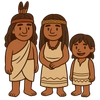
Hello. We are the Ahwahneechee people, and we want to share the story of our home. For thousands of years, we have lived in a deep, beautiful valley surrounded by towering granite cliffs and waterfalls. We call our home Ahwahnee. You may know it by another name: Yosemite. For us, Ahwahnee is more than just a place of stunning beauty; it is the land of our ancestors. Every mountain, river, and meadow holds our stories and our history. Our connection to this land is ancient and unbreakable, stretching back through countless generations of our families who lived, thrived, and cared for this special valley.
We are a band of a larger group of people, the Southern Sierra Miwok. Our identity is tied to this specific place, Ahwahnee, but we also share a history and culture with other Miwok people who live throughout the mountains and foothills of what is now called California. Being Ahwahneechee means we are the people of Ahwahnee Valley, the ones who have always belonged here. Our elders taught us that we were created here, and our duty has always been to live in balance with the land and all the living things that share it with us.
Our lives were guided by the rhythm of the seasons. We knew when to gather plants, when the deer would move through the forests, and when it was time to prepare for the cold of winter. Each season brought different gifts and different work. In the spring, we welcomed the new growth of plants we used for food and medicine. In the summer, the valley was warm and full of life. But our most important time of year was the autumn, when the great black oak trees would begin to drop their acorns. These acorns were our most important food, a gift from the land that sustained us through the year.
We Are the People of Ahwahnee
Hello. We are the Ahwahneechee people, and we want to share the story of our home. For thousands of years, we have lived in a deep, beautiful valley surrounded by towering granite cliffs and waterfalls. We call our home Ahwahnee. You may know it by another name: Yosemite. For us, Ahwahnee is more than just a place of stunning beauty; it is the land of our ancestors. Every mountain, river, and meadow holds our stories and our history. Our connection to this land is ancient and unbreakable, stretching back through countless generations of our families who lived, thrived, and cared for this special valley.
We are a band of a larger group of people, the Southern Sierra Miwok. Our identity is tied to this specific place, Ahwahnee, but we also share a history and culture with other Miwok people who live throughout the mountains and foothills of what is now called California. Being Ahwahneechee means we are the people of Ahwahnee Valley, the ones who have always belonged here. Our elders taught us that we were created here, and our duty has always been to live in balance with the land and all the living things that share it with us.
Our lives were guided by the rhythm of the seasons. We knew when to gather plants, when the deer would move through the forests, and when it was time to prepare for the cold of winter. Each season brought different gifts and different work. In the spring, we welcomed the new growth of plants we used for food and medicine. In the summer, the valley was warm and full of life. But our most important time of year was the autumn, when the great black oak trees would begin to drop their acorns. These acorns were our most important food, a gift from the land that sustained us through the year.
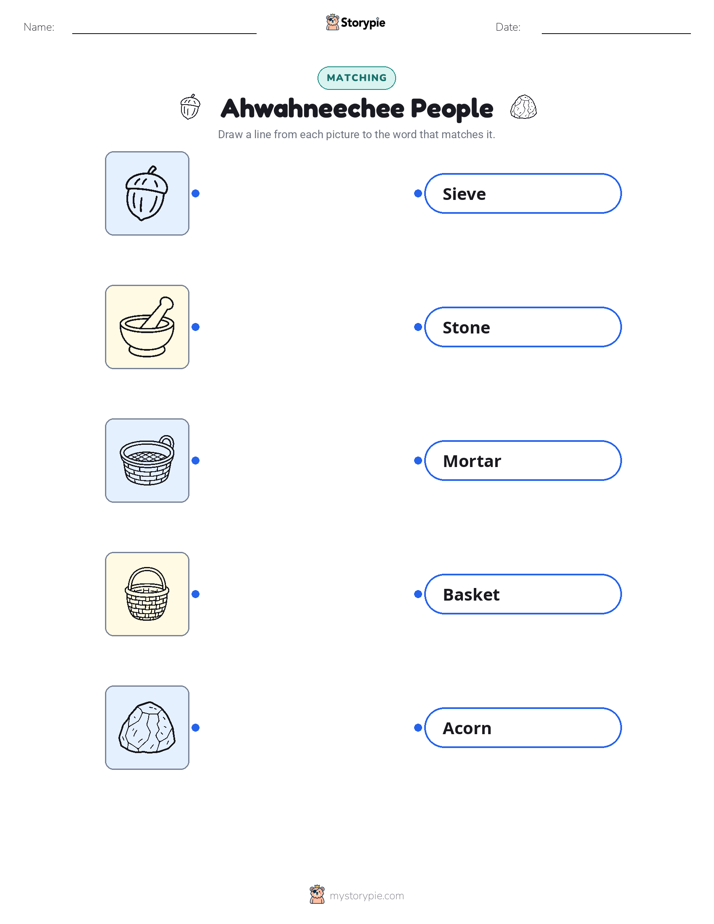
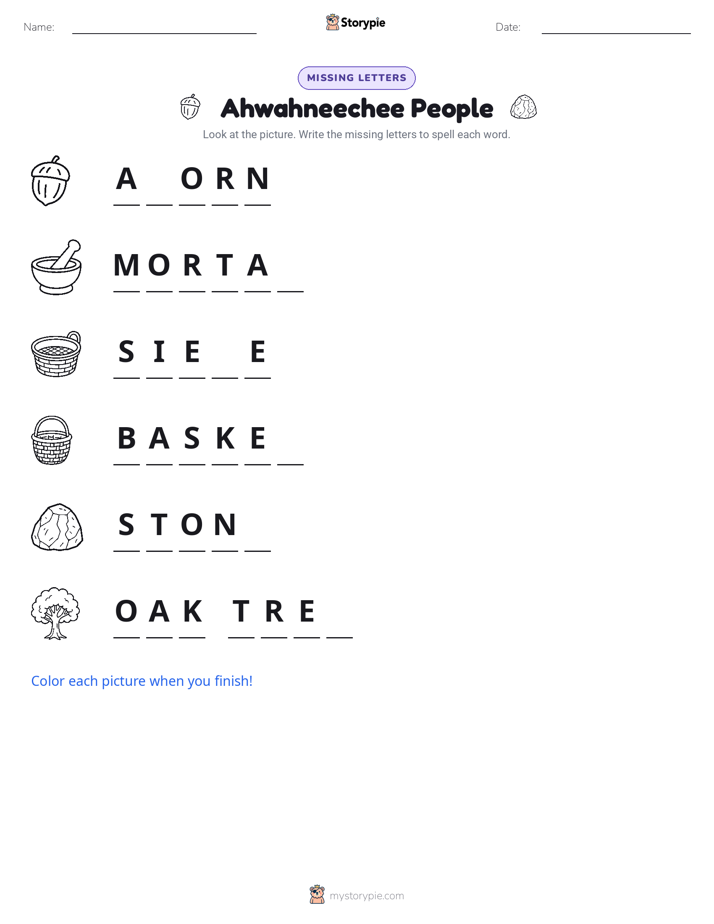
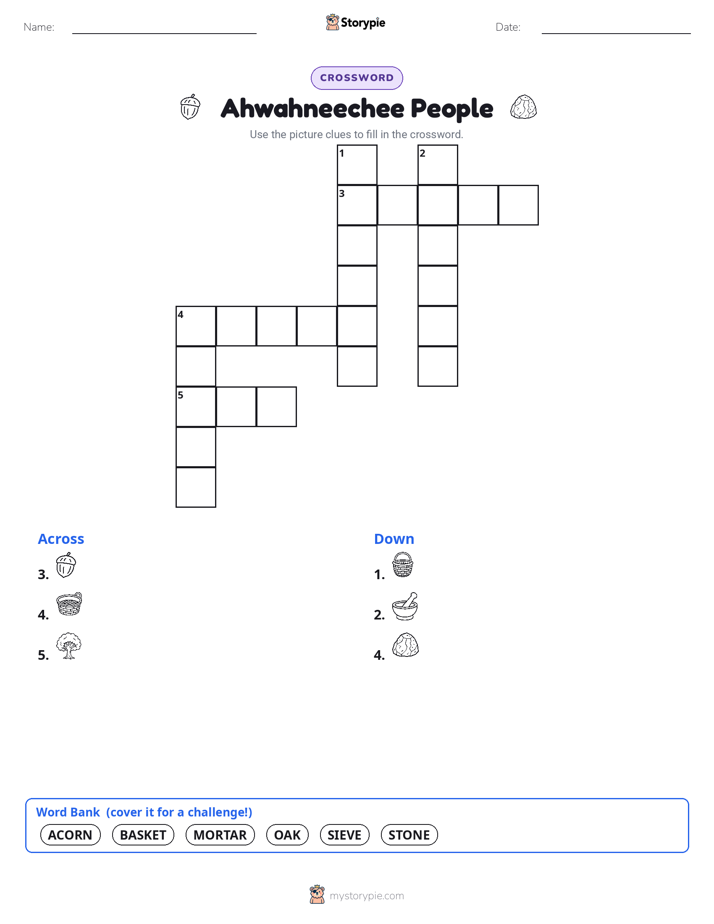
Gathering and preparing acorns was a central part of our life. Entire families would work together to collect the fallen nuts in special baskets. Preparing them took great skill. The acorns had to be shelled, ground into a fine flour, and then washed carefully to remove their bitter taste. From this flour, we made a thick, nutritious mush that was a staple of our diet. Besides acorns, we were skilled hunters, and the deer that roamed the forests and meadows provided us with meat for food and hides for clothing and shelter. We took only what we needed, always showing respect for the plants and animals that gave us life.
To protect ourselves from the wind, rain, and snow, we built strong, warm homes called umachas. These homes were cleverly designed, built in a cone shape with a frame of sturdy poles. We then covered the frame with thick, overlapping slabs of cedar bark. Inside, a fire in the center kept our families warm, with a hole at the top to let the smoke escape. Our villages were communities of families living and working together, sharing the responsibilities of daily life and passing our knowledge down to our children. Our umachas were not just houses; they were the heart of our family life, where we told stories, shared meals, and kept our traditions alive.
A time of great and difficult change began for us in the mid-1800s. Strangers started arriving in our lands, looking for gold. These gold miners did not understand our way of life or our connection to Ahwahnee. Soon after, soldiers came into our valley. In 1851, a group called the Mariposa Battalion entered our home. Our leader at that time was Chief Tenaya, who bravely stood for our people’s right to live in our ancestral home. The arrival of these outsiders led to terrible conflict.
This conflict ended in heartbreak for our people. We were forcibly removed from Ahwahnee, our home for thousands of years. Soldiers marched us out of the valley we loved, away from the graves of our ancestors and the lands that had always sustained us. It was a time of immense sadness and loss. Some of our people eventually found their way back to Ahwahnee, but our lives would never be the same. The world we had known was changing in ways we could never have imagined.
Later, another change made it even harder to continue our traditional way of life. Our home, Ahwahnee, was turned into Yosemite National Park. The new rules of the park were not made with us in mind. Suddenly, we were no longer allowed to practice the traditions that had defined us for generations. We could not freely gather acorns from the oak groves or hunt deer in the meadows. The very activities that connected us to the land and provided for our families became impossible to continue in our own homeland. Our sacred relationship with the valley was deeply wounded.
But our story does not end with loss. We are still here. We survived these difficult times, and our spirit as a people remains strong. Today, our people, as part of the Southern Sierra Miwok, continue to live in California, many of us in the lands surrounding our beloved Ahwahnee. We have not forgotten who we are or where we come from. The memory of our ancestors and our love for our homeland guide us as we navigate the modern world.
We work hard to keep our culture alive for our children and for all future generations. We do this by sharing our history, telling the stories of our people and our connection to Yosemite. We pass down our traditions, from basket weaving to our language and songs. We also work to help care for the land of our ancestors, using the traditional knowledge that our elders preserved. Our culture is a living, breathing part of California today, and our ancestral home, Ahwahnee, will forever be in our hearts.
Wow facts
About
The Ahwahneechee were a mixed tribe of Northern Paiute, Southern Sierra Miwok, and other Native American peoples indigenous to Yosemite Valley, California. They have inhabited the region for thousands of years.
Take a Quiz
Question 1 of 5
In the story, what is an 'umacha'?
Explore next

Want to do even more?
Go beyond exploring. Unlock tools that turn every story into real learning.

Storypie Plus for families
Full stories, quizzes, and printables. Nights and car rides, sorted.
- Unlimited audio stories
- Create Mode: your child stars in the story
- Offline downloads
- Printable worksheets & coloring pages

Why Storypie for Schools
Students engaged. Prep in seconds. Evenings back to you.
- Worksheets & Quizzes
- Classroom Management
- Formative Assessment
- Custom Curriculum & Lesson Plans
- 27 Languages

Why Storypie for Homeschool
Curriculum done. They'll ask for more. Hours back in your day.
- Worksheet Generator
- First-Person Audio Stories
- Built-in Comprehension Quizzes
- Custom Curriculum & Lesson Plans
- Print & Go Activities