English

Akan People
The Akan are a major meta-ethnic group in West Africa, primarily residing in Ghana and Côte d'Ivoire…
Reads at Grades 6–8 Listens at Grades 4–8
Print & create
Answer keys·No prep·Free with an account
28 worksheets · answer keys · full story · quiz · Ages 10-12 · CEFR B2
Plus adds 116,000+ more stories in 27 languages, audio for every one, and printables for all of them.
Just want Akan People?
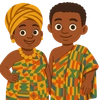
We are the Akan people, a large and diverse family of communities whose homelands are in the West African nations of Ghana and Ivory Coast. Our family is made up of many distinct groups, such as the Asante and the Fante, but we are all connected by shared languages and traditions that stretch back through time. Our story is one of movement and creation. Centuries ago, our ancestors began a great migration, traveling from the drier Sahel region southward. They journeyed until they reached the lush, green forests of this land, a place rich with resources and life. It was here, among the towering trees and flowing rivers, that we built our homes, established our communities, and grew into the societies that have shaped the history of this region.
At the heart of our societies is a unique way of understanding family. We organize our families through a matrilineal system, which means that our heritage, our identity, and our inheritance are all traced through our mothers. A person’s clan, which we call the abusua, is determined by their mother’s lineage, connecting them to a vast network of relatives. This system is the foundation of our communities, and it places great importance on women. They are seen as the core of the family, the ones through whom our traditions and bloodlines are passed from one generation to the next. This respect for our mothers and grandmothers shapes our relationships and strengthens the bonds within our communities, ensuring that everyone knows where they belong.
The Golden Stool: A Story of the Akan People
We are the Akan people, a large and diverse family of communities whose homelands are in the West African nations of Ghana and Ivory Coast. Our family is made up of many distinct groups, such as the Asante and the Fante, but we are all connected by shared languages and traditions that stretch back through time. Our story is one of movement and creation. Centuries ago, our ancestors began a great migration, traveling from the drier Sahel region southward. They journeyed until they reached the lush, green forests of this land, a place rich with resources and life. It was here, among the towering trees and flowing rivers, that we built our homes, established our communities, and grew into the societies that have shaped the history of this region.
At the heart of our societies is a unique way of understanding family. We organize our families through a matrilineal system, which means that our heritage, our identity, and our inheritance are all traced through our mothers. A person’s clan, which we call the `abusua`, is determined by their mother’s lineage, connecting them to a vast network of relatives. This system is the foundation of our communities, and it places great importance on women. They are seen as the core of the family, the ones through whom our traditions and bloodlines are passed from one generation to the next. This respect for our mothers and grandmothers shapes our relationships and strengthens the bonds within our communities, ensuring that everyone knows where they belong.
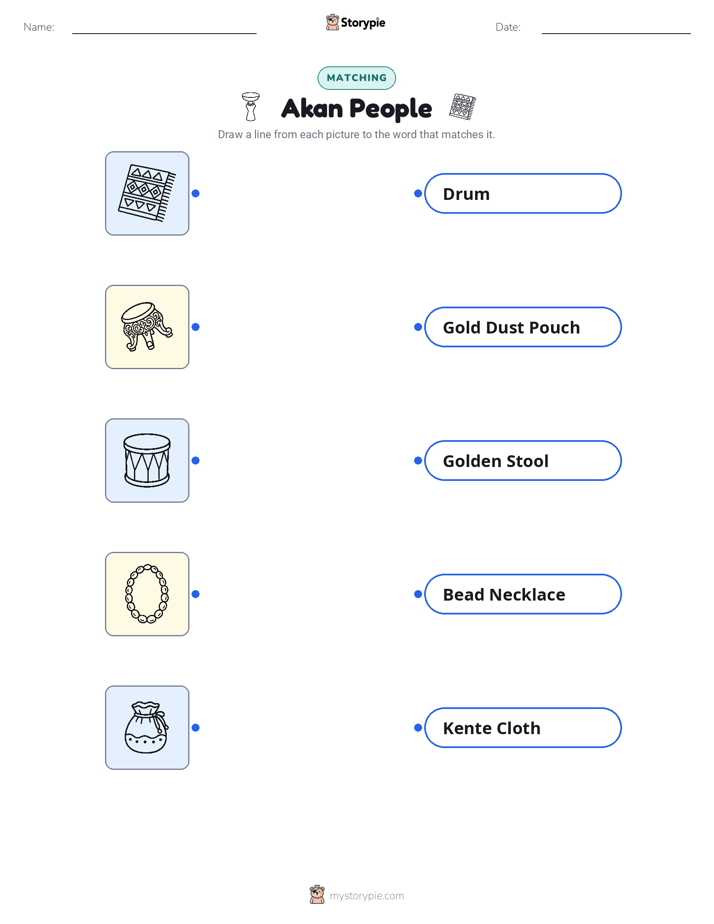
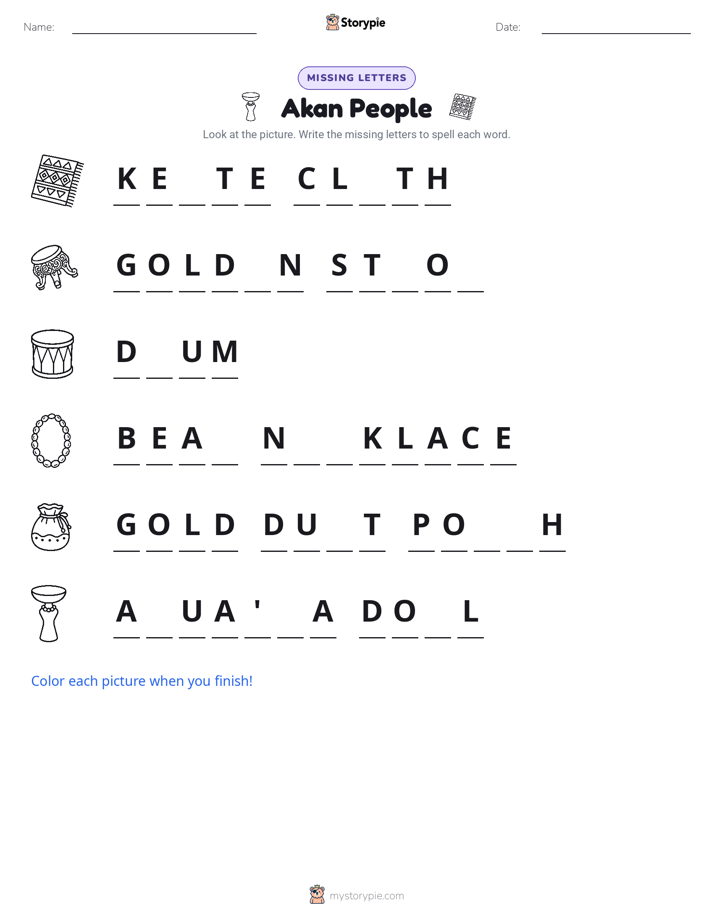
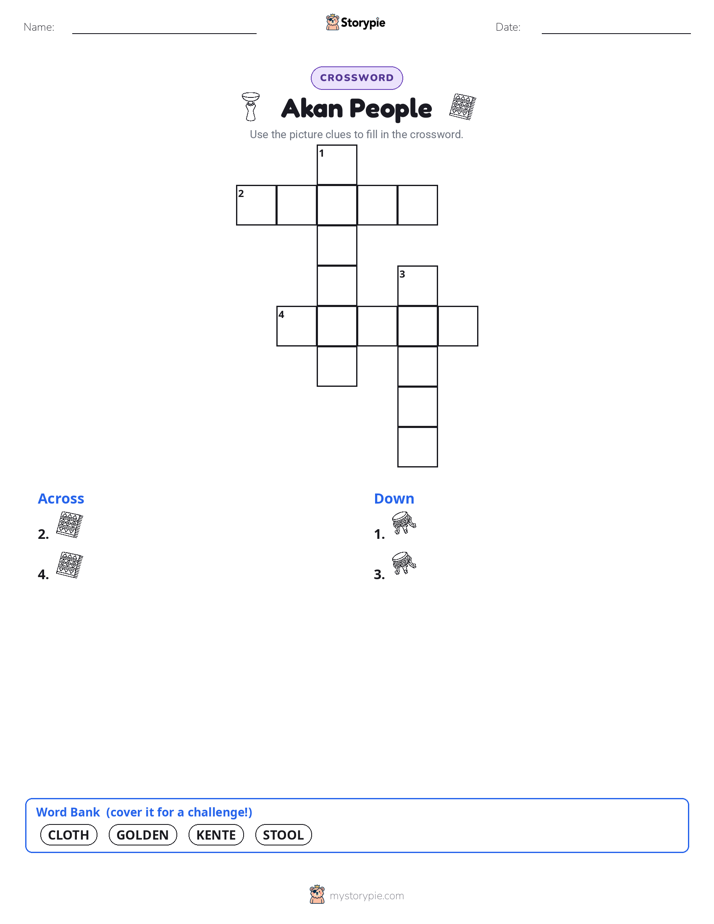
From these strong communities rose one of the most famous and powerful kingdoms in African history: the Ashanti Empire. Around the year 1701, a great king named Osei Tutu I united many of our groups to form a single, powerful state. The empire grew strong and wealthy, largely because our lands were rich in gold. We became masterful traders, and this precious metal brought us great influence and prosperity. Central to the unity and spirit of the Ashanti Empire is the sacred Golden Stool. Our legends tell us that this stool descended from the heavens and holds the very soul of our nation. It is not a throne for any king to sit upon; instead, it is a powerful symbol that unites all our people under a shared identity and history, reminding us of our collective strength and spirit.
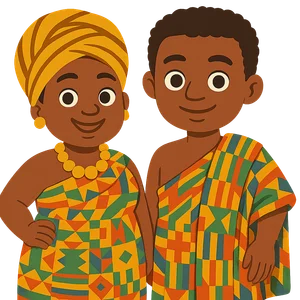
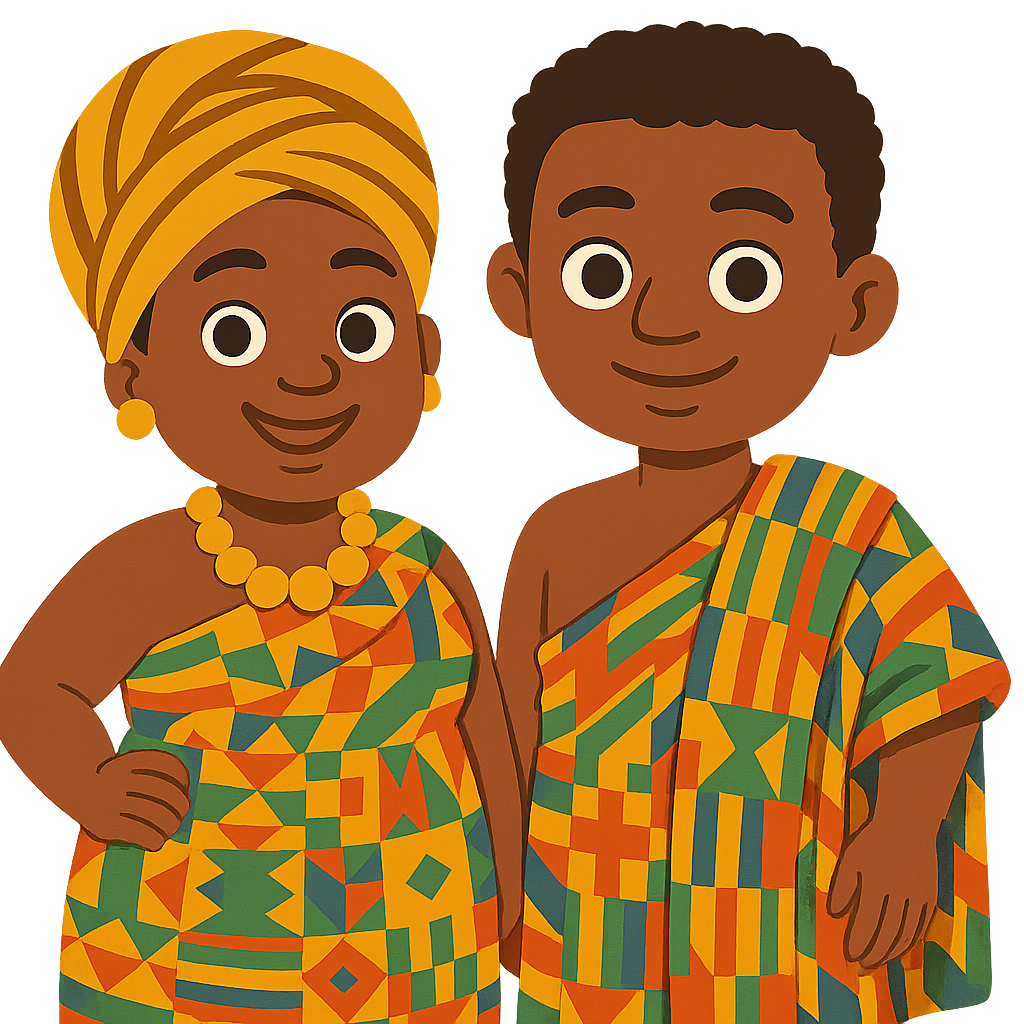
Our culture is expressed through rich artistic traditions that are filled with meaning and purpose. Perhaps our most famous art form is Kente cloth, a beautiful fabric known for its vibrant colors and stunningly intricate patterns. For many generations, Kente was reserved for royalty and special occasions, as each design and color combination tells a specific story or conveys a particular message. The patterns are not just for decoration; they are a form of communication, a visual language that speaks of our history, values, and beliefs. We also use a system of symbols called Adinkra, which represent proverbs, concepts, and ideas. Each symbol is a piece of wisdom. For example, the Sankofa symbol, often depicted as a bird looking backward, teaches us a vital lesson: we must look to the past to learn from it and build a better future. Through our art, we wear our stories and share our philosophy with the world.
Our connection to the world around us is also reflected in our traditional spiritual beliefs. We believe in a supreme creator God, whom we call Nyame, who is the source of all life and goodness. Alongside this supreme being, we recognize the presence of lesser spirits that inhabit the natural world, residing in rivers, trees, and mountains. These spirits connect us to the earth and remind us to live in harmony with our environment. A vital part of our spiritual life is the deep respect we hold for our ancestors. We believe that our relatives who have passed on are not truly gone; instead, they continue to watch over us, offering guidance, wisdom, and protection. By honoring them, we maintain a continuous link between the past, the present, and the future, ensuring that the wisdom of our elders is never lost.
Today, our story continues. Millions of Akan people live and thrive in the modern nations of Ghana and Ivory Coast, playing important roles in every part of society, from government and business to education and the arts. While our daily lives have changed over the centuries, many of our most cherished traditions remain a vibrant and essential part of our identity. The respected roles of chiefs continue to provide leadership and guidance in our communities. Our beautiful art forms, like Kente cloth and Adinkra symbols, are celebrated both at home and around the world. Our languages are still spoken, carrying our stories and our wisdom forward. We are a people proud of our history, and we continue to build our future on the strong foundations our ancestors created.
Wow facts
About
The Akan are a major meta-ethnic group in West Africa, primarily residing in Ghana and Côte d'Ivoire, known for their powerful historical kingdoms, matrilineal society, and rich artistic traditions like Kente cloth and Adinkra symbols.
Take a Quiz
Question 1 of 5
What does it mean that Akan society is 'matrilineal'?
Explore next




Want to do even more?
Go beyond exploring. Unlock tools that turn every story into real learning.

Storypie Plus for families
Full stories, quizzes, and printables. Nights and car rides, sorted.
- Unlimited audio stories
- Create Mode: your child stars in the story
- Offline downloads
- Printable worksheets & coloring pages

Why Storypie for Schools
Students engaged. Prep in seconds. Evenings back to you.
- Worksheets & Quizzes
- Classroom Management
- Formative Assessment
- Custom Curriculum & Lesson Plans
- 27 Languages

Why Storypie for Homeschool
Curriculum done. They'll ask for more. Hours back in your day.
- Worksheet Generator
- First-Person Audio Stories
- Built-in Comprehension Quizzes
- Custom Curriculum & Lesson Plans
- Print & Go Activities