English

Indigenous Peoples of the Amazon
The Indigenous Peoples of the Amazon are a diverse group of several hundred distinct ethnic groups who have…
Reads at Grades 6–8 Listens at Grades 4–8
Print & create
Answer keys·No prep·Free with an account
28 worksheets · answer keys · full story · quiz · Ages 10-12 · CEFR B2
Plus adds 116,000+ more stories in 27 languages, audio for every one, and printables for all of them.
Just want Indigenous Peoples of the Amazon?
Greetings from the world’s largest rainforest. We are the Indigenous Peoples of the Amazon, and this vast, green world of rivers and trees is our home. It is important to know that we are not a single people with one story. Our identity is a rich collection of many cultures, traditions, and languages. We are made up of over 400 distinct peoples, including groups you may have heard of, like the Yanomami and the Kayapo. Across the nine countries that share the Amazon basin, we speak hundreds of unique languages, each one carrying the wisdom of our ancestors. Our connection to this land is ancient and unbroken. For at least 13,000 years, generation after generation of our peoples has thrived here, learning the secrets of the forest and living as a part of its intricate web of life. This long history has shaped who we are, and it guides us as we navigate the modern world.
Our relationship with the rainforest is both practical and deeply spiritual. The forest is our pharmacy, our grocery store, and our hardware store all in one. It provides us with nourishing foods, powerful medicines to heal us when we are sick, and strong materials to build our houses and craft our tools. We see the forest not as a collection of resources to be taken, but as a community of living beings. We hold a belief that the plants and animals around us have spirits and are essential members of our extended family. This worldview teaches us respect and responsibility. It is the foundation of our commitment to sustainable living, which means using the land in a way that ensures it will remain healthy for all future generations. One of our most important practices is called ‘shifting cultivation.’ This is a careful farming method where we clear a small patch of forest to grow crops for a few years. When the soil begins to tire, we move to a different area, allowing the first patch to rest and regrow, its fertility slowly returning. This cycle of use and renewal allows us to feed our communities without permanently harming the forest that sustains us.
We Are the Amazon: A Story of the Great Forest
Greetings from the world’s largest rainforest. We are the Indigenous Peoples of the Amazon, and this vast, green world of rivers and trees is our home. It is important to know that we are not a single people with one story. Our identity is a rich collection of many cultures, traditions, and languages. We are made up of over 400 distinct peoples, including groups you may have heard of, like the Yanomami and the Kayapo. Across the nine countries that share the Amazon basin, we speak hundreds of unique languages, each one carrying the wisdom of our ancestors. Our connection to this land is ancient and unbroken. For at least 13,000 years, generation after generation of our peoples has thrived here, learning the secrets of the forest and living as a part of its intricate web of life. This long history has shaped who we are, and it guides us as we navigate the modern world.
Our relationship with the rainforest is both practical and deeply spiritual. The forest is our pharmacy, our grocery store, and our hardware store all in one. It provides us with nourishing foods, powerful medicines to heal us when we are sick, and strong materials to build our houses and craft our tools. We see the forest not as a collection of resources to be taken, but as a community of living beings. We hold a belief that the plants and animals around us have spirits and are essential members of our extended family. This worldview teaches us respect and responsibility. It is the foundation of our commitment to sustainable living, which means using the land in a way that ensures it will remain healthy for all future generations. One of our most important practices is called ‘shifting cultivation.’ This is a careful farming method where we clear a small patch of forest to grow crops for a few years. When the soil begins to tire, we move to a different area, allowing the first patch to rest and regrow, its fertility slowly returning. This cycle of use and renewal allows us to feed our communities without permanently harming the forest that sustains us.
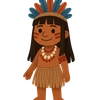
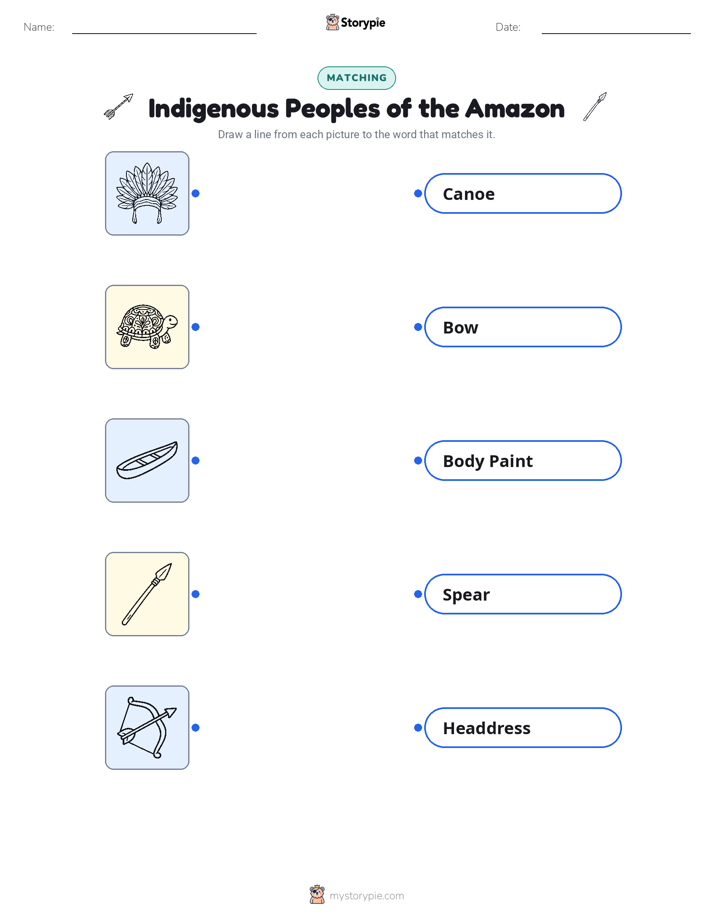
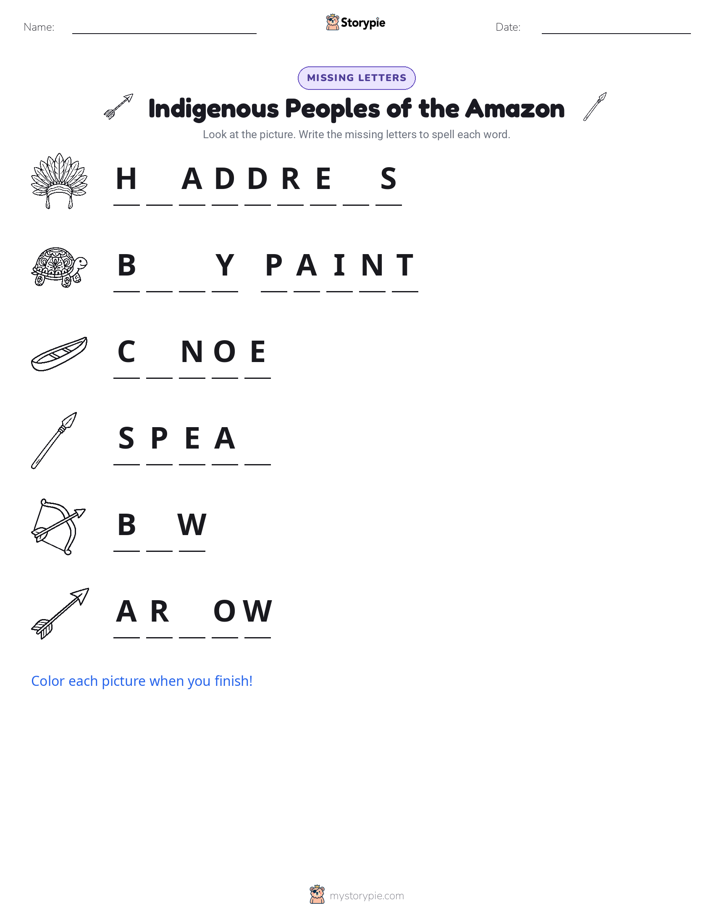
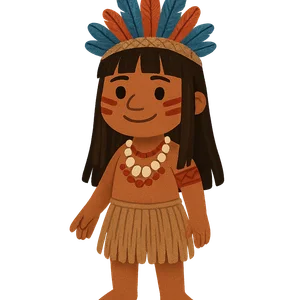
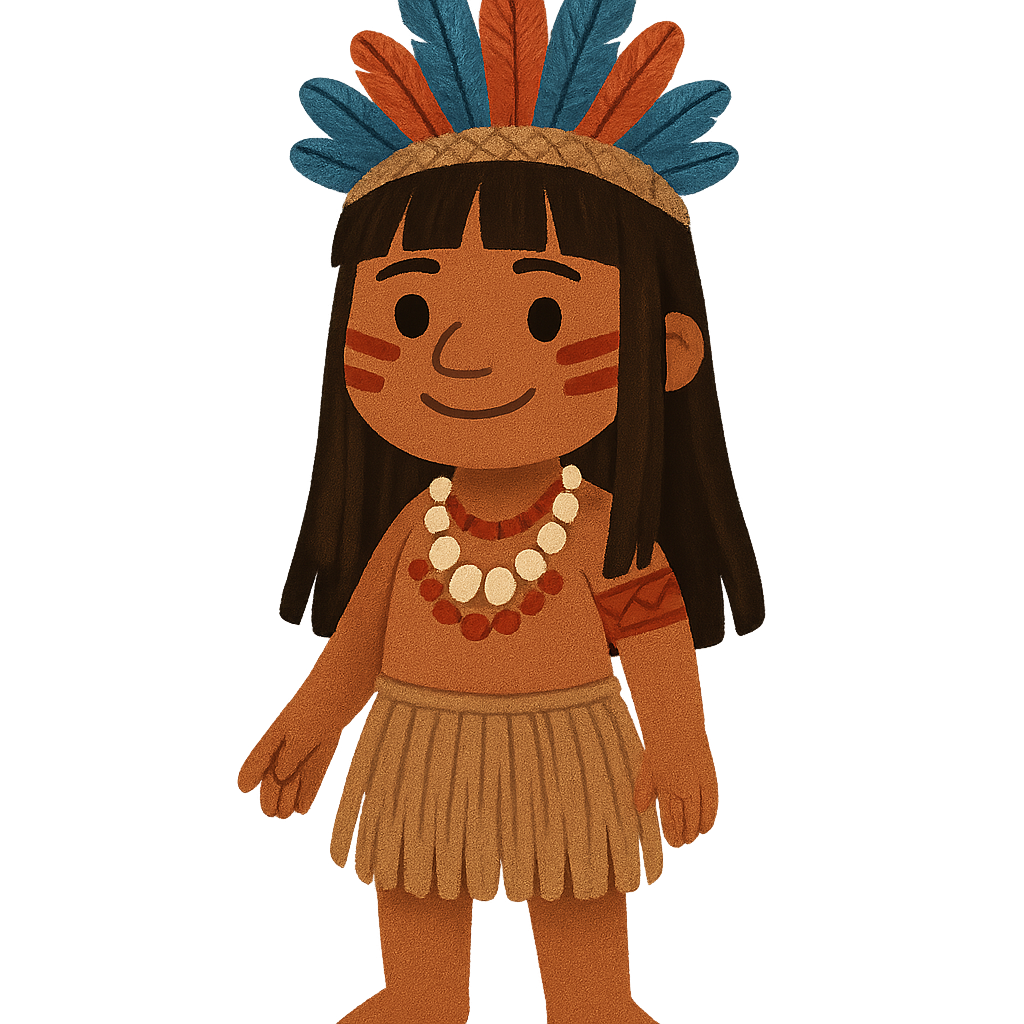
Our diverse cultures are expressed in countless beautiful ways. Art is a central part of our lives and a powerful way to communicate our identity. Using dyes made from seeds, clays, and plants, we create intricate body paint designs that can tell a story, show our connection to a particular clan, or prepare us for a ceremony. We also craft magnificent headdresses from the colorful feathers of forest birds, each one a stunning work of art that holds cultural significance. But our traditions go far beyond what you can see. Our ceremonies, music, and oral stories are the threads that weave our communities together. Since our histories were not traditionally written down, our elders pass down our most important knowledge through spoken words. In the evenings, we gather to hear the stories of our ancestors, the lessons of the animals, and the history of our people. This is how we teach our children our values, our understanding of the world, and the skills they need to live in harmony with the forest.
For thousands of years, our way of life continued in balance with the world around us. However, the arrival of outsiders brought immense and devastating challenges that we are still facing today. When newcomers entered our lands, they brought diseases that our bodies had never encountered before. With no immunity, many of our communities were tragically weakened. At the same time, we began to lose our ancestral lands, the territories that had belonged to our peoples for centuries. The outside world saw the forest as a source of profit, and vast areas were cleared for logging, mining, and cattle ranching. The destruction of the forest is also the destruction of our homes, our food sources, and the places where our traditions are rooted. Despite these hardships, our peoples have shown incredible resilience. We have never stopped fighting to protect our homes, to secure our rights to our land, and to preserve the way of life that our ancestors passed down to us.
Today, our cultures are alive, dynamic, and evolving. Our lives often blend ancient traditions with modern technology in powerful ways. While we continue to rely on ancestral knowledge to navigate the forest, we also use tools like GPS and the internet to map our territories, monitor for illegal deforestation, and share our story with the world. We are not just protecting our own homes; we are standing as global advocates for the environment. We believe that our traditional knowledge holds valuable lessons for all of humanity about how to live sustainably. By sharing our understanding of the Amazon, we hope to help protect this vital rainforest, which plays a crucial role in the health of the entire planet. We continue to raise our voices, insisting on our right to exist and to shape our own futures, ensuring that our ancient cultures will continue to thrive for generations to come.
Wow facts
About
The Indigenous Peoples of the Amazon are a diverse group of several hundred distinct ethnic groups who have inhabited the Amazon rainforest in South America for millennia. Their cultures are deeply connected to the forest environment, which they strive to protect.
Take a Quiz
Question 1 of 5
According to the story, what is the main reason the Indigenous Peoples of the Amazon are not considered one single group?
Explore next


Want to do even more?
Go beyond exploring. Unlock tools that turn every story into real learning.

Storypie Plus for families
Full stories, quizzes, and printables. Nights and car rides, sorted.
- Unlimited audio stories
- Create Mode: your child stars in the story
- Offline downloads
- Printable worksheets & coloring pages

Why Storypie for Schools
Students engaged. Prep in seconds. Evenings back to you.
- Worksheets & Quizzes
- Classroom Management
- Formative Assessment
- Custom Curriculum & Lesson Plans
- 27 Languages

Why Storypie for Homeschool
Curriculum done. They'll ask for more. Hours back in your day.
- Worksheet Generator
- First-Person Audio Stories
- Built-in Comprehension Quizzes
- Custom Curriculum & Lesson Plans
- Print & Go Activities