English

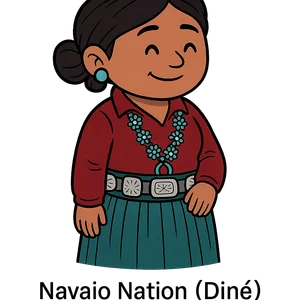
Navajo Nation (Diné)
The Navajo Nation is the largest Native American sovereign nation in the United States by land area…
Reads at Grades 6–8 Listens at Grades 4–8
Print & create
Answer keys·No prep·Free with an account
28 worksheets · answer keys · full story · quiz · Ages 10-12 · CEFR B2
Plus adds 116,000+ more stories in 27 languages, audio for every one, and printables for all of them.
Just want Navajo Nation (Diné)?
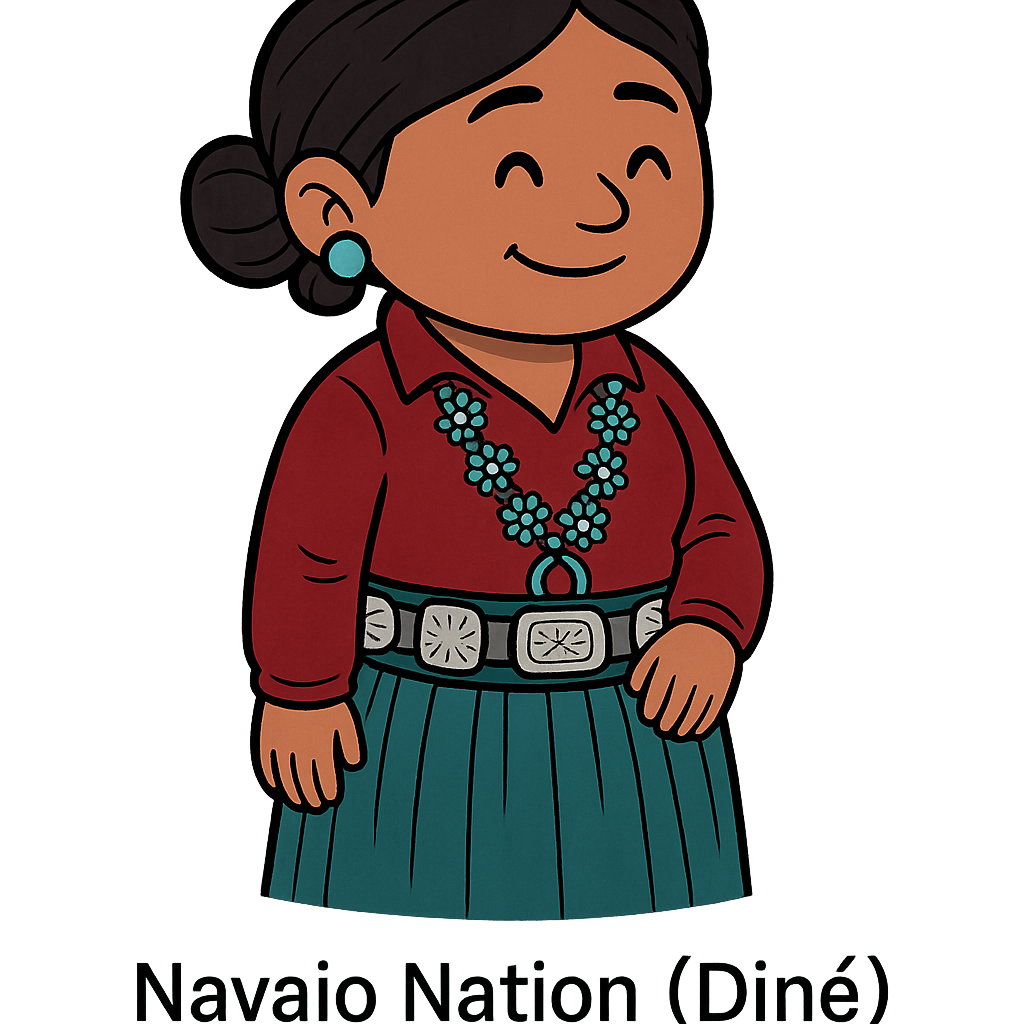
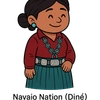
Yá'át'ééh. We are the Diné, which in our language means The People. For generations beyond counting, our home has been a sacred land in the American Southwest that we call Dinétah. This is not just a place on a map to us; it is the heart of our world, a place of immense spiritual power and connection. Our traditions tell us that we emerged into this world here. Our homeland is defined and protected by four sacred mountains, which stand as guardians at the four cardinal directions. These mountains—to the east, west, north, and south—mark the boundaries of our sacred world, a landscape that holds our stories, our history, and our identity. Our connection to this land is deep and unbreakable, woven into every part of our lives since the beginning of our time.
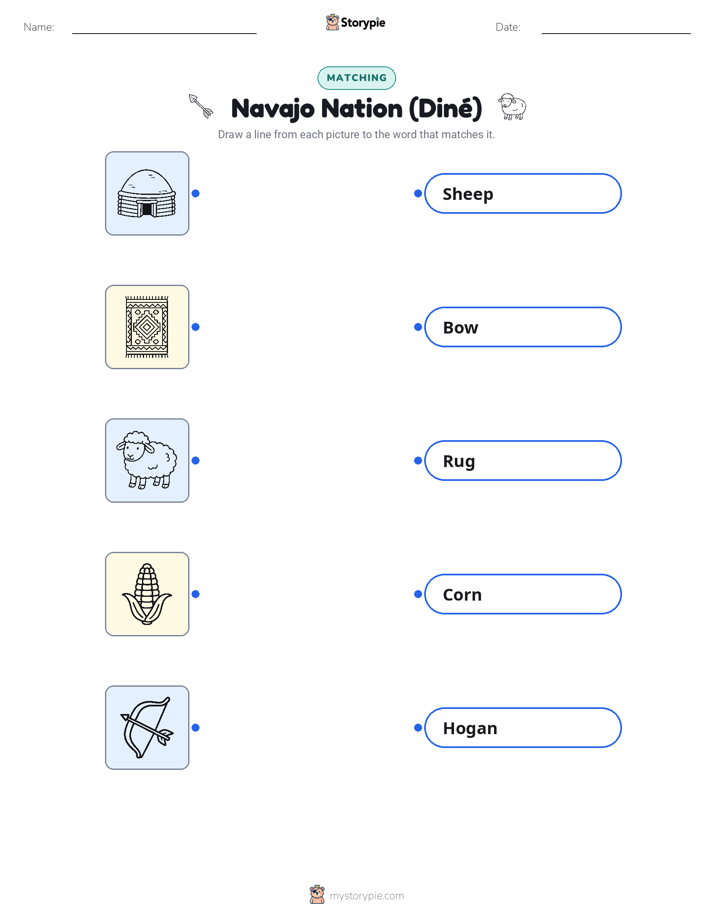
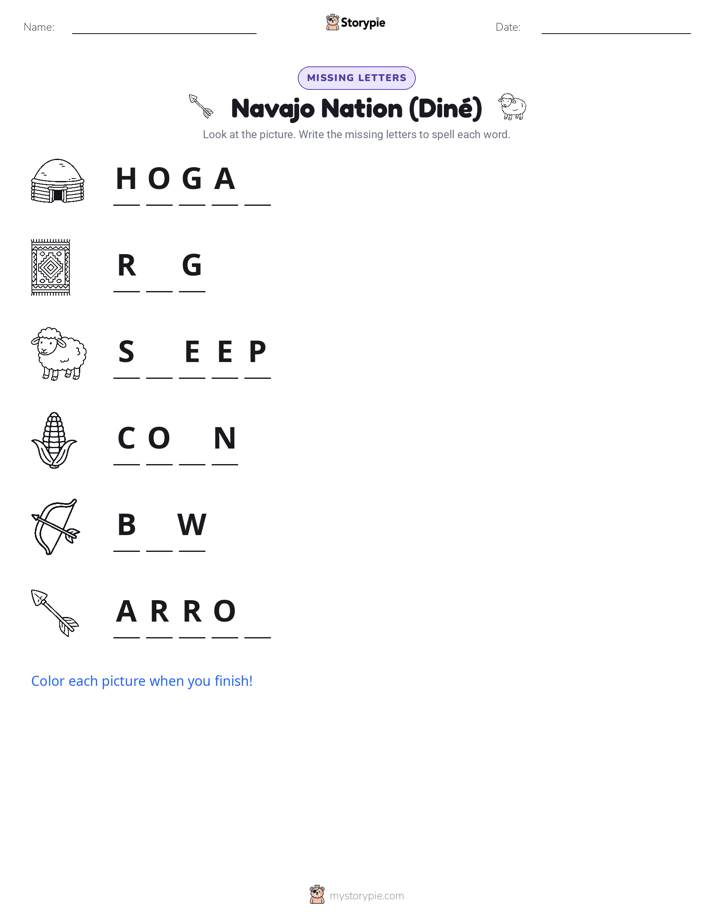
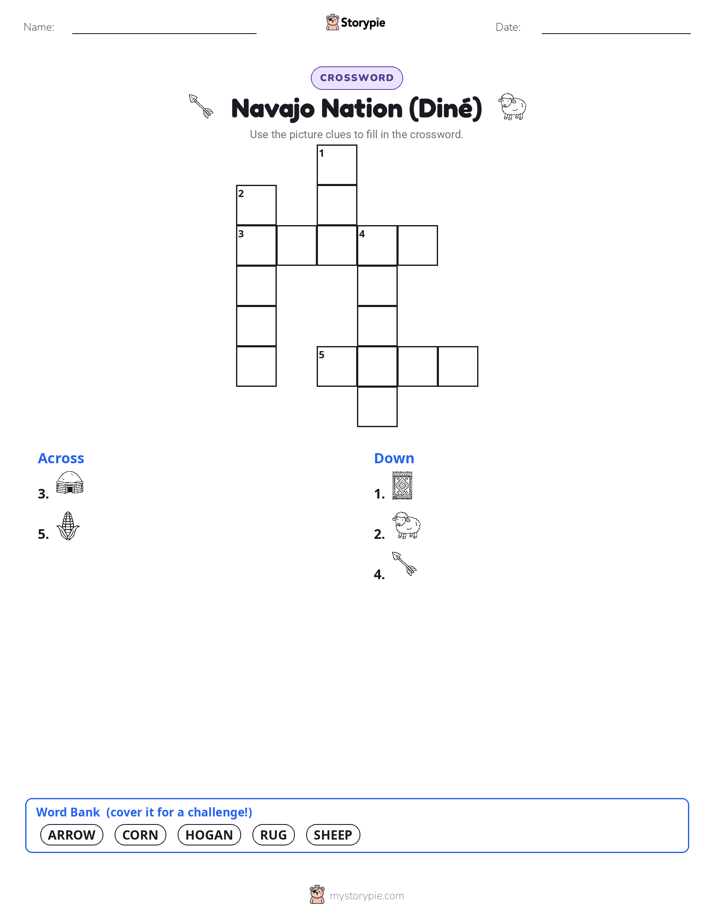
At the center of our way of life is the guiding principle of Hózhó. This is a powerful concept that means living in a state of balance, harmony, and beauty with all things in the world around us. For centuries, we lived in family groups, with our lives centered around our sacred homes, which are called hogans. These structures are more than just shelters; they are places of family, ceremony, and connection to the universe. We were originally skilled farmers, learning to grow crops in the high desert environment of Dinétah. Over time, our lives adapted, and we became renowned sheepherders. The sheep provided us with food and wool, which our women learned to weave into beautiful, intricate rugs. These are not just blankets; each one tells a story through its patterns and colors, and they have become a central and celebrated part of our culture, a visible expression of Hózhó.
We Are the Diné: The Story of the Navajo Nation
Yá'át'ééh. We are the Diné, which in our language means The People. For generations beyond counting, our home has been a sacred land in the American Southwest that we call Dinétah. This is not just a place on a map to us; it is the heart of our world, a place of immense spiritual power and connection. Our traditions tell us that we emerged into this world here. Our homeland is defined and protected by four sacred mountains, which stand as guardians at the four cardinal directions. These mountains—to the east, west, north, and south—mark the boundaries of our sacred world, a landscape that holds our stories, our history, and our identity. Our connection to this land is deep and unbreakable, woven into every part of our lives since the beginning of our time.
At the center of our way of life is the guiding principle of Hózhó. This is a powerful concept that means living in a state of balance, harmony, and beauty with all things in the world around us. For centuries, we lived in family groups, with our lives centered around our sacred homes, which are called hogans. These structures are more than just shelters; they are places of family, ceremony, and connection to the universe. We were originally skilled farmers, learning to grow crops in the high desert environment of Dinétah. Over time, our lives adapted, and we became renowned sheepherders. The sheep provided us with food and wool, which our women learned to weave into beautiful, intricate rugs. These are not just blankets; each one tells a story through its patterns and colors, and they have become a central and celebrated part of our culture, a visible expression of Hózhó.
Our history has not always been one of peace. The 1860s brought a time of great hardship and sorrow. The United States government began a campaign against us, leading to a devastating conflict that changed our world forever. Our farms were destroyed, our homes were burned, and our people were forced to surrender. What followed was one of the most painful chapters in our history, a forced removal that we call Hwéeldi, or the Long Walk. Thousands of our people—men, women, and children—were forced to march 300 miles from our homeland to a desolate reservation called Bosque Redondo. The journey was brutal, and many did not survive. The years we spent imprisoned there were filled with suffering, hunger, and loss. This period is a defining trauma for our people, a memory of immense sorrow that we carry with us to this day.
Even in the darkest of times, our spirit of resilience never faded. Our leaders worked tirelessly to find a way for us to survive and return home. A wise and determined leader named Barboncito played a crucial role in negotiating with the U.S. government. He and other leaders argued for our right to live in the land that the Creator had given us. Their strength and persistence led to the signing of the Treaty of 1868. This treaty was remarkable because, unlike many others made with Indigenous nations, it did not permanently remove us to a foreign territory. Instead, it officially ended our imprisonment at Bosque Redondo and, most importantly, allowed us to return to a portion of our ancestral lands in Dinétah. This historic agreement established the foundation of the modern Navajo Nation reservation, securing a homeland for our future generations.
In the 20th century, our people found a new way to defend a nation—the very one that had once been our adversary. During World War II, the United States military faced a major challenge: how to send secret messages that the enemy could not decipher. They turned to us. Hundreds of our young men, known as the Navajo Code Talkers, joined the U.S. Marines. They used our complex, unwritten language, Diné bizaad, to create an unbreakable code. Their heroism helped win the war in the Pacific. This legacy of strength continues in our governance today. The Navajo Nation is a sovereign nation, meaning we govern ourselves. We have our own three-branch government, with a president, a council, and courts, just like the United States. Today, our reservation is the largest in the country, a testament to the land we fought so hard to return to.
As we, the Diné, live in the modern world, we continue to walk in balance between our cherished traditions and contemporary life. We are doctors, teachers, artists, and leaders, contributing to the world in countless ways. At the same time, we hold fast to the teachings of our elders. The survival of our culture is deeply connected to our language, Diné bizaad, and we are working hard to teach it to our children and grandchildren so that it will never be lost. Our artistic traditions also thrive. Our weavers continue to create stunning rugs that are sought after around the world, and our silversmiths craft beautiful jewelry that carries our cultural symbols. We are still here, a strong and vibrant people, living in our sacred homeland and carrying the legacy of our ancestors into the future.
Wow facts
About
The Navajo Nation is the largest Native American sovereign nation in the United States by land area, home to the Diné people, who have a rich culture and history in the American Southwest.
Take a Quiz
Question 1 of 5
According to the story, what is the meaning of Hózhó in Diné culture?
Explore next



Want to do even more?
Go beyond exploring. Unlock tools that turn every story into real learning.

Storypie Plus for families
Full stories, quizzes, and printables. Nights and car rides, sorted.
- Unlimited audio stories
- Create Mode: your child stars in the story
- Offline downloads
- Printable worksheets & coloring pages

Why Storypie for Schools
Students engaged. Prep in seconds. Evenings back to you.
- Worksheets & Quizzes
- Classroom Management
- Formative Assessment
- Custom Curriculum & Lesson Plans
- 27 Languages

Why Storypie for Homeschool
Curriculum done. They'll ask for more. Hours back in your day.
- Worksheet Generator
- First-Person Audio Stories
- Built-in Comprehension Quizzes
- Custom Curriculum & Lesson Plans
- Print & Go Activities