English

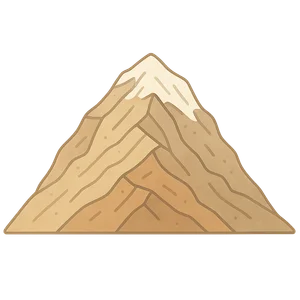
Aconcagua
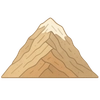
Aconcagua is the highest mountain in the Americas, located in the Andes mountain range in Argentina.
Reads at Grades 6–8 Listens at Grades 4–8
Print & create
Answer keys·No prep·Free with an account
28 worksheets · answer keys · full story · quiz · Ages 10-12 · CEFR B2
Plus adds 164,000+ more stories in 27 languages, audio for every one, and printables for all of them.
Just want Aconcagua?
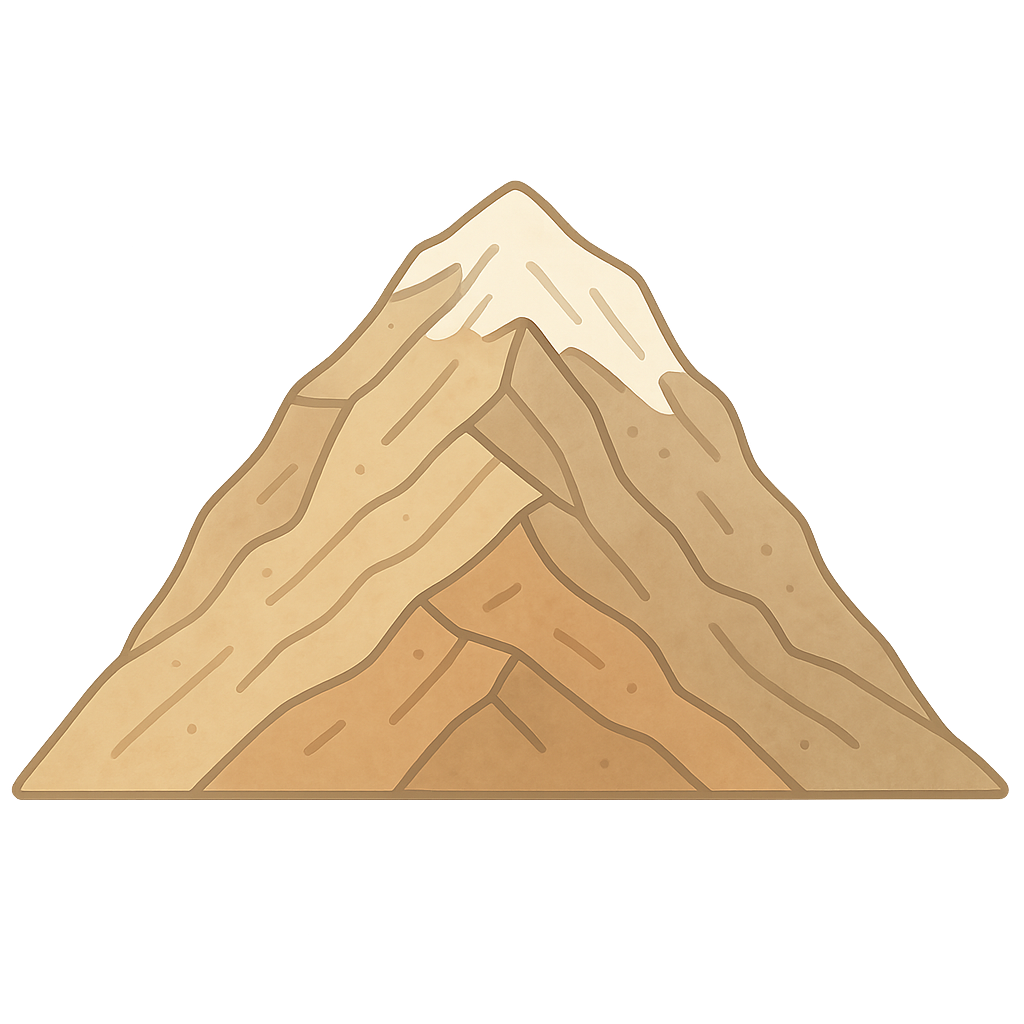
The wind howls a lonely song across my stony face, a melody only I have heard for millions of years. It polishes my rocky ridges and sweeps plumes of snow from my highest points, scattering them like diamond dust across the sky. From my towering height of nearly 7,000 meters, I watch the world unfold in a breathtaking panorama. Below me, the great Andes mountain range ripples like a vast stone serpent, its spine stretching far to the north and south. I am the highest of them all, a giant of rock and ice, the tallest peak in both the Western and Southern Hemispheres. My roots are buried deep in the earth of Argentina, and my summit gazes across the border into Chile, a silent watcher over two nations. The sun warms my eastern slopes first, painting them in hues of gold and rose, while my western face remains cloaked in shadow. I feel the rumble of glaciers carving new paths down my flanks and the quiet footsteps of guanacos searching for sparse vegetation on my lower slopes. For millennia, I have stood here, a landmark for ancient peoples and a challenge for modern explorers. They have given me a name that echoes my silent, watchful nature. I am Aconcagua, the Stone Sentinel.
Many believe a mountain as grand as I must be a volcano, born of fire and fury. But my story is one of slow, immense pressure and patience. I was not created by an eruption, but by a colossal, silent collision deep within the Earth. For millions of years, the Nazca tectonic plate, which forms the floor of the Pacific Ocean, has been sliding beneath the South American plate. This incredible force, called subduction, folded and pushed the land upward, layer by layer, like a rumpling carpet, until I rose from the plains to pierce the clouds. My heart is made of ancient volcanic rock, but it was the relentless pushing from below that gave me my height. The first people to gaze upon me with reverence were the Inca. They did not see me as just a mountain; to them, I was an 'apu,' a powerful, sacred spirit that connected the heavens and the earth. They believed I controlled the weather, the rain, and the snowmelt that fed their crops and gave them life. Around the year 1500, their most courageous priests and messengers would undertake perilous journeys up my slopes. They built trails, established small stone shelters, and performed ceremonies to honor me. They did not climb for sport or glory, but for spiritual connection. Their journeys were acts of deep faith. In 1985, a startling discovery was made high on one of my ridges: the perfectly preserved body of a young Inca child, now known as the Aconcagua mummy. He had been brought there as part of a sacred ritual, a human offering to me, the great apu. This discovery is a solemn and powerful testament to the deep reverence the Inca held for me and their incredible mountaineering skills, achieved long before modern equipment existed. They understood my power and treated me not as a thing to be conquered, but as a spirit to be respected.
The Story of Aconcagua, the Stone Sentinel
The wind howls a lonely song across my stony face, a melody only I have heard for millions of years. It polishes my rocky ridges and sweeps plumes of snow from my highest points, scattering them like diamond dust across the sky. From my towering height of nearly 7,000 meters, I watch the world unfold in a breathtaking panorama. Below me, the great Andes mountain range ripples like a vast stone serpent, its spine stretching far to the north and south. I am the highest of them all, a giant of rock and ice, the tallest peak in both the Western and Southern Hemispheres. My roots are buried deep in the earth of Argentina, and my summit gazes across the border into Chile, a silent watcher over two nations. The sun warms my eastern slopes first, painting them in hues of gold and rose, while my western face remains cloaked in shadow. I feel the rumble of glaciers carving new paths down my flanks and the quiet footsteps of guanacos searching for sparse vegetation on my lower slopes. For millennia, I have stood here, a landmark for ancient peoples and a challenge for modern explorers. They have given me a name that echoes my silent, watchful nature. I am Aconcagua, the Stone Sentinel.
Many believe a mountain as grand as I must be a volcano, born of fire and fury. But my story is one of slow, immense pressure and patience. I was not created by an eruption, but by a colossal, silent collision deep within the Earth. For millions of years, the Nazca tectonic plate, which forms the floor of the Pacific Ocean, has been sliding beneath the South American plate. This incredible force, called subduction, folded and pushed the land upward, layer by layer, like a rumpling carpet, until I rose from the plains to pierce the clouds. My heart is made of ancient volcanic rock, but it was the relentless pushing from below that gave me my height. The first people to gaze upon me with reverence were the Inca. They did not see me as just a mountain; to them, I was an 'apu,' a powerful, sacred spirit that connected the heavens and the earth. They believed I controlled the weather, the rain, and the snowmelt that fed their crops and gave them life. Around the year 1500, their most courageous priests and messengers would undertake perilous journeys up my slopes. They built trails, established small stone shelters, and performed ceremonies to honor me. They did not climb for sport or glory, but for spiritual connection. Their journeys were acts of deep faith. In 1985, a startling discovery was made high on one of my ridges: the perfectly preserved body of a young Inca child, now known as the Aconcagua mummy. He had been brought there as part of a sacred ritual, a human offering to me, the great apu. This discovery is a solemn and powerful testament to the deep reverence the Inca held for me and their incredible mountaineering skills, achieved long before modern equipment existed. They understood my power and treated me not as a thing to be conquered, but as a spirit to be respected.
As centuries passed, the world changed, and new kinds of explorers began to cast their eyes upon my summit, driven not by faith, but by scientific curiosity and the spirit of adventure. In 1835, a brilliant young scientist named Charles Darwin sailed near the coast of South America on his famous ship, the HMS Beagle. He didn't attempt to climb me, but he observed me from afar, studying my layered rock formations and marveling at the immense tectonic forces that had lifted me so high. His observations of the Andes, including me, helped shape his revolutionary ideas about geology and the history of our planet. The first serious attempt to reach my peak came in 1883. A determined German explorer, Paul Güssfeldt, led an expedition up my treacherous slopes. He was a skilled mountaineer, but I tested him with my full power. He faced hurricane-force winds, blinding snow, and bitter cold that froze his supplies solid. He pushed higher than anyone from the modern world had gone before, but the weather was too fierce. Exhausted and frostbitten, he was forced to turn back just short of the summit, proving how formidable a challenge I truly was. His courage, however, paved the way for others by mapping a route. The ultimate prize came a few years later. An expedition led by the British mountaineer Edward FitzGerald arrived with a singular goal: to conquer my summit. On January 14th, 1897, after several difficult attempts where the team was beaten back by storms, their Swiss guide, Matthias Zurbriggen, made a final push. His companions were too weakened by the altitude to continue, so he went on alone. With incredible stamina and determination, he battled the thin air and biting wind, placing one foot in front of the other until he could go no higher. He stood alone on my highest point, the first person in recorded history to reach my summit. His solitary victory was a triumph of human resilience, a moment when one person’s spirit proved as strong as my stone.
Today, my slopes are no longer the exclusive domain of priests or pioneering explorers. In 1983, the land around me was officially protected, creating the Aconcagua Provincial Park. This ensures that my unique environment, from the glaciers on my peaks to the valleys below, remains pristine. It is a sanctuary for the hardy wildlife that calls me home, including the majestic Andean condors that soar on the thermal winds rising from my cliffs. I am now known as one of the 'Seven Summits,' the highest mountains on each of the seven continents. This title draws thousands of climbers from every corner of the world each year. They come with modern gear and careful plans, but the challenge remains the same. I am a test of their endurance, their teamwork, and their will. I am more than just rock and ice. I am a challenge that teaches people about their own inner strength and the profound importance of perseverance. I am a keeper of ancient Inca history and a place where modern adventurers forge lifelong memories. Standing on my summit, they see the world from a new perspective, and they carry a piece of my wild spirit with them forever. I will continue to stand as the Stone Sentinel, inspiring dreams for ages to come.
Wow facts
About
Aconcagua is the highest mountain in the Americas, located in the Andes mountain range in Argentina. Aconcagua was a sacred site for the Inca, with places for worship and sacrifices discovered at high altitudes. It is now a premier destination for mountaineers and part of the Seven Summits challenge.
Take a Quiz
Question 1 of 5
Retell the story of the first successful ascent of Aconcagua, including who made the climb and when it happened.
Explore next

Want to do even more?
Go beyond exploring. Unlock tools that turn every story into real learning.

Storypie Plus for families
Full stories, quizzes, and printables. Nights and car rides, sorted.
- Unlimited audio stories
- Create Mode: your child stars in the story
- Offline downloads
- Printable worksheets & coloring pages

Why Storypie for Schools
Students engaged. Prep in seconds. Evenings back to you.
- Worksheets & Quizzes
- Classroom Management
- Formative Assessment
- Custom Curriculum & Lesson Plans
- 27 Languages

Why Storypie for Homeschool
Curriculum done. They'll ask for more. Hours back in your day.
- Worksheet Generator
- First-Person Audio Stories
- Built-in Comprehension Quizzes
- Custom Curriculum & Lesson Plans
- Print & Go Activities