

 English

The Ocean at the Top of the World
Imagine a place of profound silence, broken only by the sharp crack of shifting ice that echoes for miles. The air is so cold it feels like tiny needles on your skin, and the world is painted in shades of white and brilliant blue. For half the year, the sun circles the horizon without ever setting, casting a golden glow on my frozen surface. For the other half, darkness reigns, but it is a magical darkness, lit by a curtain of green, purple, and pink light that dances across the stars—the aurora borealis. My heart is a vast, moving shield of ice, a crown on top of the world. I am the Arctic Ocean, the smallest and most mysterious of the world's great oceans.
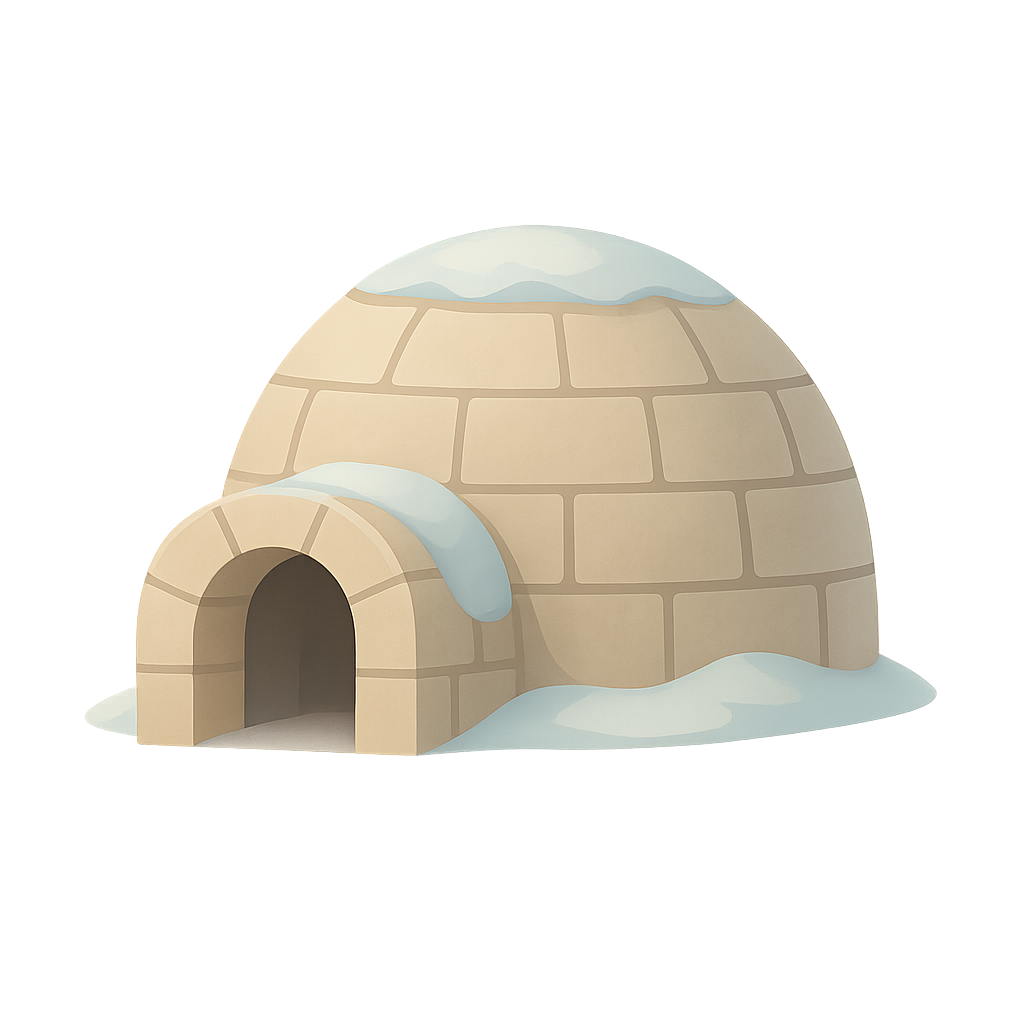
My story began eons ago, when the great continents of the Earth were slowly drifting apart, creating the basin that I now call home. For thousands of years, my only human companions were those who learned to live in harmony with my powerful rhythms. The Inuit and other northern peoples were my first true explorers. They didn't see me as a barrier to be conquered but as a home to be understood. They learned the language of my winds and the patterns of my currents. They built kayaks, swift and silent, to hunt in my open waters during the brief summer. They created dog sleds to glide across my frozen plains in winter, their ingenuity turning my icy expanse into a highway. They listened to my stories, told in the groan of glaciers and the calls of the narwhal, and they thrived, showing a resilience that matched my own enduring ice.
Then, centuries ago, new voices began to call across my waters. Explorers from distant lands, drawn by the promise of discovery and the challenge of the unknown, arrived in their tall wooden ships. They dreamed of finding a Northwest Passage, a secret route through my islands that would connect the great oceans of the world. The quest was filled with peril, and many ships became trapped in my icy grip. But their spirit was relentless. One of the most daring was a man named Fridtjof Nansen. On June 24th, 1893, he did something no one had ever imagined. He intentionally sailed his ship, the Fram, into my pack ice, allowing me to freeze around its hull. He trusted my currents to carry him across the top of the world, a brilliant and risky scientific gamble. This age of exploration reached its peak with the great race to the North Pole itself. An American explorer named Robert Peary, alongside his indispensable partner Matthew Henson, made the final, grueling push. But they were not alone. Their success depended entirely on the knowledge of their Inuit guides, who knew how to build shelters, find paths through the shifting ice, and survive my harshest moods. Together, this determined team finally stood at the North Pole on April 6th, 1909, a testament to human courage and cooperation.
Today, the age of discovery continues, but with new tools and new questions. Giant, powerful ships called icebreakers now carve paths through my thickest ice, and silent submarines glide through the deep, dark waters beneath my frozen ceiling. From high above, satellites watch over me, measuring the thickness of my ice and tracking the wanderings of the polar bears that call me home. These new explorers are scientists, and they have learned one of my most important secrets. My white ice acts like a giant mirror, reflecting the sun’s heat back into space and helping to keep the whole planet cool. I am Earth’s air conditioner. But my ice is changing. It is thinning and shrinking, and this is a sign that our world is warming. Scientists from all over the globe are studying me with great urgency, hoping to understand these changes so that we can learn how to better care for our shared home.
My story is one of immense power, breathtaking beauty, and constant change. I am a home to incredible wildlife, a living laboratory for science, and a place that has always inspired human courage and curiosity. My journey, from the first footsteps of the Inuit to the modern research stations that dot my shores, is a reminder that we are all connected. I hold the memory of ancient ice and the promise of future discoveries. My message is carried on every cold wind. learn about our precious planet, listen to its stories, and work together to protect its wild and wonderful places for all time.
Activities
Take a Quiz
Test what you learned with a fun quiz!
Get creative with colors!
Print a coloring book page of this topic.














 Free for Educators