English

Caral
Caral is the site of an ancient city in the Supe Valley of Peru…
Reads at Grades 6–8 Listens at Grades 4–8
Print & create
Answer keys·No prep·Free with an account
28 worksheets · answer keys · full story · quiz · Ages 10-12 · CEFR B2
Plus adds 208,000+ more stories in 27 languages, audio for every one, and printables for all of them.
Just want Caral?
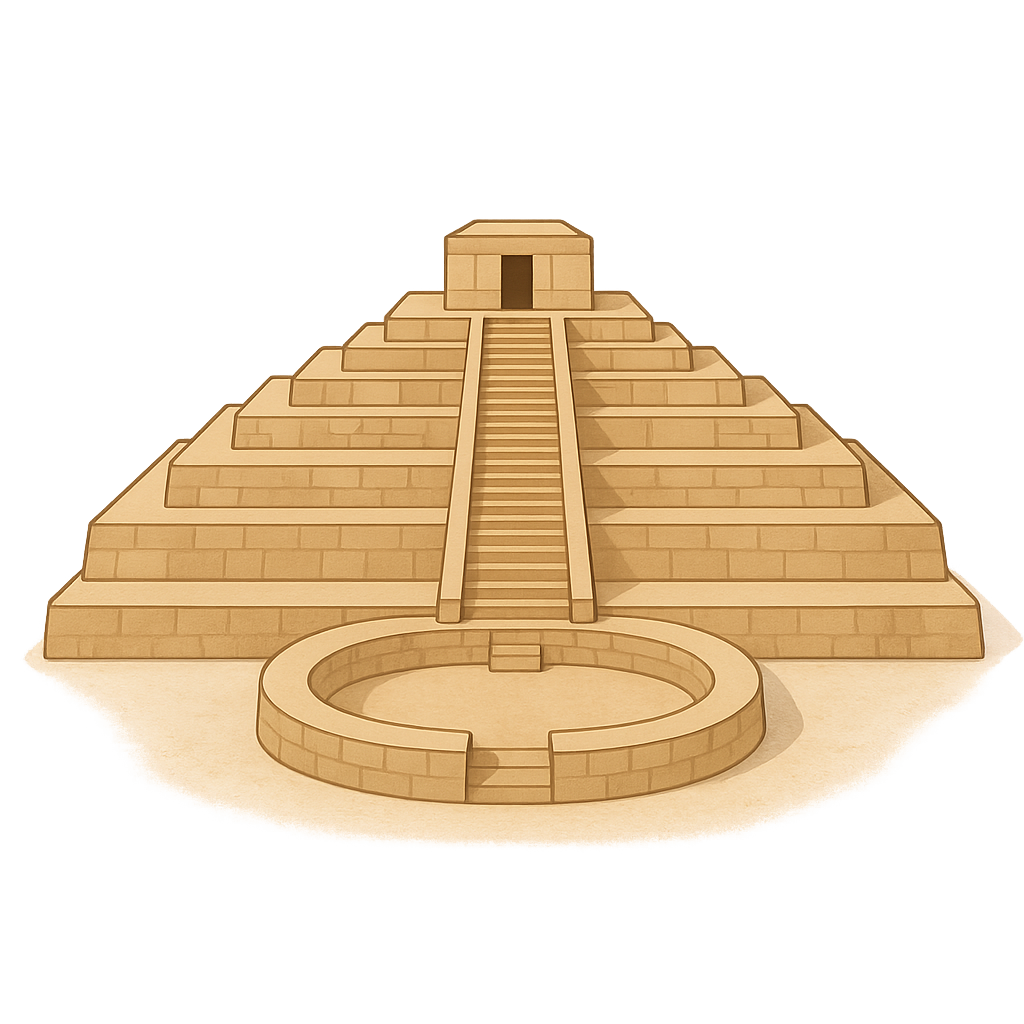
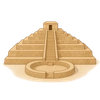
If you listen closely to the dry wind that sweeps through the Supe River Valley in Peru, you might hear a story whispered on the breeze. It is my story. I am a city of sand-colored stone, basking under a brilliant sun that has warmed my foundations for millennia. You might picture a city with sharp, pointed pyramids reaching for the sky, but I am different. My six great pyramids are wide and monumental, with flat tops like grand stages open to the heavens. Between them, you will find sunken circular plazas that dip into the ground like mysterious, sacred bowls. For thousands of years, I have watched the stars turn, a silent witness to a history far older than most people can imagine for a city in the Americas. I am a place born of cooperation, not conflict; of music, not war. I am Caral, the Sacred City.
My story begins long, long ago, when the world was very different. The first stones of my foundation were laid around the year 3000 BCE, making me one of the oldest cities in the Western Hemisphere. The people who built me, a brilliant culture now known as the Norte Chico civilization, understood the secrets of the earth and the river. They were peaceful visionaries who worked in harmony to raise my pyramids. They developed a clever engineering trick to protect me from the earth’s tremors: they wove sturdy reed bags called ‘shicras’, filled them with stones, and used these as the foundations for my structures. This allowed my walls to shift and settle during earthquakes, keeping them standing strong for centuries. Life here was a careful balance of ingenuity and community. My people were master farmers who dug complex irrigation canals to bring water from the Supe River to their fields, where they grew fluffy white cotton and sweet, nutritious gourds. They were also savvy traders, exchanging their cotton with fishing villages along the coast for fresh fish and beautiful seashells. But what truly defined my existence was not what my people had, but what they didn't. In all the years archaeologists have walked my plazas, they have found no weapons, no shields, no signs of warfare. Instead, they found 32 flutes, delicately carved from the bones of condors and pelicans. My sunken plazas were not for planning battles, but for filling the desert air with music, ceremony, and song.
The Whispering City of Caral
If you listen closely to the dry wind that sweeps through the Supe River Valley in Peru, you might hear a story whispered on the breeze. It is my story. I am a city of sand-colored stone, basking under a brilliant sun that has warmed my foundations for millennia. You might picture a city with sharp, pointed pyramids reaching for the sky, but I am different. My six great pyramids are wide and monumental, with flat tops like grand stages open to the heavens. Between them, you will find sunken circular plazas that dip into the ground like mysterious, sacred bowls. For thousands of years, I have watched the stars turn, a silent witness to a history far older than most people can imagine for a city in the Americas. I am a place born of cooperation, not conflict; of music, not war. I am Caral, the Sacred City.
My story begins long, long ago, when the world was very different. The first stones of my foundation were laid around the year 3000 BCE, making me one of the oldest cities in the Western Hemisphere. The people who built me, a brilliant culture now known as the Norte Chico civilization, understood the secrets of the earth and the river. They were peaceful visionaries who worked in harmony to raise my pyramids. They developed a clever engineering trick to protect me from the earth’s tremors: they wove sturdy reed bags called ‘shicras’, filled them with stones, and used these as the foundations for my structures. This allowed my walls to shift and settle during earthquakes, keeping them standing strong for centuries. Life here was a careful balance of ingenuity and community. My people were master farmers who dug complex irrigation canals to bring water from the Supe River to their fields, where they grew fluffy white cotton and sweet, nutritious gourds. They were also savvy traders, exchanging their cotton with fishing villages along the coast for fresh fish and beautiful seashells. But what truly defined my existence was not what my people had, but what they didn't. In all the years archaeologists have walked my plazas, they have found no weapons, no shields, no signs of warfare. Instead, they found 32 flutes, delicately carved from the bones of condors and pelicans. My sunken plazas were not for planning battles, but for filling the desert air with music, ceremony, and song.
For more than a thousand years, I thrived as a center of culture and innovation. But even the greatest cities cannot last forever. Around 1800 BCE, the world around me began to change. The climate shifted, the rains became less frequent, and the land grew drier and more difficult to farm. Powerful earthquakes may have shaken the region, perhaps even altering the course of the river that gave my people life. Living here became a struggle. One by one, families made the difficult decision to leave, moving away to find new homes and new opportunities. I was not destroyed in a great battle or consumed by fire. I simply grew quiet. The wind, which once carried the sound of flutes, now carried only sand, gently covering my pyramids and plazas. I fell into a deep, sandy sleep, and my stories were buried with me, forgotten by the world for nearly 4,000 years, waiting patiently to be woken.
For centuries, I was little more than a series of strange, sandy hills in the desert. People knew I was here, but they did not know my age or my incredible story. My true awakening began in 1994, when a brilliant Peruvian archaeologist named Ruth Shady and her team began their dedicated work. With patient hands and careful brushes, they swept away the sands of time. Slowly, my grand pyramids, my sunken plazas, and the homes of my people emerged back into the sunlight. They uncovered the secrets of my construction and the evidence of my peaceful society. One of their most amazing discoveries was a quipu, a complex system of knotted strings used for keeping records. It was one of the oldest ever found, proving that my people had a sophisticated way of tracking information long before writing was common in the region. My importance could no longer be denied. On June 28th, 2009, I was given a great honor: I was named a UNESCO World Heritage Site, recognized as a treasure belonging to all of humanity. Today, I am no longer sleeping. I stand proudly in the Supe Valley, sharing my story with every visitor who walks my ancient grounds. I am a reminder that people can achieve incredible things not through power and conflict, but through community, harmony, and a shared vision for the future.
Wow facts
About
Caral is the site of an ancient city in the Supe Valley of Peru, considered one of the oldest urban centers in the Americas, flourishing between approximately 2600 and 2000 BCE.
Take a Quiz
Question 1 of 5
In one sentence, what is the main idea of Caral's story?
Explore next


Want to do even more?
Go beyond exploring. Unlock tools that turn every story into real learning.

Storypie Plus for families
Full stories, quizzes, and printables. Nights and car rides, sorted.
- Unlimited audio stories
- Create Mode: your child stars in the story
- Offline downloads
- Printable worksheets & coloring pages

Why Storypie for Schools
Students engaged. Prep in seconds. Evenings back to you.
- Worksheets & Quizzes
- Classroom Management
- Formative Assessment
- Custom Curriculum & Lesson Plans
- 27 Languages

Why Storypie for Homeschool
Curriculum done. They'll ask for more. Hours back in your day.
- Worksheet Generator
- First-Person Audio Stories
- Built-in Comprehension Quizzes
- Custom Curriculum & Lesson Plans
- Print & Go Activities