

 English

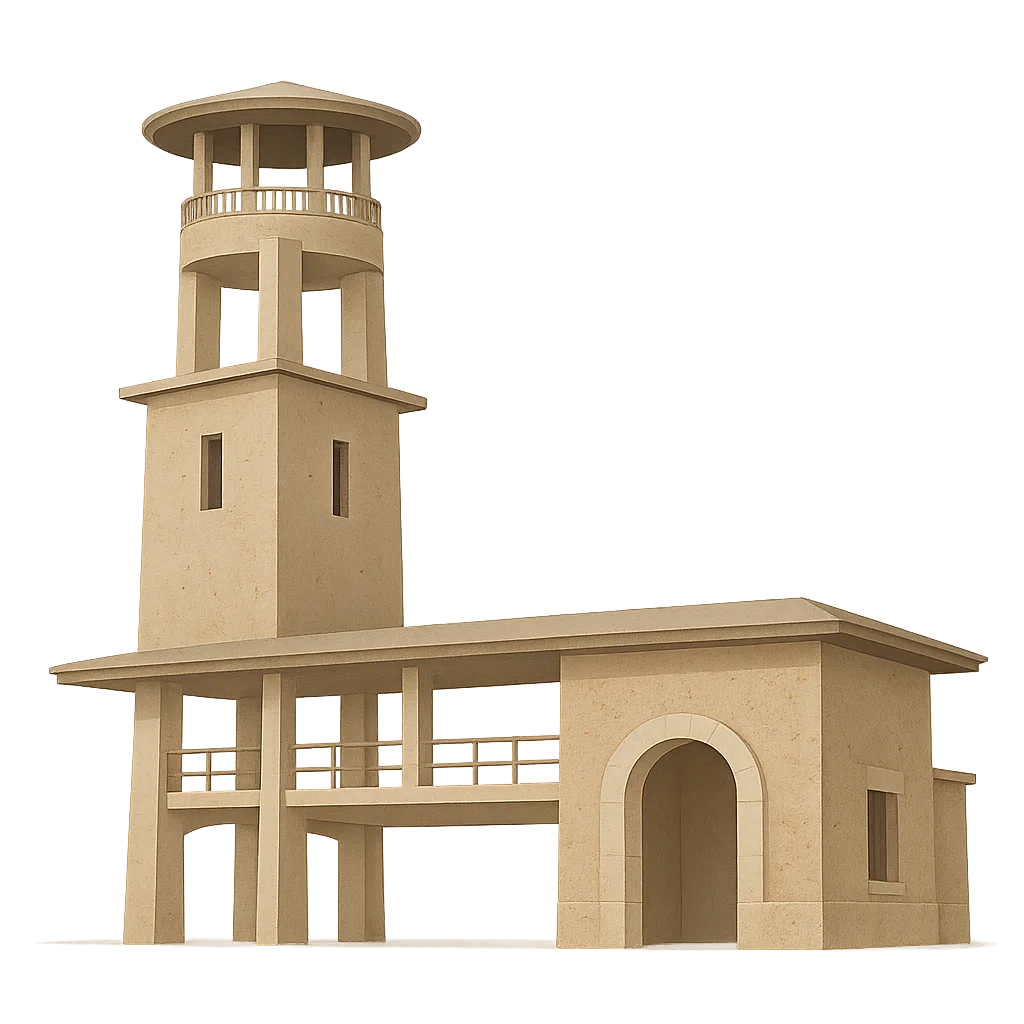
The River of Grass
Listen closely. Can you hear it? It’s not the sound of a city or the roar of an ocean. It is the hum of a million tiny wings, the deep bellow of an alligator, and the soft rustle of wind through endless fields of grass. I am not a swamp, as many once believed. I am a river, sixty miles wide and a hundred miles long, flowing so slowly you can barely see me move. My waters begin their journey in the heart of Florida and creep southward toward the sea. My landscape is a patchwork of shimmering water and golden sawgrass that tickles the sky. Here and there, cypress domes rise like green islands, their roots tangled in the dark, rich soil. For thousands of years, I was home to ancient peoples. The Calusa and Tequesta tribes understood my rhythms. They built their homes on mounds made of shells and lived in harmony with the seasons, leaving behind clues to their lives that are still discovered today. They knew my true name, but the world would come to know me by another. I am Everglades National Park.
For centuries, I existed in a delicate balance, a world teeming with life. But in the late 1800s and early 1900s, a new kind of person arrived in Florida. These settlers saw my vast wetlands not as a treasure, but as an obstacle. They dreamed of building cities and planting neat rows of crops where my wild sawgrass grew. To them, my water was something to be controlled and drained away. And so, they began to change me. They dug deep canals to divert my water, sending it rushing out to the ocean instead of letting it flow slowly across the land. They built levees, which are like giant walls of earth, to hold back my waters and create dry land for farms and houses. Their intentions were to build a new future, but they did not understand the consequences of their actions. My slow-moving river began to shrink. Parts of me that had been wet for centuries became dangerously dry. In the dry season, fires would sweep across the parched landscape, burning the soil that had taken thousands of years to form. The great flocks of wading birds, whose clouds of pink and white wings once filled the sky, began to disappear as their feeding grounds vanished. The entire web of life that depended on my steady, shallow flow was beginning to unravel.
Just when it seemed my wild spirit might be tamed forever, champions appeared who saw me for what I truly was. One of the first was a man named Ernest F. Coe, a landscape architect who moved to Florida in the 1920s. He looked past the idea of a worthless swamp and saw a unique and irreplaceable wilderness. He believed I was as grand and worthy of protection as the Grand Canyon or Yellowstone. Coe dedicated his life to my cause, writing thousands of letters to politicians, leading tours to show people my hidden beauty, and tirelessly campaigning to have me declared a national park. His voice was joined by another, even more powerful one. Her name was Marjory Stoneman Douglas, a brilliant journalist and writer. In 1947, she published a book that changed everything. She called it 'The Everglades: River of Grass.' Those four simple words helped the world finally understand my true nature. I wasn't a stagnant swamp; I was a dynamic, life-giving river. Her book became a call to action. Because of the passionate work of people like Coe and Douglas, leaders in the government began to listen. On May 30th, 1934, the United States Congress passed a law authorizing the creation of a park to protect me. It took many more years of work, but finally, on December 6th, 1947, President Harry S. Truman stood at a ceremony and officially dedicated me as Everglades National Park, ensuring I would be preserved for all time.
Today, I am a sanctuary. I am a safe haven for some of the most amazing creatures in North America. The American alligator glides silently through my waters, the gentle manatee grazes in my coastal estuaries, and deep within my most remote corners, the incredibly rare Florida panther still roams. My importance is recognized far beyond the borders of the United States. In 1979, I was named a UNESCO World Heritage Site, placing me among the most precious natural treasures on the entire planet. My story is not over, and the challenges have not disappeared. The work to heal the damage done long ago continues. Scientists and engineers are now working on huge projects to restore the natural, slow flow of my water, trying to put back what was once taken away. I am a living laboratory, teaching us about resilience, balance, and the intricate connections that bind all living things. I stand as a wild treasure, a promise from the past to the future that some places are too special to ever be lost.
Activities
Take a Quiz
Test what you learned with a fun quiz!
Get creative with colors!
Print a coloring book page of this topic.











 Free for Educators