English

Everglades National Park
A vast and unique wetland ecosystem in South Florida…
Reads at Grades K-2 Listens at K–3
Print & create
Answer keys·No prep·Free with an account
28 worksheets · answer keys · full story · quiz · Ages 6-8 · CEFR A2
Plus adds 280,000+ more stories in 27 languages, audio for every one, and printables for all of them.
Just want Everglades National Park?
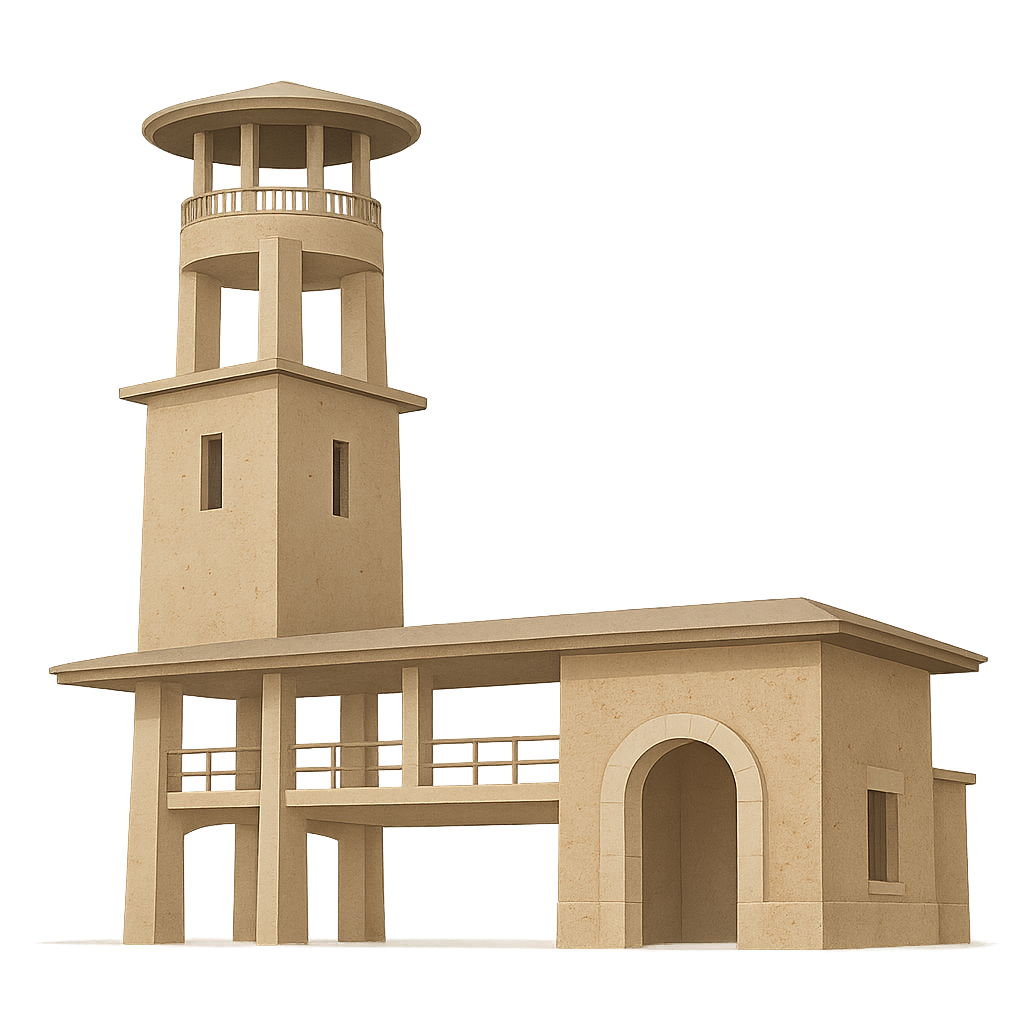
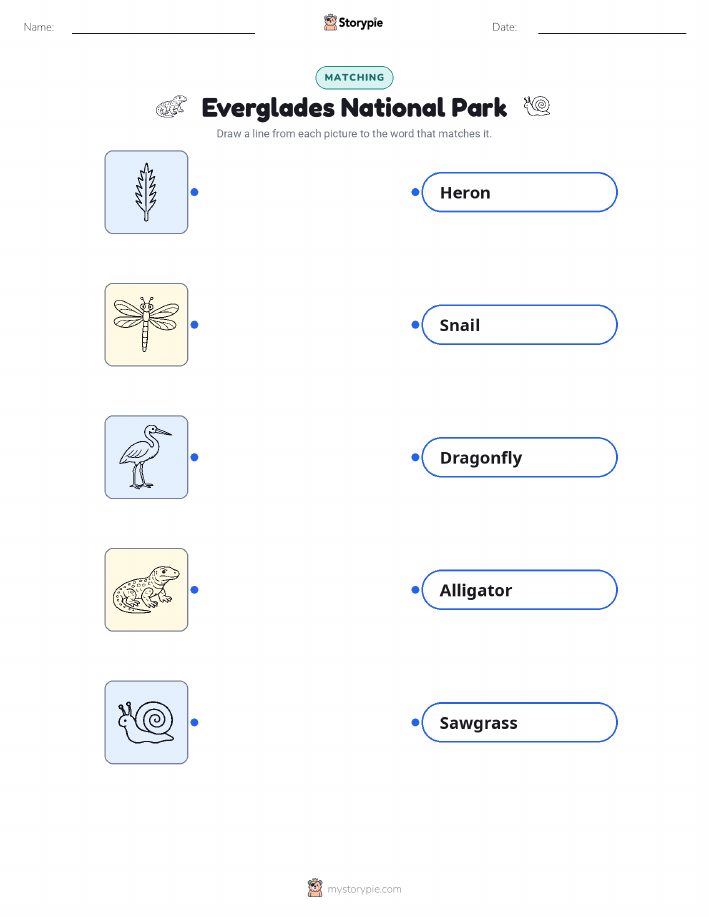
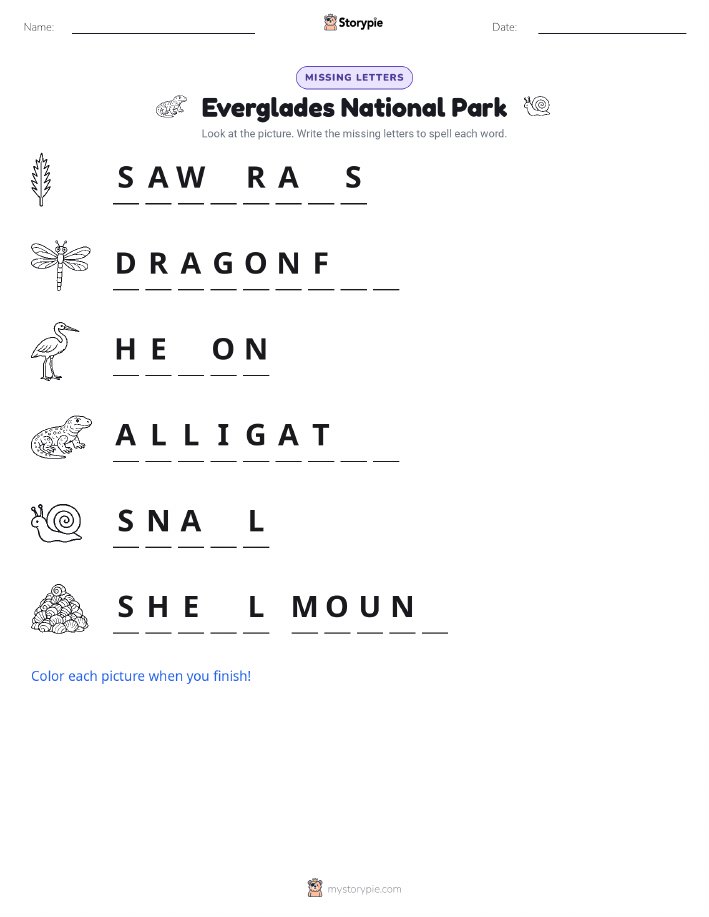
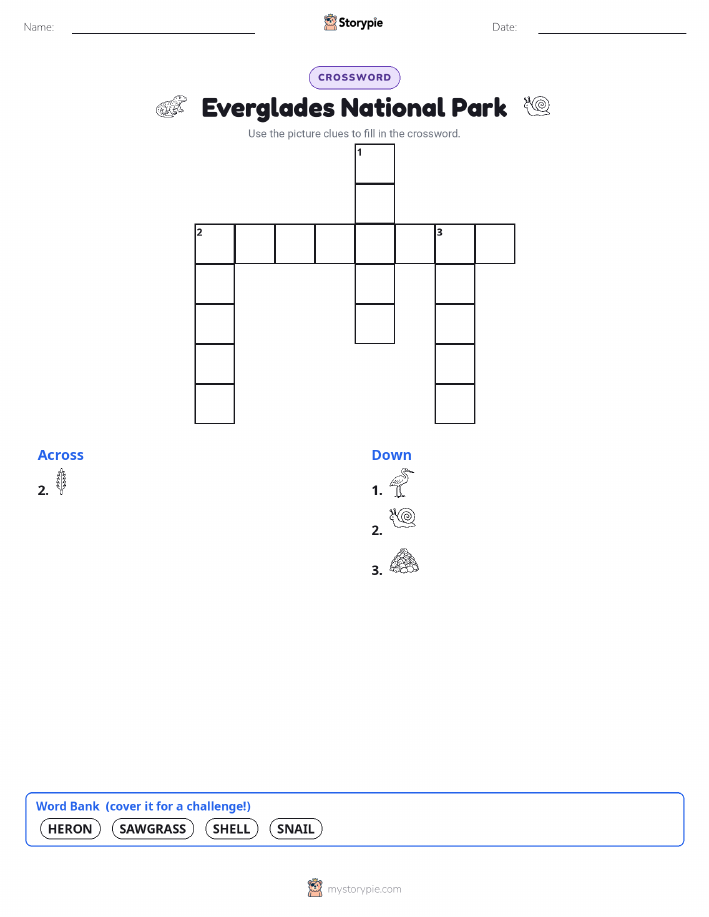
I am not a fast, rushing river. I am wide and slow, a watery prairie covered in tall, sharp-edged sawgrass that rustles in the breeze. I am a quiet place, but if you listen closely, you can hear the splash of an alligator's tail, the call of a bright pink bird, and the gentle buzz of dragonflies. My waters are clear and shallow, stretching as far as you can see under the big, sunny sky. I am a special wetland in the sunny state of Florida, a place full of wonder and life. I am Everglades National Park.
For thousands of years, long before there were big cities, I was home to Native American tribes like the Calusa and the Tequesta. They knew my secrets, building homes on mounds of shells and traveling my waterways in special boats called dugout canoes. I provided them with food to eat and clean water to drink. I am also a home for incredible animals. Sleek, sleepy alligators sunbathe on my banks, gentle manatees swim in my warmer waters, and the shy Florida panther hides among my trees. Colorful birds, like the roseate spoonbill and the great blue heron, wade through my shallows, looking for a fishy snack. I keep all of them safe.
As more people moved to Florida in the early 1900s, they didn't understand how special I was. They thought I was just a swamp and tried to drain my water to build farms and cities. This made my animal and plant families very sick, and I began to shrink. But some people saw my beauty and knew I needed to be protected. A man named Ernest F. Coe started working in 1928 to convince people to save me. Then, a wonderful writer named Marjory Stoneman Douglas wrote a famous book about me in 1947 called 'The Everglades: River of Grass.' Her book helped everyone see that I wasn't a swamp, but a unique, flowing river that was full of life and worth saving.
The River of Grass
I am not a fast, rushing river. I am wide and slow, a watery prairie covered in tall, sharp-edged sawgrass that rustles in the breeze. I am a quiet place, but if you listen closely, you can hear the splash of an alligator's tail, the call of a bright pink bird, and the gentle buzz of dragonflies. My waters are clear and shallow, stretching as far as you can see under the big, sunny sky. I am a special wetland in the sunny state of Florida, a place full of wonder and life. I am Everglades National Park.
For thousands of years, long before there were big cities, I was home to Native American tribes like the Calusa and the Tequesta. They knew my secrets, building homes on mounds of shells and traveling my waterways in special boats called dugout canoes. I provided them with food to eat and clean water to drink. I am also a home for incredible animals. Sleek, sleepy alligators sunbathe on my banks, gentle manatees swim in my warmer waters, and the shy Florida panther hides among my trees. Colorful birds, like the roseate spoonbill and the great blue heron, wade through my shallows, looking for a fishy snack. I keep all of them safe.
As more people moved to Florida in the early 1900s, they didn't understand how special I was. They thought I was just a swamp and tried to drain my water to build farms and cities. This made my animal and plant families very sick, and I began to shrink. But some people saw my beauty and knew I needed to be protected. A man named Ernest F. Coe started working in 1928 to convince people to save me. Then, a wonderful writer named Marjory Stoneman Douglas wrote a famous book about me in 1947 called 'The Everglades: River of Grass.' Her book helped everyone see that I wasn't a swamp, but a unique, flowing river that was full of life and worth saving.
Because of all the people who spoke up for me, a very important thing happened. On December 6th, 1947, President Harry S. Truman made me an official National Park. This was a promise to protect my water, my plants, and my animals forever. Now, I belong to everyone. Today, you can visit me! You can walk on boardwalks above my waters, look for alligators and turtles, and see amazing birds fly overhead. I am a treasure for the whole world, a watery wonderland that teaches everyone how important it is to care for nature. Come listen to my quiet whispers and see the magic of the River of Grass for yourself!
Wow facts
About
A vast and unique wetland ecosystem in South Florida, known as the 'River of Grass.' It is a national park dedicated to preserving the habitat of numerous rare and endangered species.
Take a Quiz
Question 1 of 4
Why did some people try to drain the Everglades in the early 1900s?
Explore next




Want to do even more?
Go beyond exploring. Unlock tools that turn every story into real learning.

Storypie Plus for families
Full stories, quizzes, and printables. Nights and car rides, sorted.
- Unlimited audio stories
- Create Mode: your child stars in the story
- Offline downloads
- Printable worksheets & coloring pages

Why Storypie for Schools
Students engaged. Prep in seconds. Evenings back to you.
- Worksheets & Quizzes
- Classroom Management
- Formative Assessment
- Custom Curriculum & Lesson Plans
- 27 Languages

Why Storypie for Homeschool
Curriculum done. They'll ask for more. Hours back in your day.
- Worksheet Generator
- First-Person Audio Stories
- Built-in Comprehension Quizzes
- Custom Curriculum & Lesson Plans
- Print & Go Activities