

 English

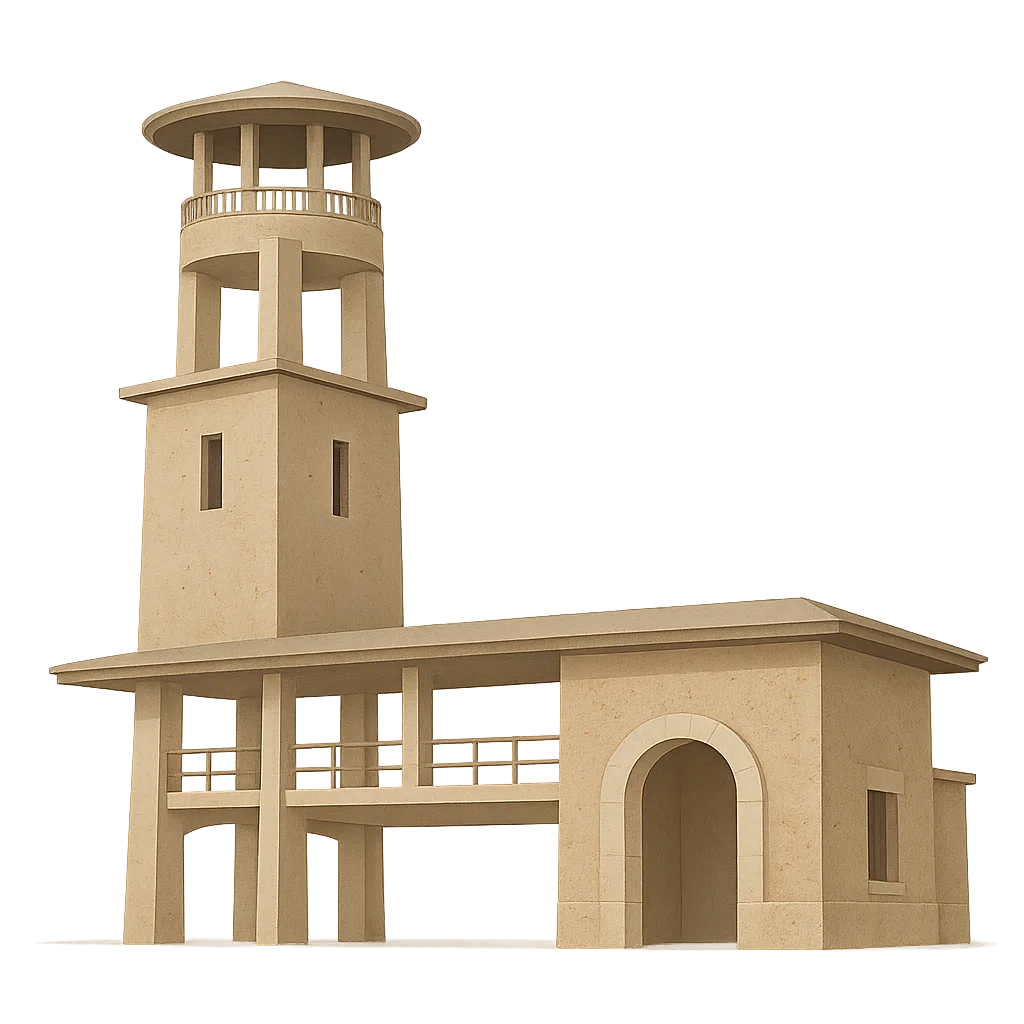
The River of Grass
Imagine a river that isn't made of water, but of endless, shimmering grass. That's me. I stretch for miles under the warm Florida sun, a wide, slow-moving current of sawgrass that tickles the bellies of clouds. My air is thick with the buzz of dragonflies and the hum of mosquitos dancing in the humid air. If you listen closely, you can hear the gentle plop of a fish jumping, or the lonely call of a limpkin. Tall, graceful birds like herons and egrets wade through my shallow waters, their long legs making tiny ripples. I am a secret, watery world, a home to countless creatures who depend on my unique flow. From the silent alligator sunning on a muddy bank to the tiny snail clinging to a blade of grass, all life here is connected. I am a wild and precious place. I am Everglades National Park.
Long before there were roads or cities, I remember the first people who walked my shores. For thousands of years, tribes like the Calusa and the Tequesta made their homes here. They built impressive shell mounds and navigated my watery paths in dugout canoes. They understood my rhythms, my wet seasons and my dry seasons, and lived in harmony with the plants and animals I nurtured. They knew I was not a wasteland, but a source of life. Then, much later, new people began to arrive in the late 1800s. They did not see the beauty in my slow-moving water or understand my delicate balance. They saw a swamp that needed to be tamed and put to use. Starting in the early 1900s, they brought loud machines that dug deep canals to drain my precious water away to the ocean. They wanted to turn my wetlands into dry land for farms and growing cities. My water levels dropped, and my wild heart began to feel sick. The fires that once cleared old plants and helped new ones grow now burned hotter and longer, damaging the peaty soil that had taken centuries to form. Many of my animal families, like the vast flocks of wading birds, began to lose their homes and their food. I was shrinking, and my life was fading.
Just when my future seemed most bleak, some people saw that I was in trouble and decided to become my voice. They fought for me when I could not fight for myself. One of my greatest champions was a man named Ernest F. Coe. He was a landscape designer who saw my unique, wild beauty and knew I was unlike any other place on Earth. Beginning in 1928, he began a long and difficult journey to protect me. He worked tirelessly, writing thousands of letters, giving speeches, and showing people photographs of my wonders. He wanted everyone to see that I was a treasure worth saving, not a swamp to be drained. He spent years trying to convince the government that my landscape was as magnificent as any mountain or canyon. Then came a powerful writer named Marjory Stoneman Douglas. She spent five years exploring my hidden corners, talking to scientists, and learning my secrets. In 1947, she published a famous book she called 'The Everglades: River of Grass'. That title changed everything. It was a simple but brilliant way to help people understand my true nature. I wasn't a stagnant, muddy swamp, but a living, flowing river system, full of life. Her beautiful words painted a picture of my importance and opened the eyes of the world. Because of the hard work of Ernest, Marjory, and many other conservationists who loved me, the United States government finally listened. On May 30th, 1934, they passed a law agreeing that I should be protected forever as a national park. The fight was not over, but it was a very important first step.
The day I will never forget was December 6th, 1947. On that day, the promise to protect me became real. The President of the United States, Harry S. Truman, traveled all the way to Florida to officially declare me a national park. He stood before a crowd of people and spoke about the importance of preserving wild places for future generations. It felt like a great, comforting hug, a promise that I would be kept safe from harm. But my story didn't stop there. As scientists studied me more, they realized just how special I was, not just to America, but to the entire world. In 1976, I was named an International Biosphere Reserve, a place for learning how people and nature can live together. Then, in 1979, I was given one of the highest honors of all. I became a UNESCO World Heritage Site, recognized as a natural treasure for all of humanity, just like the pyramids of Egypt or the Great Barrier Reef.
Today, my wild heart beats stronger, though I still face challenges. I am a place of incredible wonder and endless discovery for everyone who visits. People can glide over my waters on airboats or paddle quietly in kayaks, watching alligators soak up the warm sun on my banks. They can see graceful herons and anhingas hunting for fish in the clear water, and sometimes, if they are lucky, they might spot a gentle manatee swimming slowly in my canals. I am a living classroom, teaching every visitor about the delicate web of life and how important it is to protect our planet's wild places. I am a reminder that even the quietest landscapes have the most powerful stories to tell. My story is one of survival against the odds, of hope, and of the enduring, beautiful power of nature. I am here to inspire you to listen to the whispers of the wild.
Activities
Take a Quiz
Test what you learned with a fun quiz!
Get creative with colors!
Print a coloring book page of this topic.









 Free for Educators