English

Ischigualasto
Ischigualasto Provincial Park, also known as the Valley of the Moon, is a protected area in San Juan…
Reads at Grades 6–8 Listens at Grades 4–8
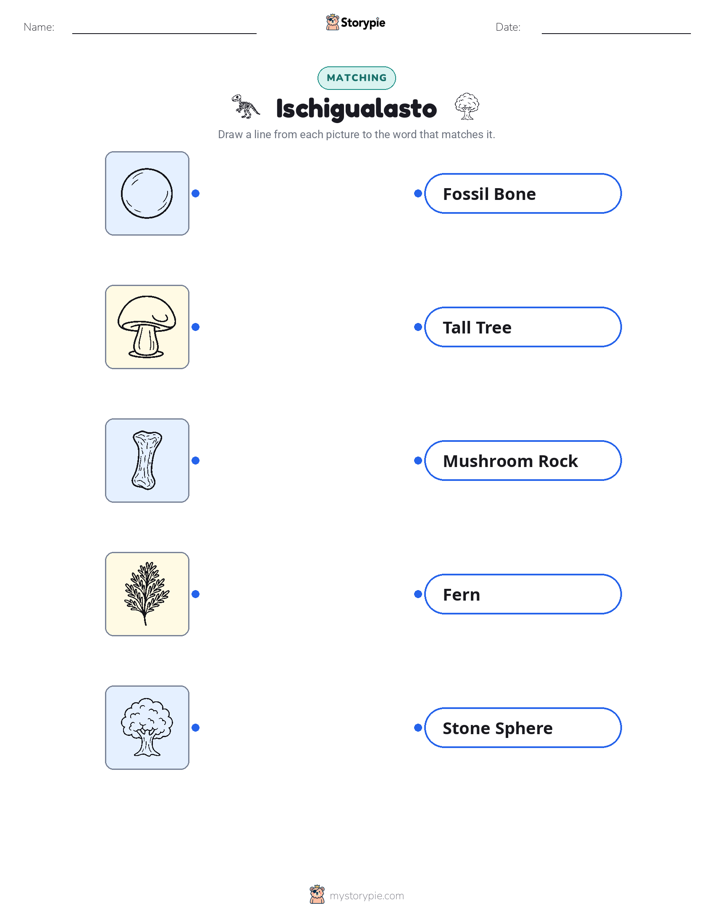
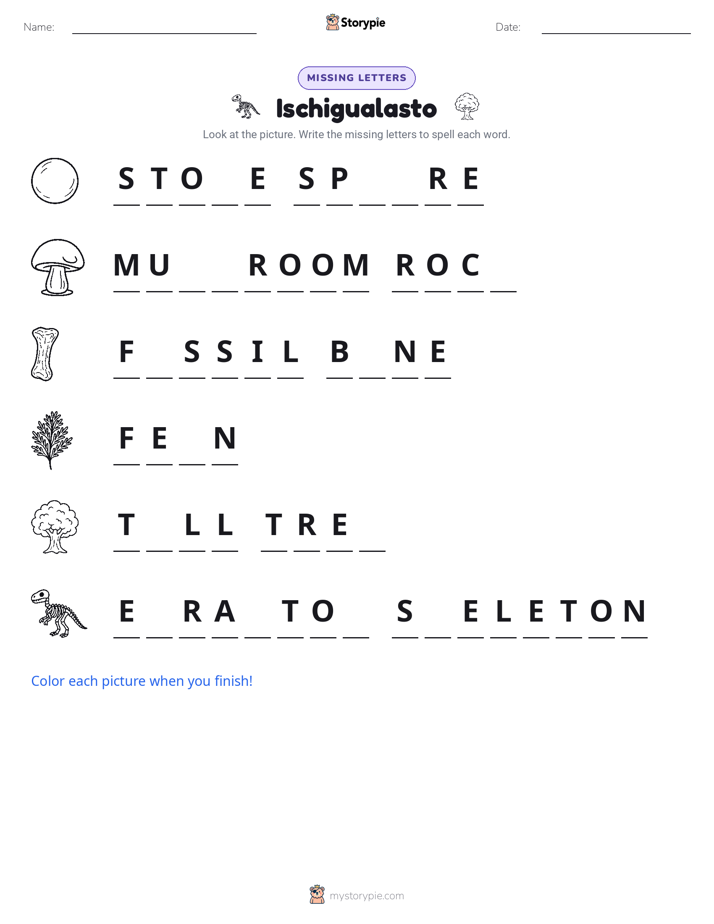
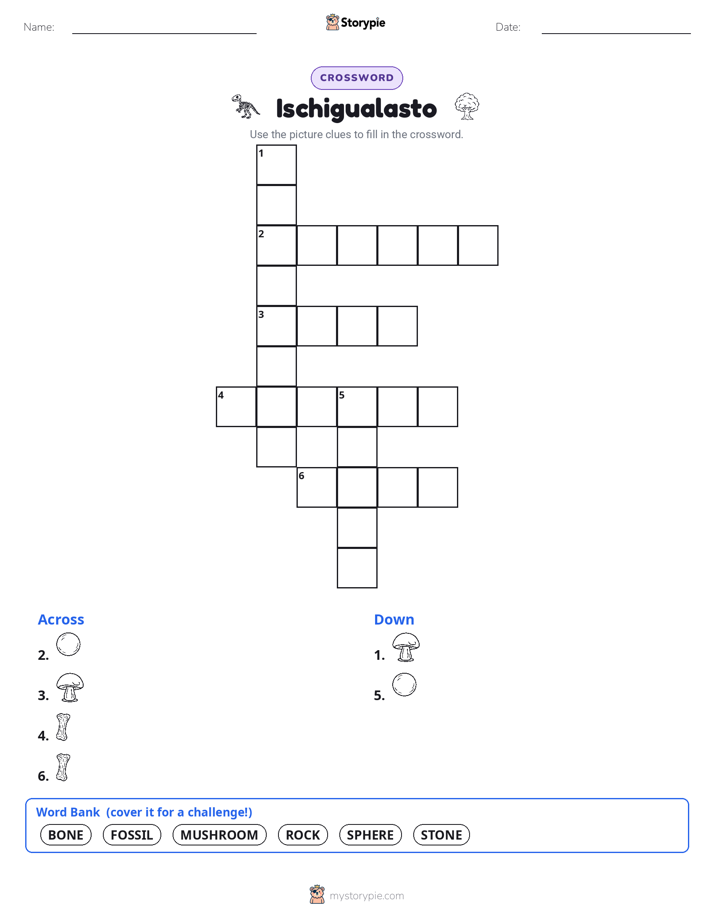
Print & create
Answer keys·No prep·Free with an account
28 worksheets · answer keys · full story · quiz · Ages 10-12 · CEFR B2
Plus adds 208,000+ more stories in 27 languages, audio for every one, and printables for all of them.
Just want Ischigualasto?
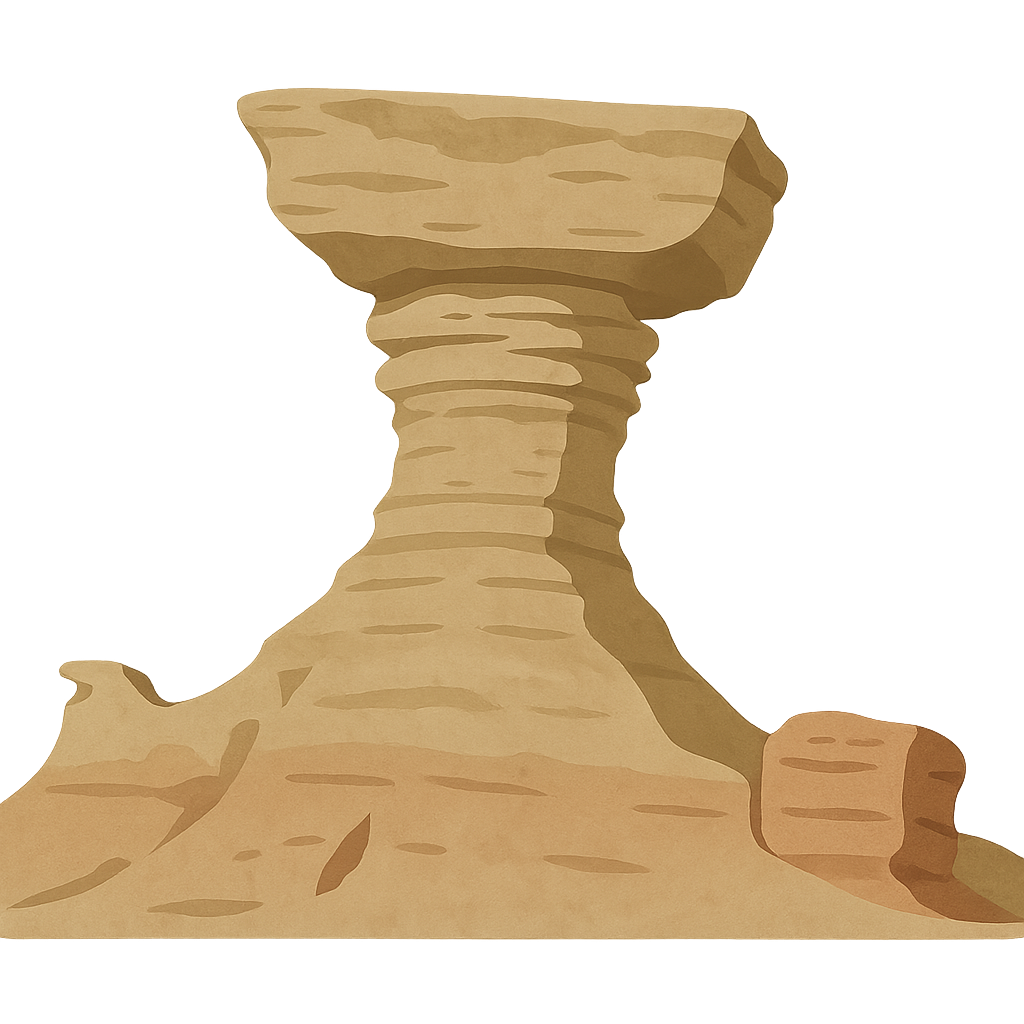
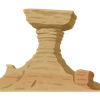
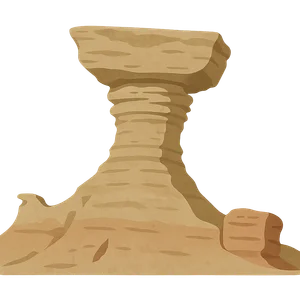
Imagine a place where the air is dry and the silence is so deep you can almost hear the earth breathing. All around you, the ground is sculpted into strange and wonderful shapes. Giant stone spheres that look like bowling balls for giants rest on the dusty red soil. Other rocks rise up like giant mushrooms or the periscopes of submarines peeking out from a forgotten sea. The landscape is a painting of reds, grays, and whites, stretching out under a vast, clear sky. It is a quiet place, where the wind whispers stories of a time long before people, a time when the world was new. The secrets here are not just on the surface. they are buried deep beneath my dusty skin, waiting for the curious and the patient to find them. Some people who visit me call me the Valley of the Moon because my landscape looks like it belongs on another world. But my true name is Ischigualasto, a place that holds the memory of the dawn of dinosaurs.
Today I am a desert in the San Juan province of Argentina, but I was not always this way. Travel back with me, far back in time to the Triassic Period, around 231 million years ago. The air then was thick and humid, and I was not red and dusty, but a vibrant, green floodplain. Great rivers snaked across my surface, feeding lush forests of ferns and strange, tall trees. I was alive with sound and movement. My first residents were some of the most fascinating creatures the world has ever known. This was the moment when dinosaurs were just taking their first steps, and they took them here. The speedy Eoraptor, no bigger than a large dog, darted through the undergrowth, while the fierce Herrerasaurus, one of the first large predatory dinosaurs, hunted along the riverbanks. But they were not alone. I was also home to other strange animals, like the rhynchosaurs, which were stocky plant-eaters with powerful beaks perfect for digging up roots. And scurrying beneath the feet of the giants were the cynodonts, creatures that looked a bit like scaly dogs. They were not dinosaurs, but they were special because they were ancient relatives of all mammals, including you. For millions of years, this green world thrived. But planets change. The climate grew hotter and drier. My rivers began to shrink, and the lush ferns withered. Over vast stretches of time, layers of mud, sand, and volcanic ash blew over my plains, covering everything. My ancient residents were tucked into a deep sleep beneath the earth, and as the millennia passed, the pressure of the layers above turned their bones to stone.
Ischigualasto: The Valley of the Moon
Imagine a place where the air is dry and the silence is so deep you can almost hear the earth breathing. All around you, the ground is sculpted into strange and wonderful shapes. Giant stone spheres that look like bowling balls for giants rest on the dusty red soil. Other rocks rise up like giant mushrooms or the periscopes of submarines peeking out from a forgotten sea. The landscape is a painting of reds, grays, and whites, stretching out under a vast, clear sky. It is a quiet place, where the wind whispers stories of a time long before people, a time when the world was new. The secrets here are not just on the surface. they are buried deep beneath my dusty skin, waiting for the curious and the patient to find them. Some people who visit me call me the Valley of the Moon because my landscape looks like it belongs on another world. But my true name is Ischigualasto, a place that holds the memory of the dawn of dinosaurs.
Today I am a desert in the San Juan province of Argentina, but I was not always this way. Travel back with me, far back in time to the Triassic Period, around 231 million years ago. The air then was thick and humid, and I was not red and dusty, but a vibrant, green floodplain. Great rivers snaked across my surface, feeding lush forests of ferns and strange, tall trees. I was alive with sound and movement. My first residents were some of the most fascinating creatures the world has ever known. This was the moment when dinosaurs were just taking their first steps, and they took them here. The speedy Eoraptor, no bigger than a large dog, darted through the undergrowth, while the fierce Herrerasaurus, one of the first large predatory dinosaurs, hunted along the riverbanks. But they were not alone. I was also home to other strange animals, like the rhynchosaurs, which were stocky plant-eaters with powerful beaks perfect for digging up roots. And scurrying beneath the feet of the giants were the cynodonts, creatures that looked a bit like scaly dogs. They were not dinosaurs, but they were special because they were ancient relatives of all mammals, including you. For millions of years, this green world thrived. But planets change. The climate grew hotter and drier. My rivers began to shrink, and the lush ferns withered. Over vast stretches of time, layers of mud, sand, and volcanic ash blew over my plains, covering everything. My ancient residents were tucked into a deep sleep beneath the earth, and as the millennia passed, the pressure of the layers above turned their bones to stone.
For centuries, my stone bones lay sleeping. The local people who lived nearby, ranchers like Victorino Herrera, knew about them. They would sometimes see the strange, heavy shapes weathering out of the rock, but the full story remained a secret. Everything changed in 1958. That year, a brilliant American paleontologist named Dr. Alfred S. Romer heard whispers of the fossils found here and led an expedition to my quiet valley. He and his team could hardly believe what they saw. It was a fossil treasure trove. Unlike other places where fossils from different eras were jumbled together, my rock layers were perfectly preserved, a clear timeline of one specific, mysterious chapter in Earth's history: the late Triassic. The world of science was buzzing with excitement. But the most incredible discovery was yet to come. On a hot day in 1991, an Argentine paleontologist named Ricardo Martinez and his team were carefully exploring one of my canyons. There, they found something breathtaking: a nearly perfect skeleton of one of the earliest dinosaurs ever discovered. It was small, but it was a key piece of the puzzle of dinosaur evolution. They named it Eoraptor lunensis, which means the 'dawn plunderer from the Valley of the Moon,' a name given in my honor. The work was slow and careful. The paleontologists were like detectives, using tiny brushes and delicate tools to free the fossils from their stone beds. Every bone they uncovered was another word, another sentence in the story I had been waiting millions of years to tell.
My story is not just for scientists. it is for everyone. In recognition of my importance to all of humanity, I was named a UNESCO World Heritage Site on November 29th, 2000. This special title means I am protected so that people for generations to come can learn from me. I am a library written in stone, where every layer of rock is a different page, and every fossil is a chapter in the epic of life on Earth. Scientists from every corner of the globe visit me to read these pages. They study my fossils to understand how the first dinosaurs lived, how they evolved, and how the world they inhabited changed. The clues I hold help us understand not just the past, but the forces that continue to shape our planet today. I am more than just a valley of strange rocks. I am a keeper of stories, a window into a lost world. When you see my fossils, you are shaking hands with the distant past, connecting to a time so ancient it is hard to imagine. I hope my story inspires you to stay curious, to ask big questions about the world around you, and to remember the incredible, long, and wonderful story of our planet.
Wow facts
About
Ischigualasto Provincial Park, also known as the Valley of the Moon, is a protected area in San Juan, Argentina, famous for containing one of the most significant fossil records from the Late Triassic Period.
Take a Quiz
Question 1 of 5
In your own words, summarize why Ischigualasto is so important for scientists studying the age of dinosaurs.
Explore next





Want to do even more?
Go beyond exploring. Unlock tools that turn every story into real learning.

Storypie Plus for families
Full stories, quizzes, and printables. Nights and car rides, sorted.
- Unlimited audio stories
- Create Mode: your child stars in the story
- Offline downloads
- Printable worksheets & coloring pages

Why Storypie for Schools
Students engaged. Prep in seconds. Evenings back to you.
- Worksheets & Quizzes
- Classroom Management
- Formative Assessment
- Custom Curriculum & Lesson Plans
- 27 Languages

Why Storypie for Homeschool
Curriculum done. They'll ask for more. Hours back in your day.
- Worksheet Generator
- First-Person Audio Stories
- Built-in Comprehension Quizzes
- Custom Curriculum & Lesson Plans
- Print & Go Activities