English

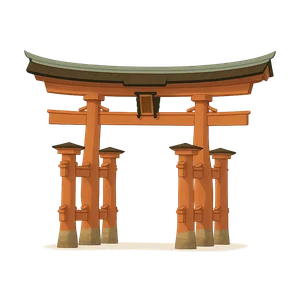
Itsukushima Shrine
A Shinto shrine on the island of Itsukushima (Miyajima) in Japan…
Reads at Grades 6–8 Listens at Grades 4–8
Print & create
Answer keys·No prep·Free with an account
28 worksheets · answer keys · full story · quiz · Ages 10-12 · CEFR B2
Plus adds 164,000+ more stories in 27 languages, audio for every one, and printables for all of them.
Just want Itsukushima Shrine?
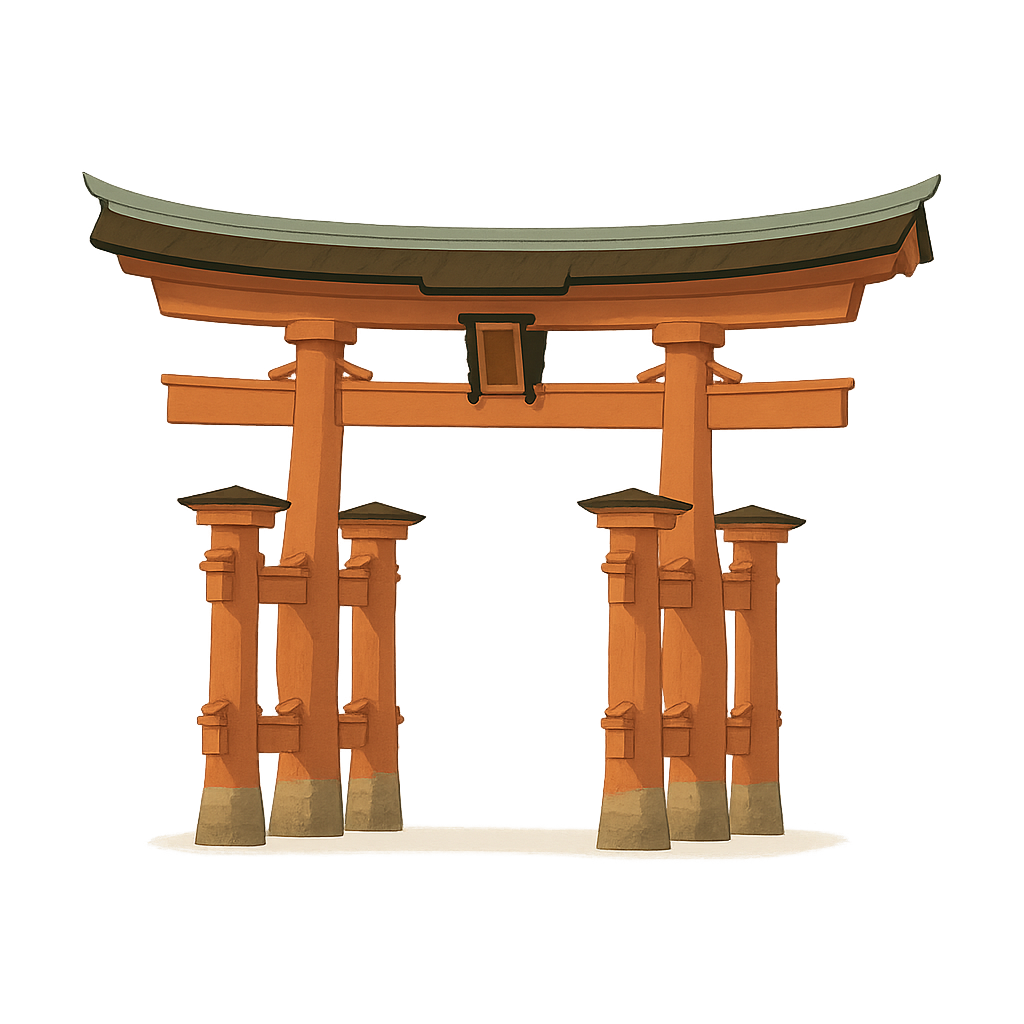
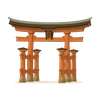
Imagine the gentle rhythm of waves lapping beneath your feet, not on a boat, but inside a sacred hall. The air you breathe is crisp with the scent of salt and ancient cypress wood. Before you, a magnificent gate, painted a brilliant vermilion red, appears to float weightlessly on the shimmering surface of the sea. This is the first sight that greets most visitors, a vision that blurs the line between the earth and the ocean. My home is an island where friendly, wild deer roam freely, sometimes bowing their heads as if in greeting. They are considered messengers of the gods, and they wander my corridors and courtyards as if they own them. I am located on the sacred island of Itsukushima, a place so beautiful it is more often called Miyajima, or “Shrine Island,” in Japan’s beautiful Seto Inland Sea. For centuries, I have rested here in the tidal flats, a complex of wooden halls and covered walkways that rise out of the water. I am a testament to a deep respect for the world around me, a place of profound peace that connects the human spirit to the power of nature. I am Itsukushima Shrine, a bridge between the world of humans and the world of the divine.
My story begins many centuries ago, in a time of emperors and empresses. The first, simpler versions of me were constructed here around the year 593 CE, during the reign of Japan’s first empress, Suiko. From the very beginning, my location was chosen with incredible care and deep spiritual purpose. You see, the entire island of Itsukushima was considered a god, a powerful spirit or 'kami' in the Shinto faith. It was a place of such immense sanctity that common people were not allowed to set foot upon its soil, for fear of desecrating it. To build a shrine on the island itself would have been unthinkable. So, my visionary founders devised a clever and beautiful solution. They built me on sturdy pillars over the tidal bay. This way, I could be a home for the gods without disturbing the sacred land of the island god. I was built to honor three powerful goddesses of the sea, the daughters of the storm god, who have always been worshiped as protectors of sailors, fishermen, and the imperial family. My unique over-water design is a perfect expression of the Shinto belief in living in harmony with nature, a physical representation of reverence for the world’s spirit.
The Floating Shrine of Itsukushima
Imagine the gentle rhythm of waves lapping beneath your feet, not on a boat, but inside a sacred hall. The air you breathe is crisp with the scent of salt and ancient cypress wood. Before you, a magnificent gate, painted a brilliant vermilion red, appears to float weightlessly on the shimmering surface of the sea. This is the first sight that greets most visitors, a vision that blurs the line between the earth and the ocean. My home is an island where friendly, wild deer roam freely, sometimes bowing their heads as if in greeting. They are considered messengers of the gods, and they wander my corridors and courtyards as if they own them. I am located on the sacred island of Itsukushima, a place so beautiful it is more often called Miyajima, or “Shrine Island,” in Japan’s beautiful Seto Inland Sea. For centuries, I have rested here in the tidal flats, a complex of wooden halls and covered walkways that rise out of the water. I am a testament to a deep respect for the world around me, a place of profound peace that connects the human spirit to the power of nature. I am Itsukushima Shrine, a bridge between the world of humans and the world of the divine.
My story begins many centuries ago, in a time of emperors and empresses. The first, simpler versions of me were constructed here around the year 593 CE, during the reign of Japan’s first empress, Suiko. From the very beginning, my location was chosen with incredible care and deep spiritual purpose. You see, the entire island of Itsukushima was considered a god, a powerful spirit or 'kami' in the Shinto faith. It was a place of such immense sanctity that common people were not allowed to set foot upon its soil, for fear of desecrating it. To build a shrine on the island itself would have been unthinkable. So, my visionary founders devised a clever and beautiful solution. They built me on sturdy pillars over the tidal bay. This way, I could be a home for the gods without disturbing the sacred land of the island god. I was built to honor three powerful goddesses of the sea, the daughters of the storm god, who have always been worshiped as protectors of sailors, fishermen, and the imperial family. My unique over-water design is a perfect expression of the Shinto belief in living in harmony with nature, a physical representation of reverence for the world’s spirit.
For hundreds of years, I was a quiet, local place of worship. But in the 12th century, my destiny changed forever, thanks to the devotion of one of the most powerful men in Japanese history. His name was Taira no Kiyomori, a brilliant and ambitious military leader who, through skill and strategy, rose to become the de facto ruler of Japan. Kiyomori held a deep and personal belief that his incredible success was a gift from the three goddesses I serve. To express his profound gratitude and to display his immense power and wealth, he decided to transform me. Around the year 1168 CE, he funded my complete reconstruction, turning me into the grand, elegant complex you see today. My design was modeled after the aristocratic palaces of the Heian period, known as Shinden-zukuri style. Long, covered corridors connect my main prayer hall, offering hall, and even a stage for sacred performances, all perched gracefully above the waves. It was Kiyomori who also commissioned the first of my great 'floating' torii gates, the iconic symbol I am known for throughout the world. His patronage elevated me from a humble provincial shrine into a nationally renowned center of worship and a destination for imperial pilgrimages, forever cementing my place in history.
Being a marvel of architecture built over the sea is my greatest beauty, but it is also my greatest vulnerability. Over my long life, I have had to stand strong against the awesome power of nature. The ocean that cradles me can also turn into a raging force. I have been struck by fierce typhoons that sent waves crashing through my corridors and have endured devastating fires that threatened to consume my wooden halls. History records many of these struggles. For example, a terrible fire swept through some of my main buildings in the year 1207, requiring significant repairs. Later, in 1325, a massive typhoon roared through the Seto Inland Sea, causing tremendous damage to my structure. My famous great torii gate, standing exposed to the elements, has faced the worst of it. It has been rebuilt eight times since Taira no Kiyomori first erected it. The strong and beautiful gate that visitors admire today was completed in 1875, made from camphor wood that is naturally resistant to decay. Each time I was damaged, however, dedicated people from all walks of life worked together to rebuild me, painstakingly restoring me to my original elegance. This constant cycle of damage and renewal is a testament to the enduring love and respect the people of Japan have for me.
My journey through time has brought me into the modern world, where my story is now shared with all of humanity. On December 8th, 1996, I received one of the highest honors a historical place can achieve. I was designated a UNESCO World Heritage Site, a recognition of my outstanding cultural value to the entire world. Today, I welcome visitors from every corner of the globe. They come to witness the magic of the tides. At high tide, they marvel as I, along with my great torii gate, seem to float on a vast, shimmering mirror of water, creating a breathtaking, otherworldly scene. When the tide recedes, a new experience awaits. The seabed is exposed, and visitors can walk right out onto the sand and stand in awe beneath the immense vermilion gate, touching its massive pillars. I am more than just an ancient structure. I am a living work of art, a spiritual sanctuary, and a symbol of peace. I float between sea and sky, a timeless reminder of the sublime beauty that is created when humans work in perfect harmony with nature, inspiring tranquility and wonder in all who come to visit.
Wow facts
About
A Shinto shrine on the island of Itsukushima (Miyajima) in Japan, famous for its 'floating' torii gate which stands in the sea during high tide.
Take a Quiz
Question 1 of 5
Retell the story of how Itsukushima Shrine was transformed in the 12th century, including who was responsible and why they did it.
Explore next






Want to do even more?
Go beyond exploring. Unlock tools that turn every story into real learning.

Storypie Plus for families
Full stories, quizzes, and printables. Nights and car rides, sorted.
- Unlimited audio stories
- Create Mode: your child stars in the story
- Offline downloads
- Printable worksheets & coloring pages

Why Storypie for Schools
Students engaged. Prep in seconds. Evenings back to you.
- Worksheets & Quizzes
- Classroom Management
- Formative Assessment
- Custom Curriculum & Lesson Plans
- 27 Languages

Why Storypie for Homeschool
Curriculum done. They'll ask for more. Hours back in your day.
- Worksheet Generator
- First-Person Audio Stories
- Built-in Comprehension Quizzes
- Custom Curriculum & Lesson Plans
- Print & Go Activities