English

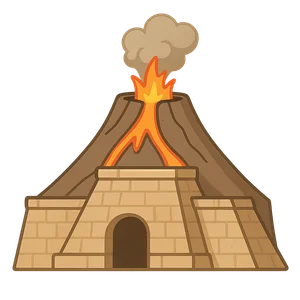
Kīlauea
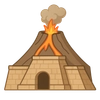
Kīlauea is one of the world's most active shield volcanoes, located on the Big Island of Hawaiʻi.
Reads at Grades 3–5 Listens at Grades 1–5
Print & create
Answer keys·No prep·Free with an account
28 worksheets · answer keys · full story · quiz · Ages 8-10 · CEFR B1
Plus adds 208,000+ more stories in 27 languages, audio for every one, and printables for all of them.
Just want Kīlauea?
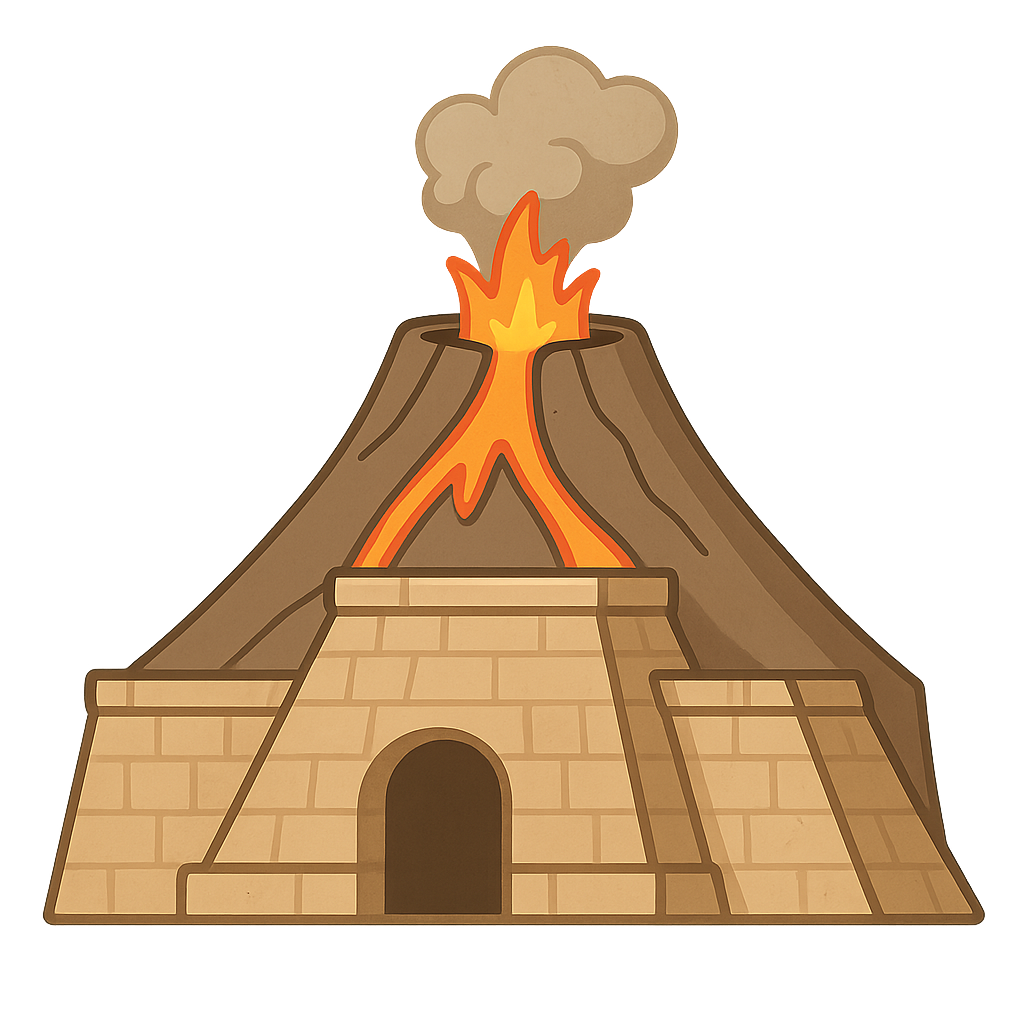
Imagine a warmth that comes not from the sun, but from deep within the earth. It rises in shimmering waves from cracks in the dark, rocky ground, carrying a sharp smell like a giant’s struck match. At night, you can see a brilliant orange glow painting the clouds above, a secret fire burning in the heart of a mountain. I rest on a beautiful island in the middle of the vast Pacific Ocean, and I am one of the youngest and most active mountains of my kind in the whole world. I am the volcano Kīlauea. For centuries, the people of Hawaiʻi have known me as the home of Pele, the powerful goddess of volcanoes and fire. They don’t see me as just a pile of rock; they see me as a sacred place, a source of creation and power. They have always treated me with great respect and awe, listening to my rumbles and watching my fiery displays, understanding that I am a living part of their world.
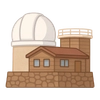
My story didn’t begin on land. It started deep, deep down on the floor of the Pacific Ocean, where a hot spot in the Earth’s crust pushed melted rock, called magma, upward. Over thousands of years, flows of this hot rock, which is called lava when it reaches the surface, cooled and hardened, one on top of the other. Slowly, I grew, building myself up from the dark depths. About 100,000 years ago, my peak finally broke through the waves and I breathed the ocean air for the first time. For a long while, it was just me, the sea, and the sky. Then, I saw something new on the horizon. Around the year 400, brave Polynesian navigators in great double-hulled canoes found this island chain and made it their home. They learned to live with my fiery personality, farming on my rich slopes. Centuries later, people from faraway lands arrived with a new kind of curiosity. A scientist named Thomas A. Jaggar was especially fascinated by my power. He wanted to study my rumblings and my rivers of lava up close, so on January 17th, 1912, he founded the Hawaiian Volcano Observatory right on my rim. For the first time, scientists could watch my every move. On January 3rd, 1983, one of my longest creative periods began. For 35 years, a vent on my side named Puʻu ʻŌʻō sent out a steady river of lava. It wasn't just an eruption; it was a construction project, adding hundreds of acres of new land to the island. But I am always changing. In 2018, the lava lake at my summit drained away, causing the giant crater at my top to collapse in a series of powerful earthquakes. At the same time, new eruptions broke out far down my side, reshaping the coastline and reminding everyone that I am a living, breathing force of nature.
The Mountain That Breathes
Imagine a warmth that comes not from the sun, but from deep within the earth. It rises in shimmering waves from cracks in the dark, rocky ground, carrying a sharp smell like a giant’s struck match. At night, you can see a brilliant orange glow painting the clouds above, a secret fire burning in the heart of a mountain. I rest on a beautiful island in the middle of the vast Pacific Ocean, and I am one of the youngest and most active mountains of my kind in the whole world. I am the volcano Kīlauea. For centuries, the people of Hawaiʻi have known me as the home of Pele, the powerful goddess of volcanoes and fire. They don’t see me as just a pile of rock; they see me as a sacred place, a source of creation and power. They have always treated me with great respect and awe, listening to my rumbles and watching my fiery displays, understanding that I am a living part of their world.
My story didn’t begin on land. It started deep, deep down on the floor of the Pacific Ocean, where a hot spot in the Earth’s crust pushed melted rock, called magma, upward. Over thousands of years, flows of this hot rock, which is called lava when it reaches the surface, cooled and hardened, one on top of the other. Slowly, I grew, building myself up from the dark depths. About 100,000 years ago, my peak finally broke through the waves and I breathed the ocean air for the first time. For a long while, it was just me, the sea, and the sky. Then, I saw something new on the horizon. Around the year 400, brave Polynesian navigators in great double-hulled canoes found this island chain and made it their home. They learned to live with my fiery personality, farming on my rich slopes. Centuries later, people from faraway lands arrived with a new kind of curiosity. A scientist named Thomas A. Jaggar was especially fascinated by my power. He wanted to study my rumblings and my rivers of lava up close, so on January 17th, 1912, he founded the Hawaiian Volcano Observatory right on my rim. For the first time, scientists could watch my every move. On January 3rd, 1983, one of my longest creative periods began. For 35 years, a vent on my side named Puʻu ʻŌʻō sent out a steady river of lava. It wasn't just an eruption; it was a construction project, adding hundreds of acres of new land to the island. But I am always changing. In 2018, the lava lake at my summit drained away, causing the giant crater at my top to collapse in a series of powerful earthquakes. At the same time, new eruptions broke out far down my side, reshaping the coastline and reminding everyone that I am a living, breathing force of nature.
Today, I am the heart of a very special place. On August 1st, 1916, people created Hawaiʻi Volcanoes National Park to protect me and the unique plants and animals that live on my slopes. This allows people from all over the world to visit safely and witness the power of creation firsthand. The observatory that Thomas Jaggar started is still here, and scientists see me as a living laboratory. By studying my lava and my tremors, they learn about how our Earth was formed and even how other planets might be built. I am a window into the very beginning of worlds. I am more than just rock and fire. I am a creator, constantly adding to the world. I am a teacher, showing the awesome and beautiful power that shapes our planet. And for the people of Hawaiʻi, I am a sacred place that connects them to their ancestors and the deep, powerful story of our living Earth.
Wow facts
About
Kīlauea is one of the world's most active shield volcanoes, located on the Big Island of Hawaiʻi. It is a sacred place in Hawaiian culture, associated with the goddess Pele, and a site of continuous geological creation and scientific study.
Take a Quiz
Question 1 of 5
In the story, Kīlauea says it is a 'living laboratory.' What does this phrase mean?
Explore next



Want to do even more?
Go beyond exploring. Unlock tools that turn every story into real learning.

Storypie Plus for families
Full stories, quizzes, and printables. Nights and car rides, sorted.
- Unlimited audio stories
- Create Mode: your child stars in the story
- Offline downloads
- Printable worksheets & coloring pages

Why Storypie for Schools
Students engaged. Prep in seconds. Evenings back to you.
- Worksheets & Quizzes
- Classroom Management
- Formative Assessment
- Custom Curriculum & Lesson Plans
- 27 Languages

Why Storypie for Homeschool
Curriculum done. They'll ask for more. Hours back in your day.
- Worksheet Generator
- First-Person Audio Stories
- Built-in Comprehension Quizzes
- Custom Curriculum & Lesson Plans
- Print & Go Activities