English

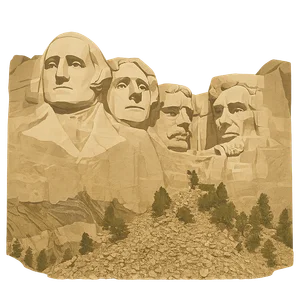
Mount Rushmore National Memorial
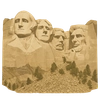
Mount Rushmore National Memorial is a massive sculpture carved into a granite mountain in the Black Hills of…
Reads at Grades 6–8 Listens at Grades 4–8
Print & create
Answer keys·No prep·Free with an account
28 worksheets · answer keys · full story · quiz · Ages 10-12 · CEFR B2
Plus adds 208,000+ more stories in 27 languages, audio for every one, and printables for all of them.
Just want Mount Rushmore National Memorial?
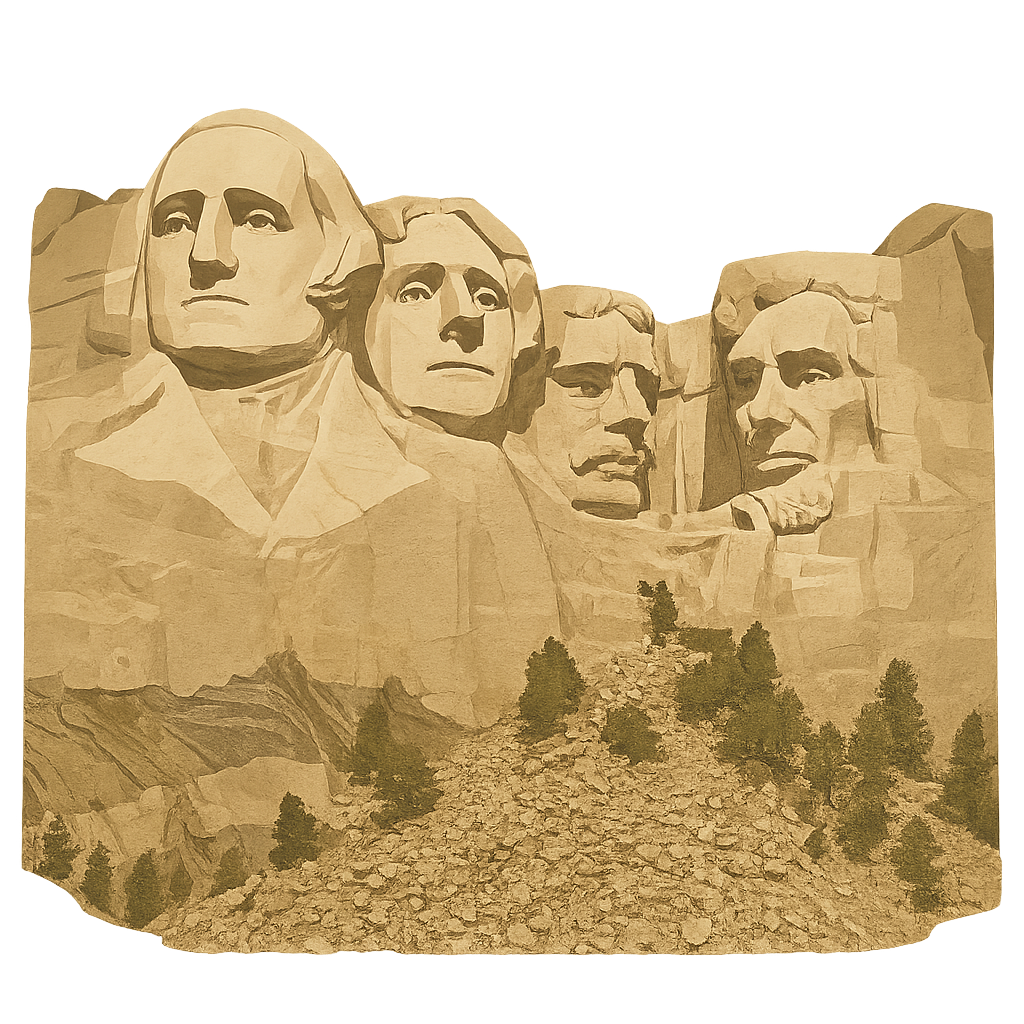
For millions of years, I stood silent, a solid peak of granite watching the world change. I felt the warmth of the sun on my stone shoulders and the chill of winter snows settling in my crevices. I am part of the Black Hills of South Dakota, a land that is ancient and sacred to the Lakota Sioux people, who have always called this place Paha Sapa. For generations, they looked to my peaks as a place of spiritual importance. Then, less than a century ago, a new story began to be written upon my face. Now, four giant, silent figures gaze out from my stone, sixty feet tall, their eyes fixed on the horizon. They watch over the forests of ponderosa pine and the vast plains that stretch beyond. They are a testament to a nation's history, carved with dynamite and dreams into my very being. I am Mount Rushmore National Memorial.
My transformation began not with a chisel, but with an idea. In 1923, a state historian named Doane Robinson dreamed of creating a massive work of art that would bring visitors to South Dakota. He imagined carving the likenesses of Western heroes, like Lewis and Clark, into the nearby granite spires. But when he hired a sculptor named Gutzon Borglum in 1925, the dream grew much larger. Borglum had a grander vision. He didn’t just want to celebrate the West; he wanted to capture the very spirit of America. He proposed sculpting the faces of four presidents who, he felt, represented the nation's most important ideals. He chose George Washington to symbolize the country's birth and independence. He selected Thomas Jefferson to represent its growth, as Jefferson had doubled the nation's size with the Louisiana Purchase. Abraham Lincoln was chosen to represent the preservation of the nation through the turmoil of the Civil War. Finally, Theodore Roosevelt was selected to symbolize the country's development, for his work in conservation and the building of the Panama Canal. It was a bold, ambitious plan to turn a mountain into a monument.
The Faces on the Mountain
For millions of years, I stood silent, a solid peak of granite watching the world change. I felt the warmth of the sun on my stone shoulders and the chill of winter snows settling in my crevices. I am part of the Black Hills of South Dakota, a land that is ancient and sacred to the Lakota Sioux people, who have always called this place Paha Sapa. For generations, they looked to my peaks as a place of spiritual importance. Then, less than a century ago, a new story began to be written upon my face. Now, four giant, silent figures gaze out from my stone, sixty feet tall, their eyes fixed on the horizon. They watch over the forests of ponderosa pine and the vast plains that stretch beyond. They are a testament to a nation's history, carved with dynamite and dreams into my very being. I am Mount Rushmore National Memorial.
My transformation began not with a chisel, but with an idea. In 1923, a state historian named Doane Robinson dreamed of creating a massive work of art that would bring visitors to South Dakota. He imagined carving the likenesses of Western heroes, like Lewis and Clark, into the nearby granite spires. But when he hired a sculptor named Gutzon Borglum in 1925, the dream grew much larger. Borglum had a grander vision. He didn’t just want to celebrate the West; he wanted to capture the very spirit of America. He proposed sculpting the faces of four presidents who, he felt, represented the nation's most important ideals. He chose George Washington to symbolize the country's birth and independence. He selected Thomas Jefferson to represent its growth, as Jefferson had doubled the nation's size with the Louisiana Purchase. Abraham Lincoln was chosen to represent the preservation of the nation through the turmoil of the Civil War. Finally, Theodore Roosevelt was selected to symbolize the country's development, for his work in conservation and the building of the Panama Canal. It was a bold, ambitious plan to turn a mountain into a monument.
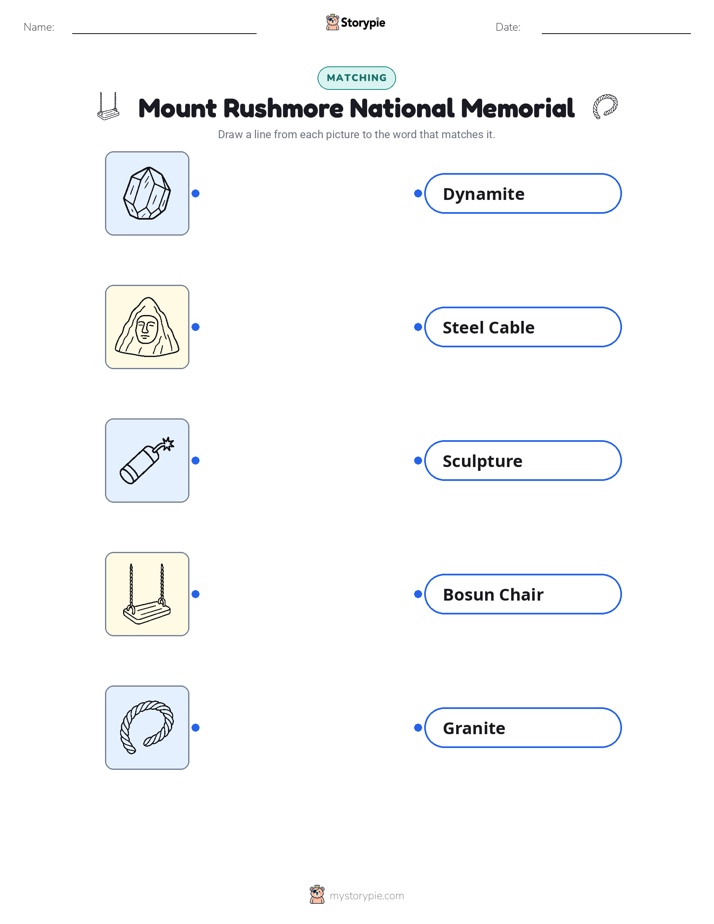
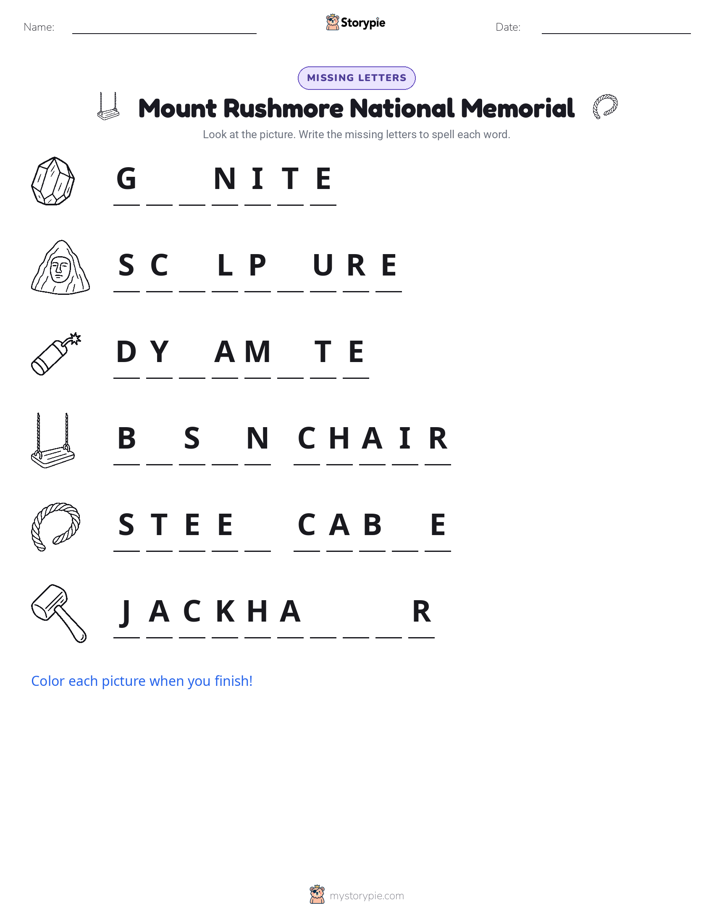
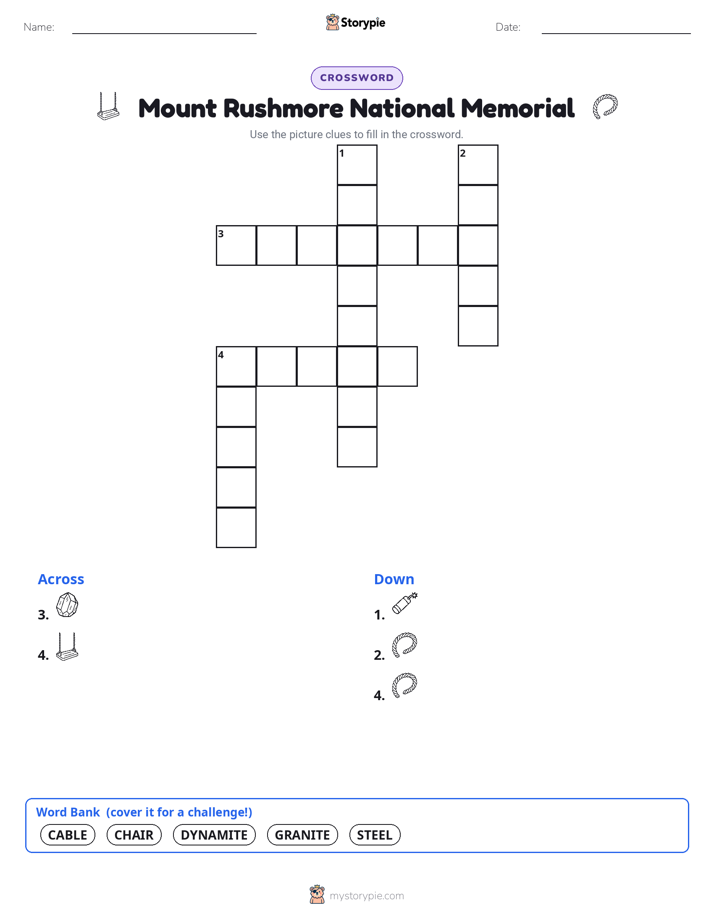
Carving a mountain is not a quiet or simple task. The monumental work began on October 4th, 1927. For the next fourteen years, nearly 400 workers dedicated themselves to this enormous challenge. They dangled from the side of my cliffs in special chairs called bosun chairs, suspended by thick steel cables. To remove the immense amount of rock, they used dynamite. In fact, over ninety percent of the granite was blasted away with carefully placed explosives. After the blasts, workers used tools like jackhammers and drills to create a delicate surface of tiny holes, a process called honeycombing. Then, with hammers and chisels, they smoothed the stone to create the fine details of the faces. It was dangerous, difficult work that required immense bravery and skill. One by one, the presidents emerged from the stone. George Washington's face was dedicated on July 4th, 1930. Thomas Jefferson's followed on August 30th, 1936. Abraham Lincoln was dedicated on September 17th, 1937, and finally, Theodore Roosevelt on July 2nd, 1939. Gutzon Borglum, the visionary sculptor, passed away in March of 1941, just before his masterpiece was finished. His son, Lincoln Borglum, took over and saw the project through to its completion on October 31st, 1941, when work officially stopped as the United States prepared to enter World War II.
While my face is a powerful symbol of American history for millions, my story is complex, holding different meanings for different people. The Black Hills, where I stand, are sacred land to the Lakota. A treaty signed in 1868, known as the Treaty of Fort Laramie, had promised this land to the Lakota people forever. However, that promise was broken when gold was discovered here just a few years later. For many Native Americans, carving the faces of American presidents into this sacred mountain is a painful reminder of that broken promise and the loss of their land. It is important to understand this perspective. A single place can be a source of pride and inspiration for some, and a symbol of injustice for others. Both stories are part of my history, and both are true. Recognizing all the stories I hold is part of understanding what I represent.
Today, I stand as a place of many stories. Millions of people from all over the world travel to see the sixty-foot-tall faces that gaze out from my granite cliffs. They come to learn about the four presidents, to marvel at the incredible feat of engineering and artistry, and to reflect on the history of a nation. My purpose now is to be a place for conversation. I encourage people to think about leadership, about what it takes to build a nation, and about the challenges and triumphs that shape history. I hope that when you look at me, you are inspired not only by the scale of the sculpture, but also by the importance of learning all the stories of a place—the celebrated ones and the difficult ones. I am a reminder that history is written in stone and in the hearts of people, and that the greatest dreams are those that inspire us to understand each other.
Wow facts
About
Mount Rushmore National Memorial is a massive sculpture carved into a granite mountain in the Black Hills of South Dakota, featuring the 60-foot-tall faces of four U.S. presidents: Washington, Jefferson, Lincoln, and Roosevelt.
Take a Quiz
Question 1 of 5
In your own words, describe the process used to carve the faces on Mount Rushmore.
Explore next






Want to do even more?
Go beyond exploring. Unlock tools that turn every story into real learning.

Storypie Plus for families
Full stories, quizzes, and printables. Nights and car rides, sorted.
- Unlimited audio stories
- Create Mode: your child stars in the story
- Offline downloads
- Printable worksheets & coloring pages

Why Storypie for Schools
Students engaged. Prep in seconds. Evenings back to you.
- Worksheets & Quizzes
- Classroom Management
- Formative Assessment
- Custom Curriculum & Lesson Plans
- 27 Languages

Why Storypie for Homeschool
Curriculum done. They'll ask for more. Hours back in your day.
- Worksheet Generator
- First-Person Audio Stories
- Built-in Comprehension Quizzes
- Custom Curriculum & Lesson Plans
- Print & Go Activities