English

Silk Road
A vast network of ancient trade routes connecting the East and West, facilitating the exchange of goods…
Reads at Grades 6–8 Listens at Grades 4–8
Print & create
Answer keys·No prep·Free with an account
28 worksheets · answer keys · full story · quiz · Ages 10-12 · CEFR B2
Plus adds 102,000+ more stories in 27 languages, audio for every one, and printables for all of them.
Just want Silk Road?
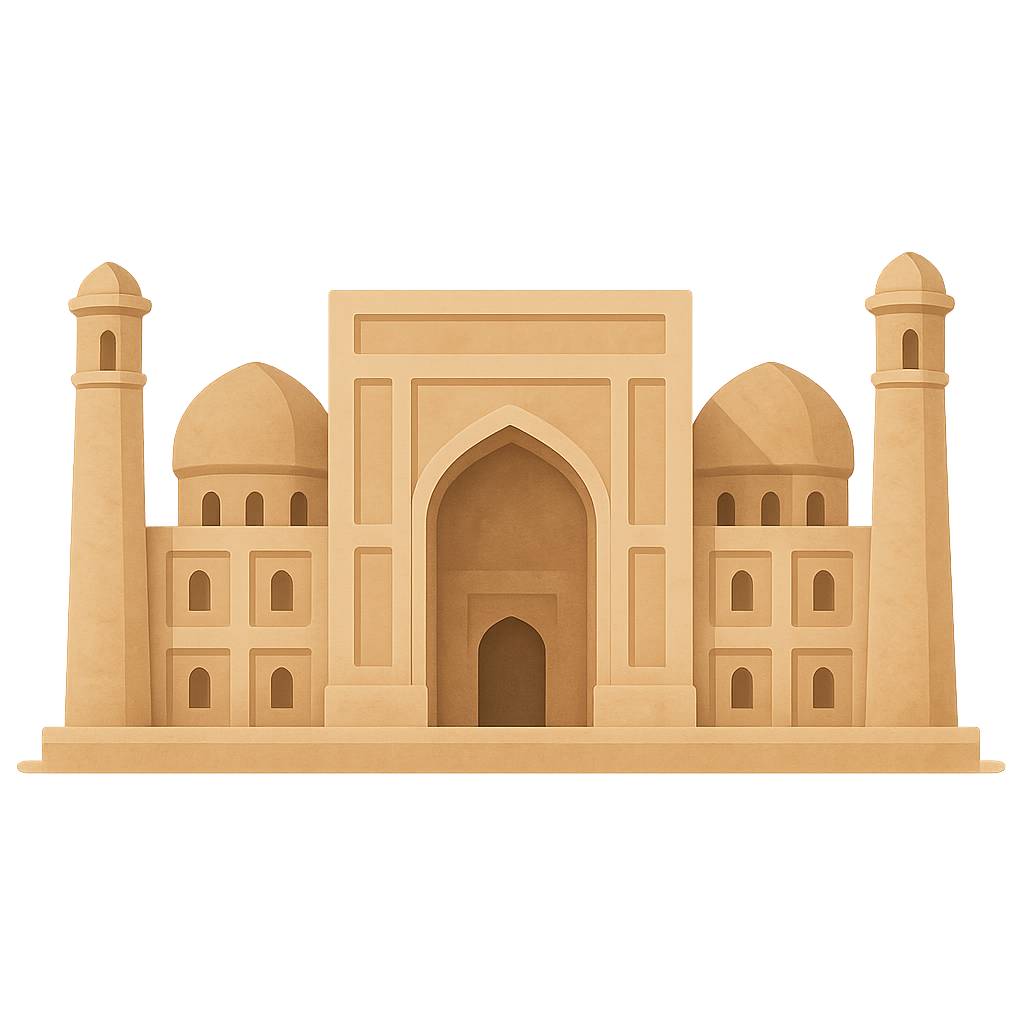
I am not a road you can find on a modern map, paved with asphalt and marked with signs. Imagine instead a web of shimmering threads, spun across the globe. Some of my threads stretch over mountains so high their peaks are forever capped with snow. Others drift across vast deserts where the wind makes the dunes sing. I am a path made not of stone, but of footprints, of stories whispered in a dozen languages, and of the rich scents of cinnamon, myrrh, and ginger carried on the breeze. For centuries, I was the heartbeat of the world, a pulsating line of life connecting empires that knew little of one another. I am an ancient network of courage and curiosity, a bridge built between worlds. I am the Silk Road.
My story begins in the East, during the long and powerful Han Dynasty in China. A great emperor named Wu was filled with a deep curiosity about the world that lay beyond his kingdom's borders. He had heard tales of magnificent horses and powerful people in the West, and he wanted to form alliances. So, around the year 138 BCE, he chose a brave and loyal envoy named Zhang Qian for a mission of incredible importance. His task was to travel west, farther than almost anyone from his land had ever gone, and bring back knowledge. Zhang Qian’s journey was filled with unimaginable hardships. He was captured, endured years of captivity, and faced treacherous landscapes. Yet, his spirit was unbreakable. After more than a decade, he finally made his way back to the emperor’s court around 125 BCE. He did not return with the alliance the emperor had hoped for, but he brought something far more valuable: stories of sophisticated civilizations, descriptions of new plants and goods, and knowledge that opened China’s eyes to the world. His heroic journey carved the first of my many paths, opening the door for me to be born.
The Silk Road: A Story of a Thousand Miles
I am not a road you can find on a modern map, paved with asphalt and marked with signs. Imagine instead a web of shimmering threads, spun across the globe. Some of my threads stretch over mountains so high their peaks are forever capped with snow. Others drift across vast deserts where the wind makes the dunes sing. I am a path made not of stone, but of footprints, of stories whispered in a dozen languages, and of the rich scents of cinnamon, myrrh, and ginger carried on the breeze. For centuries, I was the heartbeat of the world, a pulsating line of life connecting empires that knew little of one another. I am an ancient network of courage and curiosity, a bridge built between worlds. I am the Silk Road.
My story begins in the East, during the long and powerful Han Dynasty in China. A great emperor named Wu was filled with a deep curiosity about the world that lay beyond his kingdom's borders. He had heard tales of magnificent horses and powerful people in the West, and he wanted to form alliances. So, around the year 138 BCE, he chose a brave and loyal envoy named Zhang Qian for a mission of incredible importance. His task was to travel west, farther than almost anyone from his land had ever gone, and bring back knowledge. Zhang Qian’s journey was filled with unimaginable hardships. He was captured, endured years of captivity, and faced treacherous landscapes. Yet, his spirit was unbreakable. After more than a decade, he finally made his way back to the emperor’s court around 125 BCE. He did not return with the alliance the emperor had hoped for, but he brought something far more valuable: stories of sophisticated civilizations, descriptions of new plants and goods, and knowledge that opened China’s eyes to the world. His heroic journey carved the first of my many paths, opening the door for me to be born.
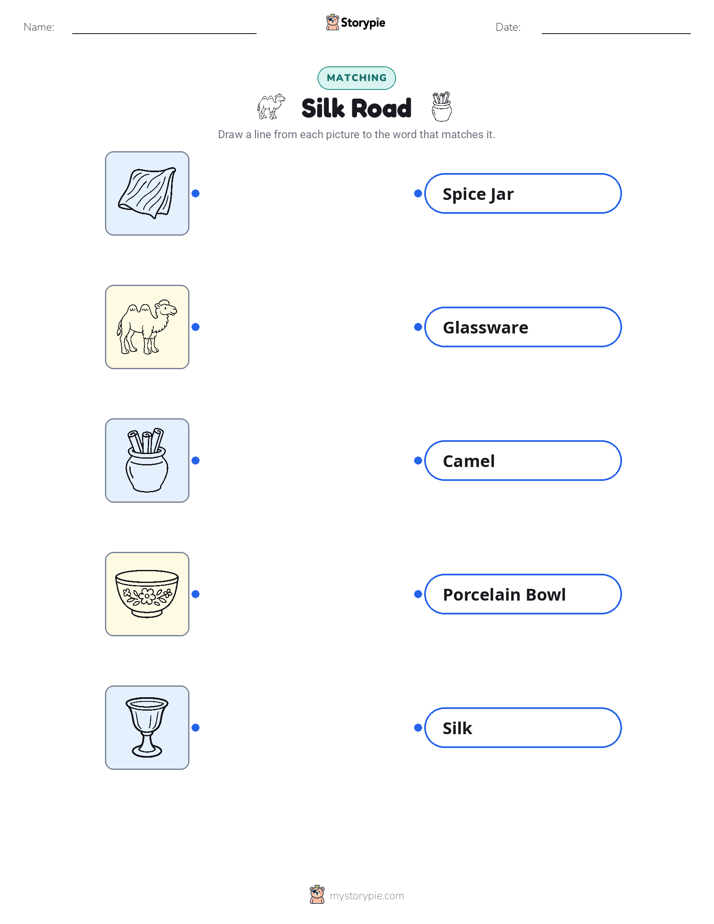
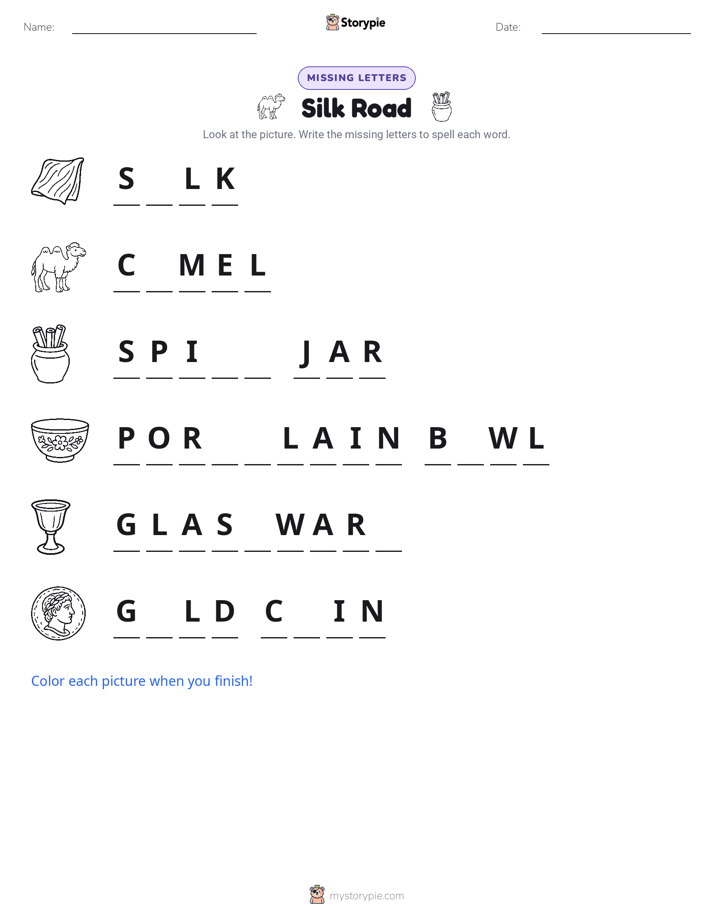
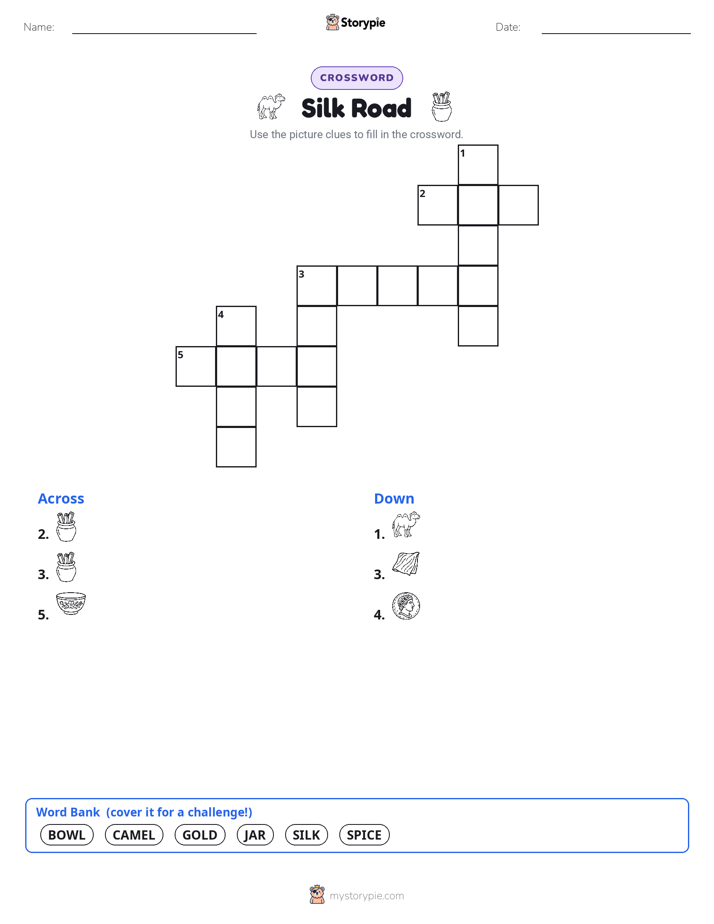
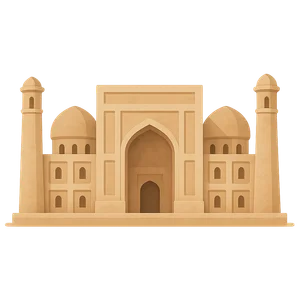
In the centuries that followed, I grew from a few tentative trails into a bustling network, and my golden age truly began during China's Tang Dynasty, which started in the 7th century CE. This was when I was most alive, teeming with energy. Picture it: long caravans of Bactrian camels, their double humps swaying rhythmically, plodding patiently across sun-scorched earth. These caravans were like moving cities, carrying the treasures of entire civilizations on their backs. From the East came the shimmering, precious silk that gave me my name, a fabric so desired it was worth its weight in gold. With it traveled delicate porcelain, fragrant tea, and exotic spices that would transform kitchens thousands of miles away. Traveling in the opposite direction, from the West, came brilliant glassware from Rome, gleaming gold and silver, strong warhorses, and new foods like grapes and walnuts. Along my routes, vibrant oasis cities like Samarkand and Kashgar blossomed in the middle of harsh deserts. These cities were my heart, bustling hubs where merchants from Persia, India, Europe, and China met. They didn't just trade goods; they traded news, shared meals, and wove their cultures together in a beautiful, colorful tapestry.
Though my caravans were famous for the physical goods they carried, my most important cargo was often invisible. I was a great bridge not just for silk and spices, but for ideas, inventions, and beliefs. The knowledge of papermaking, a revolutionary Chinese invention, traveled westward along my paths, eventually changing how the entire world recorded its history and shared information. At the same time, new beliefs journeyed east. Buddhism, born in India, found its way to China along my dusty trails, carried by monks and pilgrims who shared their teachings at every stop. This exchange of thought and faith reshaped societies forever. Many centuries later, in the late 13th century CE, a young Venetian merchant named Marco Polo traveled my length with his father and uncle. He spent years in the court of the Mongol emperor Kublai Khan and saw wonders he could hardly believe. When he returned to Italy and told his stories, they were so fantastic that many people didn't believe him. But his account, 'The Travels of Marco Polo,' sparked Europe’s imagination and fueled an age of exploration, all thanks to the connections I had forged.
Like all things, my busiest days eventually came to an end. By the middle of the 15th century CE, the world was changing. After the great city of Constantinople fell to the Ottoman Empire in 1453 CE, land travel between Europe and Asia became more difficult. At the same time, brave sailors and navigators were discovering new sea routes that were often faster and could carry more goods than my camel caravans. My desert paths grew quieter, and the bustling oasis cities became sleepy shadows of their former selves. But my purpose was never just about moving boxes of cargo from one place to another. My true, enduring legacy is the unbreakable connection I created between people. I showed the world that when different cultures meet with curiosity instead of fear, everyone becomes richer. I am a reminder that sharing knowledge and learning from one another is how humanity weaves its most beautiful and enduring story, a lesson that continues to inspire new friendships across the globe today.
Wow facts
About
A vast network of ancient trade routes connecting the East and West, facilitating the exchange of goods, cultures, and ideas for over 1,500 years.
Take a Quiz
Question 1 of 5
Which sentence best summarizes the main idea of the story?
Explore next




Want to do even more?
Go beyond exploring. Unlock tools that turn every story into real learning.

Storypie Plus for families
Full stories, quizzes, and printables. Nights and car rides, sorted.
- Unlimited audio stories
- Create Mode: your child stars in the story
- Offline downloads
- Printable worksheets & coloring pages

Why Storypie for Schools
Students engaged. Prep in seconds. Evenings back to you.
- Worksheets & Quizzes
- Classroom Management
- Formative Assessment
- Custom Curriculum & Lesson Plans
- 27 Languages

Why Storypie for Homeschool
Curriculum done. They'll ask for more. Hours back in your day.
- Worksheet Generator
- First-Person Audio Stories
- Built-in Comprehension Quizzes
- Custom Curriculum & Lesson Plans
- Print & Go Activities