English

Virginia
A U.S.
Reads at Grades 6–8 Listens at Grades 4–8
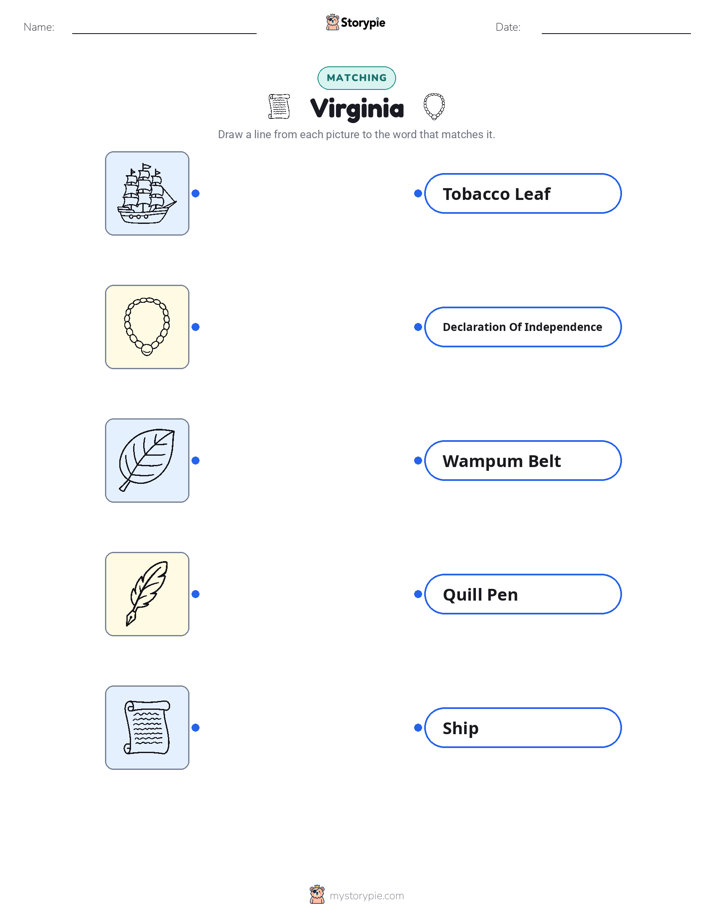
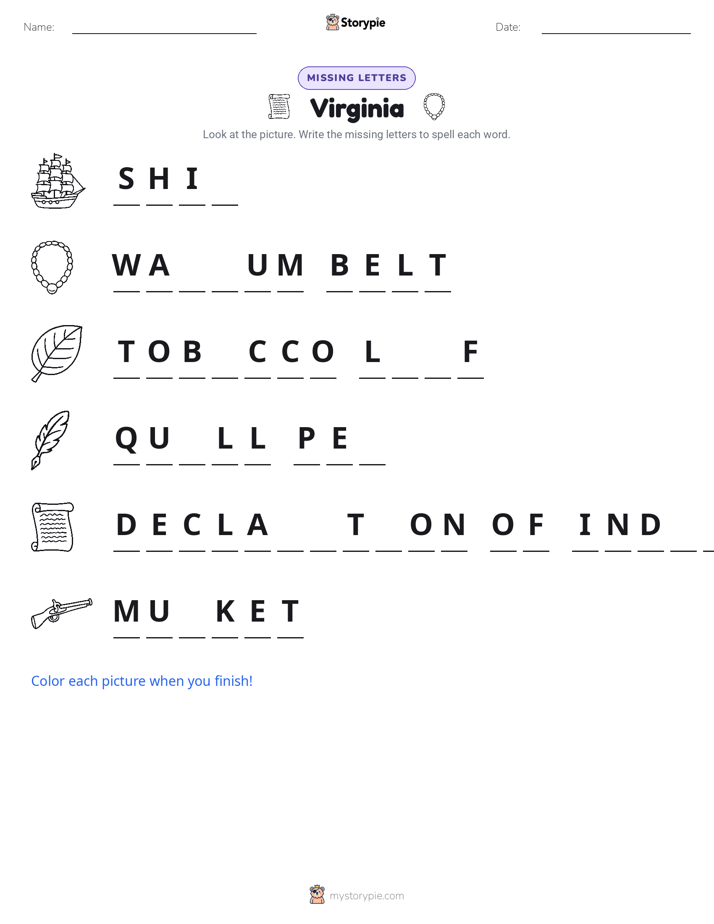
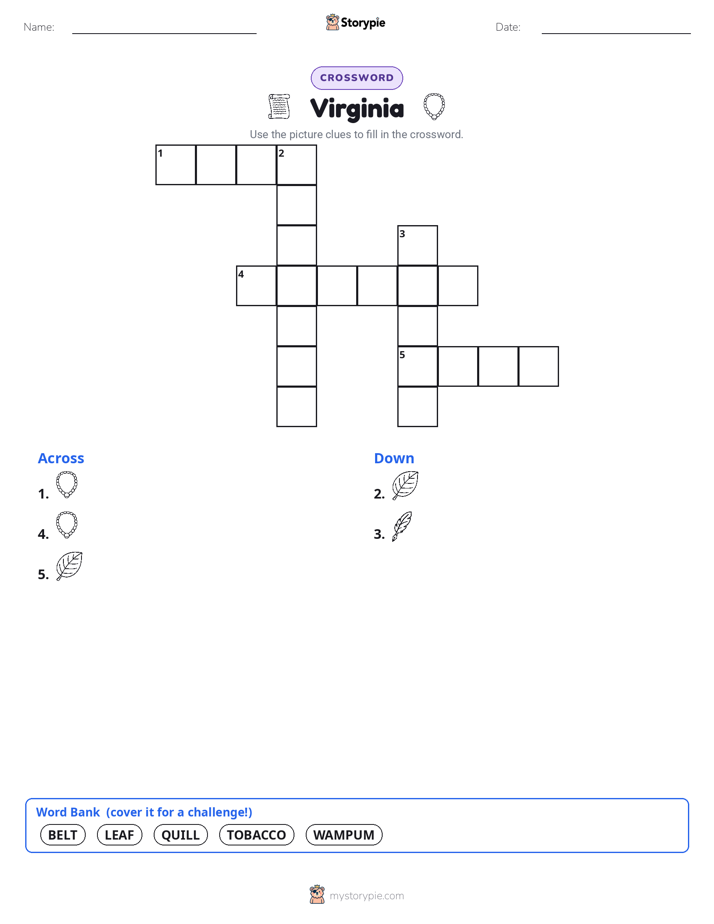
Print & create
Answer keys·No prep·Free with an account
28 worksheets · answer keys · full story · quiz · Ages 10-12 · CEFR B2
Plus adds 102,000+ more stories in 27 languages, audio for every one, and printables for all of them.
Just want Virginia?
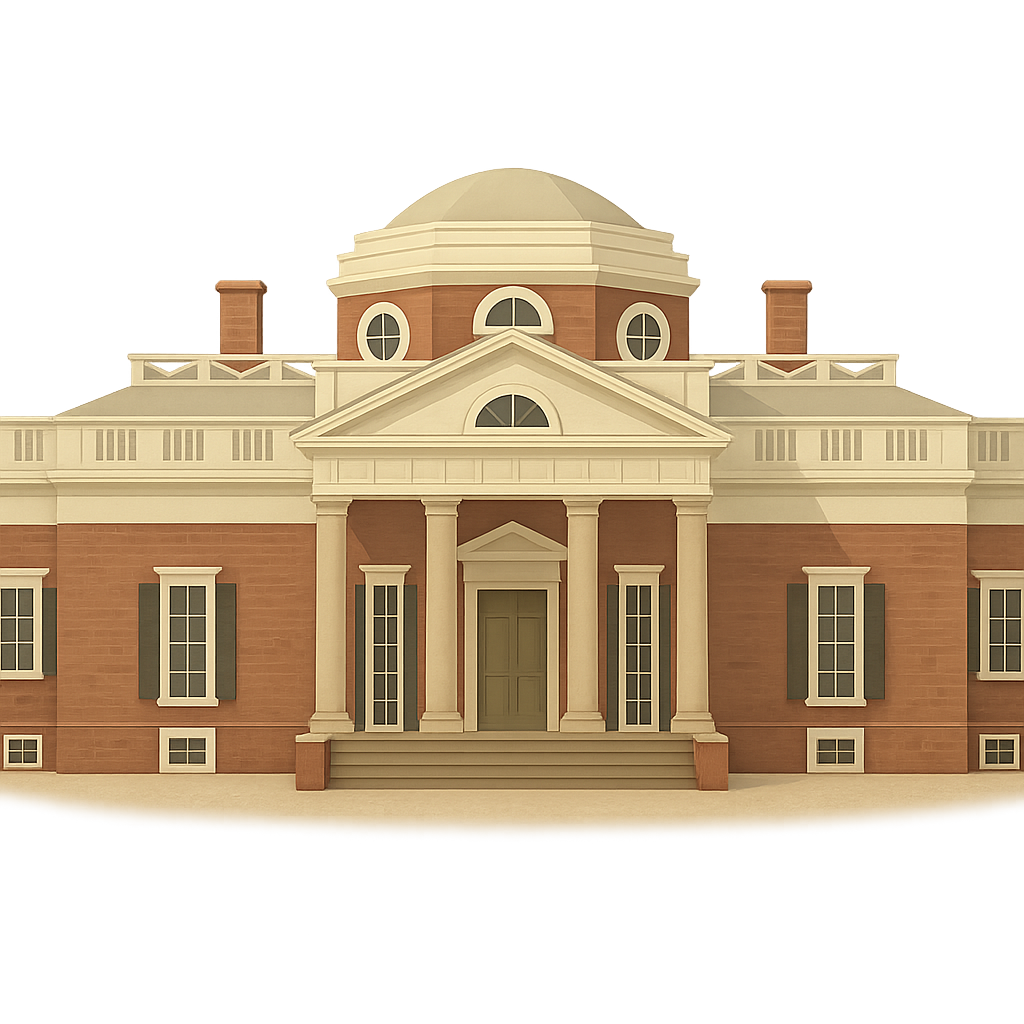
Feel the salty spray of the Atlantic Ocean on my eastern shores, where waves have crashed for millennia. Travel west, and you will find the air growing cool and misty as you climb into the ancient, gentle peaks of my Blue Ridge Mountains. My land is a tapestry of rolling green hills, crisscrossed by winding rivers like the James and the Rappahannock, which have carved their paths through my soil over countless ages. For centuries, I have watched the sun rise over my coastal plains and set behind my mountain ridges, a silent witness to the unfolding of a grand story. I am a land of deep forests and fertile valleys, a place where history is not just in books, but in the very ground beneath your feet. I am Virginia.
Long before any ships from across the great ocean reached my shores, I was a thriving, vibrant land. My forests echoed with the sounds of life, and my rivers were the highways for the people who knew me best. I was home to many tribes, bound together in a powerful alliance known as the Powhatan Confederacy. They understood my seasons, respected my resources, and lived in harmony with my rhythms. Then, on a spring day, May 14th, 1607, everything began to change. Three small English ships—the Susan Constant, the Godspeed, and the Discovery—sailed up one of my wide rivers. The newcomers established a settlement they called Jamestown, the first permanent English colony in North America. Their early years were incredibly difficult, filled with hunger, sickness, and uncertainty. Their relationship with the Powhatan people was complex, a delicate dance of trade, curiosity, suspicion, and conflict that would shape the future for everyone who called me home.
I Am Virginia: A Story of a Nation
Feel the salty spray of the Atlantic Ocean on my eastern shores, where waves have crashed for millennia. Travel west, and you will find the air growing cool and misty as you climb into the ancient, gentle peaks of my Blue Ridge Mountains. My land is a tapestry of rolling green hills, crisscrossed by winding rivers like the James and the Rappahannock, which have carved their paths through my soil over countless ages. For centuries, I have watched the sun rise over my coastal plains and set behind my mountain ridges, a silent witness to the unfolding of a grand story. I am a land of deep forests and fertile valleys, a place where history is not just in books, but in the very ground beneath your feet. I am Virginia.
Long before any ships from across the great ocean reached my shores, I was a thriving, vibrant land. My forests echoed with the sounds of life, and my rivers were the highways for the people who knew me best. I was home to many tribes, bound together in a powerful alliance known as the Powhatan Confederacy. They understood my seasons, respected my resources, and lived in harmony with my rhythms. Then, on a spring day, May 14th, 1607, everything began to change. Three small English ships—the Susan Constant, the Godspeed, and the Discovery—sailed up one of my wide rivers. The newcomers established a settlement they called Jamestown, the first permanent English colony in North America. Their early years were incredibly difficult, filled with hunger, sickness, and uncertainty. Their relationship with the Powhatan people was complex, a delicate dance of trade, curiosity, suspicion, and conflict that would shape the future for everyone who called me home.
As the Jamestown colony grew, so did new ideas about how people should govern themselves. I watched with pride on July 30th, 1619, when a group of men gathered in a small church to form the House of Burgesses. It was the first time in the New World that elected representatives met to make laws, planting the first seeds of American democracy. My towns and tobacco farms expanded, creating wealth and attracting more people. Yet, in that very same year, a shadow fell upon me. A ship arrived carrying the first enslaved Africans, brought against their will to labor in my fields. This was a terrible contradiction, a deep and painful wound that would grow even as my children spoke more and more of freedom. A century and a half later, those whispers of freedom grew into a roar. In Richmond, on March 23rd, 1775, one of my sons, Patrick Henry, gave a fiery speech, declaring, 'Give me liberty, or give me death.'. Another, Thomas Jefferson, used his brilliant mind and powerful words to write the Declaration of Independence in 1776. And it was my greatest son, General George Washington, who led the fight for that independence. The long, hard war finally came to its climax on my soil. At Yorktown, on October 19th, 1781, the British army surrendered, and a new nation was truly born.
The nation my children had fought so hard to create was a source of immense pride, but the wound of slavery continued to fester. By the mid-1800s, the country was tearing itself apart over this very issue. I found myself at the heart of this terrible conflict. With a heavy heart, on April 17th, 1861, I made the agonizing decision to secede from the Union my sons had helped build. My city of Richmond became the capital of the Confederacy, and I became the primary battlefield of the Civil War. More battles were fought on my soil than anywhere else. My fields, once green with crops, were scarred by cannons and soaked in the sorrow of brother fighting against brother. Places like Manassas, Fredericksburg, and Appomattox became etched into history for the fierce fighting they witnessed. The war was a time of unimaginable loss and devastation for me. When the conflict finally ended in April of 1865, it was not a moment of celebration, but of solemn relief. The fighting was over, but the long, painful journey of healing my wounds and reuniting a broken family was just beginning.
After the Civil War, the path forward was steep and difficult. The period known as Reconstruction was meant to rebuild the South and grant rights to newly freed African Americans, but progress was slow and often met with fierce resistance. For many decades, my African American children endured the injustice of segregation laws, which kept them separate and unequal in schools, on buses, and in public life. Yet, their spirit was never broken. They built communities, churches, and schools, and they never stopped fighting for the equality they deserved. A major turning point came on May 17th, 1954, when the U.S. Supreme Court made a landmark decision in a case called Brown v. Board of Education, declaring that segregated schools were unconstitutional. Sadly, some of my leaders responded with a policy called 'Massive Resistance,' closing public schools rather than integrating them. It was a difficult and shameful chapter in my history. But the courage of brave students, parents, and civil rights leaders who marched, protested, and demanded justice eventually won out, pushing me to live up to the promise of liberty for all.
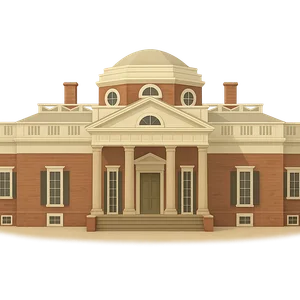
Today, my story continues to unfold in a land that honors its past while embracing the future. My fields and forests now exist alongside bustling cities filled with gleaming towers and centers of technology. I am a hub for the nation's government, a leader in agriculture, and a home to people from every corner of the globe. You can walk the cobblestone streets of Colonial Williamsburg and imagine the debates of patriots. You can stand in silence on the battlefield at Manassas and feel the weight of history. You can visit the homes of the many presidents I gave to the nation. My greatest strength today is the wonderful diversity of the people who call me home. Their cultures, traditions, and dreams are weaving a new, richer chapter into my long and complex story.
They call me the 'Old Dominion' and the 'Mother of Presidents,' and in many ways, my story is the story of America. It is a tale of breathtaking ideals and difficult truths, of division and unity, of struggle and triumph. It is the story of a continuous journey toward fulfilling the promise of freedom. I invite you to come visit, to walk my historic paths, and to listen to the echoes of the past. See how the ideas of democracy and liberty that were first debated here centuries ago are still alive, still being challenged, and still evolving. My promise is that I will always be a place where the future is thoughtfully built upon the hard-won lessons of the past.
Wow facts
About
A U.S. state on the Atlantic coast, Virginia was one of the 13 original colonies. It is known as the 'Mother of Presidents' and was the site of the first permanent English settlement in North America, as well as pivotal events in the American Revolution and the U.S. Civil War.
Take a Quiz
Question 1 of 5
What is the main idea of the section titled 'A House Divided'?
Explore next



Want to do even more?
Go beyond exploring. Unlock tools that turn every story into real learning.

Storypie Plus for families
Full stories, quizzes, and printables. Nights and car rides, sorted.
- Unlimited audio stories
- Create Mode: your child stars in the story
- Offline downloads
- Printable worksheets & coloring pages

Why Storypie for Schools
Students engaged. Prep in seconds. Evenings back to you.
- Worksheets & Quizzes
- Classroom Management
- Formative Assessment
- Custom Curriculum & Lesson Plans
- 27 Languages

Why Storypie for Homeschool
Curriculum done. They'll ask for more. Hours back in your day.
- Worksheet Generator
- First-Person Audio Stories
- Built-in Comprehension Quizzes
- Custom Curriculum & Lesson Plans
- Print & Go Activities