English

West Africa
A vast and culturally rich region of Africa, known for its ancient empires like Ghana, Mali, and Songhai…
Reads at Grades 6–8 Listens at Grades 4–8
Print & create
Answer keys·No prep·Free with an account
28 worksheets · answer keys · full story · quiz · Ages 10-12 · CEFR B2
Plus adds 164,000+ more stories in 27 languages, audio for every one, and printables for all of them.
Just want West Africa?
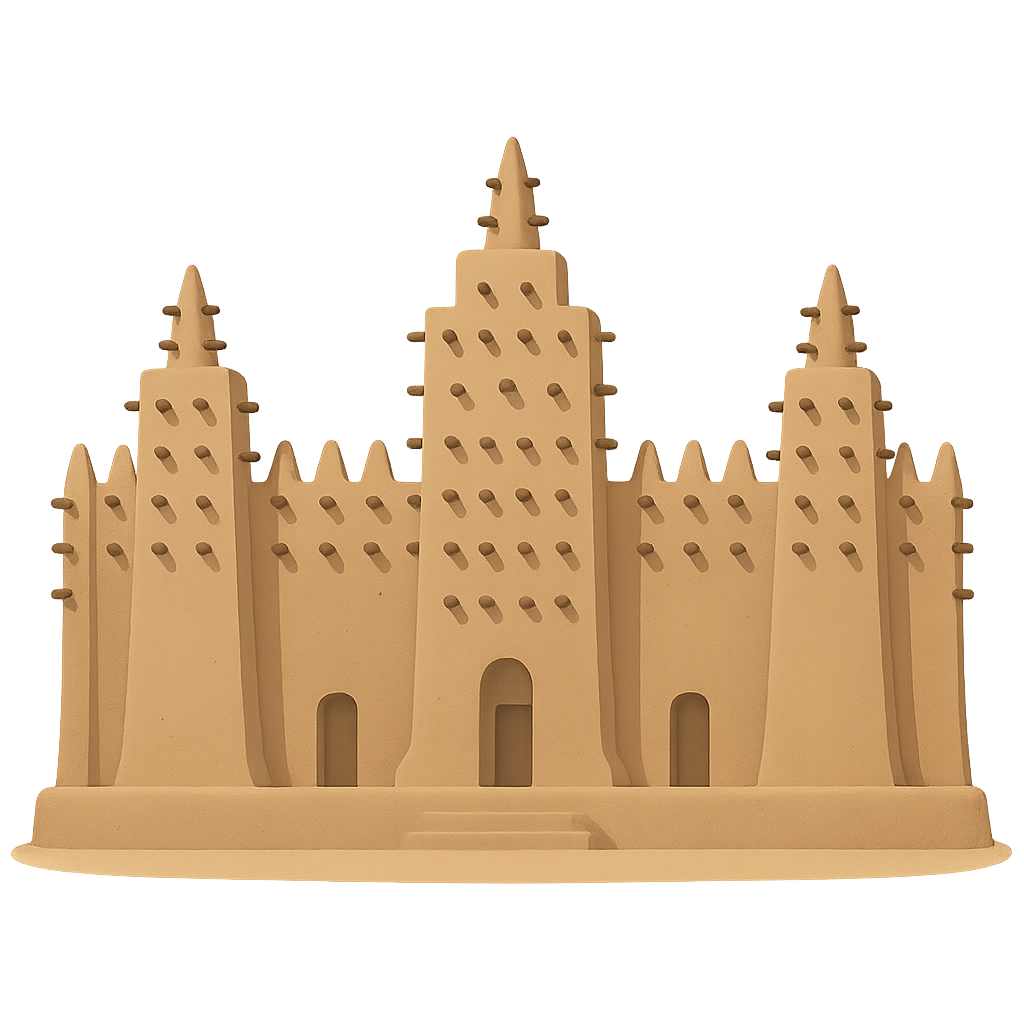
The wind that whispers across my lands carries the warmth of the Sahara, a vast sea of sand that has challenged travelers for centuries. It brushes against mountains and settles in valleys where life thrives. My shores feel the steady, rhythmic pulse of the Atlantic Ocean, where fishing boats dance on the waves and salt seasons the air. Further inland, my heart beats within the deep green of lush rainforests, alive with the calls of unseen creatures and the hum of a million insects. For thousands of years, the rhythm of drums has echoed through my villages and cities, telling tales of hunters, heroes, and kings. My soil holds the memory of ancient empires built on golden foundations and the weight of deep sorrows that tested the human spirit. I have been a crossroads for humanity, a place where ideas, goods, and cultures met and mingled, creating something new and powerful. My story is written in the stars that guide caravans, in the flowing lines of Kente cloth, and in the powerful voices of my poets and singers. I am West Africa, a vast and vibrant tapestry woven with stories of gold, scholarship, and song.
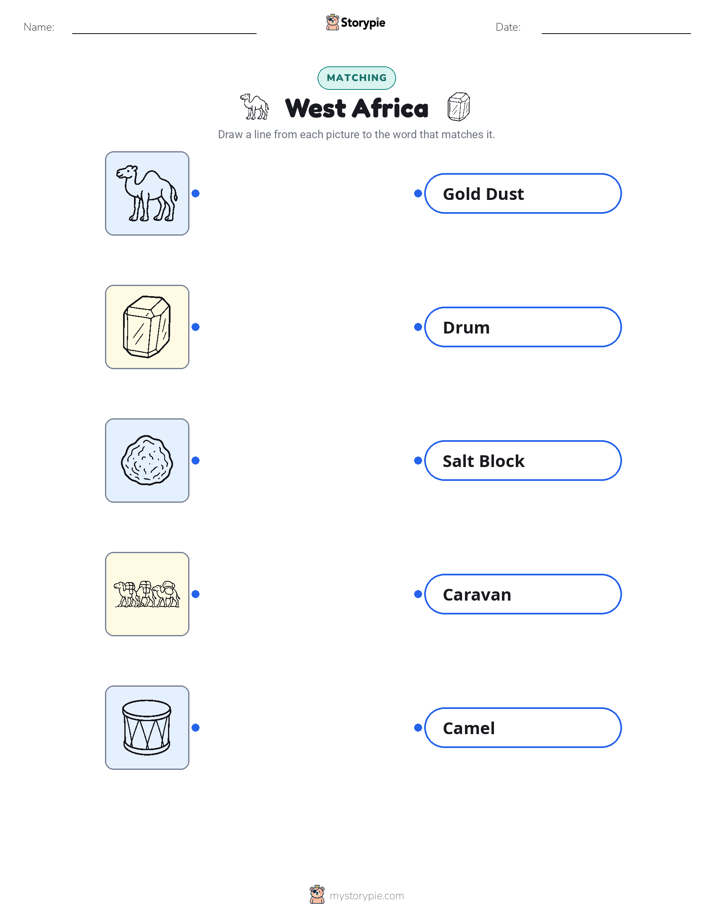
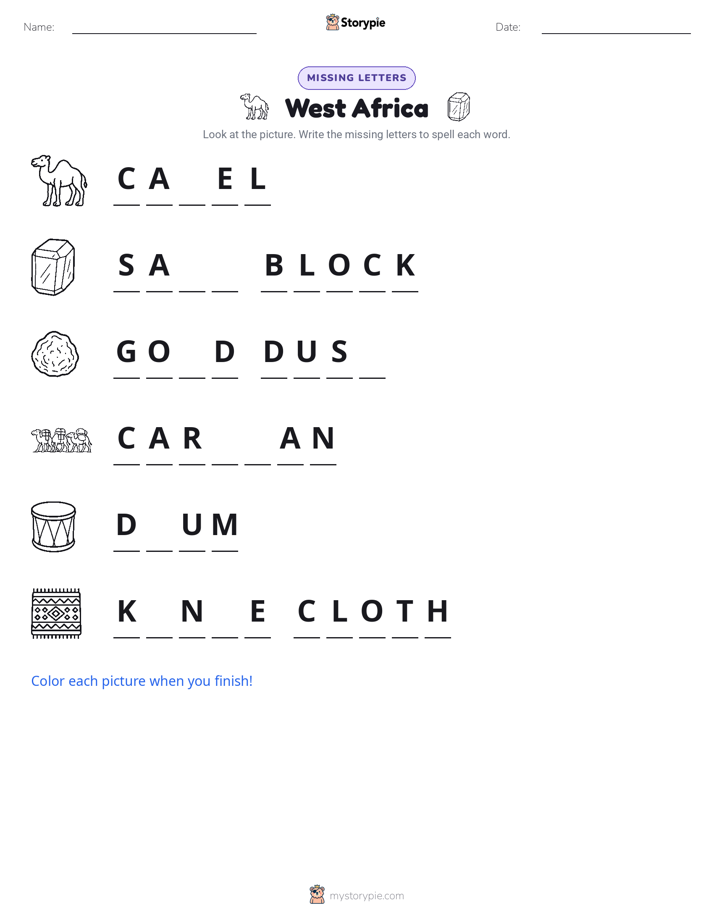
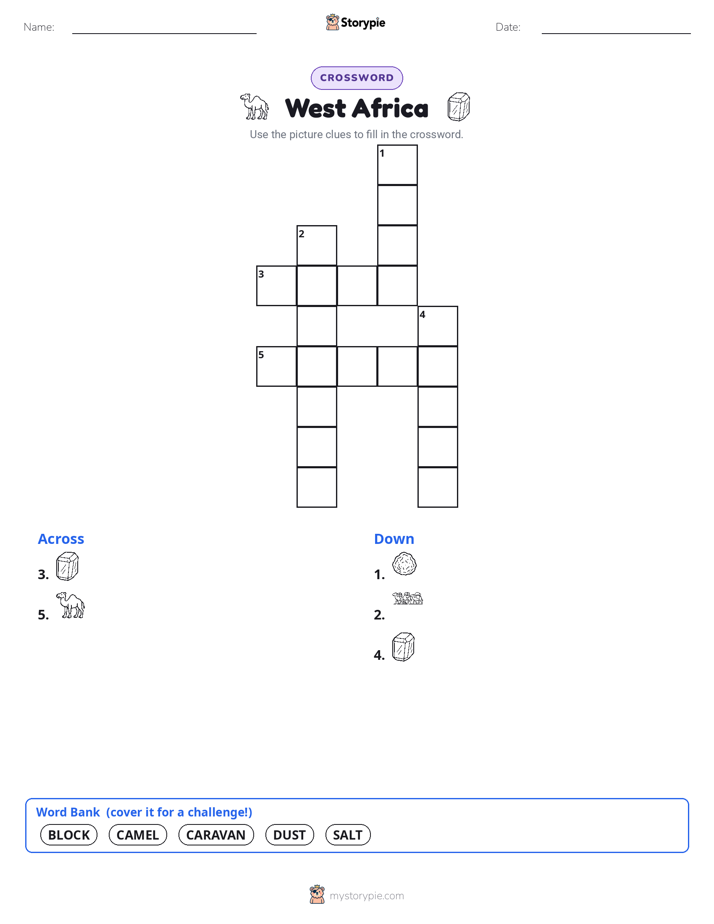
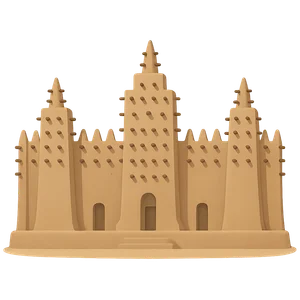
My memory stretches back to a time of magnificent kingdoms, long before ships from other continents reached my shores. The first of my great empires to truly shine was Ghana, which rose to prominence around the 8th century CE. Its kings were known as the masters of gold. They didn't mine it themselves, but they wisely controlled the trade routes that crisscrossed the Sahara. Imagine caravans of camels, sometimes a thousand strong, moving like slow, steady rivers across the sand. They brought blocks of precious salt from the north and traded them for the gleaming gold dust of the south. I watched as this trade made the Ghana Empire incredibly wealthy and powerful for hundreds of years. After Ghana’s time had passed, a new power emerged. In the year 1235 CE, a great hero named Sundiata Keita, known as the Lion King, founded the Mali Empire. He united many peoples and built an empire even larger than Ghana. But it was one of his successors, Mansa Musa, who would make my name famous across the known world. In 1324 CE, Mansa Musa set out on a pilgrimage to the holy city of Mecca. His caravan was so vast and carried so much gold that when he passed through Egypt, he gave away enough to affect their economy for years. The world was stunned by my wealth. Under Mali’s rule, my city of Timbuktu became a legendary center of learning. By the 15th century, its Sankore University was a beacon of knowledge, attracting scholars, poets, and artists from all over Africa and the Middle East. It was a place where books were more valuable than gold. As Mali's influence began to fade, another great empire rose in its place: the Songhai. It grew even larger, stretching across vast territories. In the late 15th century, a brilliant leader named Askia the Great took the throne. He was not only a skilled military commander but also a great supporter of education and trade. Under his rule, Timbuktu and other cities flourished as centers of Islamic scholarship and commerce. For nearly a thousand years, these empires made me a center of civilization, power, and incredible intellectual light.
The Story of West Africa
The wind that whispers across my lands carries the warmth of the Sahara, a vast sea of sand that has challenged travelers for centuries. It brushes against mountains and settles in valleys where life thrives. My shores feel the steady, rhythmic pulse of the Atlantic Ocean, where fishing boats dance on the waves and salt seasons the air. Further inland, my heart beats within the deep green of lush rainforests, alive with the calls of unseen creatures and the hum of a million insects. For thousands of years, the rhythm of drums has echoed through my villages and cities, telling tales of hunters, heroes, and kings. My soil holds the memory of ancient empires built on golden foundations and the weight of deep sorrows that tested the human spirit. I have been a crossroads for humanity, a place where ideas, goods, and cultures met and mingled, creating something new and powerful. My story is written in the stars that guide caravans, in the flowing lines of Kente cloth, and in the powerful voices of my poets and singers. I am West Africa, a vast and vibrant tapestry woven with stories of gold, scholarship, and song.
My memory stretches back to a time of magnificent kingdoms, long before ships from other continents reached my shores. The first of my great empires to truly shine was Ghana, which rose to prominence around the 8th century CE. Its kings were known as the masters of gold. They didn't mine it themselves, but they wisely controlled the trade routes that crisscrossed the Sahara. Imagine caravans of camels, sometimes a thousand strong, moving like slow, steady rivers across the sand. They brought blocks of precious salt from the north and traded them for the gleaming gold dust of the south. I watched as this trade made the Ghana Empire incredibly wealthy and powerful for hundreds of years. After Ghana’s time had passed, a new power emerged. In the year 1235 CE, a great hero named Sundiata Keita, known as the Lion King, founded the Mali Empire. He united many peoples and built an empire even larger than Ghana. But it was one of his successors, Mansa Musa, who would make my name famous across the known world. In 1324 CE, Mansa Musa set out on a pilgrimage to the holy city of Mecca. His caravan was so vast and carried so much gold that when he passed through Egypt, he gave away enough to affect their economy for years. The world was stunned by my wealth. Under Mali’s rule, my city of Timbuktu became a legendary center of learning. By the 15th century, its Sankore University was a beacon of knowledge, attracting scholars, poets, and artists from all over Africa and the Middle East. It was a place where books were more valuable than gold. As Mali's influence began to fade, another great empire rose in its place: the Songhai. It grew even larger, stretching across vast territories. In the late 15th century, a brilliant leader named Askia the Great took the throne. He was not only a skilled military commander but also a great supporter of education and trade. Under his rule, Timbuktu and other cities flourished as centers of Islamic scholarship and commerce. For nearly a thousand years, these empires made me a center of civilization, power, and incredible intellectual light.
The rhythm of my life began to change in the 15th century. In the 1440s, a new kind of ship appeared on my Atlantic horizon, with different sails and unfamiliar flags. These were the ships of the Portuguese, the first Europeans to sail down my coastline. At first, this connection brought new opportunities for trade—gold, ivory, and spices were exchanged for new goods. But this new wind carried the seeds of a profound and lasting sorrow. Beginning in the 16th century, a different kind of trade began to dominate, one that dealt not in goods, but in people. The transatlantic slave trade was a terrible storm that tore families apart and carried millions of my children away across the ocean in chains. For centuries, this trade inflicted a deep wound upon me, a loss that echoes to this day. Yet, even in this darkness, the spirit of my people showed incredible resilience, holding onto their cultures, their music, and their stories. Centuries later, another major change swept over me. By the late 19th century, the nations of Europe were competing for power and resources around the world. They looked at me not as a land of ancient kingdoms and vibrant cultures, but as a territory to be claimed. This period became known as the "Scramble for Africa." The peak of this was a meeting held far away in Germany, the Berlin Conference of 1884–1885. There, with no African leaders present, European powers drew lines on a map. These new, straight borders cut across my ancient kingdoms, divided ethnic groups, and lumped rivals together. They created new colonies, each controlled by a European nation. My lands were no longer my own. This was a time of immense challenge, as my people had to navigate a world where their own traditions and systems of government were being replaced by foreign rule.
After decades of living under colonial rule, a new feeling began to stir across my lands in the 20th century. It was a quiet hum at first, then a growing chorus—the call for freedom. My people had not forgotten their history of great empires and self-governance. They dreamed of a future where they could once again be the masters of their own destiny. Scholars, workers, and leaders began to organize and demand independence. This feeling of hope and determination was powerful, a force that could not be stopped. The moment the world was waiting for arrived on March 6th, 1957. On that day, the colony known as the Gold Coast, led by the visionary Kwame Nkrumah, broke free from British rule. It took a new name, one that honored its ancient past: Ghana. The celebration was immense. It was more than just one country's freedom; it was a signal to the entire continent. Ghana’s independence was a bright torch that lit the way for others. That single event sparked a wave of change. Throughout the 1960s, one by one, my other lands followed. Nigeria, Senegal, Ivory Coast, and so many others threw off the chains of colonialism and raised their own flags for the first time. It was a time of incredible joy and pride. My lands were transforming, shedding their colonial identities and becoming a family of proud, self-governing nations. Each new independence day was a powerful declaration that my children were ready to build their own futures, on their own terms, guided by the resilient spirit that had carried them through so much hardship.
Today, my story continues, vibrant and alive. I am a region of sixteen diverse countries, from Nigeria to Senegal, from Mali to Ghana. Each nation has its own unique personality, its own languages, and its own traditions, but we are all connected by the deep roots of our shared history. My voice now sings a new song, one heard all over the globe. You can feel my rhythm in the global sensation of Afrobeats, a sound that gets the whole world dancing. You can see my creativity in the brilliant, bold patterns of Kente cloth and Ankara fabrics, worn with pride on city streets from Lagos to London. My stories are being told in new ways, too. Nigeria’s film industry, known as Nollywood, is one of the largest in the world, sharing tales of modern life, love, and tradition with millions. And the delicious flavors of my food—from spicy jollof rice to savory stews—are celebrated in kitchens far beyond my shores. My journey has been long, filled with golden ages and periods of deep sorrow. But through it all, my story is one of enduring resilience, boundless creativity, and an unbreakable spirit. I invite you to listen to my music, learn my history, and celebrate the bright and hopeful future my children are building for themselves and for the world. My story is still being written, every single day.
Wow facts
About
A vast and culturally rich region of Africa, known for its ancient empires like Ghana, Mali, and Songhai, its vibrant traditions in music and art, and its significant role in world history through trade and migration.
Take a Quiz
Question 1 of 5
Which of the following correctly lists the great West African empires in chronological order?
Explore next




Want to do even more?
Go beyond exploring. Unlock tools that turn every story into real learning.

Storypie Plus for families
Full stories, quizzes, and printables. Nights and car rides, sorted.
- Unlimited audio stories
- Create Mode: your child stars in the story
- Offline downloads
- Printable worksheets & coloring pages

Why Storypie for Schools
Students engaged. Prep in seconds. Evenings back to you.
- Worksheets & Quizzes
- Classroom Management
- Formative Assessment
- Custom Curriculum & Lesson Plans
- 27 Languages

Why Storypie for Homeschool
Curriculum done. They'll ask for more. Hours back in your day.
- Worksheet Generator
- First-Person Audio Stories
- Built-in Comprehension Quizzes
- Custom Curriculum & Lesson Plans
- Print & Go Activities