Audio-first cognitive load describes how listening-first experiences free mental space. For parents and teachers, this idea explains why audio can calm children and spark vivid imagination. In fact, a 2024 study published in PLOS ONE found that watching subtitled videos without sound significantly increased self-reported cognitive load, highlighting the importance of audio in reducing mental strain.
Audio-first cognitive load: What it means
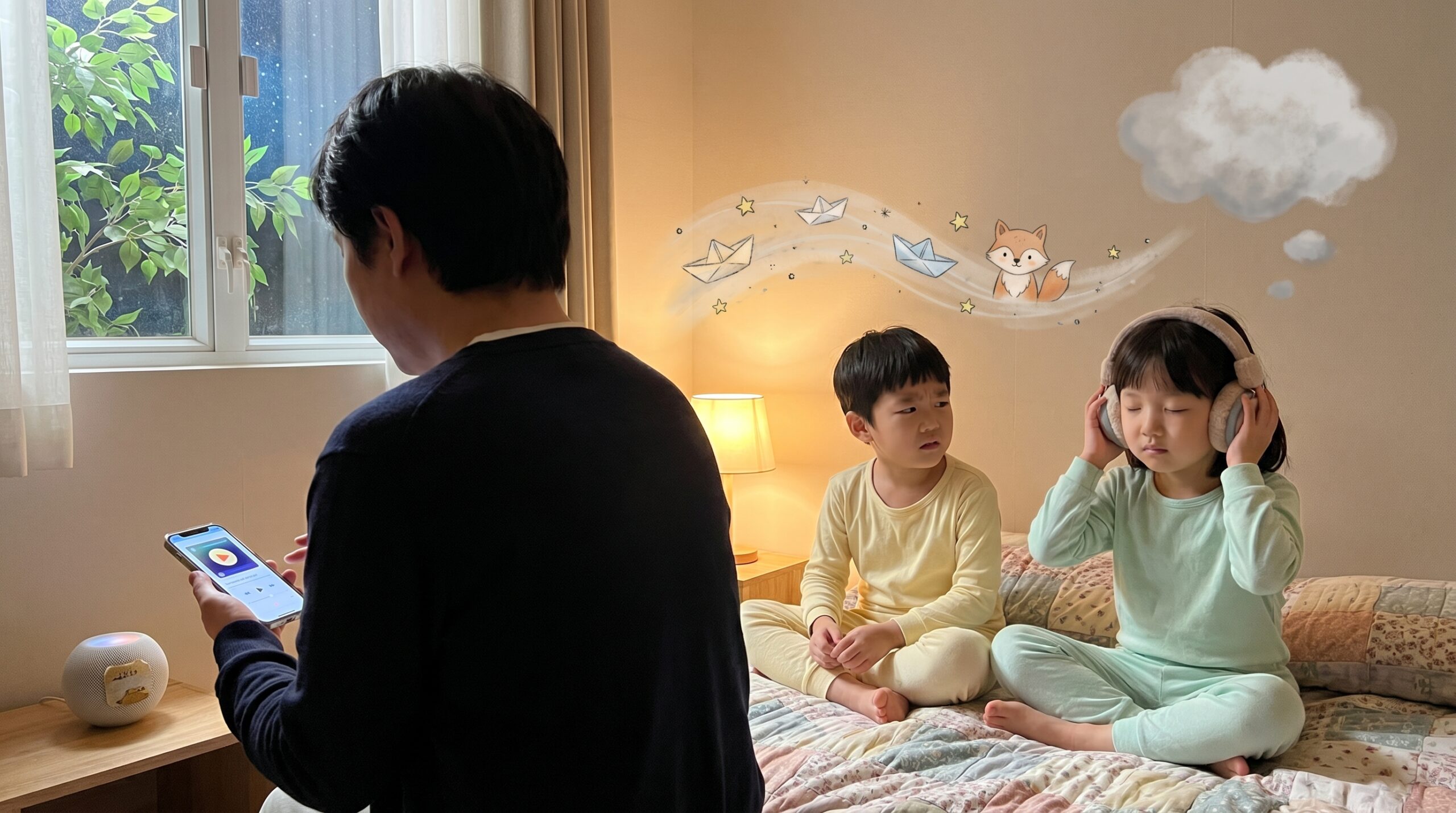
Audio-first puts speech, music, and subtle soundscapes ahead of video. In practice, the eyes meet less competition. As a result, children have room to build images inside their minds. That inner picture can feel richer, stronger, and more personal. Research from a January 2024 EEG study supports this idea, showing that audio characteristics can reliably estimate cognitive load, reinforcing the importance of audio-first strategies.
The science in plain language
Cognitive load theory sorts mental work into three types: intrinsic, germane, and extraneous. Visual clutter often increases extraneous load. Thus, audio-first choices lower that extra burden. Paivio’s dual-coding idea supports this view. For example, hearing words invites verbal coding and leaves space for visual imagination. Furthermore, a 2024 experiment found that while adding prosodic signals to an instructional podcast improved learning outcomes, it also increased reported cognitive load, illustrating the balance needed in audio engagement.
Neuroscience adds another layer. Listening activates language networks and the mind’s eye. Children mentally simulate scenes as they listen. That simulation builds active imagination and narrative skill. A 2024 study demonstrated that managing cognitive load is essential to enhance engagement with auditory content, emphasizing the need for mindful audio-first approaches.
Benefits and accessibility
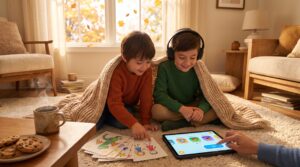
Audio-first cognitive load brings clear benefits. It often reduces screen time and blue light. It also smooths transitions and lowers arousal before sleep.
- Calmer evenings and steadier attention
- Stronger vocabulary and narrative recall
- Accessible for children with visual or reading differences
Moreover, short audio pieces match young attention spans. Five to fifteen minutes fit many routines. Regular listening can become a tiny, delightful ritual. With the popularity of audio content on the rise—reported by Edison Research’s Infinite Dial 2024, which shows that 47% of U.S. persons age 12+ listened to a podcast in the past month—this approach is increasingly relevant in modern media consumption.
A design rooted in tradition and science
Audio-first is both ancient and modern. It echoes oral storytelling from long ago. Yet modern research gives it fresh support. Designers choose audio-first to ask less from the senses and more from the mind.
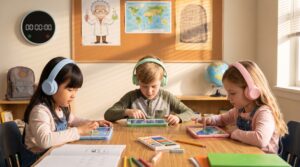
For families, platforms like Storypie showcase calm, listening-first content. This format lowers barriers and includes more children. It also helps teachers create focused listening moments in class.
Why it feels so good
In short, audio-first cognitive load is a gentle design choice. It trims visual noise, boosts imagination, and encourages calm focus. For caregivers and educators who want small, reliable rituals, this approach offers a soft, wonder-filled payoff.
Curious to explore listening-first content? Visit Storypie to learn more.