
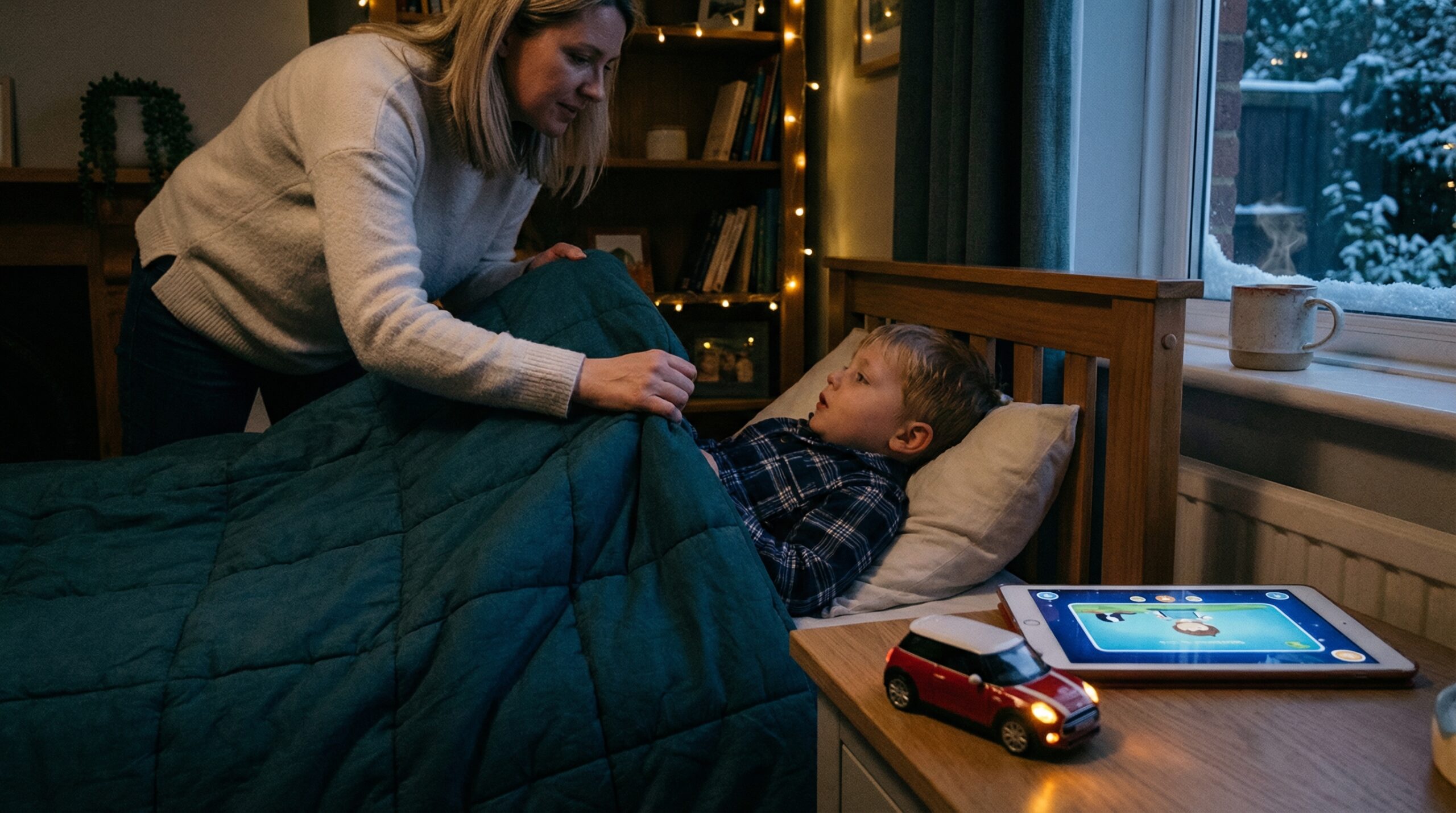
The bedtime mini story ritual is a short, repeated pause families use to move from busy day to calm night.
What the bedtime mini story ritual is
This ritual is a tiny, predictable moment at the end of the day. It usually lasts a few minutes. Parents and caregivers have used similar pauses for generations. In many cultures, a quiet tale or hush marks sleep time. Today, the bedtime mini story ritual trims that long tradition into a compact habit.
History and roots of the ritual
Across the world, caregivers have cued sleep with songs and short tales. Over time, families kept what worked best. As a result, short, calming stories became common. In modern homes, the ritual mixes old comfort with new routines. It fits busy schedules and keeps the warm, human touch alive.
Key characteristics of the bedtime mini story ritual
- Length: Brief and predictable, often two to ten minutes.
- Place: Close and cozy, usually at the bedside.
- Cue: A repeated line, dim light, or calm voice signals the pause.
- Tone: Gentle language and steady cadence help settle the child.
Moreover, the ritual remains flexible. Families adapt it to their schedules. Yet, the small, repeatable shape stays the same. That consistency makes the ritual powerful.
Why the bedtime mini story ritual matters
Research shows that predictable bedtime routines help children sleep better. A 2025 study reported that consistent bedtime routines, including storytelling started as early as 3 months, were associated with fewer night-time awakenings, reduced sleep problems, and longer sleep durations by age 3. Additionally, short nightly stories support language and listening skills. They strengthen emotional connection through calm, close interaction. In a recent survey, 71% of parents agreed that storytelling helps their children wind down at bedtime, with 49% naming it their preferred method. In short, small rituals yield big benefits.
Age ranges and accessibility
Toddlers tend to prefer very short stories with steady rhythm. Early elementary children enjoy slightly longer mini-tales. For children with sensory or visual needs, audio formats and familiar refrains increase comfort. Inclusive choices help the ritual feel safe and welcoming.
Formats and modern options
Live reading stays the most intimate format. However, recorded audio and app-based short tales work well too. When caregivers travel or need rest, audio preserves the ritual and the calm. For a gentle, app-based option, explore short tales on Storypie.
Content and safety considerations
Choose calm, age-appropriate material. Avoid action-packed or scary content near lights-out. Also, limit bright screens before sleep. Many families prefer audio-only playback to keep the environment dim and quiet.
Consistency, seasonality, and practical notes
Consistency matters more than length. Night after night, the same small pause becomes familiar and comforting. During winter, the ritual often doubles as a cozy anchor. In busy seasons, families keep the ritual short and steady. A public health priority emphasizes that healthy sleep is crucial, with at least a third of children and adults reporting insufficient sleep; consistent bedtime routines with calming activities, such as bedtime stories, can promote healthy sleep.
A final note on the bedtime mini story ritual
Think of this ritual as a little stage. A dim lamp, a calm voice, and a repeated phrase create a predictable cue. Over time, children learn to choose that pause. Calm wins. Routine wins. The bedtime mini story ritual becomes a nightly favorite.
Interestingly, 90% of parents of 1–6-year-olds reported having a bedtime routine for their child, with 67% including reading bedtime stories, according to a recent survey. Discover gentle short tales and audio options at Storypie: Explore short tales on Storypie.