Immigration for families means moving from one country to live in another. For families, immigration often brings hope, worry, and new beginnings. Also, it is an ancient human habit. People moved for food, trade, safety, and work for millennia. In fact, as of January 2025, the United States had 53.3 million immigrants, accounting for 15.8% of the total U.S. population.
Read and listen
Storypie offers a gentle listen to help children imagine new homes with kindness. Read or listen to a story about Immigration now: For 3-5 year olds, For 6-8 year olds, For 8-10 year olds, and For 10-12 year olds.
Why people move: simple reasons
Some moves are chosen and some are forced. For example, push factors push families away from home. These include conflict, danger, poverty, and natural disasters. By contrast, pull factors draw people to a new country. These include safety, jobs, education, and family reunification. In fiscal year 2025, U.S. Immigration and Customs Enforcement (ICE) deported 442,637 individuals, an increase of approximately 171,000 deportations compared to the previous fiscal year, illustrating the changing dynamics of immigration enforcement in the U.S.
Short words for grownups and children
- Migrant – a broad word for someone who moves to live or work elsewhere.
- Immigrant – someone who settles in a new country.
- Refugee – someone forced to flee danger and needing protection.
- Asylum-seeker – a person asking a country for protection while awaiting a decision.
Legal paths and institutions for immigration
Countries use visas, border controls, and resettlement programmes to manage arrivals. Common pathways include work and student visas, family reunification, refugee resettlement, and naturalization. Also, international protections like the 1951 Refugee Convention guide care for refugees. In 2024, the United States received 1,425,000 new immigrants on a long-term or permanent basis, a 20% increase from 2023, indicating a growing trend in immigration, which is crucial for understanding current immigration policies.
Everyday realities and challenges
Newcomers face many practical hurdles. They often need housing, school enrolment, medical care, and language help. Moreover, professional qualifications may not transfer easily. Children may feel excitement and curiosity. However, they may also feel homesick or face discrimination. As of mid-2023, the unauthorized immigrant population in the U.S. was estimated at 13.7 million, marking an increase of 3 million since 2019, shedding light on the ongoing challenges surrounding unauthorized immigration in the U.S.
Practical notes
- Bilingualism can become a long-term advantage, though early school weeks may be tricky.
- Loss and grief are real. Offer gentle listening and steady routines.
Helping children and building empathy
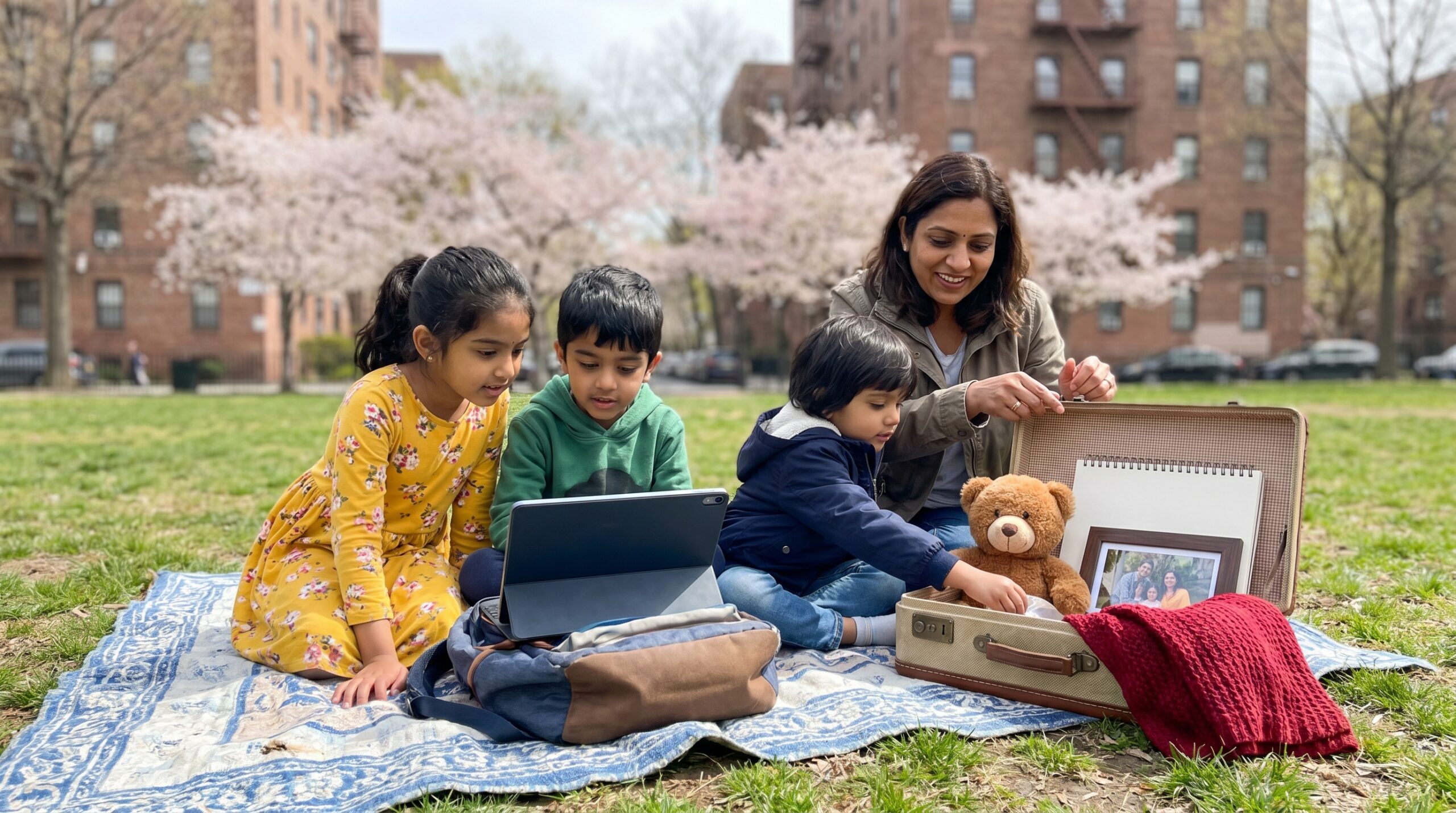
Keep explanations kind and simple. Use stories and small activities to invite empathy. For example, play a packing-list game, trace the move on a map, or draw a suitcase with stickers. Ask gentle questions and respect privacy. If a child shares trauma, seek professional help and local supports.
Where to find help
Local community groups, schools, health services, and volunteer mentors matter a great deal. For reliable guidance, visit Storypie to find age-appropriate stories and resources. Also, explore official government sites for legal and resettlement information. In addition, U.S. Customs and Border Protection recorded nearly 2.5 million encounters at the U.S.-Mexico (southwest) border in fiscal year 2023, providing insight into the scale of immigration and border issues currently facing the U.S.
A tiny image to hold
Imagine a bright red suitcase with stickers from many towns. It is a hopeful, welcoming object. Immigration for families matters because it shapes who we are and how we live together. Encourage curiosity, kindness, and welcome in small daily moments.
Finally, read or listen to stories on Storypie for calm, caring ways to explore immigration with children.