
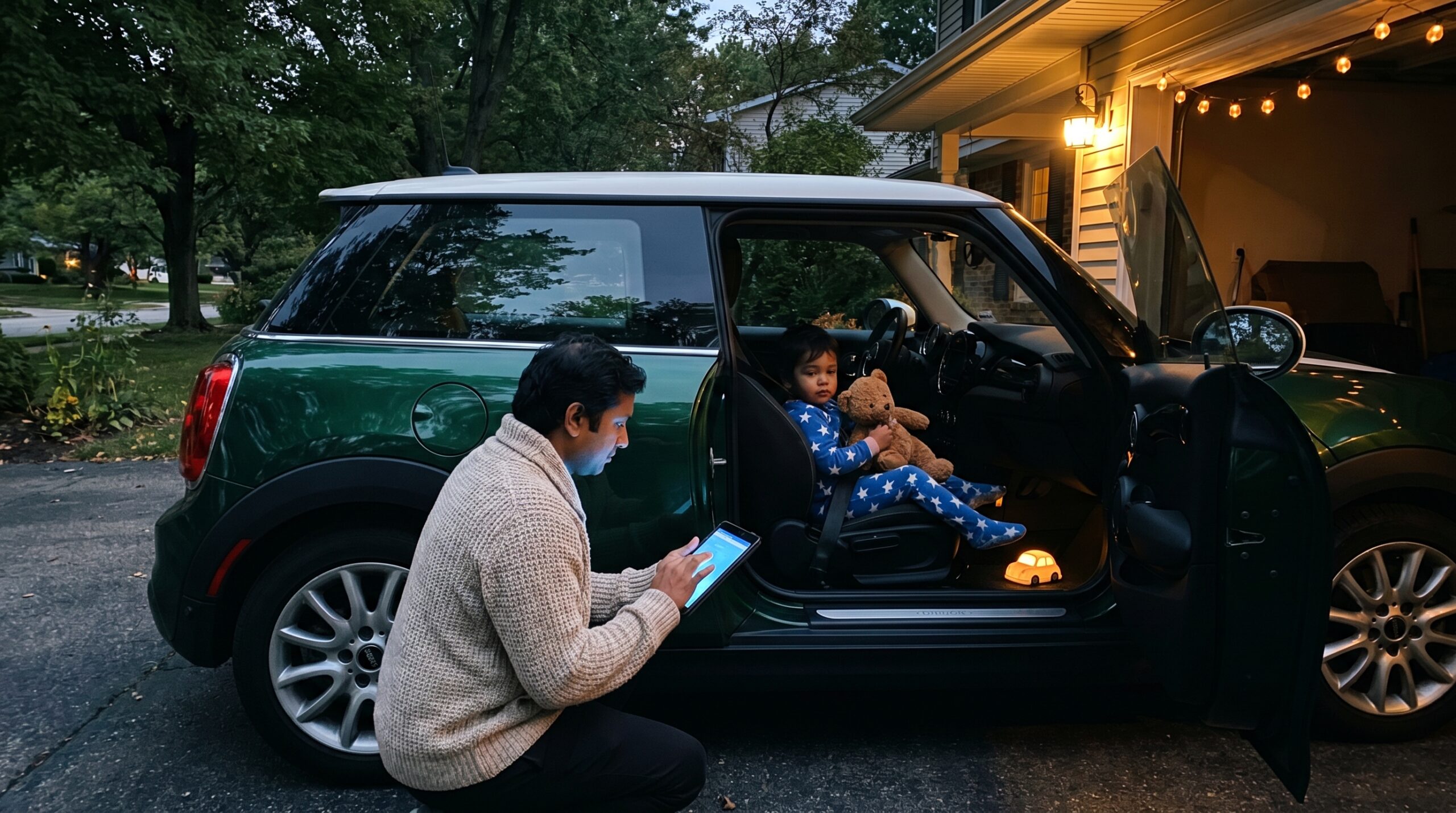
Bedtime mini story ritual helps families switch from busy evenings to calm nights. Simple, short tales signal rest. Use the same phrase or object each night to cue sleep. In fact, a 2025 survey found that 71% of parents agreed that storytelling helps their children wind down at bedtime, with 49% naming it their preferred method.
What the bedtime mini story ritual looks like
A mini story ritual uses predictable cues, a soothing tone, and tiny scenes. Keep lights low. Speak softly. Remove screens and bright toys.
- A consistent start phrase or object, like “time for a story” or a small lamp
- Dim lights 10 to 20 minutes before bedtime to support melatonin
- A brief, calm story with a clear and reassuring ending
- A short, consistent goodbye that cues sleep
Timing and age fits for the bedtime mini story ritual
Time the ritual during the 20 to 45 minute bedtime window. For infants, sing or hum short, lullaby-like sentences. Toddlers and preschoolers usually focus best on 3 to 7 minute mini stories. Early school-age children often enjoy 5 to 10 minutes of a calm narrative. Adjust length and language to match your child. Interestingly, a 2025 study reported that consistent bedtime routines, including storytelling started as early as 3 months, were associated with fewer night-time awakenings, reduced sleep problems, and longer sleep durations by age 3.
A tiny micro-story example
Once a small moon tucked a sleepy cloud into bed and hummed a soft tune. The cloud yawned, curled up, and drifted toward a hush of stars. Quiet, gentle images work best because they guide attention toward rest.
Caregiver moment
One parent chose one sentence each night: “The garden is closing its eyes.” The child closed theirs and whispered the moon color. That two-line exchange soothed both. Simple rituals build warmth and predictability.
Why the bedtime mini story ritual works
Short predictable routines link to faster sleep onset and stronger sleep through the night. Also, caregiver presence builds safety and attachment. Shared listening increases vocabulary by exposing children to rhythm and new words. Consistency matters. When the same lamp, phrase, or blanket appears each night, the child’s brain learns the cue and prepares for sleep. Notably, in a national C.S. Mott Children’s Hospital poll, 90% of parents reported having a bedtime routine for their child and 67% said the routine includes a bedtime story, reflecting the widespread adoption of storytelling in these practices.
Practical tips
Use these quick steps to keep the ritual calm and cozy.
- Reduce screens before the story; prefer audio-only or live voice
- Choose calming content; avoid action-packed plots or scary themes
- Keep the room cool, quiet, and comfortable
- Use a timer for app playback when a caregiver voice is unavailable
Modern families often rely on short audio stories on busy nights. For a gentle option, try Storypie’s short, soothing tales. If you prefer a pause-free moment, consider live voice first. Try Storypie for quick calm: Try Storypie short tales.
Final thought and invitation
Try the bedtime mini story ritual tonight and watch the small changes. Expect less resistance, softer breathing, and quicker sleep. One delightful sentence can work wonders. Try a tiny tale and notice the calm.