
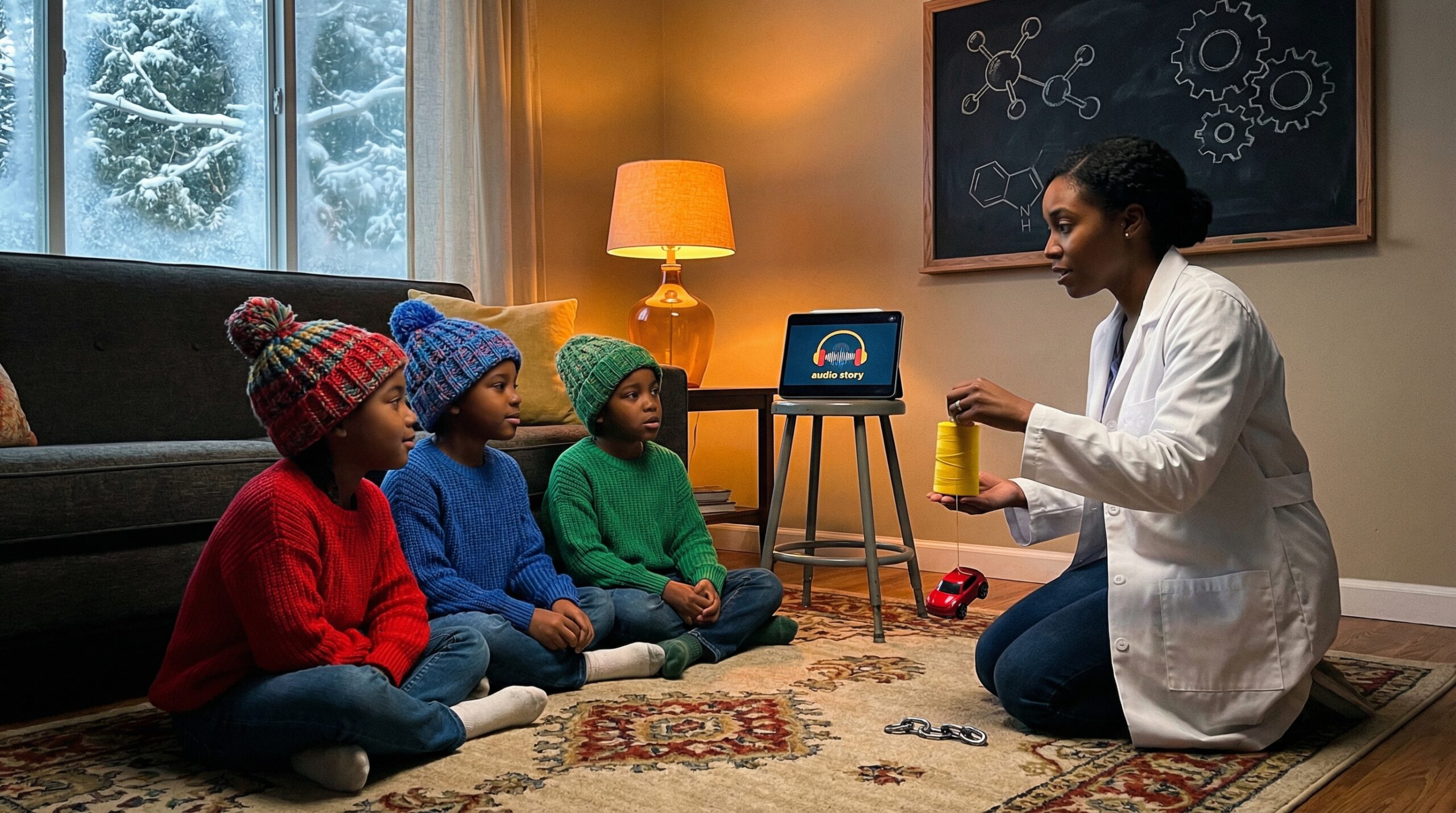
Kevlar for kids starts with a simple surprise. In 1965, chemist Stephanie Kwolek found a strange liquid. This accidental discovery led to the creation of a very strong material, which was commercially introduced in 1971. It changed safety gear and many products.
What Kevlar for kids is
Kevlar feels magical but the idea is plain. Long molecules line up like tiny chains. For example, poly-paraphenylene terephthalamide sounds big. Yet the concept is easy to picture. The molecules cling together with strong bonds. Then manufacturers spin those molecules into threads and weave them into fabric.
How Kevlar behaves and why it matters
Kevlar is a para-aramid fiber. It resists heat more than many plastics and maintains its strength and resilience down to cryogenic temperatures (−196°C), while withstanding thermal hazards up to 800°F (427°C) according to DuPont. Also, it does not melt and drip the way some materials do. However, very high temperatures will break it down. Kevlar pulls well under tension, but it handles compression and sharp rubbing less well. Sunlight and abrasion slowly weaken the threads. Cutting or sanding Kevlar can make tiny fibers that irritate skin or lungs. For this reason, professionals wear protection when they work with it.
Fast facts
- By weight, Kevlar can be about five times stronger than steel, with some sources even stating it can be up to 10 times stronger than steel on an equal weight basis according to DuPont.
- It offers a high strength-to-weight ratio.
- Different grades tune stiffness, strength, and processing.
Where families meet Kevlar
You may not see Kevlar, but you feel its benefits every day. For example, it appears in some bicycle tires and cut-resistant kitchen gloves. Also, engineers use it in ropes, sport gear, and certified body armor for police. Remember, a consumer product with Kevlar is not the same as certified ballistic armor. Stopping bullets requires layers, testing, and careful design. In fact, in 2024, para-aramid fibers like Kevlar accounted for approximately 73% of the global aramid consumption according to Industry Research Biz. This statistic highlights the significant market presence of Kevlar, illustrating its importance in the fiber industry.
The global Kevlar fiber market was valued at $449.2 million in 2021 and is projected to reach $653.4 million by 2031, growing at a compound annual growth rate (CAGR) of 3.9% from 2022 to 2031 according to Allied Market Research. This fact provides insight into the economic growth and demand for Kevlar, indicating its ongoing relevance in various applications.
Recycling aramid fibers can be harder than recycling common plastics. So designers think about end-of-life choices for Kevlar products.
A tiny idea to try tonight
Try a playful prompt at bedtime. I will hold two small objects, one heavy and one light. Ask your child, “Which would you pick if we needed something light and strong?” Then point out that Kevlar aims to be both light and strong. Keep the chat short and cheerful. Finally, celebrate guesses more than being right.
Read or listen to a story about Kevlar now: For 3-5 year olds, For 6-8 year olds, For 8-10 year olds, and For 10-12 year olds. Also visit Read or listen to a story about Kevlar now or go to Storypie for a cozy listen.
A tiny challenge from me
Tonight I will ask: “Where do you think strong, light materials help people today?” Then we will pick one answer and draw a quick sketch. It takes five minutes. Small experiments build lasting curiosity.
Storypie on a chilly afternoon: meet Kevlar, born from a curious scientist’s lucky find. Ask, “What surprised you?” and enjoy a short listen together.