Kids become the hero in their own adventure when stories center on their name, choices, and small wins. This simple shift turns attention into agency and curiosity into tiny triumphs.
How kids become the hero in their own adventure
The idea has long roots. From mythic journeys to pick-your-path books, readers have loved being central. Today, digital personalization brings that same power to every child. Research shows pretend play begins near 18 months and grows through early school years. Thus, play supports language, memory, theory of mind, and executive skills. A 2023 study reported that 68.1% of young children’s self-regulation skills manifested in play were predicted by their play skills, highlighting how critical this stage is for development.
When kids become the hero in their own adventure they practice key skills. They try decisions, regulate emotions, and learn resilience. These are measurable benefits. In short, being the hero is far more than a feel-good trick. Understanding these aspects is essential, as a 2025 study found that 57% of teachers identified children’s physiological and emotional states as the most influential source of self-efficacy for children in early education, emphasizing the importance of nurturing environments that allow children to thrive.
Why it matters for growth and confidence
First, centering a child boosts self-efficacy. Second, it meets the human need for autonomy. Finally, it gives a safe space for practice. Across bedtime, classroom, and therapy settings the hero role lets children try bravery and problem solving without harsh consequences. The significance of early childhood education is underscored by the fact that between 2014 and 2024, the World Bank’s investments in early childhood development increased from $2.9 billion to $18.7 billion, resulting in 31 million children enrolling in quality preschool education during this period.
Moreover, small wins stack up. A single tiny success can shift a child’s mood. Over time, those wins shape habits and confidence. Parents and teachers often notice better cooperation and more willingness to try new tasks. The importance of foundational support in early education is further highlighted by the fact that in the 2022–2023 program year, Head Start programs served 799,901 children ages birth to 5 and pregnant women, with 96% of children having health insurance by the end of the program year.
Storypie and the child-as-hero
Storypie focuses on making the child the story’s center. The app personalizes names, choices, and small branching moments. As a result, children hear themselves as the main character. Additionally, Storypie saves recordings for later replay. That feature helps memories stick and moments repeat.
Because Storypie prioritizes simple choices, stories stay short and sweet. That keeps momentum at bedtime and during short attention spans. To explore features, visit the Storypie app or the Storypie homepage.
A small, joyful example
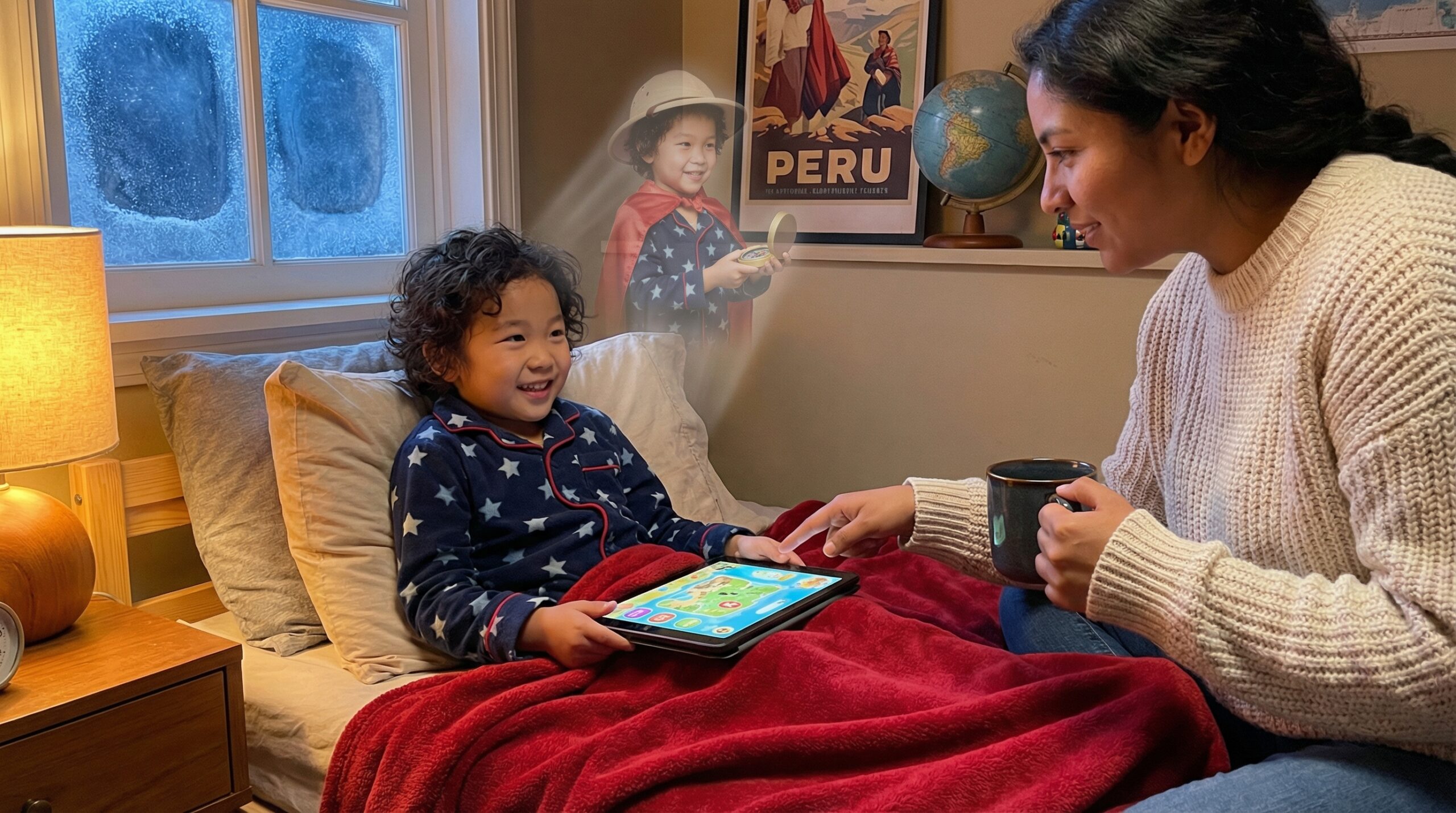
Imagine a child named Kai who becomes Captain Bloom. Kai chooses to help a shy cloud. One idea does not work, but a kinder plan succeeds. Kai falls asleep proud. That tiny triumph feels wonderfully sticky and true.
In sum, kids become the hero in their own adventure when stories put them first. This gentle focus builds language, confidence, and resilience. Try listening for the changes in speech, sleep, and play instead of test scores. For gentle personalization and bedtime-ready tales, check out Storypie.