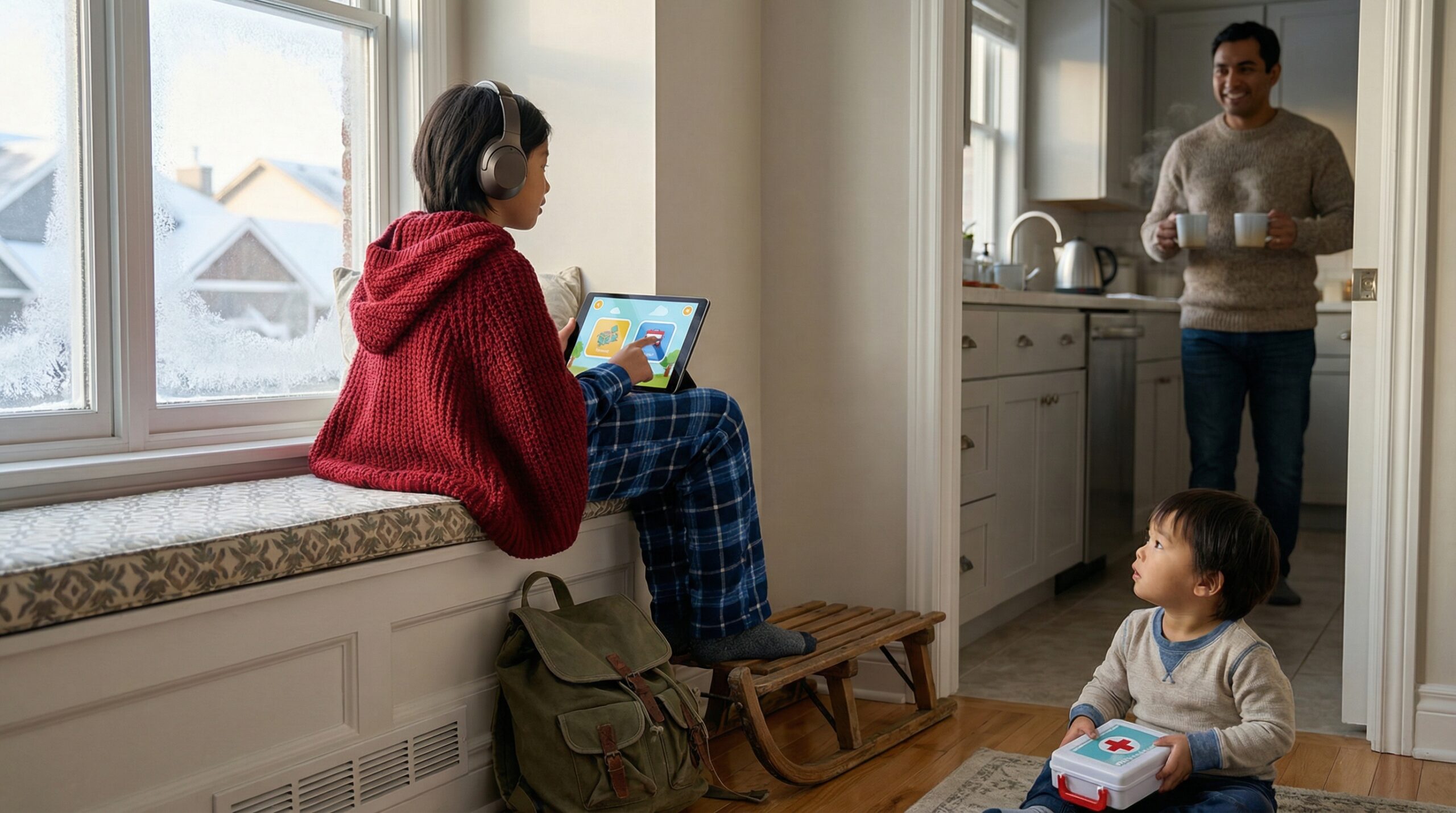
Storypie here. Kids become the hero in their own adventure when stories put them first. This simple shift makes stories stick. It invites practice, courage, and big imaginations. In fact, between 2014 and 2024, the World Bank’s investments in early childhood development increased from $2.9 billion to $18.7 billion, resulting in 31 million children enrolling in quality preschool education, emphasizing the importance of nurturing creativity in young children.
What being the hero really means
Being the hero is more than a cape or a costume. Instead, it means the child is the protagonist and a decision maker. Toddlers begin sustained pretend play around ages two to four. By early school years, they craft longer heroic tales. Because of that growth, hero play builds useful skills. Research shows that in the 2022–2023 program year, Head Start programs served 799,901 children ages birth to 5, highlighting the role of early education in nurturing diverse children’s potential to become heroes in their own stories.
Why those moments matter
- First, self efficacy grows with practice. Bandura showed mastery builds belief. Imagined wins often help real world effort.
- Next, social brains and empathy expand. Pretend play and role taking support theory of mind and perspective taking.
- Also, language, memory, and attention improve. Audio adventures invite mental imagery and strengthen sustained focus. A global LEGO Group study found that children spend, on average, just 4% of their week playing, which underscores the importance of play in children’s development and creativity, essential for them to become heroes in their adventures.
How kids become the hero in their own adventure: key features
Hero moments share a few clear features. They include age appropriate challenges and minimal adult rescue. They follow moral beats and build social bonds. Diverse protagonists help more children see themselves as capable. Cultural context also shapes what being heroic means, such as cleverness, kindness, or bravery.
What these hero experiences look like in practice
Classic books and folklore still do this well. Modern media, audio adventures, apps, role play, and outdoor leader games do it too. The best moments let the child make choices and learn from small setbacks. They keep stakes small and the wins joyful. Interestingly, a randomized pilot study published in the Journal of Creativity in December 2023 reported that just a 5-minute narrative creativity training produced measurable increases in self-efficacy and creative problem-solving in elementary students.
Quick, kid-friendly template to try tonight
Try a short first person moment. Start tiny and playful. Here is a little template you can use tonight.
- Pick a spark. Ask: what did you notice today?
- Set a tiny goal. Say: we will make a five sentence adventure where you are the hero.
- Lead the beats. Problem, try, oops, learn, celebrate. Keep lines short and playful.
- Record or press play. Hearing themselves makes the moment stick.
Practical parent tips
Match challenge to age. For toddlers stay sensory, short, and guided. For school age add leadership choices and longer plots. Also, check privacy settings and controls for any app you use. A December 2024 study found that collaborative storytelling led to higher narrative cohesion and greater on-task focus among primary students, which can enhance engagement in these activities.
Finally, audio adventures are a great low screen choice that still centers the child. Try letting your child pick the story each morning to build confidence and agency.
Explore Storypie for gentle, first-person audio adventures designed to make kids become the hero in their own adventure. Visit the Storypie homepage or try the app at Storypie get-app. These links help you start a cozy, confidence-building ritual tonight.
Good winter morning from Storypie. Tip: let your child pick the story and press play. You will see the difference.