Kids submit topics for next week gives children the mic. Invite kids to suggest a topic and watch storytime change. This simple prompt boosts listening, decision making, and ownership. In fact, approximately 40% of children aged 6–17 reported having difficulty finding books they like, highlighting the importance of giving them a voice in the storytelling process.
Why kids submit topics for next week works
First, this prompt centers children. It gives real agency and a clear voice. When a child hears their idea read aloud, confidence grows. Also, peers listen more closely. They practice attention and social skills. Finally, engagement rises because the story began with a child. Interestingly, in 2023, 52% of children expressed a desire for books that make them laugh, indicating that humor may be a key element to incorporate into these stories to increase engagement.
How to collect ideas
Offer several easy channels so everyone can join. For example:
- Digital: app submissions or email for families who prefer tech.
- Paper: a drop box in classrooms and libraries.
- In person: invite kids to tell you during circle time.
- Social: announce a simple hashtag and invite public ideas.
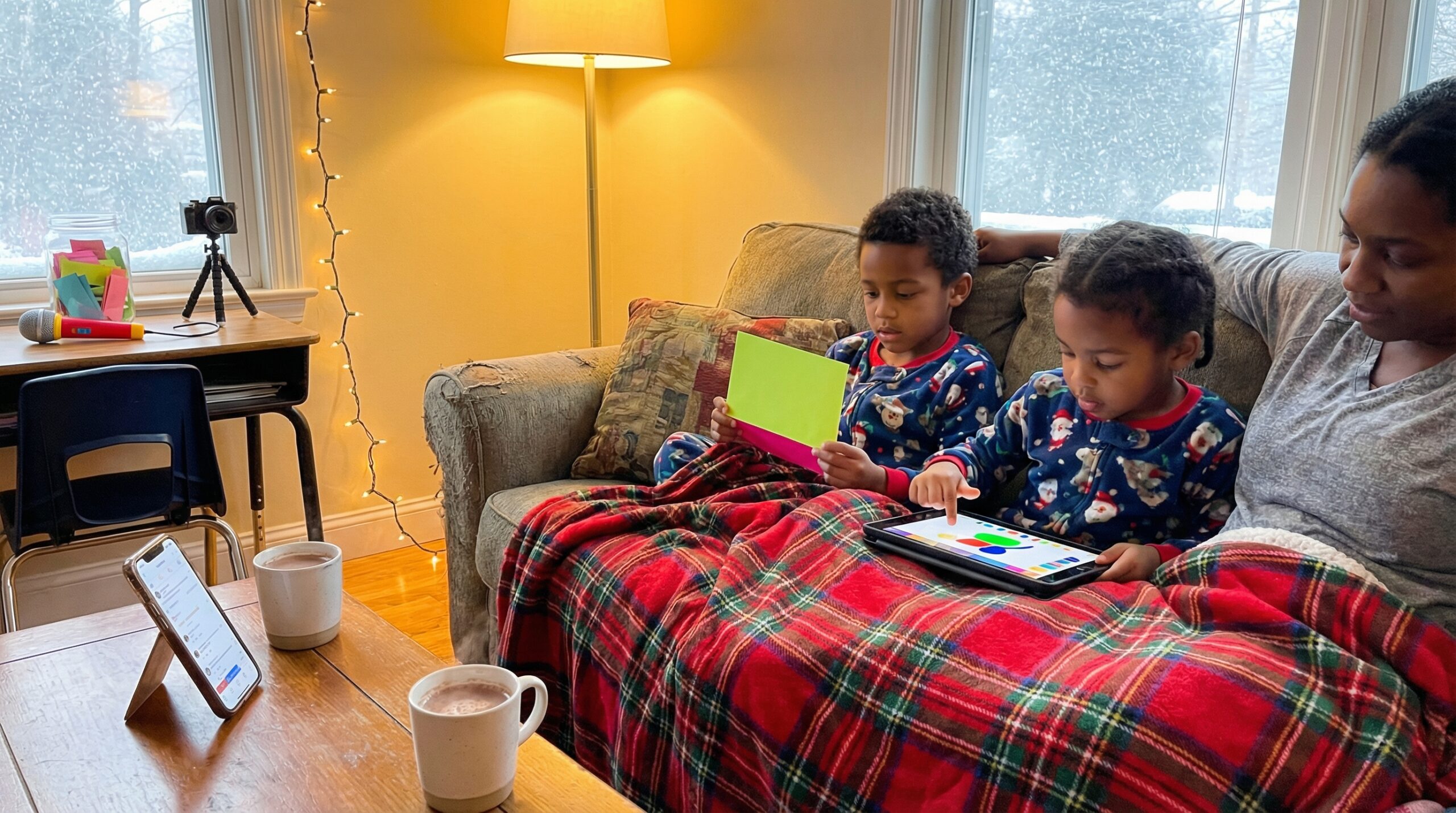
Keep the process low friction. Ask for one word, a short phrase, a drawing, or a quick voice note. For preschoolers accept a drawing or a voice clip. For early elementary, ask for one word or a short phrase. Older children can write a brief description. Simple rules help more children take part. This initiative is similar to the Kids Ask Authors podcast, which encourages children to submit questions and stories, fostering engagement with storytelling.
Timing, safety, and logistics for kids submit topics for next week
Set a clear deadline. For example, ask for submissions by Friday for next Wednesday’s storytime. Also, explain how you will use ideas and when you will announce picks. Screen every entry for privacy and safety. Remove full names and addresses. Get parental permission before posting photos or recordings. Keep a content boundary and check for inappropriate themes. Safety first, always.
Practical rules
- Deadline: Friday for next Wednesday.
- Format: one word, phrase, drawing, or voice note.
- Privacy: remove full names and personal details.
- Permission: get consent before sharing photos or audio.
Parental and caregiver role
Caregivers model how to pitch an idea. They help younger children turn a drawing into a topic. Also, they teach basic digital safety and get consent when needed. Celebrate every submission. A sticker, a shout out, or a small certificate delights children. Recognition is simple and very effective. This mirrors the success of initiatives like the “Tell Us A Story” writing competition, which encourages children to express their creativity, aligning perfectly with the goal of fostering children’s agency in storytelling.
Accessibility, inclusivity, and ongoing engagement
Accept submissions in other languages. Offer typed, spoken, and drawn options. Rotate who curates the ideas. Spotlight a child of the week. Use a small reward system and track simple metrics. For example, count submissions and repeat contributors. These steps make the project fairer and richer. The “Ask a Story” initiative by Storypie invites children to submit short, setting-focused prompts, which are then transformed into produced audio adventures, showcasing how children can lead storytelling efforts.
Shareable tip for social
Storypie idea: On a cozy afternoon, let kids steer storytime next week. Ask your child to submit one story topic today. That small act can boost confidence and pride. For families who want the app, gently link to the Storypie app for easy submissions: Get the Storypie app.
Try this micro script
Say it in plain language. “Pick one idea you want us to tell next week. It can be one word, a drawing, or a quick voice note. Drop it here by Friday.” Short. Clear. Playful. It works brilliantly.
Final thought
Invite choice. Protect privacy. Celebrate every voice. The result is simple: brighter storytimes, bolder children, and more joyful listening. Try it and watch tiny ideas become giant adventures.