What is nuclear power for kids?
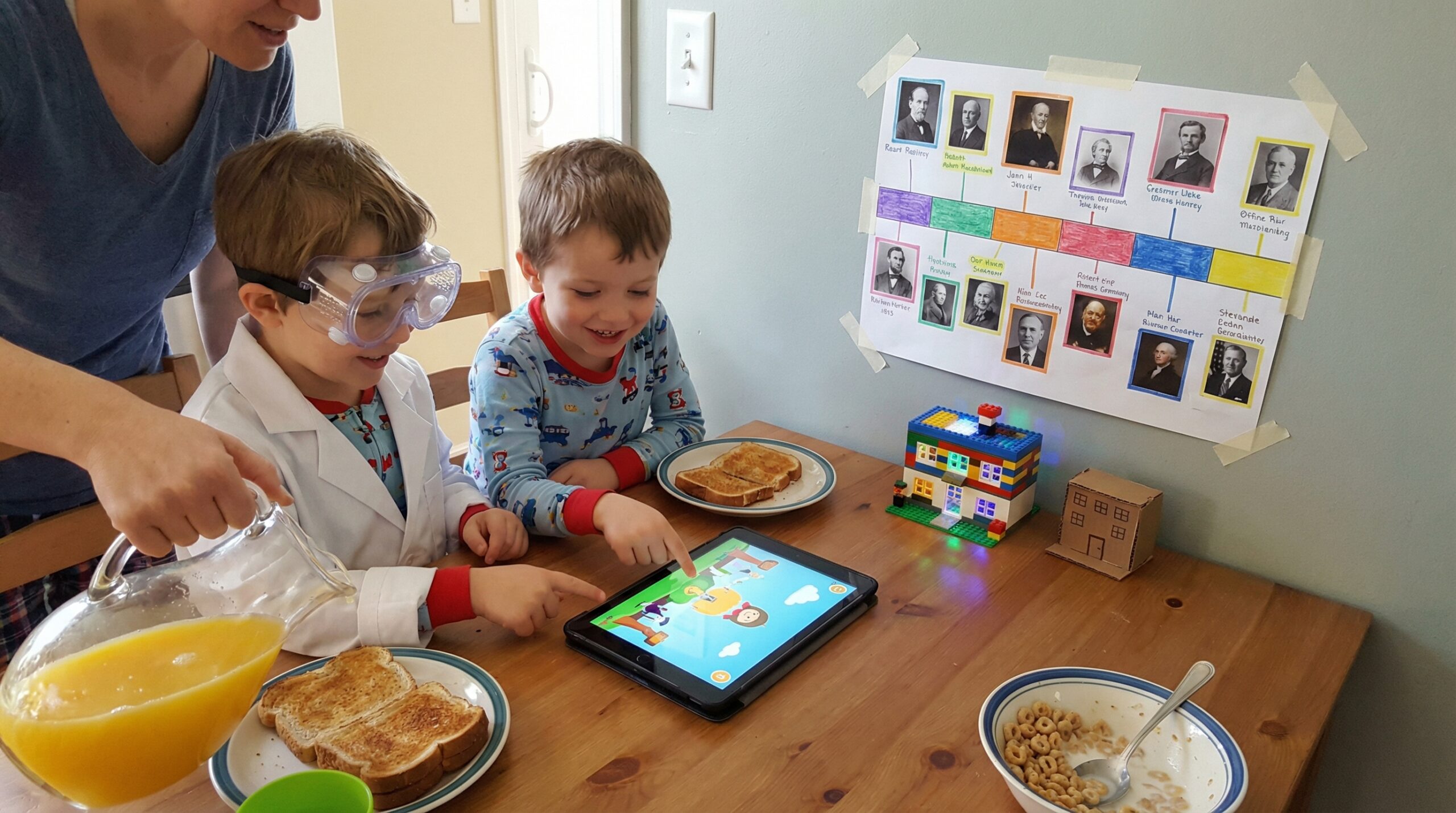
Nuclear power for kids can sound huge. Yet it is about tiny atoms doing mighty work. First, I tell a little breakfast story about lights and tiny pieces. Then I explain the idea in kid-friendly terms. Parents and teachers will find short facts and gentle answers.
A tiny history in a few bright moments
Long ago, scientists like Lise Meitner and Otto Hahn sparked an idea. Otto Hahn found pieces. Then Lise Meitner explained how atoms split. Next, Enrico Fermi built Chicago Pile 1 in 1942. He made the first controlled chain reaction. Later, Obninsk fed power to a grid in 1954. Also, Calder Hall started in 1956. Those moments feel like flashes in a bedtime tale.
How fission works, simply
Imagine a sticky ball that you break. The pieces fly away and carry energy. In reactors, we split heavy atoms such as uranium. The split releases heat. The heat makes steam. Then the steam turns turbines. Turbines spin generators and make electricity. So tiny atoms produce real power.
Safety basics parents ask about
Plants are built to protect people and nature. Control rods soak up neutrons and slow the reaction. Containment buildings keep things inside. Cooling systems and backup power protect the core. After lessons from Three Mile Island, Chernobyl, and Fukushima, rules became much stricter. Today, regulators enforce frequent inspections and safety tests.
Types of reactors and new ideas
Reactors come in many designs. PWRs and BWRs are common worldwide. CANDU uses heavy water. RBMK was a Soviet design used at Chernobyl. Fast reactors and Gen IV ideas aim to use fuel smarter and cut waste. Also, small modular reactors or SMRs are smaller and factory built. They promise simpler construction and flexible use.
Waste, storage, and answers
Spent fuel is hot at first, so it cools in pools. Later, it moves to dry casks. Some countries reprocess fuel to reuse parts. Many nations plan deep geological repositories for very long storage. Scientists and regulators work together to manage waste carefully and safely.
Why nuclear matters today
Nuclear power for kids matters because it makes steady, low carbon electricity. In 2024, nuclear reactors worldwide generated 2,667 terawatt-hours (TWh) of electricity, surpassing the previous record of 2,660 TWh set in 2006. It helps grids when wind and sun vary. Also, it powers hospitals, schools, and factories. Nuclear can help make low carbon hydrogen and desalinate water. Today, nuclear supplies about 10 percent of the world’s electricity, with 417 operational nuclear power reactors globally, having a combined capacity of 377 gigawatts electric (GW(e)). In 2024, nuclear reactors helped avoid 2.1 billion tonnes of carbon dioxide emissions from equivalent coal generation, nearly double the carbon footprint of the entire global aviation industry. Around 400 to 450 reactors operate worldwide. Agencies like the IAEA and national regulators set strict safety rules and inspections.
Quick answers to common questions
- Is it safe? Plants use many safety layers and strict oversight.
- Where does waste go? It is stored and planned for in special facilities.
- Could a plant explode like a bomb? No. Reactor fuel and design are different from weapons.
Fusion is exciting but not yet a commercial source. Nuclear power needs big upfront money. However, it runs long with low fuel costs. In 2024, the global average capacity factor for nuclear reactors was 83%, up from 82% in 2023, indicating high reliability and efficiency. Additionally, seven new nuclear reactors were connected to the grid worldwide, including three in China and one each in the United Arab Emirates, France, India, and the United States.
Try this tonight
Play a five minute Storypie story at breakfast. Ask your child to draw an atom or the sticky ball breaking. Then record one sentence that starts I noticed. Small actions build big curiosity. For a gentle start, visit Storypie.
Read or listen to a story about Nuclear Power now: For 3-5 year olds, For 6-8 year olds, For 8-10 year olds, and For 10-12 year olds.