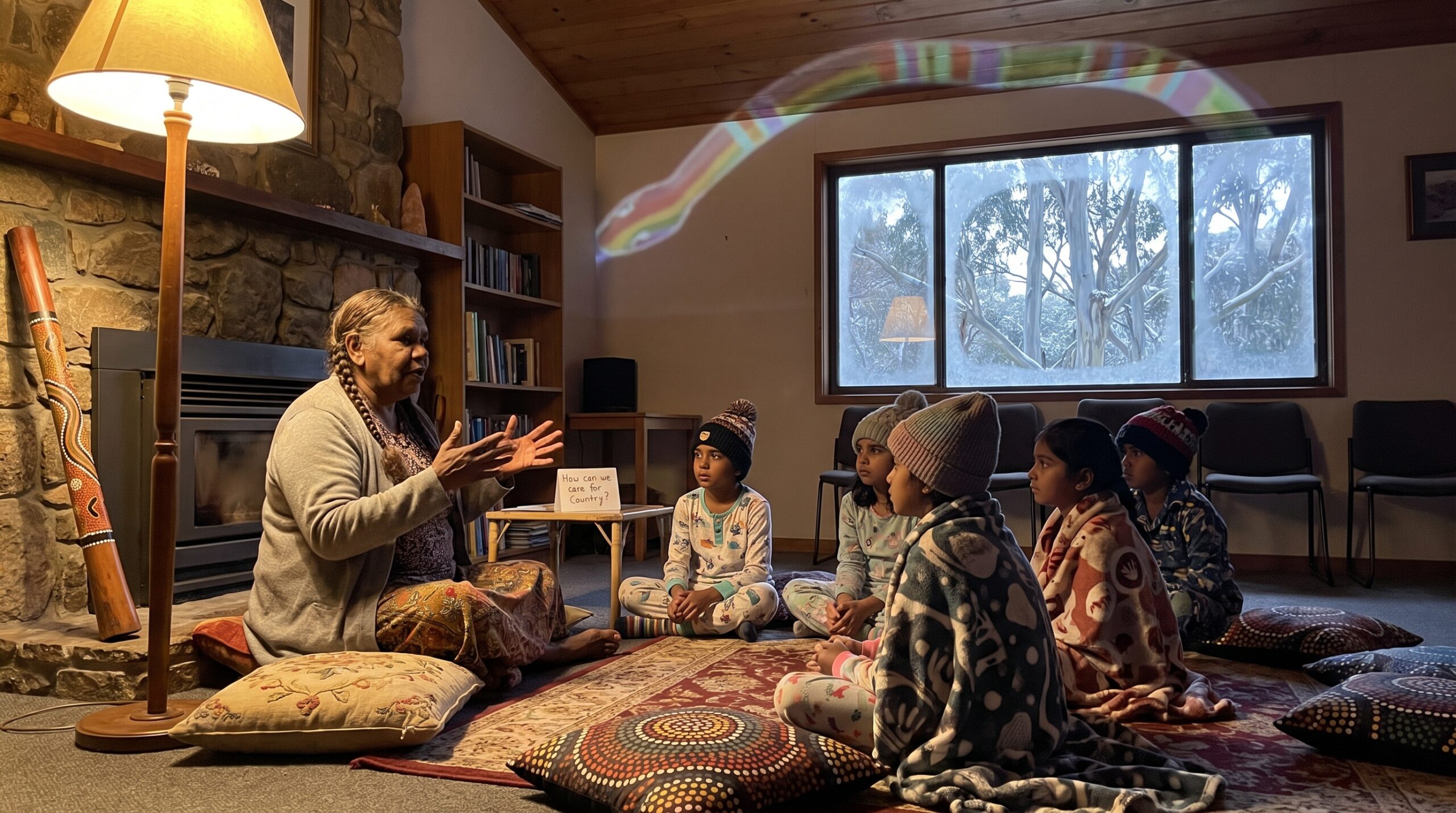
The Rainbow Serpent Aboriginal Australian stories name a powerful ancestral being. I tell children it shaped Country, water and life.
About the Rainbow Serpent Aboriginal Australian
In the Dreaming, ancestors made the land and set rules. The Rainbow Serpent often appears as a great snake, depicted as a long mythical creature made of the parts of different animals, such as a kangaroo’s or flying fox’s head. It carved rivers, dug waterholes and brought rain. Research shows that the belief in the Rainbow Serpent, a personification of fertility, increase, and rain, is common throughout Australia, with variations of the myth shared by multiple Aboriginal groups. It also links to rainbows, water, fertility and change.
Local names and belonging
Across Australia, stories differ by place. Different language groups use different names. For example, some northern nations call the being Ngalyod. The Noongar speak of the Wagyl in the south west. That variety matters because each story belongs to a place and its people.
Art, law and practical lessons
You will see Rainbow Serpent images in rock art and bark paintings. Researchers analyzed 107 rock art depictions of the Rainbow Serpent in western Arnhem Land, estimating some ‘Yam Style’ images to be between 4,000 and 6,000 years old, highlighting the ancient origins and cultural significance of the Rainbow Serpent in Aboriginal art and mythology. You will see them in contemporary works too, such as a Rainbow Serpent-themed bark painting by Balang Nakurulk from 1985, which measures precisely 125.0 cm by 59.0 cm and is part of the Art Gallery of New South Wales collection. The story is more than a myth. It teaches law and behaviour. For children, many versions offer clear lessons. They can remind young listeners to respect waterholes and to act gently on Country.
Respect and cultural safety
Respect is essential. Some parts of Rainbow Serpent stories are sacred or restricted. That means not every detail or image should be retold or copied. Therefore, use Indigenous authored books and local cultural centres. Also, check with communities before using specific songs or symbols. When in doubt, follow community guidance and credit custodians.
Simple activities and gentle follow up
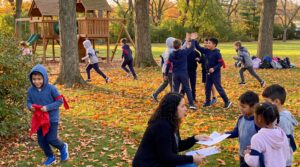
Try a short nature walk focused on water. Collect leaves and pebbles to make rainbow-coloured nature art. Visit a local cultural centre or an exhibition created with Indigenous partners. An artwork titled Rainbow serpents by Paddy Fordham Wainburranga (1989) measures 154.4 cm × 87.4 cm and depicts Ngalyod, associated with bodies of water and credited with origins of waterplants, illustrating the ongoing cultural relevance of the Rainbow Serpent. If you buy art, buy from Indigenous artists or accredited galleries so your support reaches the right people.
Read or listen to a story about The Rainbow Serpent – Aboriginal Australian now: For 3-5 year olds, For 3-5 year olds, For 6-8 year olds, For 8-10 year olds, and For 10-12 year olds.
Finally, if you want the app, visit Storypie for more stories and age guides. Visit Storypie.
Stories like the Rainbow Serpent teach wonder and care. Above all, centre Indigenous voices, permission and guidance. That small habit is delightfully simple and deeply important.