
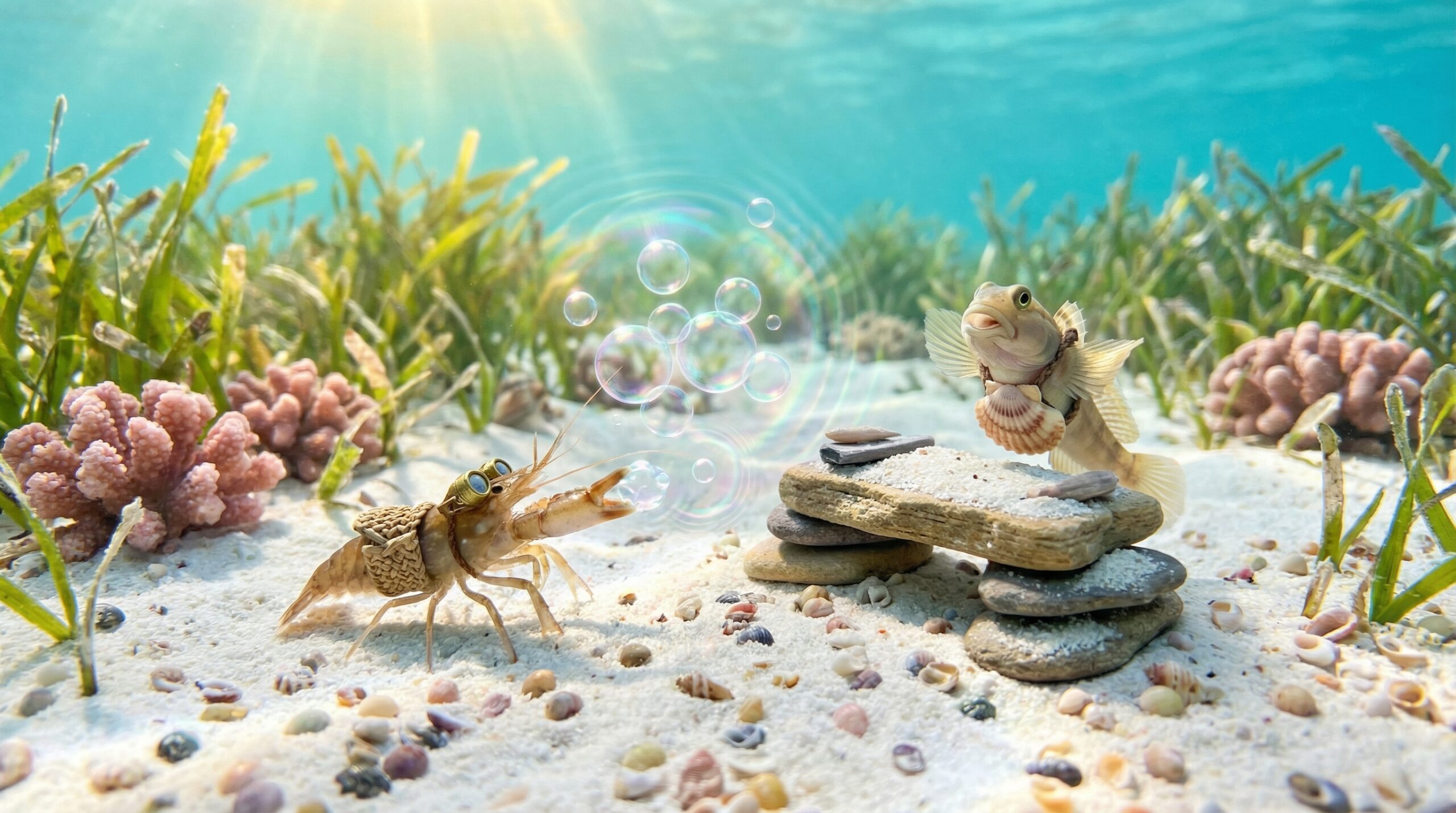
Shrimp facts for kids open a small wonder. Shrimp pull children into science with tiny, dramatic moves.
Shrimp facts for kids: What shrimp look like
Shrimp are crustaceans with segmented bodies. They wear a hard shell called an exoskeleton. Their head and thorax form a cephalothorax.
They have ten legs, antennae, claws, and a segmented abdomen. The abdomen ends in swimmerets and a tail fan. Sizes range from tiny to large. Many shrimp live in the sea. Some live in freshwater or brackish water.
Types of shrimp and odd relatives
True shrimp often belong to the Caridea group. Prawns are related but different. Mantis shrimp are not true shrimp. They are stomatopods with remarkable vision and powerful clubs.
Some shrimp hide under rocks. I once found a tiny caridean under a ledge. My child named it Snapper and we smiled about how small things can be mighty.
Life cycle and molting
Life begins as eggs. Females often carry eggs under their abdomen. Larvae pass through nauplius, zoea, and mysis stages before settling.
Shrimp grow by molting. They shed their shell and wait for a new one to harden. They become vulnerable during that time. Short, sharp, and fascinating.
Behavior that dazzles
Shrimp behavior often surprises kids. Some burrow into sand. Some filter feed. Others clean fish by picking off parasites.
Snapping shrimp have an oversized claw that snaps closed so fast it makes a cavitation bubble. The snap makes a loud pop and a tiny flash. Tiny but mighty, indeed.
I love showing children the goby and shrimp team. The shrimp digs the home and the goby watches for danger. The goby signals with its tail and both stay safe together.
Shrimp in food webs and kitchens
Shrimp recycle algae and detritus. They feed fish, birds, and mammals. People eat shrimp around the world. They are rich in protein and some omega-3s.
Raw shrimp turn pink when cooked because heat frees astaxanthin. Safety first: cook shrimp thoroughly, watch for shellfish allergies, and store seafood safely.
The global shrimp market size was valued at USD 74.7 billion in 2025 and is expected to reach USD 106.1 billion by 2031, exhibiting a growth rate (CAGR) of 3.80% from 2026 to 2034, highlighting the economic importance of this tiny creature in our kitchens and markets according to IMARC Group.
Threats and why coasts matter
Threats to shrimp are real. Overfishing and destructive trawling harm shrimp populations. Mangrove loss and sloppy farm practices damage their homes.
Warming seas and pollution add stress. Teach kids that healthy coasts mean healthy shrimp and healthier oceans. In fact, in 2024, global shrimp imports decreased by 1.6% in volume and 5.9% in value compared to the previous year, which reflects the challenges facing the shrimp industry according to FAO GLOBEFISH.
Explore shrimp with kids
Try tidepool walks or aquarium visits. Also try a simple craft: make a paper shrimp to show molting. Ask one easy question after a quick story: What surprised you?
Playfully count shrimp legs. Spot claws and antennae. At markets, look for ASC or MSC labels and talk about mangroves. Small acts add up.
Try a short Storypie tale at breakfast. It sparks simple conversation. For a cheerful listen, try our Spring Morning story that features a snapping shrimp and its goby friend. You can also visit Storypie for more.
Read or listen to a story about Shrimp now: For 3-5 year olds, For 6-8 year olds, For 8-10 year olds, and For 10-12 year olds.
Read or listen to a story about Shrimp now: For all ages.
Want more stories? Visit Storypie to explore and play gentle, short tales for young listeners.