Weathering for kids turns sky-watching into tiny, joyful lessons. Ask one simple question tonight: “What do those clouds tell us?” This small question builds observation and basic science sense fast. Understanding weather is not just fun; it can have significant consequences. In 2024, the United States experienced 27 weather and climate disasters, each causing damages exceeding $1 billion, totaling approximately $182.7 billion in costs.
Try this tonight: Weathering for kids
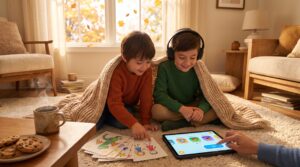
Start with a single, playful prompt. Let your child guess what the clouds mean. Celebrate every attempt. A tiny prediction becomes a joyful mini-mission.
What weathering means
Weathering is the state of the air around you. It includes temperature, wind, rain, clouds, and visibility. It also covers humidity and air pressure. Remember, short-term weather is not climate. Weather is today. Climate is the long story. Moreover, natural weathering plays a role in our environment, as in the United Kingdom, where it is estimated to remove 6.4 Mt CO2 yr−1, contributing to longer-term carbon sequestration.
Main elements, made simple
Here are the main parts of weathering to notice:
- Temperature tells how warm or cold it feels.
- Precipitation means rain, snow, sleet, or hail.
- Wind shows how fast and which way the air moves.
- Humidity is how much moisture is in the air.
- Air pressure is the weight of the air above you. Falling pressure often means wind and rain may come.
Cloud clues and common systems
Clouds are great little weather teachers. For example, cirrus clouds are high and wispy. They often mean change is coming.
Cumulus clouds look fluffy and fair on calm days. If they grow tall, they can become cumulonimbus storm clouds. Stratus clouds form flat layers and can bring drizzle.
Low pressure brings rising air, clouds, and rain. High pressure brings calmer and clearer weather. Fronts mark the boundary between air masses. Cold fronts can bring sudden showers. Warm fronts bring longer, gentler rain.
Simple instruments to know
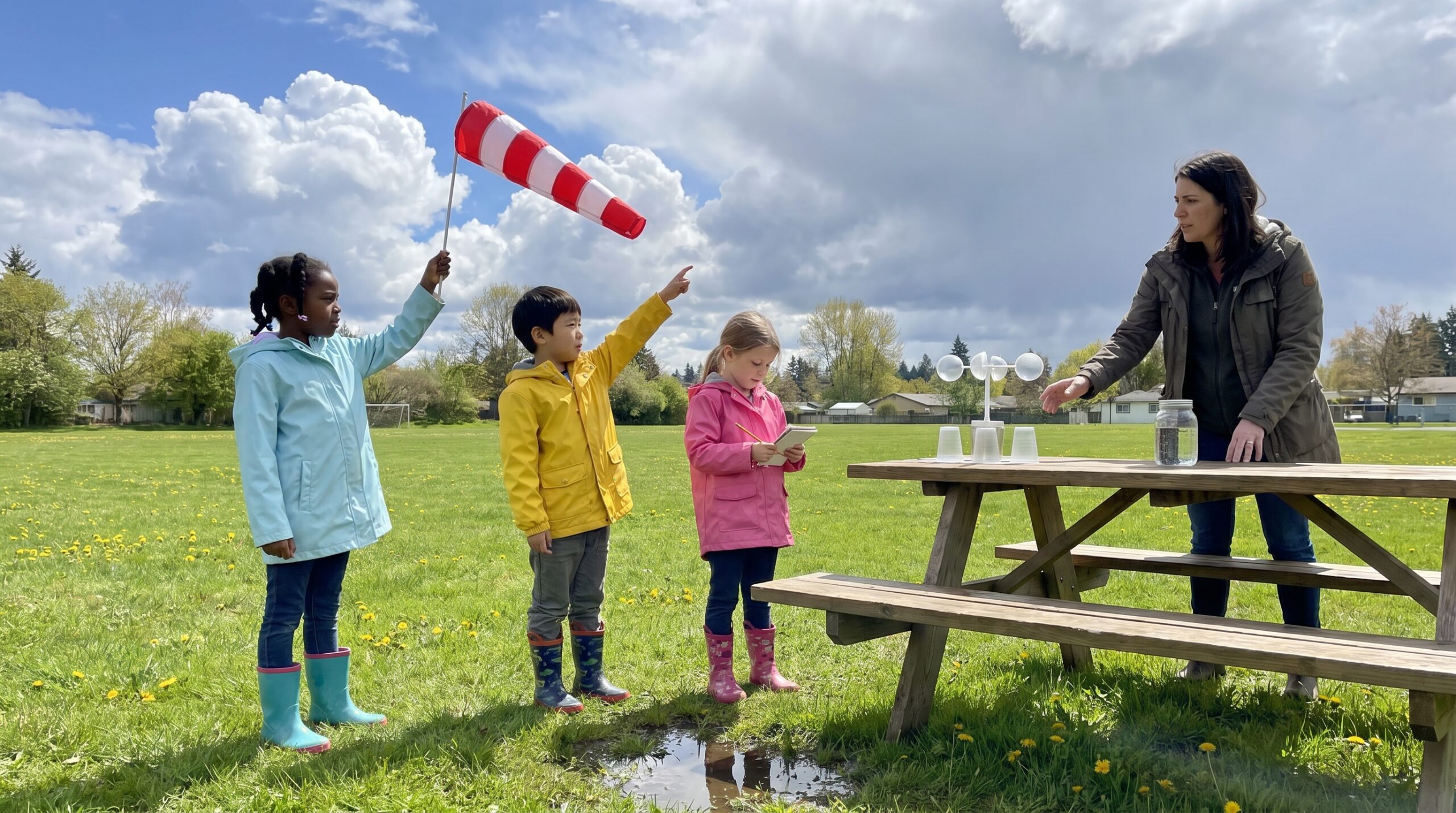
These tools help families notice weathering in everyday life:
- Thermometer for temperature
- Barometer for pressure
- Rain gauge for rainfall
- Anemometer and wind vane for wind
- Hygrometer for humidity
Radar and satellites show rain and cloud from above. They give wider context to local observations. Since the 1960s, weather satellites have greatly improved our ability to monitor weather patterns and make forecasts.
Quick family activities
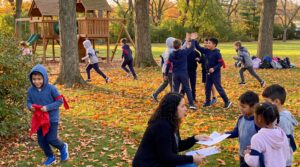
Try short, safe activities to practice weathering together. Most are playful and quick.
- Rain gauge (ages 5+ with help): mark a clear bottle and measure rainfall. Supervise pouring.
- Cloud journal (ages 4+): draw clouds and note time and temperature.
- Paper wind vane (ages 6+): test direction in a garden or on a balcony.
- Shadow tracking (ages 4+): mark a toy shadow hourly to see the sun move.
- Mini storm checklist (ages 6+): pack water and warm layers for a wet walk.
How people learned to forecast
People first used sky-watching and rules of thumb. In the 1600s, Torricelli invented the barometer. In the 1800s, the telegraph let stations share reports and make early weather maps.
Later, organised forecasting started in the 1850s. Radar mapped storms in the 1940s. The first weather satellites arrived in 1960, which enabled better tracking of storms and weather systems. Today, many observations feed computers and models. Forecasters check these models to issue useful predictions. For instance, a 2024 systems-modeling study estimated carbon removal from enhanced rock weathering techniques, showcasing the connection between weathering and climate action.
Safety basics
Safety matters when exploring weathering. In thunderstorms stay indoors and away from windows. Never drive or paddle through floodwater. In heat, keep kids hydrated and out of peak sun. In cold, layer up and watch for ice. Check Storypie for relevant local warnings before heading out.
Read or listen to a story about Weathering now: Read or listen to a story about Weathering now
Read or listen to a story about Weathering now: For 3-5 year olds, For 6-8 year olds, For 8-10 year olds, and For 10-12 year olds.
Try it tonight. Ask one clue. Make one prediction. Celebrate the attempt. You will have started a tiny superpower: a child who watches the sky and thinks like a little scientist.