Deutsch

Aktiv sein
Aktiv sein oder körperliche Aktivität bezeichnet jede von Skelettmuskeln erzeugte Körperbewegung…
Liest um Klassen 6–8 Hört zu bei Klassen 4–8
Drucken & erstellen
Antwortschlüssel·Keine Vorbereitung·Kostenlos mit einem Konto
27 Arbeitsblätter · Antwortschlüssel · volle Geschichte · Quiz · Alter 10-12 · CEFR B2
Zusätzlich gibt es 279,000+ weitere Geschichten in 27 Sprachen, Audio für jede einzelne und Druckvorlagen für alle.
Möchtest du nur Aktiv sein?
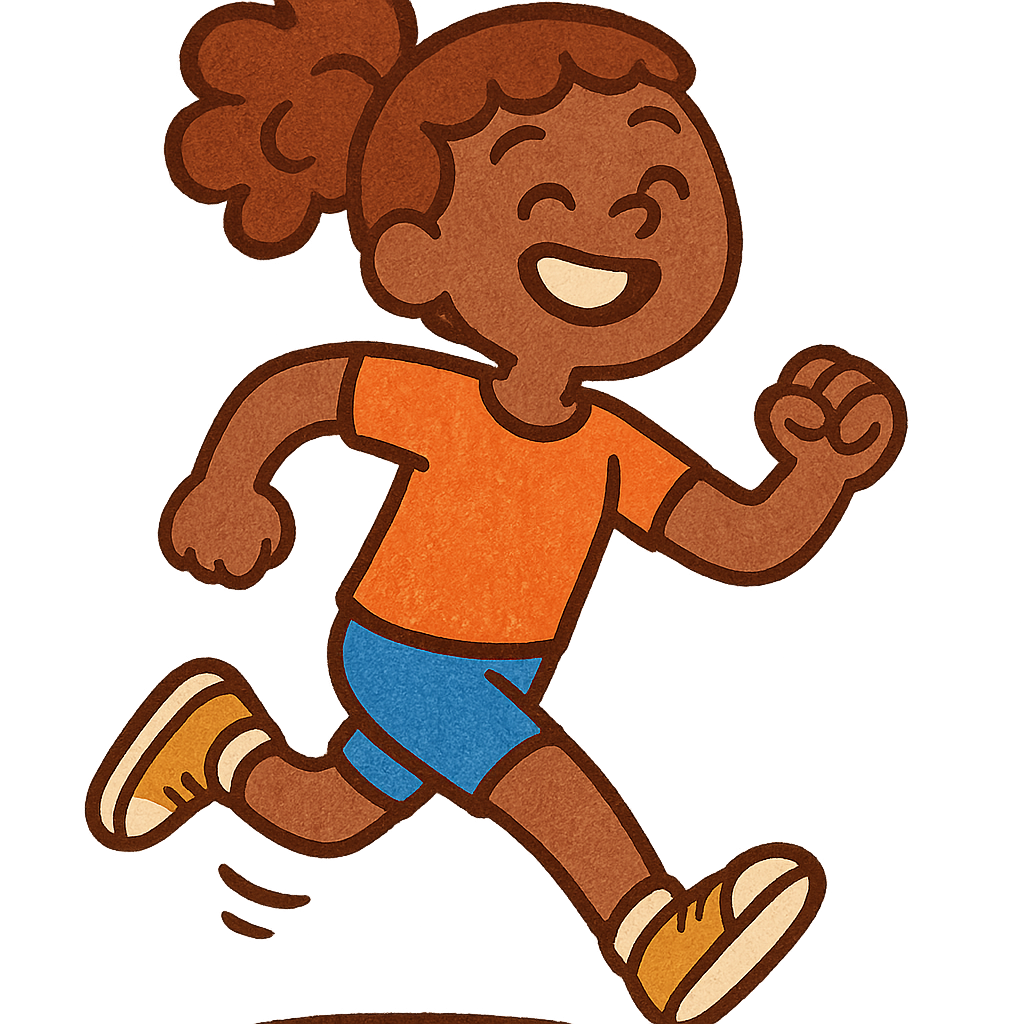
I want to explore what it truly means to be active. It’s a simple concept: being active is about moving your body in ways that make your heart beat a little faster and your breathing a little deeper. This doesn't mean you have to be a star athlete. Activity can be as fun and simple as dancing in your room to your favorite song, or as helpful as taking the dog for a walk around the block. Our bodies are designed for movement. When we move them, they respond by getting stronger and more efficient. I often compare it to how we train our minds; just as practicing a math problem makes your brain sharper, regular physical activity makes your body stronger. You can feel this difference in your everyday life. Consider a day where you spend most of your time sitting, perhaps watching screens or reading. Now, compare that to a day where you include movement, like playing outside or riding your bike. You will likely notice a significant difference in your energy levels and even your overall mood. On active days, you often feel more awake and positive. The key to making activity a regular part of your life is to find things you genuinely enjoy. When movement is something you look forward to, it transforms from a chore you have to do into a fun and rewarding part of your day.
Now, let’s create a simple how-to guide to help you find your move and incorporate it into your life. The first step is to explore your options. I want you to think about all the activities that sound fun and exciting. This could be anything from riding a bike on a sunny afternoon, feeling the cool water while swimming, learning the focused movements of a martial art, or even just having an energetic dance party with friends or family. Make a list of everything that sparks your interest. The second step is to choose one or two of these activities to try for a week. This is your chance to experiment without any pressure. The goal is to discover what feels good for your body and what you find genuinely enjoyable. Step three is to plan it into your schedule. Just like homework or chores, you can schedule your activity. Maybe you set aside 30 minutes after school each day or a longer block of time on the weekend. Putting it on your calendar makes it a priority. When you are ready to begin, always start with a warm-up. This is step four. Gently stretching your arms and legs for a few minutes gets your blood flowing and prepares your muscles for movement. As you do your chosen activity, take a moment to notice what’s happening in your body. Feel your muscles working and your heart pumping a bit faster. That sensation is a clear sign that your body is getting stronger. The final and most important steps are to listen to your body and cool down. If you feel a sharp pain, that’s your body’s way of telling you to slow down or stop. It’s always okay to take a break. Afterward, finish with a cool-down, which involves more gentle stretching to help your muscles relax.
A Guide to Being Active
I want to explore what it truly means to be active. It’s a simple concept: being active is about moving your body in ways that make your heart beat a little faster and your breathing a little deeper. This doesn't mean you have to be a star athlete. Activity can be as fun and simple as dancing in your room to your favorite song, or as helpful as taking the dog for a walk around the block. Our bodies are designed for movement. When we move them, they respond by getting stronger and more efficient. I often compare it to how we train our minds; just as practicing a math problem makes your brain sharper, regular physical activity makes your body stronger. You can feel this difference in your everyday life. Consider a day where you spend most of your time sitting, perhaps watching screens or reading. Now, compare that to a day where you include movement, like playing outside or riding your bike. You will likely notice a significant difference in your energy levels and even your overall mood. On active days, you often feel more awake and positive. The key to making activity a regular part of your life is to find things you genuinely enjoy. When movement is something you look forward to, it transforms from a chore you have to do into a fun and rewarding part of your day.
Now, let’s create a simple how-to guide to help you find your move and incorporate it into your life. The first step is to explore your options. I want you to think about all the activities that sound fun and exciting. This could be anything from riding a bike on a sunny afternoon, feeling the cool water while swimming, learning the focused movements of a martial art, or even just having an energetic dance party with friends or family. Make a list of everything that sparks your interest. The second step is to choose one or two of these activities to try for a week. This is your chance to experiment without any pressure. The goal is to discover what feels good for your body and what you find genuinely enjoyable. Step three is to plan it into your schedule. Just like homework or chores, you can schedule your activity. Maybe you set aside 30 minutes after school each day or a longer block of time on the weekend. Putting it on your calendar makes it a priority. When you are ready to begin, always start with a warm-up. This is step four. Gently stretching your arms and legs for a few minutes gets your blood flowing and prepares your muscles for movement. As you do your chosen activity, take a moment to notice what’s happening in your body. Feel your muscles working and your heart pumping a bit faster. That sensation is a clear sign that your body is getting stronger. The final and most important steps are to listen to your body and cool down. If you feel a sharp pain, that’s your body’s way of telling you to slow down or stop. It’s always okay to take a break. Afterward, finish with a cool-down, which involves more gentle stretching to help your muscles relax.
The benefits of being active go far beyond just building strong muscles. It positively impacts your mental and emotional wellness, too. I've learned that physical activity can be a fantastic way to handle feelings of stress or frustration. When you move your body, whether by running, jumping, or stretching, it gives your mind a break and can help you think more clearly. This mental reset is incredibly helpful. Activity also has a direct link to how well you sleep. An active day helps your body feel ready for rest at night, leading to deeper, more restorative sleep. When you sleep well, you wake up feeling more rested and ready to take on the challenges of school and other activities. Beyond your own well-being, there is a significant social side to being active. You can join a team and work together toward a common goal, play games with friends at the park, or go for a hike with your family. These shared experiences build strong friendships and teach valuable skills like communication and teamwork. Lastly, being active is a huge confidence booster. Every time you master a new skill—whether it’s learning to hit a baseball, perfecting a new dance move, or riding your bike a little farther than before—you feel a sense of accomplishment. This feeling is powerful and can make you feel more capable in all areas of your life.
So, why does all of this matter today and for your future? Being active now builds a strong foundation for a healthy life. The habits you form today help to keep your heart, bones, and mind healthy for many years to come. Think of it as an investment in your future self. Establishing these habits now makes it much easier and more natural to stay healthy when you are an adult. In our modern world, where we spend a lot of time with screens for school and fun, making a conscious choice to move your body is a powerful way to take care of yourself. It’s about creating balance. The energy you gain from being active is essential. It fuels you for schoolwork, allows you to enjoy your hobbies, and gives you the stamina to have fun with friends. Ultimately, being active helps you feel your best, not just in the future, but every single day.
Wow-Fakten
Über
Aktiv sein oder körperliche Aktivität bezeichnet jede von Skelettmuskeln erzeugte Körperbewegung, die einen Energieaufwand erfordert. Es ist ein grundlegender Aspekt der menschlichen Gesundheit und des Wohlbefindens und umfasst eine breite Palette von Aktivitäten, von Sport und Bewegung bis hin zu alltäglichen Aufgaben wie Gehen oder Hausarbeiten.
Mach ein Quiz
Frage 1 von 5
What is the main idea of the section 'More Than Just Muscles'?
Nächstes erkunden





Möchtest du noch mehr machen?
Gehe über das Erkunden hinaus. Entsperre Werkzeuge, die jede Geschichte in echtes Lernen verwandeln.

Storypie Plus für Familien
Vollständige Geschichten, Quizze und Druckvorlagen. Nächte und Autofahrten, organisiert.
- Unbegrenzte Audio-Geschichten
- Erstellmodus: Dein Kind ist der Star der Geschichte
- Offline-Downloads
- Druckbare Arbeitsblätter & Ausmalbilder

Warum Storypie für Schulen
Engagierte Schüler. Vorbereitung in Sekunden. Abende gehören wieder Ihnen.
- Arbeitsblätter & Quizze
- Klassenraumverwaltung
- Formatives Assessment
- Benutzerdefinierter Lehrplan & Unterrichtspläne
- 27 Sprachen

Warum Storypie für Homeschooling
Lehrplan erledigt. Sie werden nach mehr fragen. Stunden zurück in Ihrem Tag.
- Arbeitsblatt-Generator
- Audio-Geschichten aus der Ich-Perspektive
- Integrierte Verständnisquizze
- Individueller Lehrplan & Unterrichtspläne
- Druck- und Mitnehm-Aktivitäten