English

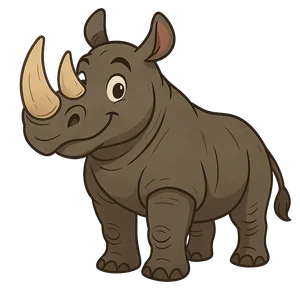
Black Rhinoceros
The Black Rhinoceros is a large herbivorous mammal native to eastern and southern Africa…
Reads at Grades 3–5 Listens at Grades 1–5
Print & create
Answer keys·No prep·Free with an account
28 worksheets · answer keys · full story · quiz · Ages 8-10 · CEFR B1
Plus adds 208,000+ more stories in 27 languages, audio for every one, and printables for all of them.
Just want Black Rhinoceros?
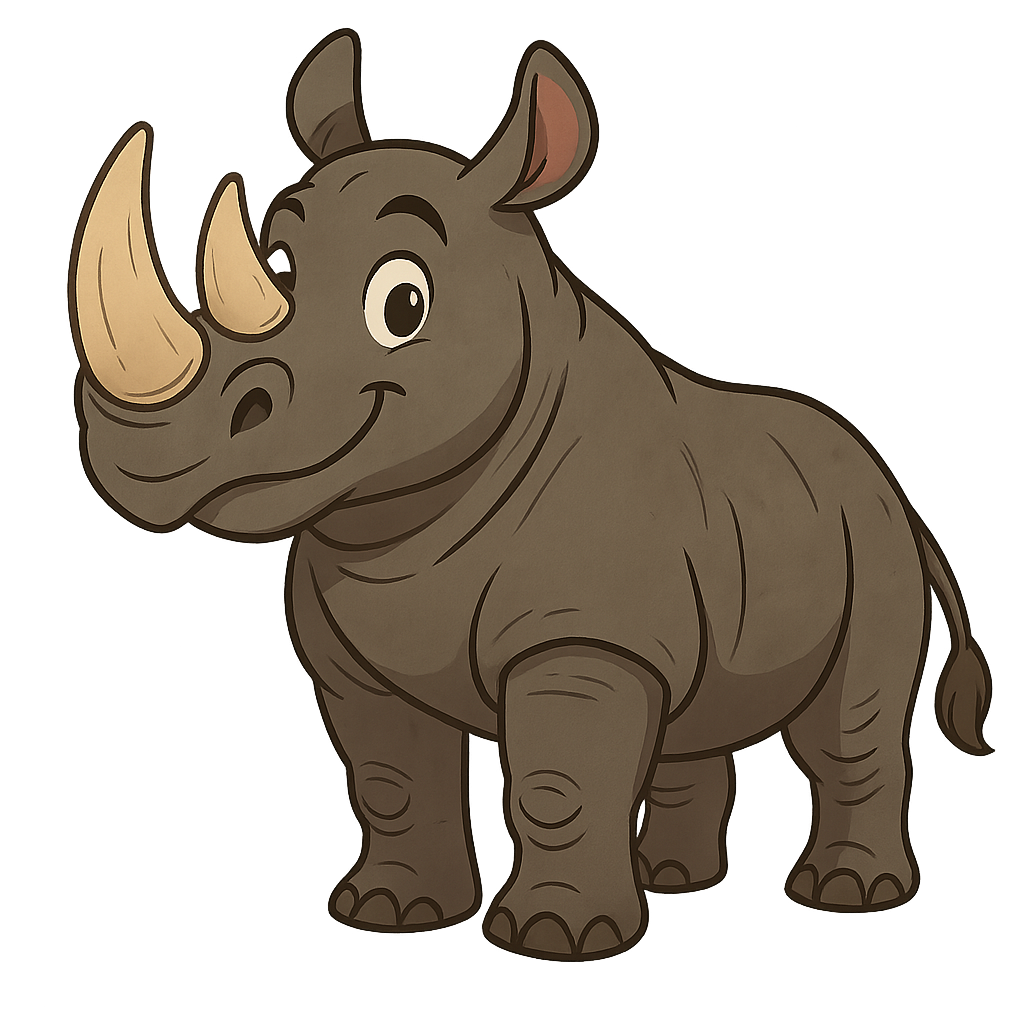
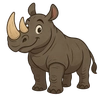
Hello from the sunny savannas of Africa! I am a Black Rhinoceros, and my name is a little bit of a puzzle because my skin is actually a lovely shade of grey. Scientists gave my species its official name, Diceros bicornis, way back in 1758. I spend my days exploring the wide-open spaces of my home. My best tool for eating is my special hooked upper lip. It works like a little finger to grab tasty leaves and twigs right off the bushes. I also have two horns on my nose, made of the same thing as your fingernails. The one in the front is always the biggest and is very useful for defending myself and pushing through thick brush.
My daily routine is all about finding food and staying comfortable. You might see some animals eating grass, but not me. I’m what you call a 'browser,' which means I prefer to eat plants, like the leaves and twigs from thorny acacia bushes. They are my favorite! After a good meal, one of my favorite things to do is take a long, relaxing mud bath. The thick, cool mud covers my skin and acts like sunscreen, protecting me from the hot African sun. It also keeps pesky bugs from bothering me. I do most of my moving around during the cool parts of the day, like in the morning and evening. Sometimes, if the moon is bright, I'll even wander around at night when the air is fresh and still.
I have a secret: my eyesight isn’t very good. But what I lack in sight, I make up for with my other amazing senses. My hearing is incredible. My big, cone-shaped ears can turn and swivel in almost any direction, like satellite dishes, to catch sounds from far away. This helps me know if a predator, like a lion or a hyena, is trying to sneak up on me. My sense of smell is just as fantastic. My nose can pick up the scent of my next meal or warn me of danger from very far away, giving me plenty of time to get ready or move to safety.
A Black Rhinoceros's Story
Hello from the sunny savannas of Africa! I am a Black Rhinoceros, and my name is a little bit of a puzzle because my skin is actually a lovely shade of grey. Scientists gave my species its official name, Diceros bicornis, way back in 1758. I spend my days exploring the wide-open spaces of my home. My best tool for eating is my special hooked upper lip. It works like a little finger to grab tasty leaves and twigs right off the bushes. I also have two horns on my nose, made of the same thing as your fingernails. The one in the front is always the biggest and is very useful for defending myself and pushing through thick brush.
My daily routine is all about finding food and staying comfortable. You might see some animals eating grass, but not me. I’m what you call a 'browser,' which means I prefer to eat plants, like the leaves and twigs from thorny acacia bushes. They are my favorite! After a good meal, one of my favorite things to do is take a long, relaxing mud bath. The thick, cool mud covers my skin and acts like sunscreen, protecting me from the hot African sun. It also keeps pesky bugs from bothering me. I do most of my moving around during the cool parts of the day, like in the morning and evening. Sometimes, if the moon is bright, I'll even wander around at night when the air is fresh and still.
I have a secret: my eyesight isn’t very good. But what I lack in sight, I make up for with my other amazing senses. My hearing is incredible. My big, cone-shaped ears can turn and swivel in almost any direction, like satellite dishes, to catch sounds from far away. This helps me know if a predator, like a lion or a hyena, is trying to sneak up on me. My sense of smell is just as fantastic. My nose can pick up the scent of my next meal or warn me of danger from very far away, giving me plenty of time to get ready or move to safety.
My story hasn't always been easy. For a long time, my family and I faced a very serious problem. During the 20th century, especially between the years 1960 and 1995, the number of black rhinos became very, very small. This happened because of illegal hunting, which is called poaching. Sadly, people wanted our horns. Our horns are just made of something called keratin, which is the same stuff that's in your fingernails. This problem was so bad that by 1995, our population had dropped by 98%. There were only about 2,500 of us left in the whole world, which was a very scary time for my kind.
But my story is also one of hope. Just when things looked their darkest, wonderful people called conservationists and brave rangers started working very hard to protect us. Since the 1990s, their work has helped our population to more than double in size! They created safe homes for us in national parks and special reserves where we could live without fear. In 1993, a group called the International Rhino Foundation was formed, and organizations like this have made a huge difference. They help watch over us, make sure we have healthy habitats, and teach people why it is so important for rhinos to be a part of the world.
You might just see a big, grey animal, but I have a very important job in my ecosystem. Because I am a large plant-eater, I'm like a gardener for the savanna. When I munch on bushes and trim tree branches, I create new paths and open spaces. This lets more sunlight reach the ground, which helps other kinds of plants grow. These new open areas also become homes for smaller animals. By protecting rhinos like me, people are also helping to protect the entire beautiful African landscape for all the other animals and for everyone to enjoy.
Wow facts
About
The Black Rhinoceros is a large herbivorous mammal native to eastern and southern Africa, known for its two horns and a distinctive prehensile, or hooked, upper lip used for browsing on leaves and twigs. It is classified as critically endangered, primarily due to decades of poaching for its horn.
Take a Quiz
Question 1 of 5
The story says the rhinoceros is a 'browser.' What does the word 'browser' mean in this context?
Explore next
Want to do even more?
Go beyond exploring. Unlock tools that turn every story into real learning.

Storypie Plus for families
Full stories, quizzes, and printables. Nights and car rides, sorted.
- Unlimited audio stories
- Create Mode: your child stars in the story
- Offline downloads
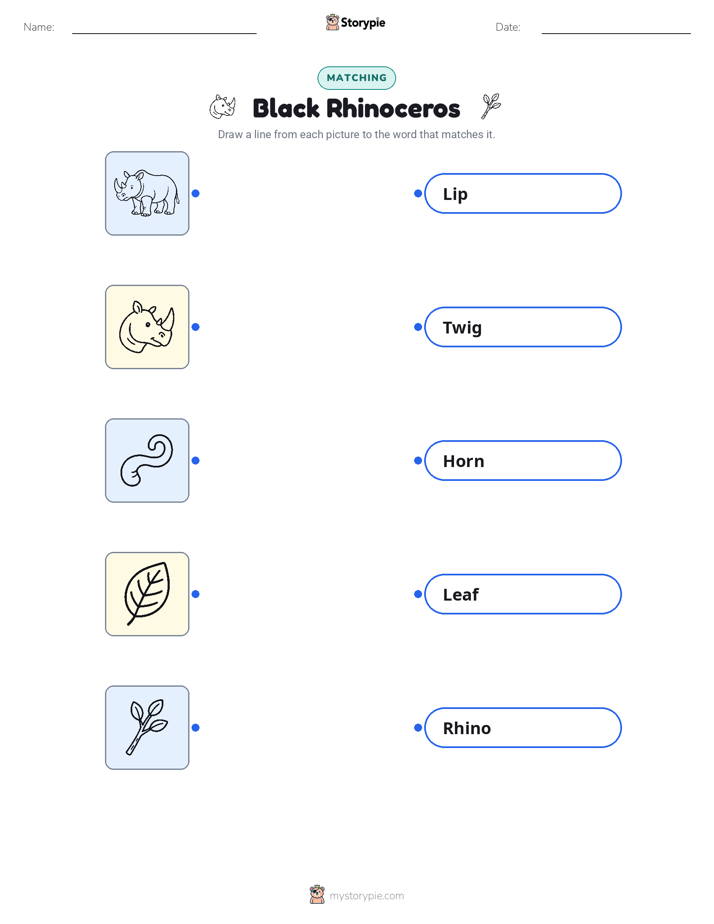
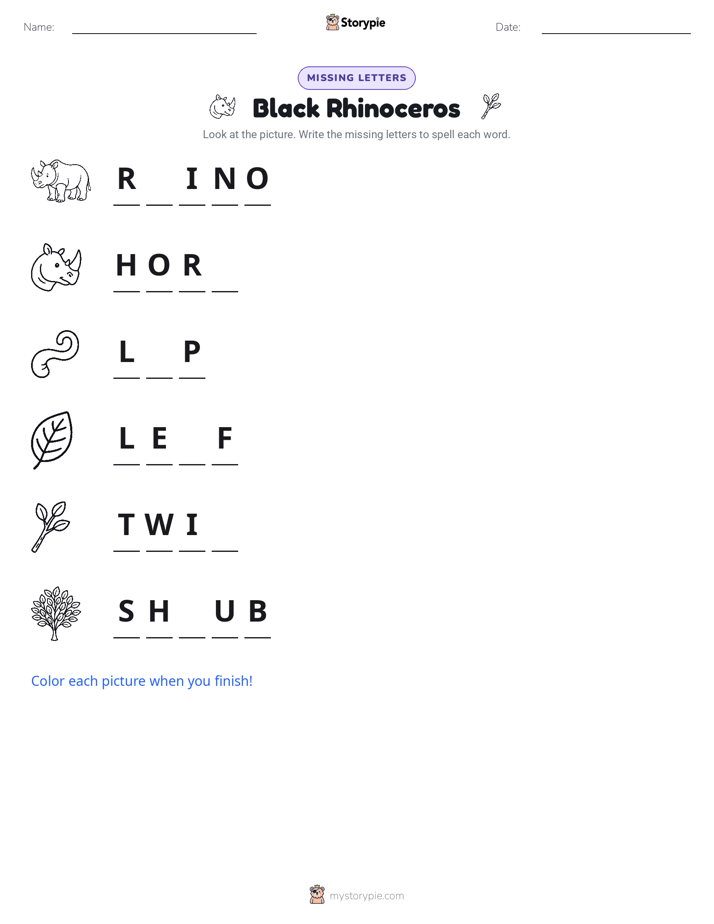
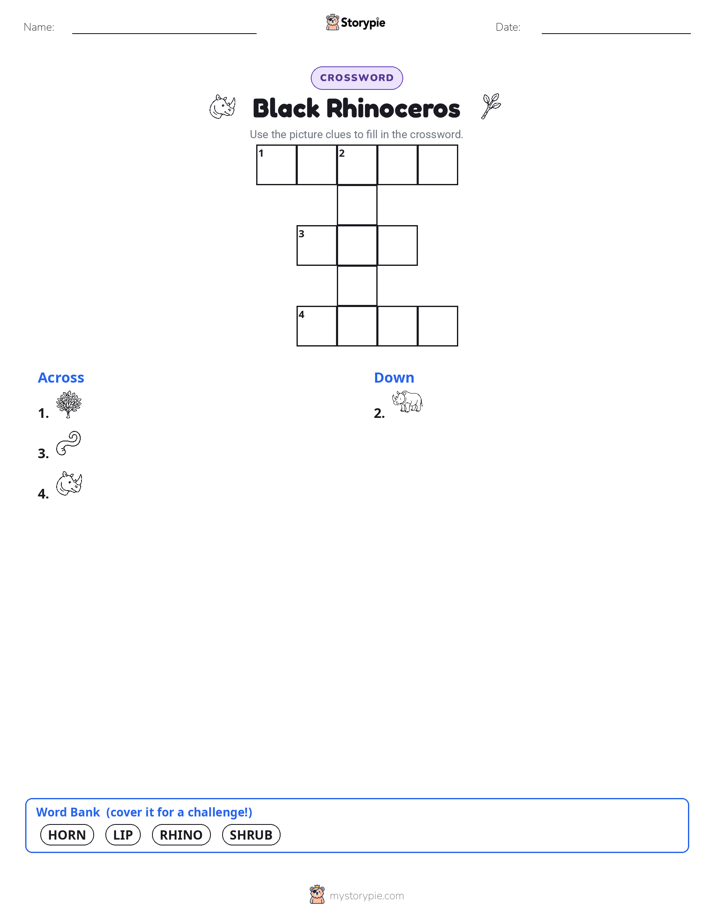
- Printable worksheets & coloring pages

Why Storypie for Schools
Students engaged. Prep in seconds. Evenings back to you.
- Worksheets & Quizzes
- Classroom Management
- Formative Assessment
- Custom Curriculum & Lesson Plans
- 27 Languages

Why Storypie for Homeschool
Curriculum done. They'll ask for more. Hours back in your day.
- Worksheet Generator
- First-Person Audio Stories
- Built-in Comprehension Quizzes
- Custom Curriculum & Lesson Plans
- Print & Go Activities