English

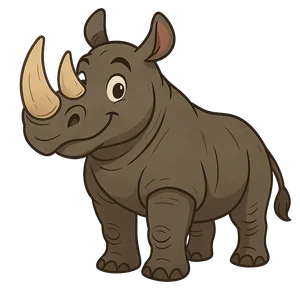
Black Rhinoceros
The Black Rhinoceros is a large herbivorous mammal native to eastern and southern Africa…
Reads at Grades 6–8 Listens at Grades 4–8
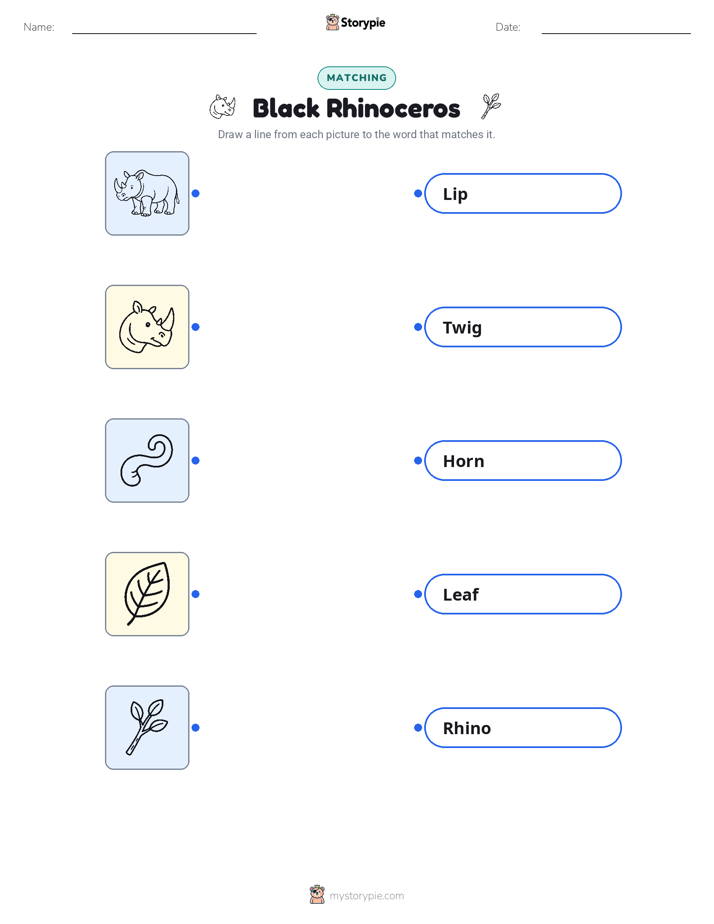
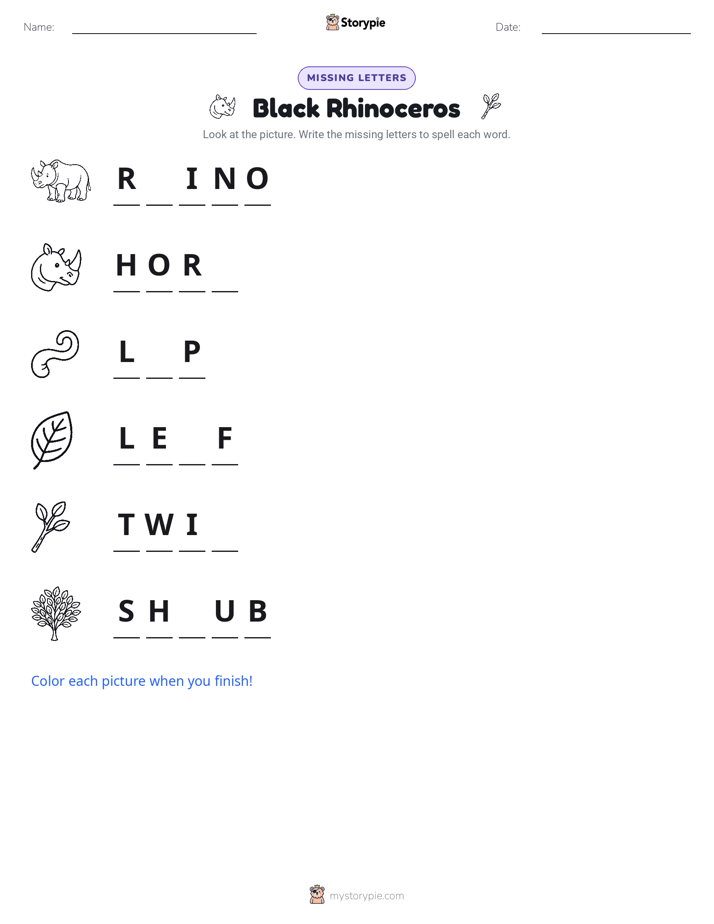
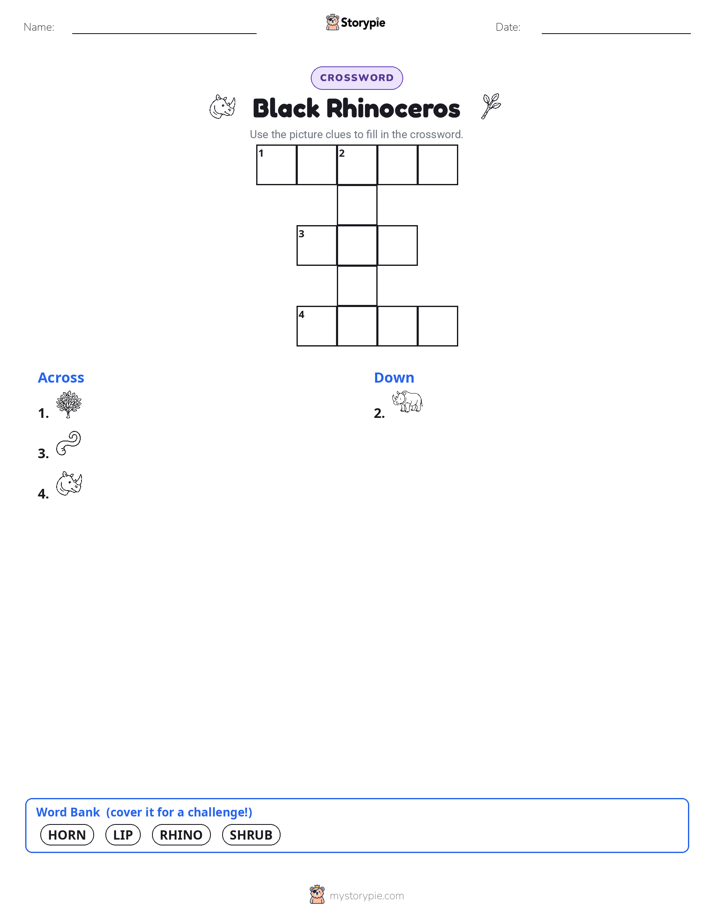
Print & create
Answer keys·No prep·Free with an account
28 worksheets · answer keys · full story · quiz · Ages 10-12 · CEFR B2
Plus adds 208,000+ more stories in 27 languages, audio for every one, and printables for all of them.
Just want Black Rhinoceros?
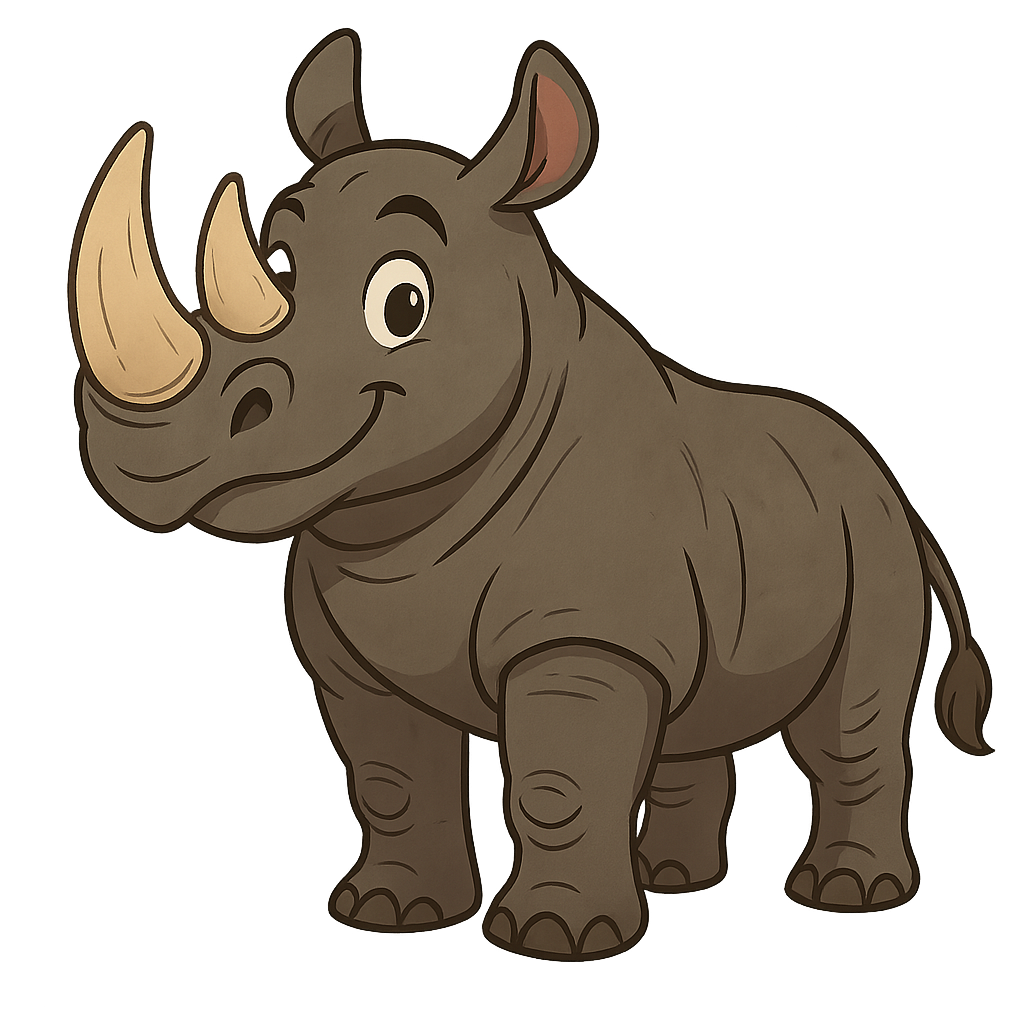
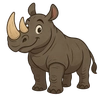
Hello, I am a black rhinoceros. Now, the first thing you should know is that my name is a little misleading. My thick, protective skin isn’t black at all—it's usually a shade of grey or brown. Long ago, people probably gave me this name to tell me apart from my cousin, the white rhino. But what truly makes me special isn’t my color, but my mouth. My upper lip is prehensile, which is a scientific way of saying it’s hooked and can grab things. I can move it with great skill, almost like a finger, to wrap around tasty leaves, pull on twigs, and pluck branches from bushes. This makes me what is known as a “browser.” Instead of grazing on grass like some animals, I prefer to browse through the shrubs and trees for my meals. And of course, I have my two famous horns. They might look like they are made of bone, but they are actually made of something called keratin. It’s the very same material that makes up your own fingernails.
My home is the African savanna, and my life follows the rhythm of the sun. I am most active during the cooler parts of the day, at dawn and dusk, when the air is fresh and the light is soft. My eyesight isn’t the best, so I rely on my other senses to understand the world around me. My large, funnel-like ears can swivel to catch the faintest sounds, and my powerful sense of smell tells me everything I need to know about who has passed by or what food is nearby. One of my favorite activities is taking a long, relaxing mud bath. Wallowing in the cool, wet earth isn't just for fun; it's a vital part of my daily routine. The mud acts as a natural sunscreen, protecting my skin from the harsh African sun. It also helps keep pesky insects and parasites away. For the most part, I am a solitary animal and enjoy having my own space to roam. However, I wasn't always alone. For the first few years of my life, I stayed close to my mother, learning from her and feeling safe under her protection.
A Rhino's Resilience: My Story
Hello, I am a black rhinoceros. Now, the first thing you should know is that my name is a little misleading. My thick, protective skin isn’t black at all—it's usually a shade of grey or brown. Long ago, people probably gave me this name to tell me apart from my cousin, the white rhino. But what truly makes me special isn’t my color, but my mouth. My upper lip is prehensile, which is a scientific way of saying it’s hooked and can grab things. I can move it with great skill, almost like a finger, to wrap around tasty leaves, pull on twigs, and pluck branches from bushes. This makes me what is known as a “browser.” Instead of grazing on grass like some animals, I prefer to browse through the shrubs and trees for my meals. And of course, I have my two famous horns. They might look like they are made of bone, but they are actually made of something called keratin. It’s the very same material that makes up your own fingernails.
My home is the African savanna, and my life follows the rhythm of the sun. I am most active during the cooler parts of the day, at dawn and dusk, when the air is fresh and the light is soft. My eyesight isn’t the best, so I rely on my other senses to understand the world around me. My large, funnel-like ears can swivel to catch the faintest sounds, and my powerful sense of smell tells me everything I need to know about who has passed by or what food is nearby. One of my favorite activities is taking a long, relaxing mud bath. Wallowing in the cool, wet earth isn't just for fun; it's a vital part of my daily routine. The mud acts as a natural sunscreen, protecting my skin from the harsh African sun. It also helps keep pesky insects and parasites away. For the most part, I am a solitary animal and enjoy having my own space to roam. However, I wasn't always alone. For the first few years of my life, I stayed close to my mother, learning from her and feeling safe under her protection.
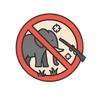
My kind has roamed the plains of Africa for millions of years, and we were once a common sight across the continent. As recently as the early 1900s, there were hundreds of thousands of us living peacefully in our habitats. But a great danger began to grow. Humans started hunting us for our horns, driven by false beliefs that they held special, medicinal powers. This practice, known as poaching, became a devastating threat to our survival. The consequences were catastrophic. By 1970, our population had plummeted to around 65,000. The years that followed were even more difficult. Between 1970 and 1992, our numbers crashed by an almost unbelievable 96%. This period was the darkest time for my species. The relentless pressure from poaching continued until, by 1995, we reached our lowest point. In the entire world, fewer than 2,500 black rhinos remained.
Just when things seemed most hopeless, people around the world began to realize what was happening and decided to help. This marked the beginning of a fight for our future. A major turning point came in 1977, when an important global agreement called CITES was put into place. This agreement banned the international trade of our horns, making it much harder for poachers to sell them. But this was just the start. An incredible group of dedicated people came to our aid. Brave wildlife rangers became our bodyguards, patrolling the savannas to protect us from harm. Skilled veterinarians provided us with medical care when we were sick or injured. And dedicated scientists began moving some of us to new, safer homes where we could establish new populations away from danger. These combined efforts began to make a real difference. Slowly but surely, our numbers started to climb. Since that low point in 1995, our population has more than doubled. Our story shows that with dedication and care, a species on the brink can make a remarkable comeback.
My role in the African ecosystem is more important than you might think. I am often called a "gardener of the savanna" because of the way I eat. By browsing on shrubs and small trees, I trim them back and clear space, which allows different types of grasses and other plants to grow. This action creates a beautiful mosaic of different habitats across the landscape, which provides food and shelter for many other smaller animals. Because my presence has such a big impact on the health of my entire environment, I am known as a "keystone species." This means that without me, the savanna would be a very different place. My story is one of resilience, but my future is not yet secure. The health of the savanna and the survival of my species depend on humans continuing to be our partners in conservation, ensuring that we can continue to shape and enrich these beautiful lands for generations to come.
Wow facts
About
The Black Rhinoceros is a large herbivorous mammal native to eastern and southern Africa, known for its two horns and a distinctive prehensile, or hooked, upper lip used for browsing on leaves and twigs. It is classified as critically endangered, primarily due to decades of poaching for its horn.
Take a Quiz
Question 1 of 5
In your own words, retell the main challenges the black rhinoceros faced starting in the early 1900s and the steps taken to help them.
Explore next
Want to do even more?
Go beyond exploring. Unlock tools that turn every story into real learning.

Storypie Plus for families
Full stories, quizzes, and printables. Nights and car rides, sorted.
- Unlimited audio stories
- Create Mode: your child stars in the story
- Offline downloads
- Printable worksheets & coloring pages

Why Storypie for Schools
Students engaged. Prep in seconds. Evenings back to you.
- Worksheets & Quizzes
- Classroom Management
- Formative Assessment
- Custom Curriculum & Lesson Plans
- 27 Languages

Why Storypie for Homeschool
Curriculum done. They'll ask for more. Hours back in your day.
- Worksheet Generator
- First-Person Audio Stories
- Built-in Comprehension Quizzes
- Custom Curriculum & Lesson Plans
- Print & Go Activities