English

Cetaceans
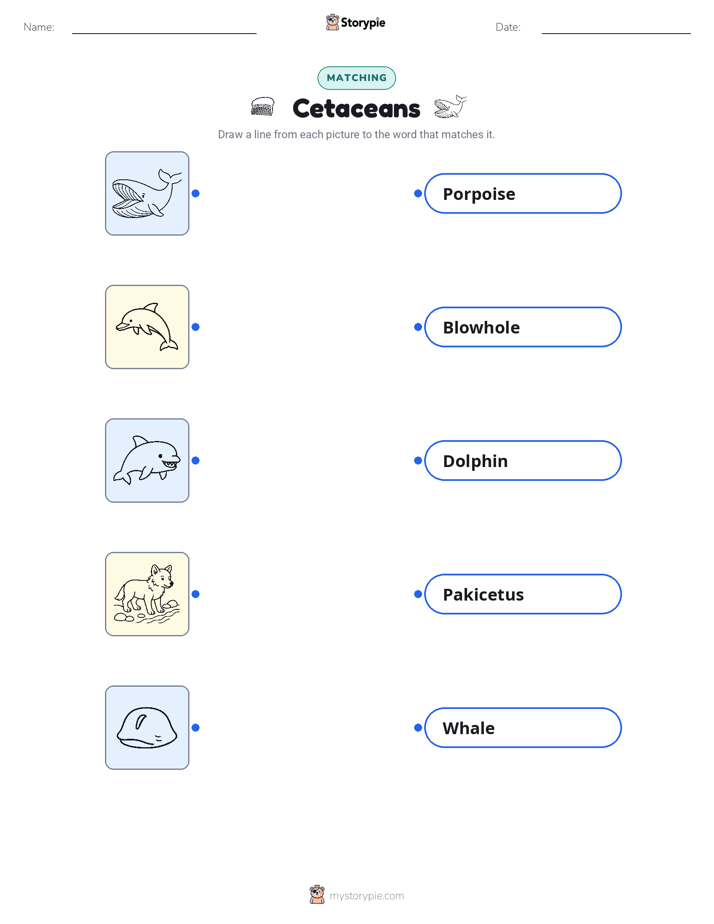
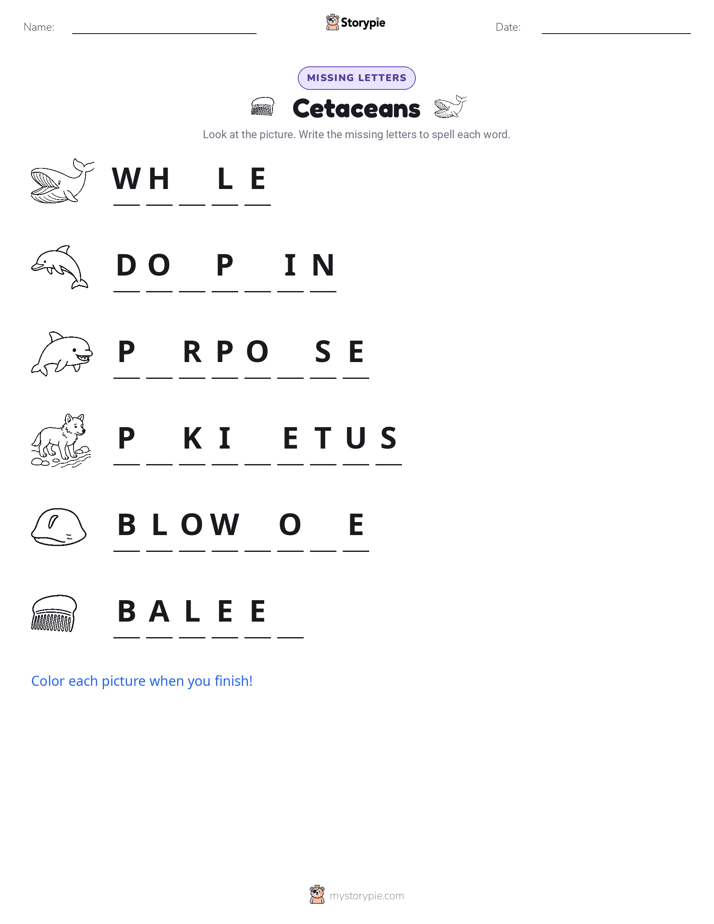
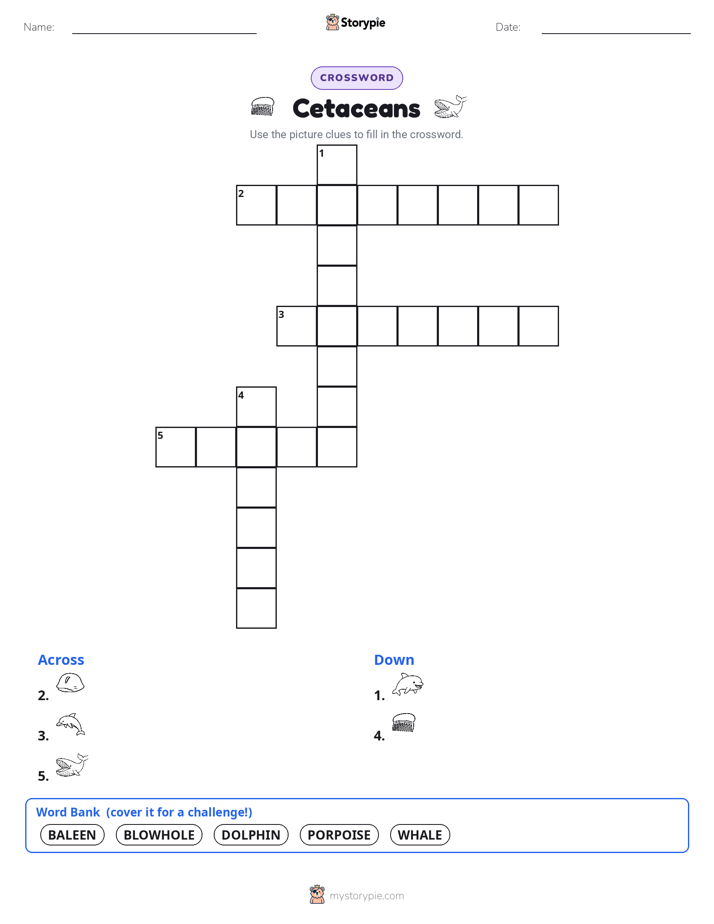
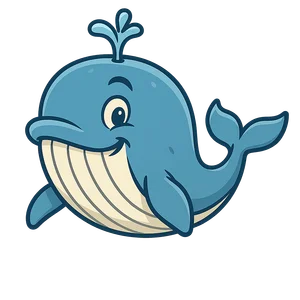
Cetaceans are a group of fully aquatic marine mammals that includes whales, dolphins, and porpoises.
Reads at Grades 3–5 Listens at Grades 1–5
Print & create
Answer keys·No prep·Free with an account
28 worksheets · answer keys · full story · quiz · Ages 8-10 · CEFR B1
Plus adds 164,000+ more stories in 27 languages, audio for every one, and printables for all of them.
Just want Cetaceans?
Hello there. My name is Cetacean, and I am part of a very big ocean family that includes all the whales, dolphins, and porpoises in the world. I have a secret to share with you, one that might be surprising. My most distant ancestors didn't live in the water at all—they walked on land. It’s true. Around 50 million years ago, my ancient relatives, like the one you call Pakicetus, were land-dwelling animals. But they began spending more and more time near the water, probably to find food. Over millions of years, our bodies slowly changed. Our legs became flippers, our bodies grew sleek and smooth, and we became perfectly shaped for a life swimming in the vast, blue ocean. We left the land behind to become rulers of the sea.
My family’s journey to becoming ocean explorers involved some amazing changes. One of the most important adaptations happened to our noses. To make breathing easier while swimming, our nostrils slowly moved from the front of our faces all the way to the top of our heads. Today, you call them blowholes. This lets us take a big breath of air without having to lift our entire heads out of the water. Then, around 34 million years ago, my family tree split into two main groups. One group became the Odontoceti, or the toothed whales. This group includes dolphins and orcas, and they developed a superpower called echolocation. We use it to send out sounds and listen for the echoes, which lets us “see” a picture of the world around us in the dark water. The other group is the Mysticeti, or the baleen whales. They grew special filters in their mouths, like a giant comb, to strain tiny creatures like krill from the water for food.
A Cetacean's Story: From Land to the Deep Blue Sea
Hello there. My name is Cetacean, and I am part of a very big ocean family that includes all the whales, dolphins, and porpoises in the world. I have a secret to share with you, one that might be surprising. My most distant ancestors didn't live in the water at all—they walked on land. It’s true. Around 50 million years ago, my ancient relatives, like the one you call Pakicetus, were land-dwelling animals. But they began spending more and more time near the water, probably to find food. Over millions of years, our bodies slowly changed. Our legs became flippers, our bodies grew sleek and smooth, and we became perfectly shaped for a life swimming in the vast, blue ocean. We left the land behind to become rulers of the sea.
My family’s journey to becoming ocean explorers involved some amazing changes. One of the most important adaptations happened to our noses. To make breathing easier while swimming, our nostrils slowly moved from the front of our faces all the way to the top of our heads. Today, you call them blowholes. This lets us take a big breath of air without having to lift our entire heads out of the water. Then, around 34 million years ago, my family tree split into two main groups. One group became the Odontoceti, or the toothed whales. This group includes dolphins and orcas, and they developed a superpower called echolocation. We use it to send out sounds and listen for the echoes, which lets us “see” a picture of the world around us in the dark water. The other group is the Mysticeti, or the baleen whales. They grew special filters in their mouths, like a giant comb, to strain tiny creatures like krill from the water for food.
No matter which group we belong to, we Cetaceans are very social and love to talk to one another. We have a whole world of sounds that we use to communicate across the ocean. Some of us, like dolphins, use a series of clicks and whistles to chat with our friends and family. Others, like the great humpback whales, are famous for singing long, beautiful, and complicated songs that can travel for miles under the water. We don’t travel alone; we live in close-knit family groups called pods. In our pods, we work together to hunt for food, we play games to learn and have fun, and most importantly, we protect each other and keep our young ones safe from harm. Our families are everything to us.
Our relationship with our newest neighbors, humans, has been complicated. For a very long time, especially during the 1800s and early 1900s, humans hunted my family. It was a scary time, and many of us were in danger. But as time went on, people began to study and understand us more. They learned that we were intelligent, social creatures who played an important role in the ocean. A major turning point came on December 2nd, 1946, when the International Whaling Commission was formed to help protect us. Then, in 1986, this group made a global rule to stop most commercial whaling. This important decision gave my family a chance to finally feel safe and begin to recover from the long years of hunting.
Today, my family and I have a very important job in the big blue ocean. As we swim from the dark depths to the sunny surface, our movements stir up the water. This churning action brings nutrients up to the top, which helps tiny, tiny plants called phytoplankton to grow. You may not see them, but these little plants are very powerful. They produce a huge amount of the oxygen that you and all other creatures on Earth need to breathe. My story is a reminder that we are all connected on this beautiful blue planet, and every creature, big or small, has a part to play in keeping it healthy.
Wow facts
About
Cetaceans are a group of fully aquatic marine mammals that includes whales, dolphins, and porpoises. They evolved from land-dwelling mammals and are known for their intelligence, complex social behaviors, and adaptations to life in the water.
Take a Quiz
Question 1 of 5
The story says that baleen whales grew 'special filters in their mouths.' What is another word for these filters?
Explore next






Want to do even more?
Go beyond exploring. Unlock tools that turn every story into real learning.

Storypie Plus for families
Full stories, quizzes, and printables. Nights and car rides, sorted.
- Unlimited audio stories
- Create Mode: your child stars in the story
- Offline downloads
- Printable worksheets & coloring pages

Why Storypie for Schools
Students engaged. Prep in seconds. Evenings back to you.
- Worksheets & Quizzes
- Classroom Management
- Formative Assessment
- Custom Curriculum & Lesson Plans
- 27 Languages

Why Storypie for Homeschool
Curriculum done. They'll ask for more. Hours back in your day.
- Worksheet Generator
- First-Person Audio Stories
- Built-in Comprehension Quizzes
- Custom Curriculum & Lesson Plans
- Print & Go Activities