English

Crustaceans
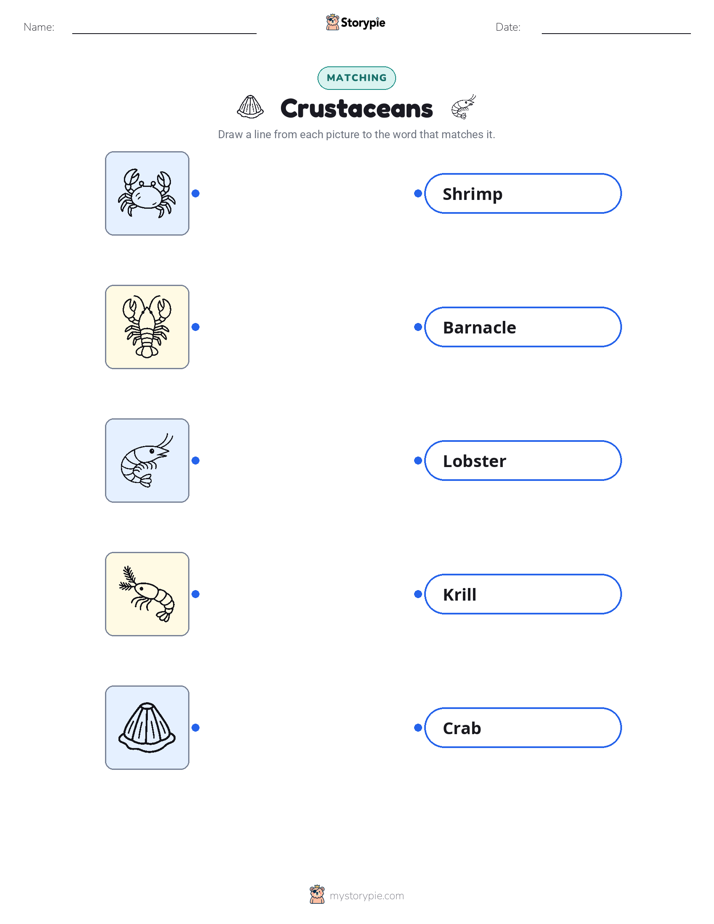
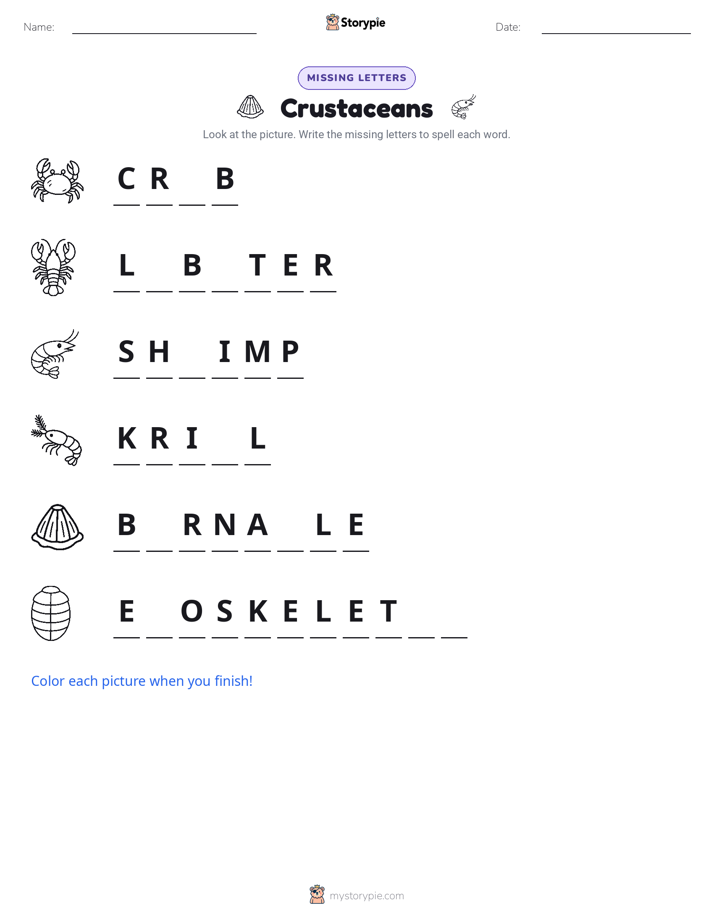
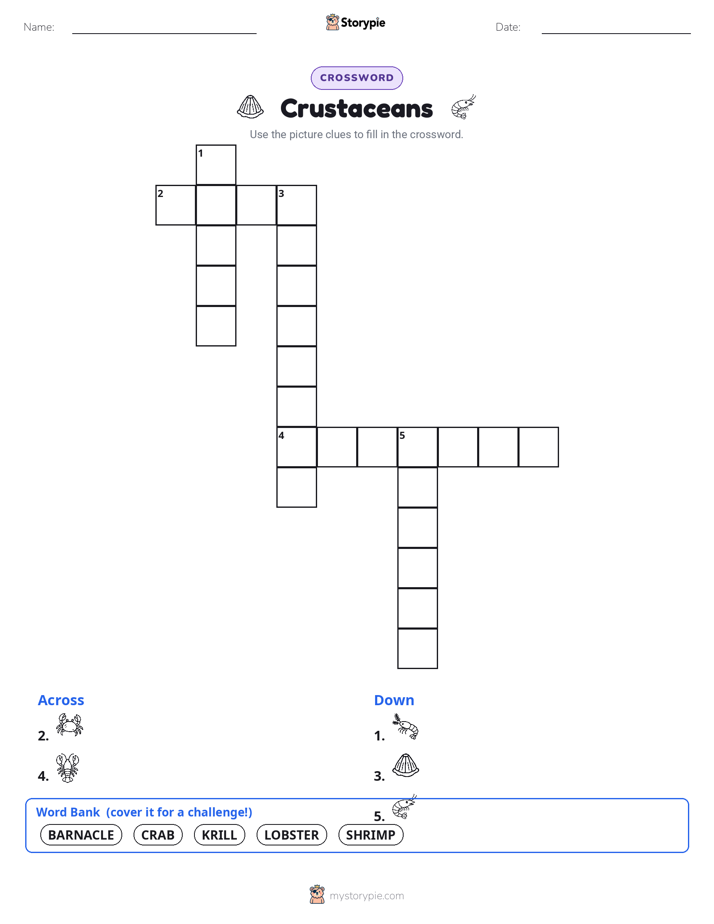
A large group of arthropods, typically aquatic, characterized by a hard exoskeleton, jointed limbs…
Reads at Grades 6–8 Listens at Grades 4–8
Print & create
Answer keys·No prep·Free with an account
28 worksheets · answer keys · full story · quiz · Ages 10-12 · CEFR B2
Plus adds 244,000+ more stories in 27 languages, audio for every one, and printables for all of them.
Just want Crustaceans?
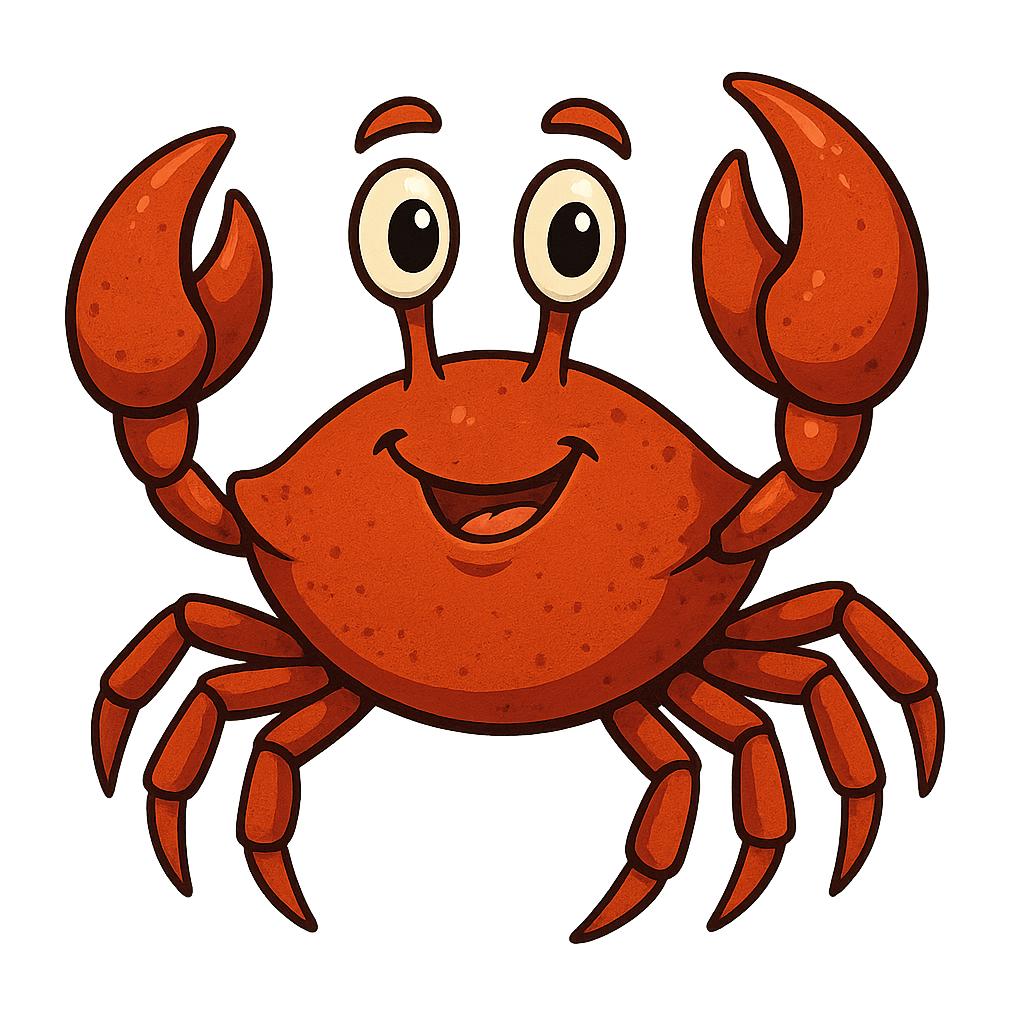
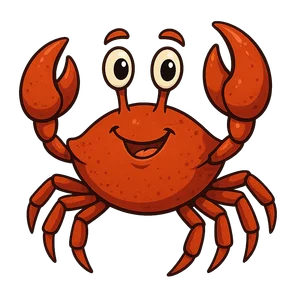
Hello there. You may not know my name, but you certainly know my family. I am the voice of all crustaceans, and my relatives are some of the most famous creatures in the water: crabs scuttling sideways on the beach, lobsters with their powerful claws, and tiny shrimp darting through the sea. My family has one of the oldest stories on Earth. Our first ancestors left their mark in the fossil record during the Cambrian Period, around 511 million years ago. We were here long before the dinosaurs, and we have thrived in nearly every corner of the planet since. What connects all of us is our fundamental body plan, a design that has proven successful for hundreds of millions of years. We all wear a protective exoskeleton, a hard outer shell that acts as our shield. We move on many jointed legs, which allow us to crawl, swim, and scurry. And to understand the world around us, we rely on our two pairs of antennae, which sense everything from food to danger. This ancient design is the secret to our long-lasting success.
My most defining feature is my exoskeleton. Think of it as my personal suit of armor, custom-fitted to my body. This armor isn't just a simple shell; it's a complex structure made from a tough substance called chitin, often reinforced with minerals like calcium carbonate to make it even stronger. While this armor offers incredible protection from predators and the environment, it comes with a significant challenge: it doesn't grow. To get bigger, I must go through a process called molting. When my body is ready, I have to shed my old, tight armor. This is a delicate and demanding process. I have to carefully pull my entire body, including my legs and antennae, out of the old shell. For a short time after molting, I am incredibly vulnerable. My new exoskeleton is soft and rubbery, offering little protection. During this time, I must hide away from predators until my new armor hardens. But this process also holds a special kind of magic. If I have lost a claw or a leg in a fight, I can often regenerate the missing limb during the molting cycle, emerging with a new, fully formed replacement.
A Crustacean's Tale: My Life in Armor
Hello there. You may not know my name, but you certainly know my family. I am the voice of all crustaceans, and my relatives are some of the most famous creatures in the water: crabs scuttling sideways on the beach, lobsters with their powerful claws, and tiny shrimp darting through the sea. My family has one of the oldest stories on Earth. Our first ancestors left their mark in the fossil record during the Cambrian Period, around 511 million years ago. We were here long before the dinosaurs, and we have thrived in nearly every corner of the planet since. What connects all of us is our fundamental body plan, a design that has proven successful for hundreds of millions of years. We all wear a protective exoskeleton, a hard outer shell that acts as our shield. We move on many jointed legs, which allow us to crawl, swim, and scurry. And to understand the world around us, we rely on our two pairs of antennae, which sense everything from food to danger. This ancient design is the secret to our long-lasting success.
My most defining feature is my exoskeleton. Think of it as my personal suit of armor, custom-fitted to my body. This armor isn't just a simple shell; it's a complex structure made from a tough substance called chitin, often reinforced with minerals like calcium carbonate to make it even stronger. While this armor offers incredible protection from predators and the environment, it comes with a significant challenge: it doesn't grow. To get bigger, I must go through a process called molting. When my body is ready, I have to shed my old, tight armor. This is a delicate and demanding process. I have to carefully pull my entire body, including my legs and antennae, out of the old shell. For a short time after molting, I am incredibly vulnerable. My new exoskeleton is soft and rubbery, offering little protection. During this time, I must hide away from predators until my new armor hardens. But this process also holds a special kind of magic. If I have lost a claw or a leg in a fight, I can often regenerate the missing limb during the molting cycle, emerging with a new, fully formed replacement.
My family is incredibly diverse, with over 67,000 known species, and we have adapted to live in almost every environment you can imagine. We are true explorers. Some of my relatives live in the deepest, darkest parts of the ocean, including the crushing pressures of the Mariana Trench. Others prefer the fresh water of rivers, lakes, and streams. Some of my cousins, like the woodlice you might find in a garden, have even adapted to live their entire lives on land. Our ability to colonize new and extreme places is one of our greatest strengths. In 1977, scientists made an exciting discovery when they found hydrothermal vents on the ocean floor, places where superheated, mineral-rich water bursts from the Earth's crust. Even in this seemingly impossible environment, they found relatives of mine thriving. Our lifestyles are just as varied as our homes. Many of us are swimmers, propelling ourselves through the water. Others are crawlers, moving along the seabed or river bottom. Then there are my barnacle cousins, who choose a different path entirely. Once they find a good spot, they attach themselves to a surface—like a rock, a ship, or even a whale—and spend the rest of their lives there, filtering food from the water that rushes past.
We may seem like simple creatures, but my family and I have a very important job in the world's ecosystems. Many of my relatives and I are part of nature's cleanup crew. We are detritivores, which means we eat decaying plants and animals, helping to break them down and recycle nutrients back into the environment. By doing this, we keep our underwater homes tidy and healthy. We are also a vital link in the food web. Countless other animals depend on us as a food source. Fish and birds hunt for my crab and shrimp cousins in shallow waters, while even the largest animals on Earth, the great baleen whales, survive by eating enormous quantities of my tiny krill relatives. Our connection to the world also includes humans. On August 15th, 1802, the French scientist Pierre André Latreille officially gave my group the scientific name 'Crustacea,' recognizing us as a distinct and important group of animals. Today, scientists continue to study us closely, as our health and population numbers can tell them a lot about the overall health of our planet's oceans, lakes, and rivers.
Legacy & Remembering
My family's story is one of incredible resilience and adaptation, stretching back over half a billion years. From the ancient Cambrian seas to the modern world, we have survived mass extinctions and adapted to fill every aquatic niche imaginable. We are a fundamental part of healthy aquatic ecosystems everywhere, acting as recyclers, food sources, and indicators of environmental well-being. My final message is this: whenever you see a thriving ocean, a clean river, or a bustling tide pool filled with life, you are seeing a world that my family helps build and maintain. Our story is not just a tale from the past; it is still being written in every wave that crashes on the shore and in every stream that flows to the sea.
Wow facts
About
A large group of arthropods, typically aquatic, characterized by a hard exoskeleton, jointed limbs, and two pairs of antennae. They include familiar animals like crabs, lobsters, shrimp, and barnacles.
Take a Quiz
Question 1 of 5
In your own words, retell the main events of the crustacean's story, from its ancient origins to its modern role.
Explore next





Want to do even more?
Go beyond exploring. Unlock tools that turn every story into real learning.

Storypie Plus for families
Full stories, quizzes, and printables. Nights and car rides, sorted.
- Unlimited audio stories
- Create Mode: your child stars in the story
- Offline downloads
- Printable worksheets & coloring pages

Why Storypie for Schools
Students engaged. Prep in seconds. Evenings back to you.
- Worksheets & Quizzes
- Classroom Management
- Formative Assessment
- Custom Curriculum & Lesson Plans
- 27 Languages

Why Storypie for Homeschool
Curriculum done. They'll ask for more. Hours back in your day.
- Worksheet Generator
- First-Person Audio Stories
- Built-in Comprehension Quizzes
- Custom Curriculum & Lesson Plans
- Print & Go Activities