English

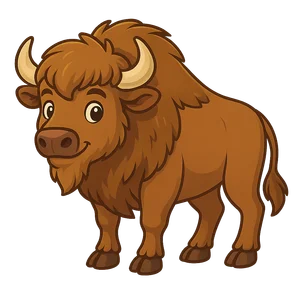
European Bison
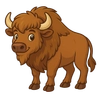
The European bison, or wisent, is Europe's largest native land mammal.
Reads at Grades 3–5 Listens at Grades 1–5
Print & create
Answer keys·No prep·Free with an account
28 worksheets · answer keys · full story · quiz · Ages 8-10 · CEFR B1
Plus adds 164,000+ more stories in 27 languages, audio for every one, and printables for all of them.
Just want European Bison?
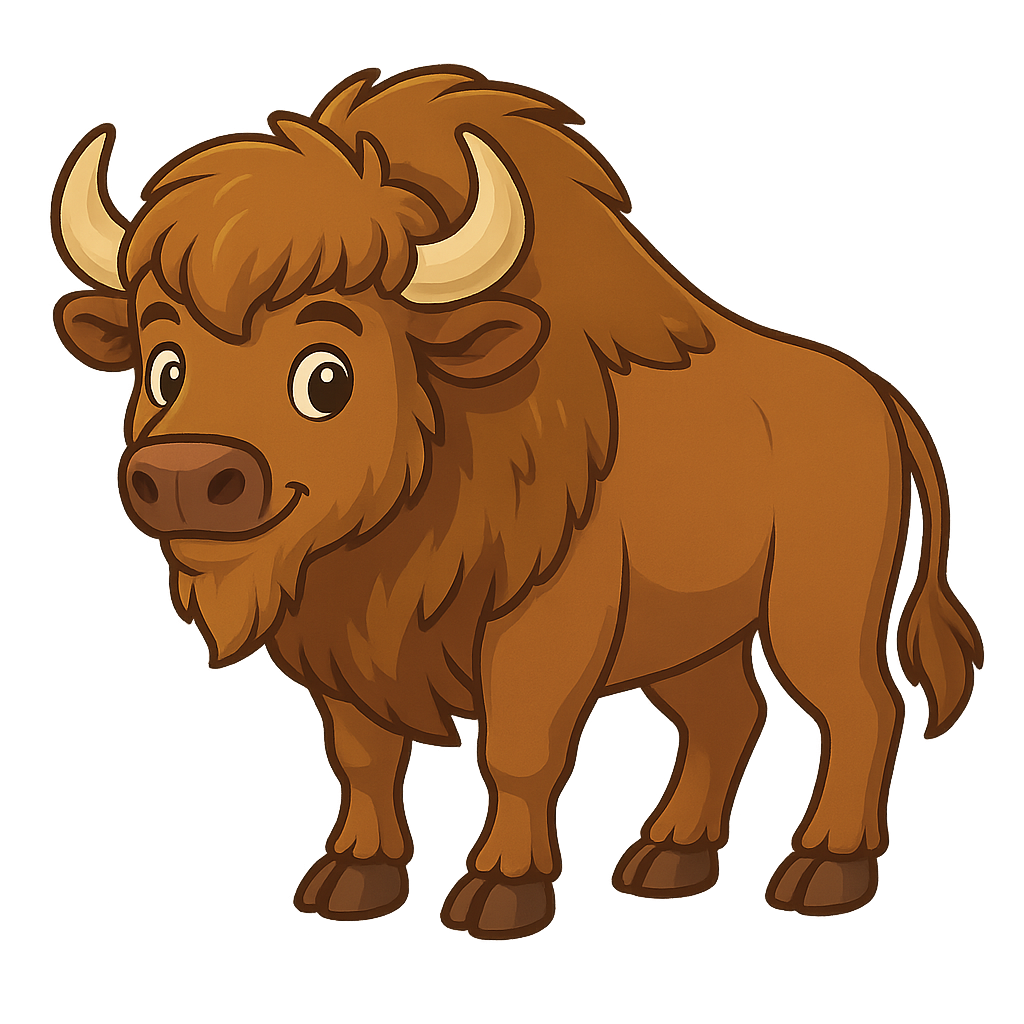
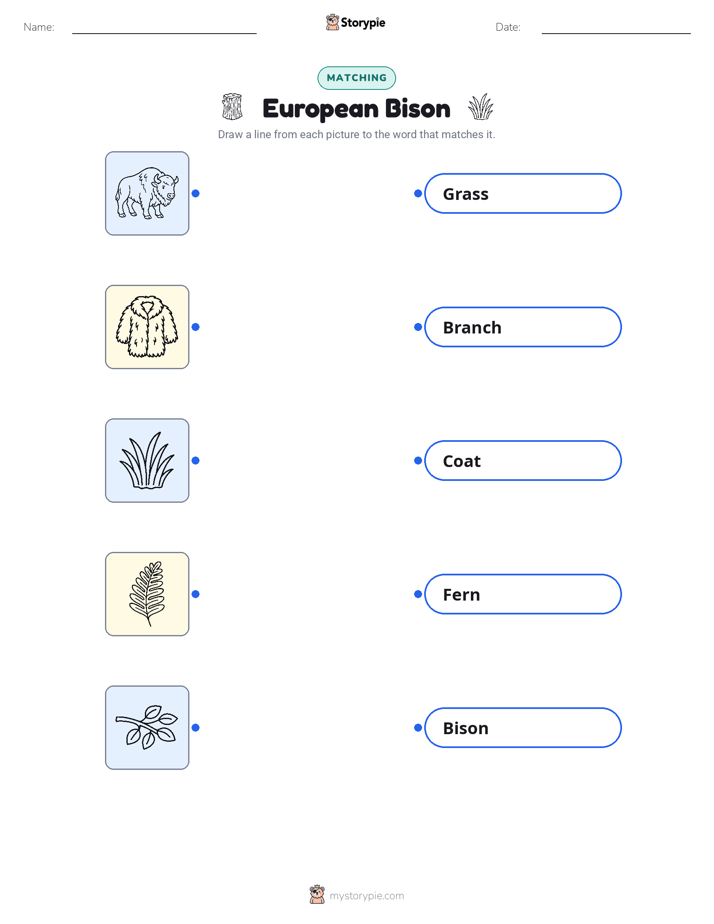
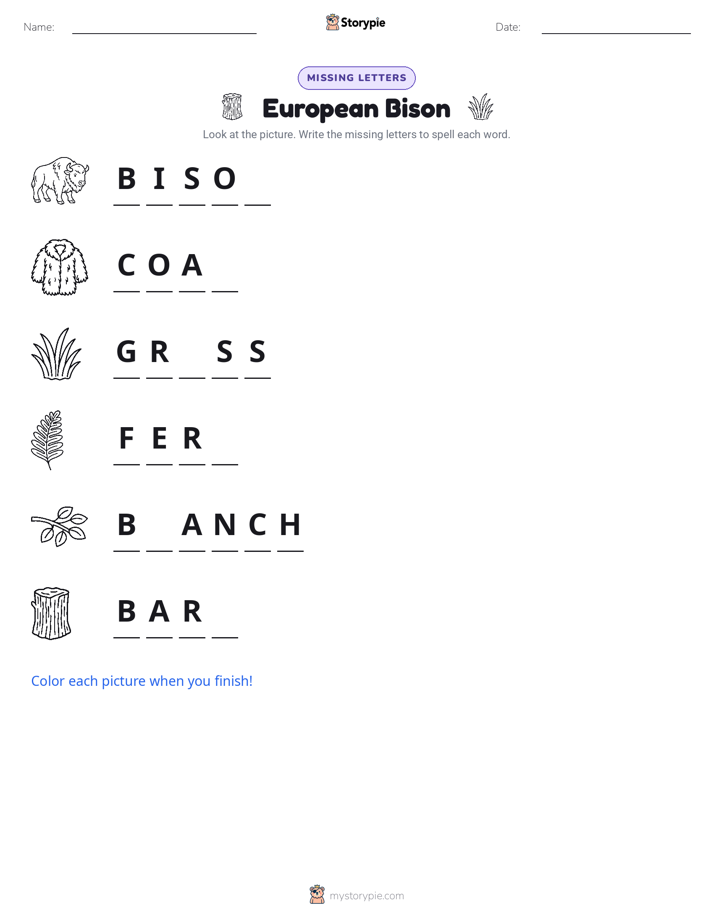
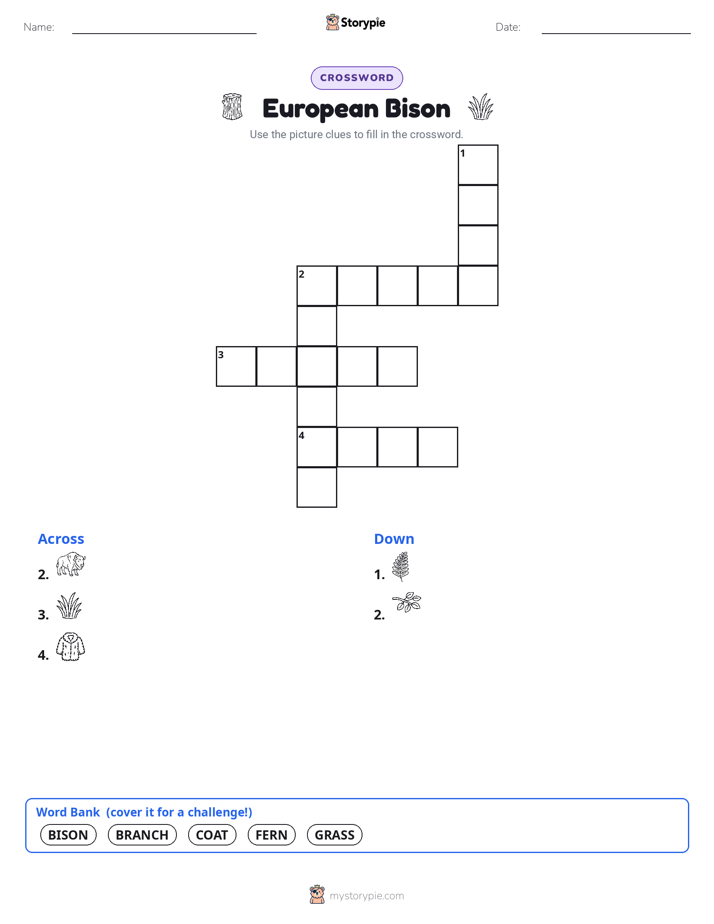
Hello, I am a Wisent, but you might know me as the European Bison. I am the heaviest land animal in all of Europe, and my story is one of survival and hope. Long ago, in the early 20th century, my ancestors and I roamed freely through the vast, ancient forests that stretched across the continent. My favorite home was the Białowieża Forest, a place filled with towering trees and quiet streams. I lived with my large herd, and we spent our days peacefully. With my thick, shaggy brown coat to keep me warm and my strong, curved horns for protection, I felt like a true king of the forest. My herd and I were herbivores, which means our diet was made up entirely of plants. We munched on tall grasses in the meadows, stripped tasty leaves from low-hanging branches, and even nibbled on tree bark when other food was scarce. Life was simple and good. We moved through the woods as a powerful, unified family, feeling safe in our ancient home, unaware of the great challenges that were just around the corner.
As the years passed, my world began to change, and not for the better. The forests that had been our home for thousands of years started to shrink as humans cut down trees to build towns and farms. With less space to live, our herds became smaller and more scattered. An even greater danger was hunting. Humans saw our large size and magnificent horns and hunted us without mercy. Our numbers dropped quickly, and a deep sadness fell over my kind. The struggle became desperate. By the year 1919, a terrible milestone was reached: the very last wild Wisent in the Białowieża Forest was gone. My ancestral home was empty of my kind for the first time in centuries. The last remaining wild herd lived far away in the Caucasus Mountains, but their time was also running out. In 1927, the last of them disappeared too. Just like that, we were gone from the wild completely. The only Wisent left in the entire world, fewer than 60 of us, lived separately in zoos, our roars silenced and our freedom lost.
A Wisent's Return: The King of the Forest
Hello, I am a Wisent, but you might know me as the European Bison. I am the heaviest land animal in all of Europe, and my story is one of survival and hope. Long ago, in the early 20th century, my ancestors and I roamed freely through the vast, ancient forests that stretched across the continent. My favorite home was the Białowieża Forest, a place filled with towering trees and quiet streams. I lived with my large herd, and we spent our days peacefully. With my thick, shaggy brown coat to keep me warm and my strong, curved horns for protection, I felt like a true king of the forest. My herd and I were herbivores, which means our diet was made up entirely of plants. We munched on tall grasses in the meadows, stripped tasty leaves from low-hanging branches, and even nibbled on tree bark when other food was scarce. Life was simple and good. We moved through the woods as a powerful, unified family, feeling safe in our ancient home, unaware of the great challenges that were just around the corner.
As the years passed, my world began to change, and not for the better. The forests that had been our home for thousands of years started to shrink as humans cut down trees to build towns and farms. With less space to live, our herds became smaller and more scattered. An even greater danger was hunting. Humans saw our large size and magnificent horns and hunted us without mercy. Our numbers dropped quickly, and a deep sadness fell over my kind. The struggle became desperate. By the year 1919, a terrible milestone was reached: the very last wild Wisent in the Białowieża Forest was gone. My ancestral home was empty of my kind for the first time in centuries. The last remaining wild herd lived far away in the Caucasus Mountains, but their time was also running out. In 1927, the last of them disappeared too. Just like that, we were gone from the wild completely. The only Wisent left in the entire world, fewer than 60 of us, lived separately in zoos, our roars silenced and our freedom lost.
Just when it seemed like our story was over, a glimmer of hope appeared. Some kind and thoughtful people decided that the forests of Europe were not the same without us. They believed we deserved a second chance. In 1923, they formed a special group called the International Society for the Preservation of the Wisent. Their only goal was to bring us back from the edge of extinction. It was a very difficult task because there were so few of us left. To make sure our population could grow strong and healthy, they created something called a 'studbook.' This was like a detailed family tree for every single Wisent. It helped the zookeepers carefully choose which male and female bison should have calves, ensuring our babies were as healthy as possible. This careful planning paid off. In 1929, an exciting moment arrived. The first of my ancestors were carefully transported from zoos and brought to a special, protected home right back in the Białowieża Forest. It was the very first step toward returning us to the wild where we belonged.
That first step in 1929 gave way to a giant leap forward for my species. For many years, my ancestors lived in large, fenced enclosures within the forest, slowly growing their numbers under the watchful eyes of conservationists. Then, in 1952, a truly wonderful day came. The gates were opened, and the first herd was released to live completely free in the Białowieża Forest once again. I can only imagine the feeling of stepping out into the vast, open woods after so many years of being gone. From that small, brave group, our population began to grow and spread. Slowly but surely, we reclaimed our ancient home. We proved that we were survivors. Decades of hard work by humans and the resilience of my species led to an amazing achievement. By December 2020, our numbers had grown to thousands, and our status on the list of endangered animals was officially changed from 'Vulnerable' to 'Near Threatened.' This was a huge victory, showing the world that our population was recovering. Today, we don't just live in Poland; our herds now roam free in many different countries across Europe, a testament to what is possible when people decide to help.
My story isn't just about survival; it's also about my important job in the forest. I am what scientists call a 'keystone species.' This means that the entire health of the forest depends on me, much like the keystone in an arch holds all the other stones together. I am like a forest gardener. As I graze on grasses and trample down shrubs, I create open, sunny patches in the woods. These clearings allow new kinds of plants and wildflowers to grow, which in turn provides food and shelter for insects, birds, and other small animals. The paths my herd and I create through the dense undergrowth also help other creatures move around more easily. My presence helps make the forest a richer and more diverse place for everyone. My story is a living reminder that we can work together to fix our past mistakes. Because of the care people showed, my future—and the health of my forest home—is bright.
Wow facts
About
The European bison, or wisent, is Europe's largest native land mammal. After becoming extinct in the wild in the early 20th century, it has been successfully reintroduced from captive populations and is a celebrated conservation success story.
Take a Quiz
Question 1 of 5
Why was the year 1927 a particularly sad and important year for the Wisent?
Explore next




Want to do even more?
Go beyond exploring. Unlock tools that turn every story into real learning.

Storypie Plus for families
Full stories, quizzes, and printables. Nights and car rides, sorted.
- Unlimited audio stories
- Create Mode: your child stars in the story
- Offline downloads
- Printable worksheets & coloring pages

Why Storypie for Schools
Students engaged. Prep in seconds. Evenings back to you.
- Worksheets & Quizzes
- Classroom Management
- Formative Assessment
- Custom Curriculum & Lesson Plans
- 27 Languages

Why Storypie for Homeschool
Curriculum done. They'll ask for more. Hours back in your day.
- Worksheet Generator
- First-Person Audio Stories
- Built-in Comprehension Quizzes
- Custom Curriculum & Lesson Plans
- Print & Go Activities