English

Ecosystem Engineer
An ecosystem engineer is any organism that creates, significantly modifies, maintains, or destroys a habitat.
Reads at Grades 3–5 Listens at Grades 1–5
Print & create
Answer keys·No prep·Free with an account
28 worksheets · answer keys · full story · quiz · Ages 8-10 · CEFR B1
Plus adds 244,000+ more stories in 27 languages, audio for every one, and printables for all of them.
Just want Ecosystem Engineer?
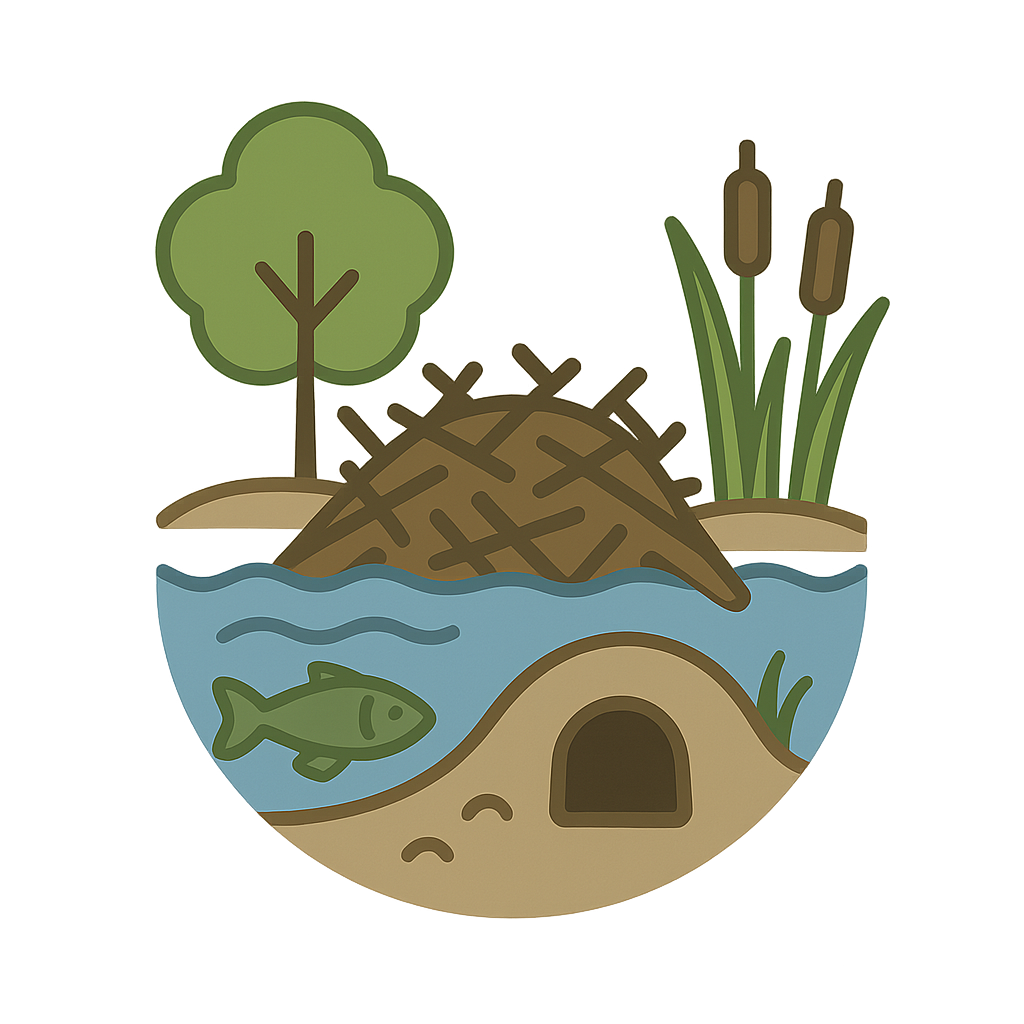
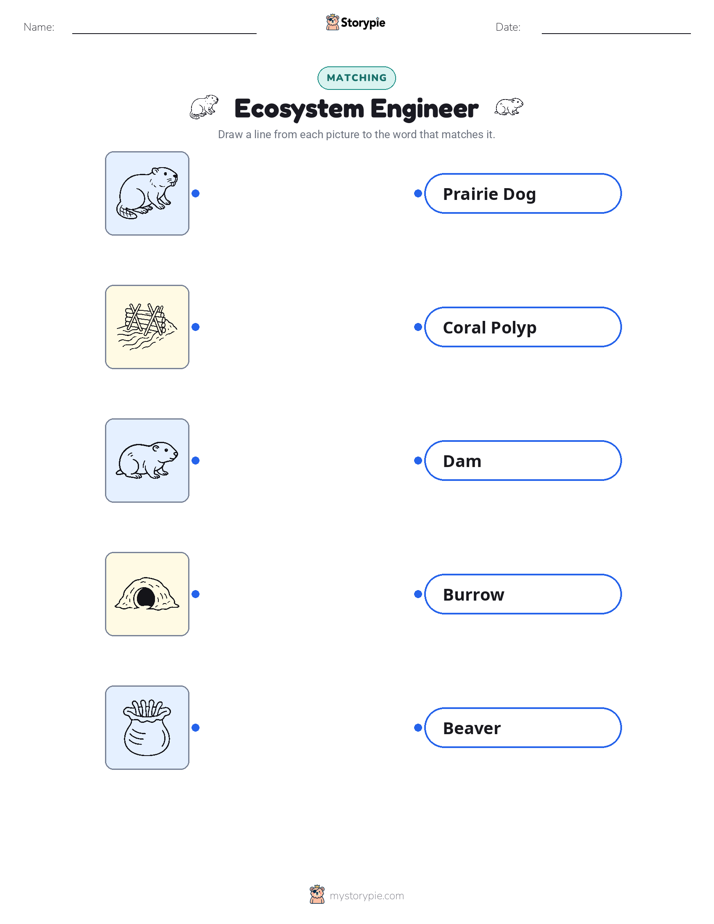
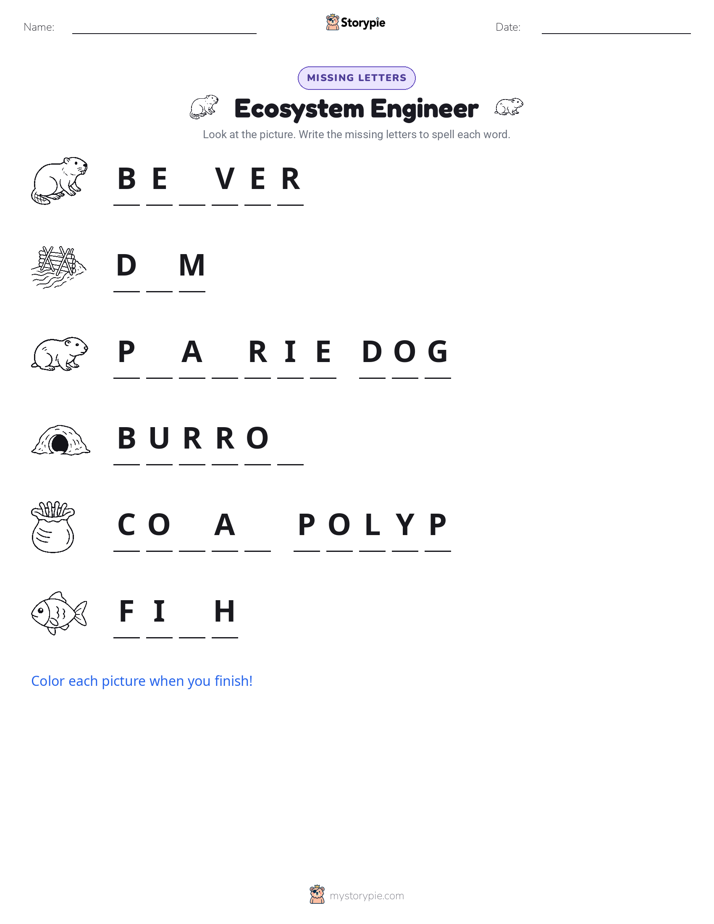
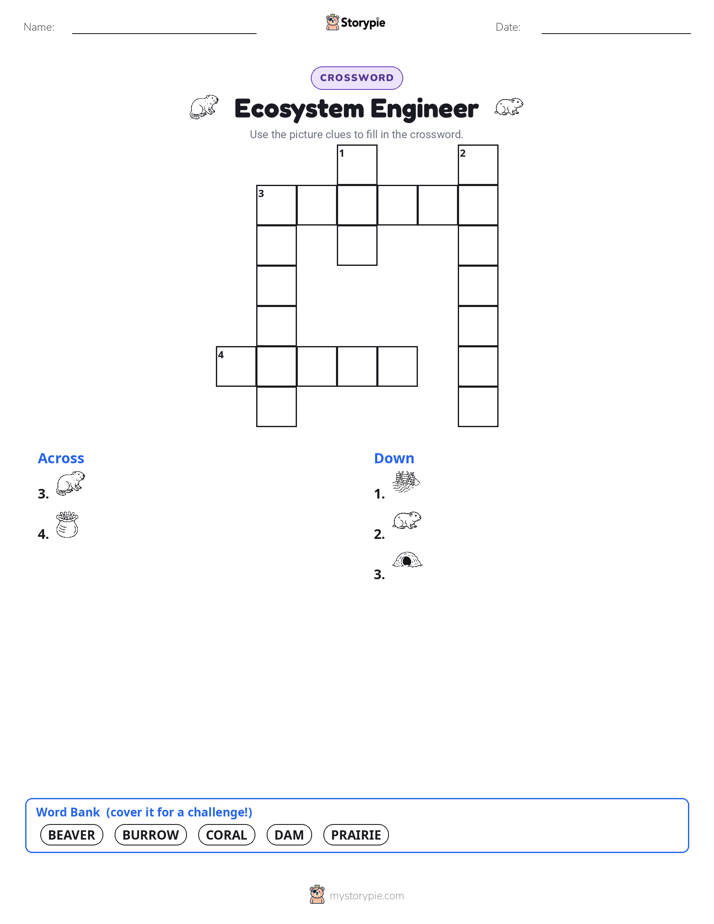
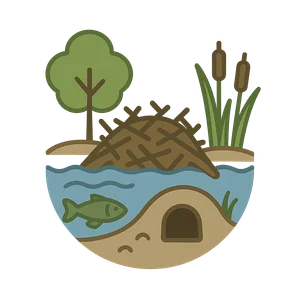
Listen. Can you hear it? Gnaw, gnaw, gnaw. That’s the sound of a sharp tooth slicing through wood. A tall tree shivers and then, with a mighty CRACK, it tumbles down. A beaver drags a branch to the water’s edge and with a quiet splash, adds it to a growing wall of mud and sticks. I am there, helping the beaver turn a fast-moving stream into a calm, deep pond. Suddenly, it’s a brand new, safe home for fish, frogs, and shiny dragonflies. Now, let’s travel to a wide, grassy prairie. I am here, too. I help thousands of prairie dogs dig their winding burrows deep into the earth. As they dig, they churn up the soil, which helps new grasses grow. When they move on, their empty tunnels become cozy homes for burrowing owls and sneaky black-footed ferrets. Have you ever seen an animal build something that changes everything around it? That’s me! I am the special power some creatures have to build a whole new world for others. Scientists have a special name for me; they call me an Ecosystem Engineer.
People have noticed my work for a very long time, even if they didn’t have a name for me. Way back in 1881, a brilliant scientist with a big, bushy beard named Charles Darwin wrote an entire book just about earthworms. He spent years watching them. He showed how these tiny, wiggly creatures, by tunneling and munching through the dirt day after day, slowly changed the whole landscape. They made the soil richer and healthier for all the plants that grew there. He saw my power in action, even in the smallest of builders. For many years after that, people saw beavers building dams and ants building hills, but they didn’t have one single name for what these animals were doing. Then, on a day in 1994, three scientists named Clive Jones, John Lawton, and Moshe Shachak decided it was time to give me a proper title. They called me an ‘Ecosystem Engineer’ and explained that some animals are like construction workers for nature. They described how some, like the tiny corals in the ocean, build great reefs out of their own bodies, while others, like beavers, use materials around them to construct amazing things. Thanks to them, everyone could finally understand my important job.
The World Builders
Listen. Can you hear it? Gnaw, gnaw, gnaw. That’s the sound of a sharp tooth slicing through wood. A tall tree shivers and then, with a mighty CRACK, it tumbles down. A beaver drags a branch to the water’s edge and with a quiet splash, adds it to a growing wall of mud and sticks. I am there, helping the beaver turn a fast-moving stream into a calm, deep pond. Suddenly, it’s a brand new, safe home for fish, frogs, and shiny dragonflies. Now, let’s travel to a wide, grassy prairie. I am here, too. I help thousands of prairie dogs dig their winding burrows deep into the earth. As they dig, they churn up the soil, which helps new grasses grow. When they move on, their empty tunnels become cozy homes for burrowing owls and sneaky black-footed ferrets. Have you ever seen an animal build something that changes everything around it? That’s me! I am the special power some creatures have to build a whole new world for others. Scientists have a special name for me; they call me an Ecosystem Engineer.
People have noticed my work for a very long time, even if they didn’t have a name for me. Way back in 1881, a brilliant scientist with a big, bushy beard named Charles Darwin wrote an entire book just about earthworms. He spent years watching them. He showed how these tiny, wiggly creatures, by tunneling and munching through the dirt day after day, slowly changed the whole landscape. They made the soil richer and healthier for all the plants that grew there. He saw my power in action, even in the smallest of builders. For many years after that, people saw beavers building dams and ants building hills, but they didn’t have one single name for what these animals were doing. Then, on a day in 1994, three scientists named Clive Jones, John Lawton, and Moshe Shachak decided it was time to give me a proper title. They called me an ‘Ecosystem Engineer’ and explained that some animals are like construction workers for nature. They described how some, like the tiny corals in the ocean, build great reefs out of their own bodies, while others, like beavers, use materials around them to construct amazing things. Thanks to them, everyone could finally understand my important job.
Today, knowing about me is more important than ever. Scientists who understand my work can help nature heal itself. For example, by bringing beavers back to rivers where they once lived, people can help restore wetlands that were lost. These new beaver ponds are amazing. They help clean the water, give many animals a place to live, and can even stop floods by slowing the water down. My work is everywhere you look. I am in the woodpecker that carves a deep hole in a tree, which later becomes a perfect nest for a bluebird. I am in the giant elephant that pushes over small trees on the savanna, keeping the forest from taking over the grassy plains where lions and zebras live. You know who the biggest ecosystem engineers of all are? Humans. We build giant cities, long roads, and huge farms that change the world more than any other creature. This means we have a big responsibility to be good engineers, creating spaces where nature can thrive right alongside us. The next time you see an ant hill, a beaver dam, or even a garden someone planted, you are seeing my work. I am the power of life to shape its own home, and you can be a part of it, too.
Wow facts
About
An ecosystem engineer is any organism that creates, significantly modifies, maintains, or destroys a habitat. These organisms can have a large impact on the species richness and landscape-level heterogeneity of an area.
Take a Quiz
Question 1 of 5
In the story, the sentence 'As they dig, they churn up the soil' is used to describe prairie dogs. What does the word 'churn' mean here?
Explore next






Want to do even more?
Go beyond exploring. Unlock tools that turn every story into real learning.

Storypie Plus for families
Full stories, quizzes, and printables. Nights and car rides, sorted.
- Unlimited audio stories
- Create Mode: your child stars in the story
- Offline downloads
- Printable worksheets & coloring pages

Why Storypie for Schools
Students engaged. Prep in seconds. Evenings back to you.
- Worksheets & Quizzes
- Classroom Management
- Formative Assessment
- Custom Curriculum & Lesson Plans
- 27 Languages

Why Storypie for Homeschool
Curriculum done. They'll ask for more. Hours back in your day.
- Worksheet Generator
- First-Person Audio Stories
- Built-in Comprehension Quizzes
- Custom Curriculum & Lesson Plans
- Print & Go Activities