English

Ecosystem Engineer
An ecosystem engineer is any organism that creates, significantly modifies, maintains, or destroys a habitat.
Reads at Grades 6–8 Listens at Grades 4–8
Print & create
Answer keys·No prep·Free with an account
28 worksheets · answer keys · full story · quiz · Ages 10-12 · CEFR B2
Plus adds 244,000+ more stories in 27 languages, audio for every one, and printables for all of them.
Just want Ecosystem Engineer?
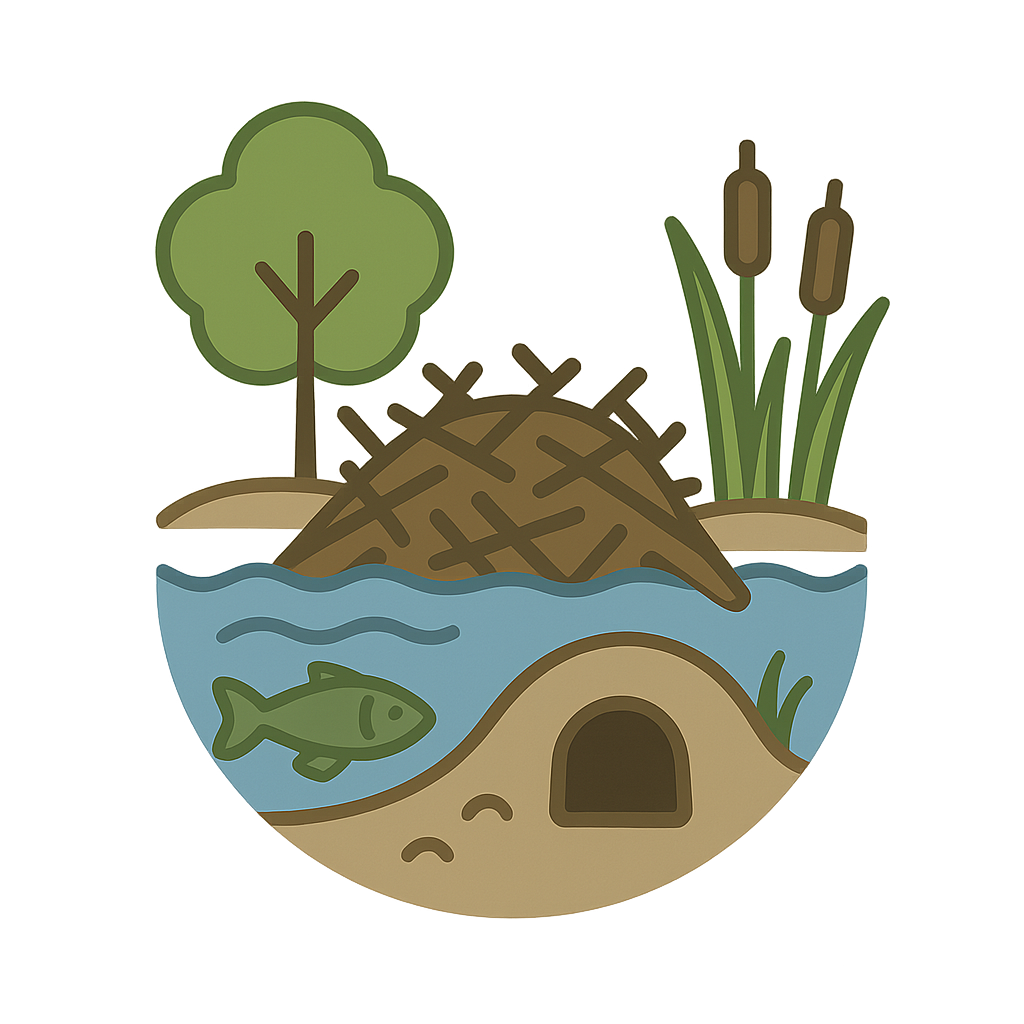
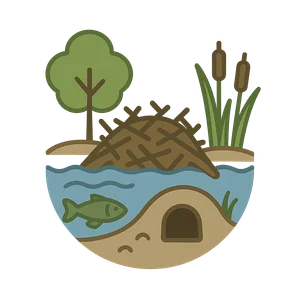
I don't have hands, but I build entire cities. I don't use blueprints, but my designs can change the course of a river or create a forest from a field. Have you ever seen a beaver patiently weaving sticks and mud into a sturdy dam, turning a babbling creek into a calm, deep pond? That's me at work. Have you imagined a vast underground town, with tunnels and rooms stretching for miles, all dug by busy prairie dogs? That's my work, too. I am the silent, powerful idea behind any creature that physically changes the world around it to create a new home, not just for itself, but for countless others. I am the force that turns a single coral polyp into a massive, colorful reef buzzing with fish. I am in the elephant that pushes down trees, creating sunny clearings where new plants can sprout. Before scientists gave me a name, people just saw animals doing what they do. They saw a beaver building a dam or a woodpecker carving a hole in a tree. They saw the results—a new wetland, a new home for an owl—but they didn't see the single, connecting thread. They didn't see me: the concept that ties all these natural architects together. I am the reason one creature’s home becomes a whole neighborhood for the community of life.
For centuries, people admired the builders of the animal kingdom. But it wasn't until the end of the 20th century that a few curious scientists decided to look closer. They wondered if there was a bigger story connecting the beaver's dam, the ant's nest, and the coral's reef. In 1994, three ecologists—Clive G. Jones, John H. Lawton, and Moshe Shachak—were studying how different living things interact. They noticed that some species weren't just living *in* their environment; they were actively *making* it. These creatures were like construction workers and architects for nature. In a scientific paper published that year, these scientists gave me my name: Ecosystem Engineer. It was the perfect fit. An ecosystem is a community of living things, and an engineer is someone who designs and builds things. Suddenly, scientists had a new way to understand nature. They realized there were two main ways I work. Sometimes, I am an 'allogenic' engineer. This is a fancy way of saying an animal changes its world by moving materials around—like a beaver moving sticks to build a dam or a gopher tortoise digging a burrow by moving sand. Other times, I am an 'autogenic' engineer. This happens when a creature changes the environment simply by being there and growing. Think of a giant redwood tree. Its own trunk and branches create a shady, moist world on the forest floor, a perfect home for ferns, mosses, and salamanders. By giving me a name, these scientists helped everyone see the powerful, hidden connections in the wild.
I Am the Ecosystem Engineer
I don't have hands, but I build entire cities. I don't use blueprints, but my designs can change the course of a river or create a forest from a field. Have you ever seen a beaver patiently weaving sticks and mud into a sturdy dam, turning a babbling creek into a calm, deep pond? That's me at work. Have you imagined a vast underground town, with tunnels and rooms stretching for miles, all dug by busy prairie dogs? That's my work, too. I am the silent, powerful idea behind any creature that physically changes the world around it to create a new home, not just for itself, but for countless others. I am the force that turns a single coral polyp into a massive, colorful reef buzzing with fish. I am in the elephant that pushes down trees, creating sunny clearings where new plants can sprout. Before scientists gave me a name, people just saw animals doing what they do. They saw a beaver building a dam or a woodpecker carving a hole in a tree. They saw the results—a new wetland, a new home for an owl—but they didn't see the single, connecting thread. They didn't see me: the concept that ties all these natural architects together. I am the reason one creature’s home becomes a whole neighborhood for the community of life.
For centuries, people admired the builders of the animal kingdom. But it wasn't until the end of the 20th century that a few curious scientists decided to look closer. They wondered if there was a bigger story connecting the beaver's dam, the ant's nest, and the coral's reef. In 1994, three ecologists—Clive G. Jones, John H. Lawton, and Moshe Shachak—were studying how different living things interact. They noticed that some species weren't just living in their environment; they were actively making it. These creatures were like construction workers and architects for nature. In a scientific paper published that year, these scientists gave me my name: Ecosystem Engineer. It was the perfect fit. An ecosystem is a community of living things, and an engineer is someone who designs and builds things. Suddenly, scientists had a new way to understand nature. They realized there were two main ways I work. Sometimes, I am an 'allogenic' engineer. This is a fancy way of saying an animal changes its world by moving materials around—like a beaver moving sticks to build a dam or a gopher tortoise digging a burrow by moving sand. Other times, I am an 'autogenic' engineer. This happens when a creature changes the environment simply by being there and growing. Think of a giant redwood tree. Its own trunk and branches create a shady, moist world on the forest floor, a perfect home for ferns, mosses, and salamanders. By giving me a name, these scientists helped everyone see the powerful, hidden connections in the wild.
Once you know about me, you start to see my work everywhere. It's not just the famous builders like beavers. Think about prairie dogs in the grasslands of North America. Their vast underground 'towns' do more than just house their families. The constant digging mixes up the soil, making it richer for plants to grow. And their abandoned burrows become cozy homes for black-footed ferrets, burrowing owls, and even rattlesnakes. The prairie dog is a true engineer, and its whole ecosystem depends on its hard work. Or what about termites in the savannas of Africa? They build enormous mounds, some taller than a person. These mounds are filled with tunnels that bring air and water deep into the hard, dry soil, helping plants survive. The mounds themselves become nutrient-rich islands where trees can grow. Without these tiny engineers, the whole landscape would be a much harder place to live. Understanding me has also shown people what happens when an engineer disappears. For many years, beavers were hunted so much they vanished from many rivers in the 1800s. Without them, their dams fell apart. The ponds drained, the wetlands dried up, and all the birds, fish, and frogs that depended on those beaver-made habitats had nowhere to go. When people started reintroducing beavers in the 20th century, the wetlands came back to life, proving just how important my work is.
The best part about being a concept is that I can inspire you, too. You don't need sharp teeth or claws to be an ecosystem engineer. Humans are the most powerful engineers on the planet. Knowing about me helps people make better choices—to protect the animals that build and shape our world, and to become builders ourselves. When you help plant a community garden, you are engineering a new habitat for bees and butterflies. When you help restore a local stream or wetland, you are acting just like a beaver, creating a healthier home for fish and birds. Every native tree planted or patch of wildflowers grown is a small act of world-building. I am proof that a single individual can make huge, positive changes in their community. I am the idea that building a better home for yourself can also mean building a better world for everyone. So go ahead—what will you build today?
Wow facts
About
An ecosystem engineer is any organism that creates, significantly modifies, maintains, or destroys a habitat. These organisms can have a large impact on the species richness and landscape-level heterogeneity of an area.
Take a Quiz
Question 1 of 5
What were scientists Clive G. Jones, John H. Lawton, and Moshe Shachak trying to understand that led them to create the term 'Ecosystem Engineer'?
Explore next






Want to do even more?
Go beyond exploring. Unlock tools that turn every story into real learning.

Storypie Plus for families
Full stories, quizzes, and printables. Nights and car rides, sorted.
- Unlimited audio stories
- Create Mode: your child stars in the story
- Offline downloads
- Printable worksheets & coloring pages

Why Storypie for Schools
Students engaged. Prep in seconds. Evenings back to you.
- Worksheets & Quizzes
- Classroom Management
- Formative Assessment
- Custom Curriculum & Lesson Plans
- 27 Languages

Why Storypie for Homeschool
Curriculum done. They'll ask for more. Hours back in your day.
- Worksheet Generator
- First-Person Audio Stories
- Built-in Comprehension Quizzes
- Custom Curriculum & Lesson Plans
- Print & Go Activities