English

Hammerhead Shark
Hammerhead sharks are a group of sharks that form the family Sphyrnidae…
Reads at Grades 6–8 Listens at Grades 4–8
Print & create
Answer keys·No prep·Free with an account
28 worksheets · answer keys · full story · quiz · Ages 10-12 · CEFR B2
Plus adds 244,000+ more stories in 27 languages, audio for every one, and printables for all of them.
Just want Hammerhead Shark?
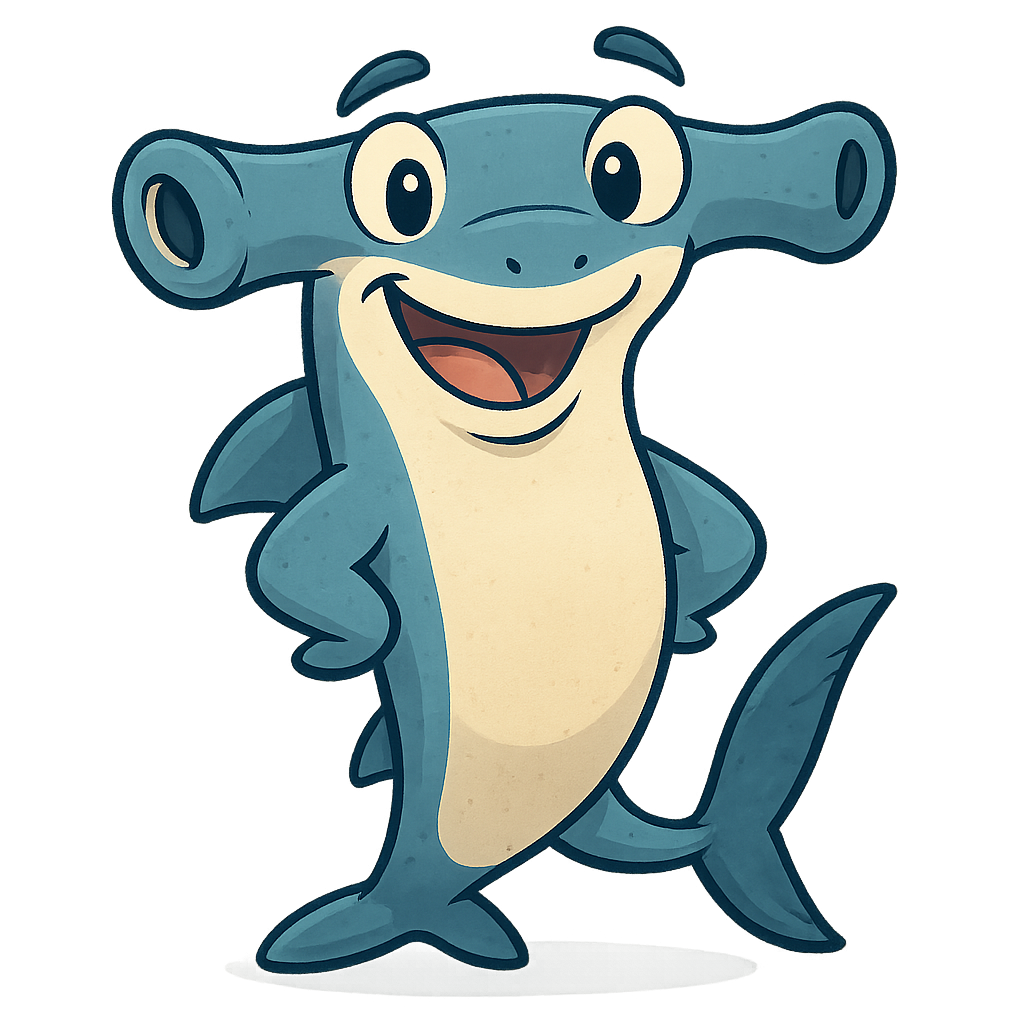
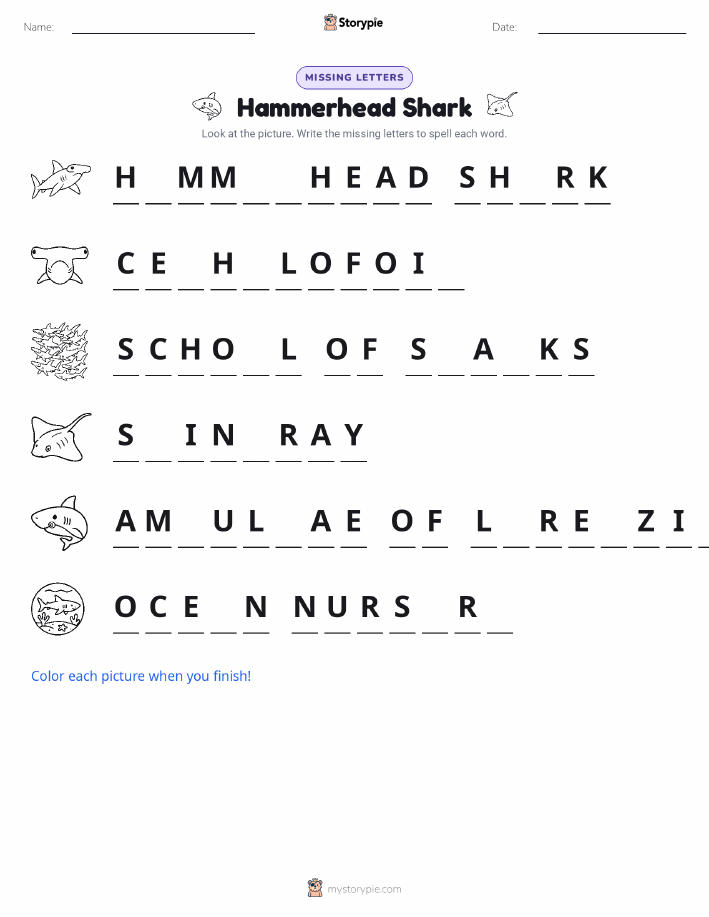
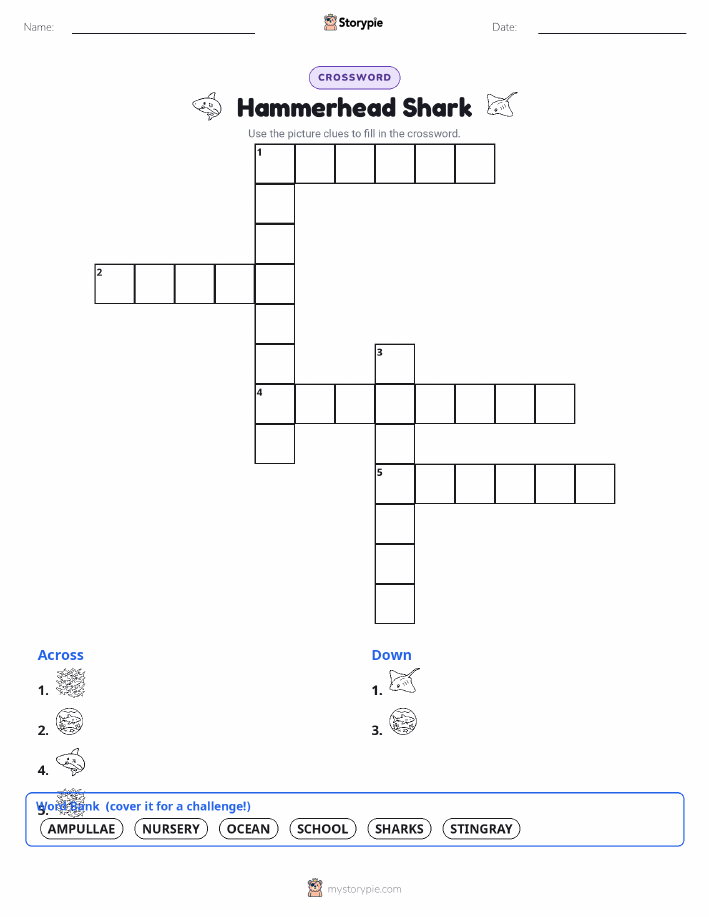
Hello, I am a great hammerhead shark, one of the most recognizable travelers in the ocean. My story begins not in a leathery egg case, but with my live birth in a warm, shallow coastal nursery. I arrived with litter sizes that vary by species; for example, the great hammerhead can have litters ranging from 12 to 55 pups, each of us a perfect, miniature version of our mother. From my very first moment, my most famous feature defined me: my hammer-shaped head, which scientists call a cephalofoil. As a young pup, it felt wide and awkward, a strange rudder I had to learn to steer. It took time to grow into this unique part of myself. Even though my kind has patrolled the oceans for millions of years, it was in 1810 that human scientists officially gave my family the genus name *Sphyrna*, a name that would follow us through history as they learned more about our lives in the vast blue world.
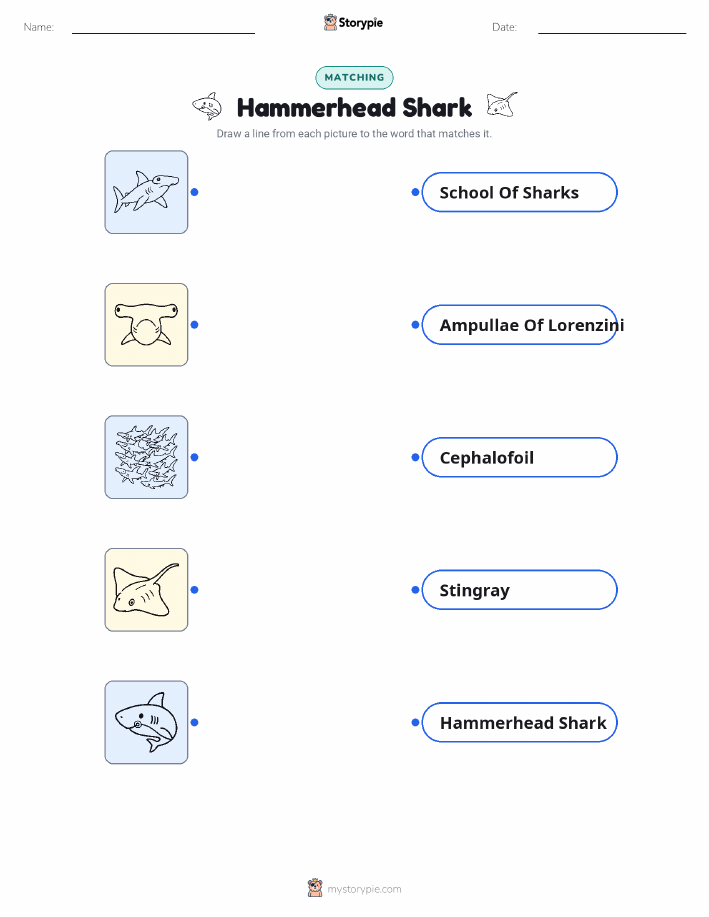
My cephalofoil is not just for show; it gives me what you might call built-in superpowers. My eyes are positioned on the sides of my hammer-shaped head, granting me a wider field of vision than other sharks. I can see above, below, and all around me at the same time, which means very little escapes my notice. But my true power lies in something you can’t see. My head is covered with thousands of tiny sensors called ampullae of Lorenzini. These pores can detect the faint electrical fields that all living creatures generate. I remember my first real hunt perfectly. I was gliding silently over a sandy bottom when my sensors picked up a tiny electrical pulse. It was a stingray, my favorite meal, completely hidden beneath the sand. Using the signals from my ampullae, I pinpointed its exact location, then swiftly used the wide edge of my head to pin it to the seafloor before I ate. This amazing ability allows me to find food that other predators might miss entirely.
A Hammerhead's Tale: Guardian of the Reef
Hello, I am a great hammerhead shark, one of the most recognizable travelers in the ocean. My story begins not in a leathery egg case, but with my live birth in a warm, shallow coastal nursery. I arrived with litter sizes that vary by species; for example, the great hammerhead can have litters ranging from 12 to 55 pups, each of us a perfect, miniature version of our mother. From my very first moment, my most famous feature defined me: my hammer-shaped head, which scientists call a cephalofoil. As a young pup, it felt wide and awkward, a strange rudder I had to learn to steer. It took time to grow into this unique part of myself. Even though my kind has patrolled the oceans for millions of years, it was in 1810 that human scientists officially gave my family the genus name Sphyrna, a name that would follow us through history as they learned more about our lives in the vast blue world.
My cephalofoil is not just for show; it gives me what you might call built-in superpowers. My eyes are positioned on the sides of my hammer-shaped head, granting me a wider field of vision than other sharks. I can see above, below, and all around me at the same time, which means very little escapes my notice. But my true power lies in something you can’t see. My head is covered with thousands of tiny sensors called ampullae of Lorenzini. These pores can detect the faint electrical fields that all living creatures generate. I remember my first real hunt perfectly. I was gliding silently over a sandy bottom when my sensors picked up a tiny electrical pulse. It was a stingray, my favorite meal, completely hidden beneath the sand. Using the signals from my ampullae, I pinpointed its exact location, then swiftly used the wide edge of my head to pin it to the seafloor before I ate. This amazing ability allows me to find food that other predators might miss entirely.
After spending my early life in the relative safety of the nursery, I grew large enough to venture out on my own. I became a solitary traveler, embracing a life of independence. Unlike some of my relatives, I prefer to journey alone. My cousins, the scalloped hammerheads, are famous for gathering in huge schools of hundreds, a spectacular behavior that still fascinates human scientists who study them. My life is one of constant motion, driven by long seasonal migrations. I swim thousands of miles each year, following the warm ocean currents to find abundant feeding grounds. This nomadic lifestyle requires strength and instinct, as I navigate the enormous, ever-changing ocean landscape by myself, guided by the sun, the Earth's magnetic field, and the ancient rhythms of the sea.
My long journeys are not without their challenges. The world has changed, and my kind faces serious threats. I have learned to be wary of fishing nets, where sharks like me can become accidentally entangled as bycatch. An even greater danger is being hunted specifically for our large fins. For a long time, it felt like the ocean was becoming a more dangerous place for us. But then, a wave of hope arrived. On March 14th, 2013, people from countries all around the world came together and agreed to give my species special protection. This agreement, part of a treaty called CITES, helps regulate fishing and makes it harder for people to hunt us unsustainably. This international cooperation showed me that humans were beginning to understand our importance and were taking steps to ensure we could continue our ancient migrations safely.
My role in the ocean is more than just being a hunter; I am a guardian of balance. As an apex predator, I am at the top of the food chain, which gives me a vital responsibility. By hunting animals like stingrays and groupers, I help keep their populations from growing too large. This, in turn, protects the delicate ecosystems where they live, from vibrant coral reefs to vital seagrass beds. When my job is done well, the entire system thrives. My journey continues as a steward of the blue kingdom. The future of my ocean home depends on a shared respect between all who live here, and I will continue to play my part in keeping it healthy and balanced for generations to come.
Wow facts
About
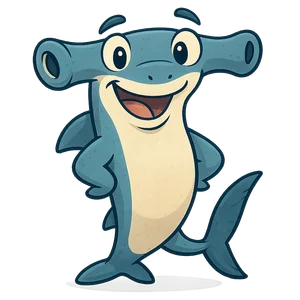
Hammerhead sharks are a group of sharks that form the family Sphyrnidae, so named for the distinctive and unusual structure of their heads, which are flattened and laterally extended into a 'hammer' shape called a cephalofoil. They are found worldwide in warmer waters along coastlines and continental shelves.
Take a Quiz
Question 1 of 5
According to the story, what is the main role of the great hammerhead shark in its ecosystem?
Explore next



Want to do even more?
Go beyond exploring. Unlock tools that turn every story into real learning.

Storypie Plus for families
Full stories, quizzes, and printables. Nights and car rides, sorted.
- Unlimited audio stories
- Create Mode: your child stars in the story
- Offline downloads
- Printable worksheets & coloring pages

Why Storypie for Schools
Students engaged. Prep in seconds. Evenings back to you.
- Worksheets & Quizzes
- Classroom Management
- Formative Assessment
- Custom Curriculum & Lesson Plans
- 27 Languages

Why Storypie for Homeschool
Curriculum done. They'll ask for more. Hours back in your day.
- Worksheet Generator
- First-Person Audio Stories
- Built-in Comprehension Quizzes
- Custom Curriculum & Lesson Plans
- Print & Go Activities