English

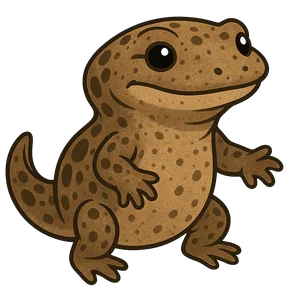
Japanese Giant Salamander
The Japanese Giant Salamander is one of the world's largest amphibians, native to the cool…
Reads at Grades 6–8 Listens at Grades 4–8
Print & create
Answer keys·No prep·Free with an account
28 worksheets · answer keys · full story · quiz · Ages 10-12 · CEFR B2
Plus adds 164,000+ more stories in 27 languages, audio for every one, and printables for all of them.
Just want Japanese Giant Salamander?
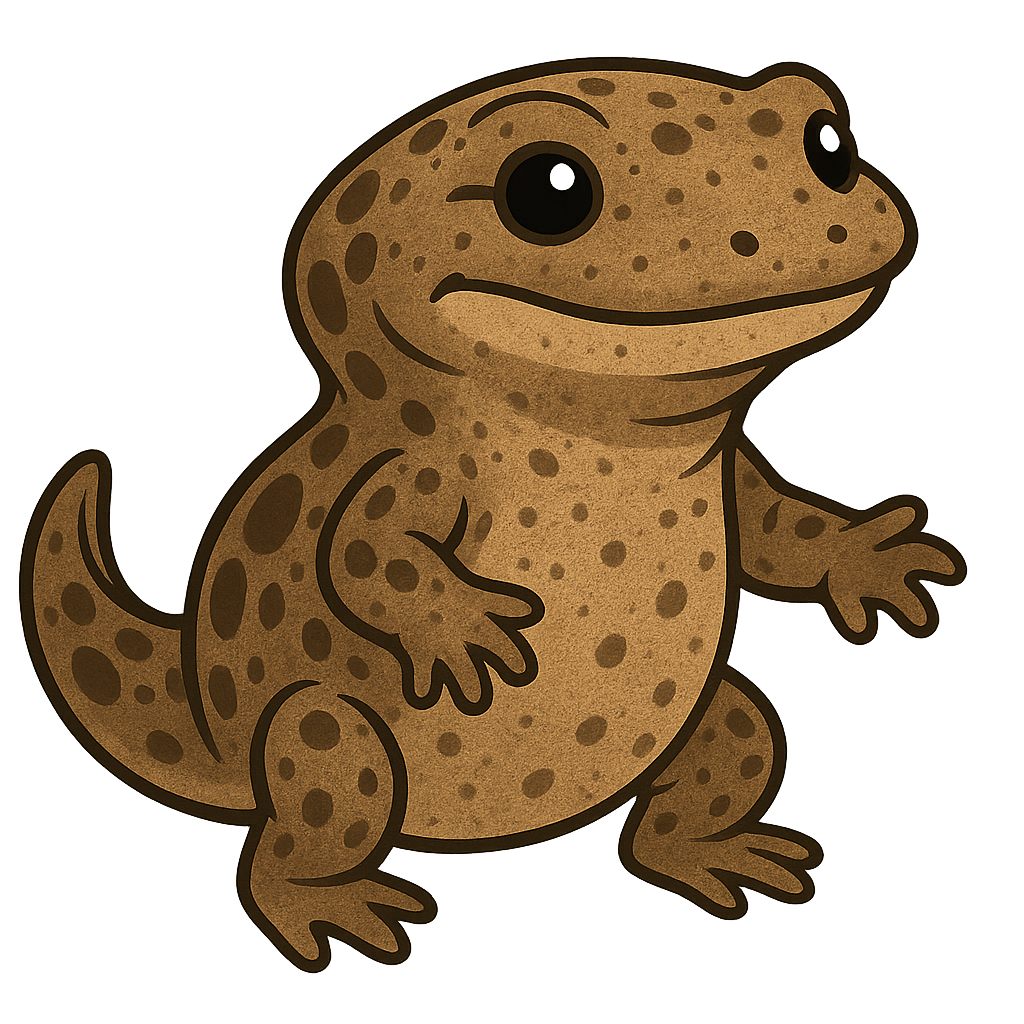
Hello, I am a Japanese Giant Salamander, known in my homeland as Ōsanshōuo. My story begins not just with my own life, but deep in the past, for my kind are what you call 'living fossils.' We have swam in the cool mountain streams of Japan since the time of the dinosaurs, our forms remaining largely unchanged through millions of years. I began my own journey in August of 1975, hatching from a small, jelly-like egg in a clear, fast-flowing river on the island of Honshu. In those early days, I was just a tiny larva, breathing through delicate gills that branched from the sides of my head. The world was a dangerous place, and I spent my time hiding under smooth, mossy rocks on the riverbed. The current was my guide and my messenger; it brought me scents of food and warned me of predators. I learned to be still and patient, sensing the faintest vibrations in the water to understand the world around me.
As I grew, my body went through remarkable changes. The external gills I relied on as a larva disappeared, and I developed a pair of simple lungs. But my most important tool for breathing became my skin. My skin is wrinkly and folded, which gives it a large surface area to absorb oxygen directly from the water. This is why I must live in clean, oxygen-rich rivers; if the water is polluted, I cannot breathe. My body grew long and flat, perfect for resting on the river floor. My eyes are very small and my vision is poor, but I don’t need to see well to be an effective hunter. My skin is covered in special sensory cells that can detect the tiniest changes in water pressure and movement. This is how I find my prey. I am a silent hunter of the riverbed. During the night, I lie perfectly still, an ambush predator waiting patiently. My metabolism is very slow, so I can go a long time without eating. When a small fish or an unsuspecting crab wanders too close, I strike with surprising speed, my wide mouth opening to pull in my meal.
The River Guardian: My Life as a Japanese Giant Salamander
Hello, I am a Japanese Giant Salamander, known in my homeland as Ōsanshōuo. My story begins not just with my own life, but deep in the past, for my kind are what you call 'living fossils.' We have swam in the cool mountain streams of Japan since the time of the dinosaurs, our forms remaining largely unchanged through millions of years. I began my own journey in August of 1975, hatching from a small, jelly-like egg in a clear, fast-flowing river on the island of Honshu. In those early days, I was just a tiny larva, breathing through delicate gills that branched from the sides of my head. The world was a dangerous place, and I spent my time hiding under smooth, mossy rocks on the riverbed. The current was my guide and my messenger; it brought me scents of food and warned me of predators. I learned to be still and patient, sensing the faintest vibrations in the water to understand the world around me.
As I grew, my body went through remarkable changes. The external gills I relied on as a larva disappeared, and I developed a pair of simple lungs. But my most important tool for breathing became my skin. My skin is wrinkly and folded, which gives it a large surface area to absorb oxygen directly from the water. This is why I must live in clean, oxygen-rich rivers; if the water is polluted, I cannot breathe. My body grew long and flat, perfect for resting on the river floor. My eyes are very small and my vision is poor, but I don’t need to see well to be an effective hunter. My skin is covered in special sensory cells that can detect the tiniest changes in water pressure and movement. This is how I find my prey. I am a silent hunter of the riverbed. During the night, I lie perfectly still, an ambush predator waiting patiently. My metabolism is very slow, so I can go a long time without eating. When a small fish or an unsuspecting crab wanders too close, I strike with surprising speed, my wide mouth opening to pull in my meal.
For many years, my life followed the ancient rhythms of the river. But as the decades passed, my world began to change in ways that my ancestors never experienced. During the 1980s and 1990s, I witnessed the construction of more and more concrete dams and weirs across my river. These structures, built by humans, became impassable walls. They blocked the migration routes my kind has used for generations to find suitable places for breeding, trapping us in smaller sections of the river. At the same time, pollution from towns and farms sometimes clouded the water, making it harder for me to breathe through my skin. Another challenge arrived from far away: the Chinese Giant Salamander. People introduced this related species to my home, and they became an invasive competitor. They compete with me for food and shelter, and they can even breed with my species, creating hybrids that threaten the genetic purity that has defined my kind for millions of years.
Legacy & Remembering
Despite these challenges, my story is also one of hope and resilience. People began to understand my importance a long time ago. In 1952, the government of Japan designated my species a Special Natural Monument, giving us legal protection from being hunted or captured. This was a crucial step in ensuring our survival. In more recent years, conservationists and scientists have been working to undo some of the damage to our habitat. They have started building special 'salamander ladders' and ramps on dams to help us climb over them and reach our breeding grounds. As an apex predator, my presence signifies that the river is healthy and the ecosystem is in balance. My long life, which can stretch over 70 years, is a testament to the strength of ancient life. My story serves as a reminder that the world’s precious freshwater habitats are home to incredible creatures, and it is our shared responsibility to protect them for the future.
Wow facts
About
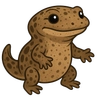
The Japanese Giant Salamander is one of the world's largest amphibians, native to the cool, clear streams of Japan. It is a nocturnal predator known for its wrinkly skin which helps it absorb oxygen from the water.
Take a Quiz
Question 1 of 5
What is the main environmental challenge the Japanese Giant Salamander faced starting in the 1980s and 1990s?
Explore next




Want to do even more?
Go beyond exploring. Unlock tools that turn every story into real learning.

Storypie Plus for families
Full stories, quizzes, and printables. Nights and car rides, sorted.
- Unlimited audio stories
- Create Mode: your child stars in the story
- Offline downloads
- Printable worksheets & coloring pages

Why Storypie for Schools
Students engaged. Prep in seconds. Evenings back to you.
- Worksheets & Quizzes
- Classroom Management
- Formative Assessment
- Custom Curriculum & Lesson Plans
- 27 Languages

Why Storypie for Homeschool
Curriculum done. They'll ask for more. Hours back in your day.
- Worksheet Generator
- First-Person Audio Stories
- Built-in Comprehension Quizzes
- Custom Curriculum & Lesson Plans
- Print & Go Activities