English

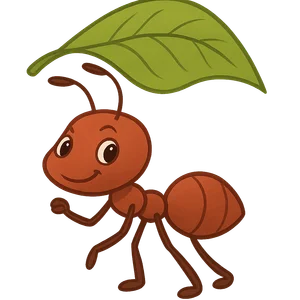
Leafcutter Ant
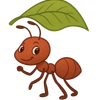
Leafcutter ants are social insects found in the tropics of the Americas…
Reads at Grades 3–5 Listens at Grades 1–5
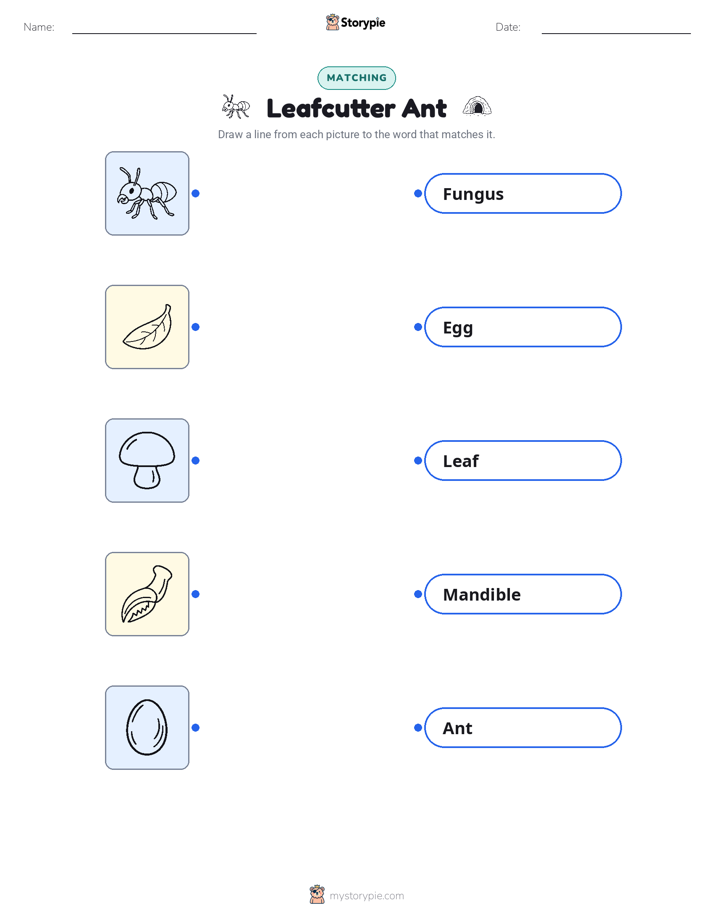
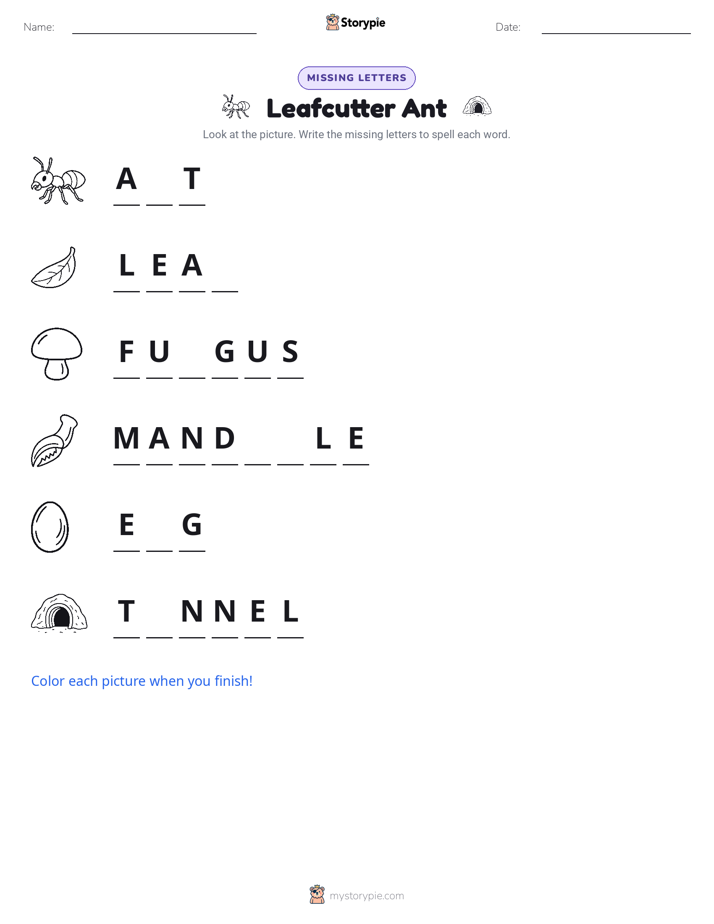
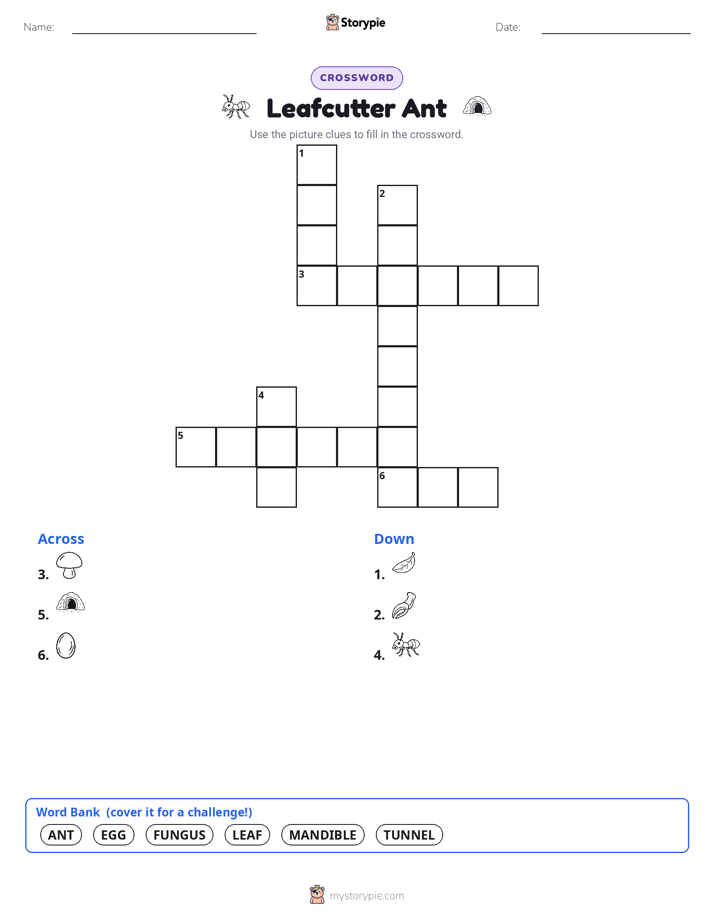
Print & create
Answer keys·No prep·Free with an account
28 worksheets · answer keys · full story · quiz · Ages 8-10 · CEFR B1
Plus adds 244,000+ more stories in 27 languages, audio for every one, and printables for all of them.
Just want Leafcutter Ant?
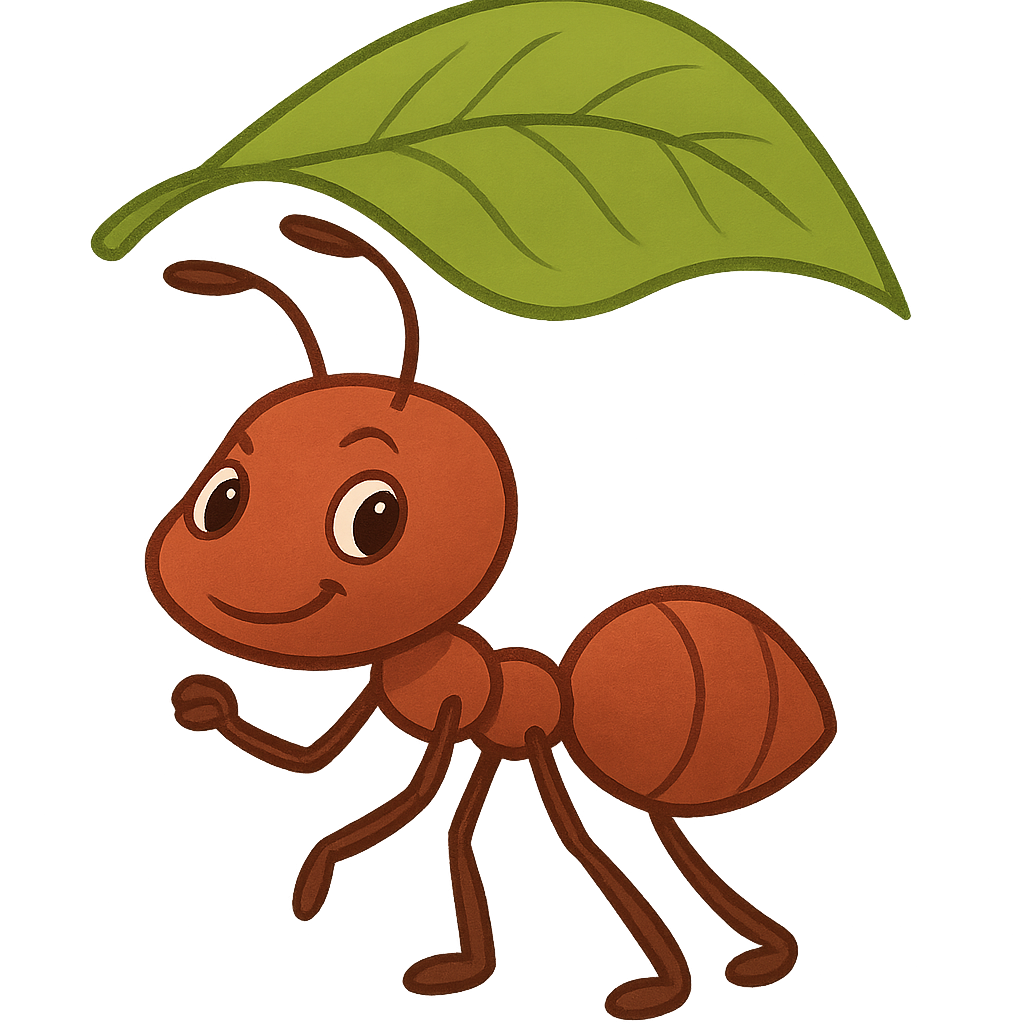
Hello, I am a leafcutter ant, and I am a worker in a huge city. My home isn't made of buildings; it's a giant underground colony deep in a South American rainforest. I was born from a tiny egg, just like my millions of sisters. Our world is a maze of dark tunnels and special rooms called chambers, all dug by our family. Our mother, the queen, is the most important member of our colony because she is the only one who lays eggs. Every one of us has a different job to do, whether it's digging, cleaning, or finding food. This system helps our family thrive, and it's a way of life that our ancestors perfected over millions of years.
I will never forget my first trip outside the nest. After growing up in the quiet darkness, the feeling of the sun on my body and the rich smells of the forest were incredible. I marched in a long, organized line with my sisters, following a special scent trail that the ants ahead of us had left behind. When we found the right plant, it was my time to work. I used my powerful jaws, called mandibles, to slice off a piece of a leaf. My mandibles work just like a pair of tiny scissors, making a clean, quick cut. People have known about my family’s hard work for a very long time. Scientists who study insects first gave a scientific description of my family, the genus *Atta*, way back in 1804.
Now, I will tell you our biggest secret: we don’t actually eat the leaves we carry. My job is to bring my leaf piece all the way back to our nest. There, I give it to smaller worker ants who have a very important job. They carefully clean the leaf, then chew it into a mushy pulp. This pulp becomes food for our special garden. Deep inside our nest, we grow a living fungus that is found nowhere else on Earth. This fungus is the only food our entire colony eats, and it gives us all the energy we need. In 1893, a scientist named Alfred Möller was one of the first people to study our fungus farms, helping the human world understand our amazing partnership with this special plant.
The Leafcutter Ant's Garden
Hello, I am a leafcutter ant, and I am a worker in a huge city. My home isn't made of buildings; it's a giant underground colony deep in a South American rainforest. I was born from a tiny egg, just like my millions of sisters. Our world is a maze of dark tunnels and special rooms called chambers, all dug by our family. Our mother, the queen, is the most important member of our colony because she is the only one who lays eggs. Every one of us has a different job to do, whether it's digging, cleaning, or finding food. This system helps our family thrive, and it's a way of life that our ancestors perfected over millions of years.
I will never forget my first trip outside the nest. After growing up in the quiet darkness, the feeling of the sun on my body and the rich smells of the forest were incredible. I marched in a long, organized line with my sisters, following a special scent trail that the ants ahead of us had left behind. When we found the right plant, it was my time to work. I used my powerful jaws, called mandibles, to slice off a piece of a leaf. My mandibles work just like a pair of tiny scissors, making a clean, quick cut. People have known about my family’s hard work for a very long time. Scientists who study insects first gave a scientific description of my family, the genus Atta, way back in 1804.
Now, I will tell you our biggest secret: we don’t actually eat the leaves we carry. My job is to bring my leaf piece all the way back to our nest. There, I give it to smaller worker ants who have a very important job. They carefully clean the leaf, then chew it into a mushy pulp. This pulp becomes food for our special garden. Deep inside our nest, we grow a living fungus that is found nowhere else on Earth. This fungus is the only food our entire colony eats, and it gives us all the energy we need. In 1893, a scientist named Alfred Möller was one of the first people to study our fungus farms, helping the human world understand our amazing partnership with this special plant.
As a forager, the world outside our home can be a dangerous place. There are predators like hungry army ants that march through the forest, and even tiny flies, called phorid flies, that try to attack us while we work. But our colony has protectors. My biggest sisters are our soldier ants. They are much larger than me and have huge heads with extra-sharp jaws that can protect us from danger. They stand guard along our trails and at the entrance to our nest, always watching for threats. They make sure that foragers like me can safely gather leaves for our garden.
The Forest's Tiny Gardeners
My work might seem small, but my sisters and I are important gardeners for the rainforest. Even though we take lots of leaves, our trimming is like pruning, which helps new plants get more sunlight and grow strong. Our vast underground nests also help the forest by mixing up the soil, which makes it healthier for all the plant roots. When I march with my millions of sisters, we are not just feeding our colony; we are helping to keep the entire rainforest ecosystem healthy and full of life.
Wow facts
About
Leafcutter ants are social insects found in the tropics of the Americas, known for their unique agricultural practice of cutting leaves to cultivate a specific fungus, which is their primary food source.
Take a Quiz
Question 1 of 5
In the story, the ant says her jaws, or mandibles, are 'like tiny scissors.' What does this comparison help you understand about her jaws?
Explore next





Want to do even more?
Go beyond exploring. Unlock tools that turn every story into real learning.

Storypie Plus for families
Full stories, quizzes, and printables. Nights and car rides, sorted.
- Unlimited audio stories
- Create Mode: your child stars in the story
- Offline downloads
- Printable worksheets & coloring pages

Why Storypie for Schools
Students engaged. Prep in seconds. Evenings back to you.
- Worksheets & Quizzes
- Classroom Management
- Formative Assessment
- Custom Curriculum & Lesson Plans
- 27 Languages

Why Storypie for Homeschool
Curriculum done. They'll ask for more. Hours back in your day.
- Worksheet Generator
- First-Person Audio Stories
- Built-in Comprehension Quizzes
- Custom Curriculum & Lesson Plans
- Print & Go Activities