English

Pink River Dolphin
The Amazon River Dolphin, also known as the boto or pink river dolphin…
Reads at Grades 6–8 Listens at Grades 4–8
Print & create
Answer keys·No prep·Free with an account
28 worksheets · answer keys · full story · quiz · Ages 10-12 · CEFR B2
Plus adds 164,000+ more stories in 27 languages, audio for every one, and printables for all of them.
Just want Pink River Dolphin?
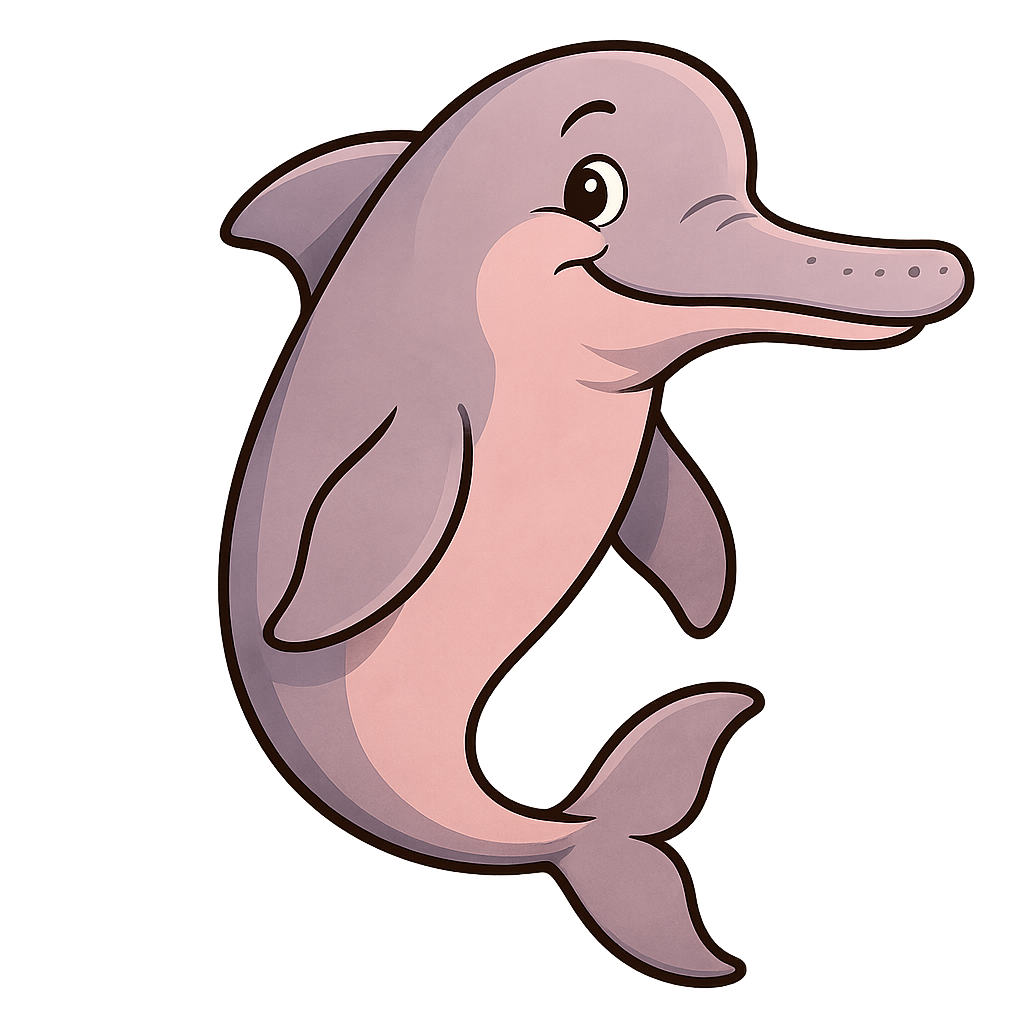
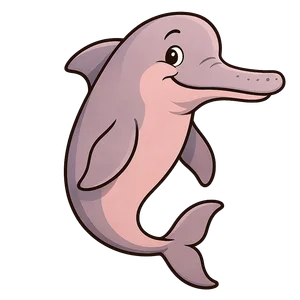
Hello! My name is Boto, which is what the local people of the Amazon call my kind. I am an Amazon River Dolphin, a creature of freshwater and mystery. My skin is a curious pinkish-grey color, but it can blush to a brighter pink when I get excited or work hard, just like your cheeks might flush. I have a long, slender snout that is perfect for poking around in the soft river mud to find tasty crabs and small fish. Unlike the dolphins you might see in the ocean, my eyes are quite small because the river water where I live is often cloudy with sediment. I was born around the year 2005, right in the middle of the rainy season. This was a wonderful time to be a calf. The mighty Amazon River overflowed its banks, flooding the surrounding forest and creating a vast, magical underwater world for me to explore. I would swim close to my mother, weaving through the submerged tree trunks and learning the secrets of my watery home. The flooded forest was my playground, a safe and exciting place to begin my life's journey.
Since the river I call home is often murky, I rely on a special sense that is far more powerful than sight. It’s called echolocation, and it is my most important tool for navigating my world. To see with sound, I send out a series of high-pitched clicks and whistles that travel through the water. These sounds bounce off everything around me—a school of fish, a sunken log, or the riverbank—and return to me as echoes. My brain instantly turns these echoes into a detailed ‘sound map,’ allowing me to perceive my surroundings with perfect clarity, even in the darkest water. This ability is how I find my food, like delicious piranhas and catfish hiding near the river bottom. It also helps me dodge tangled branches and other obstacles when I swim through the flooded forest during the rainy season. I also have a secret that other dolphins don't share: my neck bones aren't fused together. This means I can turn my head a full 90 degrees to look from side to side. This incredible flexibility is a huge advantage, letting me hunt for prey in tricky, tight spots among submerged roots and rocks that other animals can't reach.
My Life as an Amazon River Dolphin
Hello! My name is Boto, which is what the local people of the Amazon call my kind. I am an Amazon River Dolphin, a creature of freshwater and mystery. My skin is a curious pinkish-grey color, but it can blush to a brighter pink when I get excited or work hard, just like your cheeks might flush. I have a long, slender snout that is perfect for poking around in the soft river mud to find tasty crabs and small fish. Unlike the dolphins you might see in the ocean, my eyes are quite small because the river water where I live is often cloudy with sediment. I was born around the year 2005, right in the middle of the rainy season. This was a wonderful time to be a calf. The mighty Amazon River overflowed its banks, flooding the surrounding forest and creating a vast, magical underwater world for me to explore. I would swim close to my mother, weaving through the submerged tree trunks and learning the secrets of my watery home. The flooded forest was my playground, a safe and exciting place to begin my life's journey.
Since the river I call home is often murky, I rely on a special sense that is far more powerful than sight. It’s called echolocation, and it is my most important tool for navigating my world. To see with sound, I send out a series of high-pitched clicks and whistles that travel through the water. These sounds bounce off everything around me—a school of fish, a sunken log, or the riverbank—and return to me as echoes. My brain instantly turns these echoes into a detailed ‘sound map,’ allowing me to perceive my surroundings with perfect clarity, even in the darkest water. This ability is how I find my food, like delicious piranhas and catfish hiding near the river bottom. It also helps me dodge tangled branches and other obstacles when I swim through the flooded forest during the rainy season. I also have a secret that other dolphins don't share: my neck bones aren't fused together. This means I can turn my head a full 90 degrees to look from side to side. This incredible flexibility is a huge advantage, letting me hunt for prey in tricky, tight spots among submerged roots and rocks that other animals can't reach.
My life follows the rhythm of the Amazon's two great seasons. I am usually a solitary creature, preferring to hunt and explore on my own, but occasionally I will join a few other botos to socialize or travel. My entire world changes starting around November each year. This is the beginning of the rainy season, when the river swells and floods the forest, creating an amazing habitat known as the 'igapós.' I love this time of year because I can leave the main river channels and swim freely among the tree trunks, exploring a temporary world that is only accessible for a few months. When the dry season arrives, the water recedes, and I return to the deeper parts of the river. For centuries, the people who live along the river have told stories about me, saying I am a mythical shapeshifter called an 'encantado,' who can turn into a human. While these legends are fascinating, I must clarify that they are myths. My true story began to be documented by scientists from faraway lands when they first started formally studying my species back in 1817.
In recent years, my home has begun to change, and not always for the better. My life and the lives of my family have become more difficult because of new dangers. The constant noise from boat engines can interfere with my echolocation, making it harder for me to hunt and communicate. It’s like trying to have a conversation in a very loud room. Huge dams have also been built across some of the rivers I travel, creating walls that I cannot pass and cutting me off from important feeding grounds. There is also pollution that seeps into the water, which can make the river and the fish I eat unhealthy. These threats have had a serious impact on us. In 2018, a very important group called the International Union for Conservation of Nature, or IUCN, officially listed my species as 'Endangered.' This was a very serious announcement. It means that we are in danger of disappearing forever, and it served as a critical wake-up call for people to recognize the urgent need to protect the Amazon and all the creatures who live here.
Despite these challenges, I have a very important role to play in this vast river ecosystem, and this gives me hope. As a top predator, I help keep the populations of different fish species in balance. When I am thriving, it is a sign that the river itself is healthy and strong. You could say that I am a guardian of the Amazon's health. My presence lets people know that the intricate web of life here is working as it should. By working to protect me and my habitat, humans are also protecting the thousands of other species that make up the magnificent rainforest. I will spend my life, which can be anywhere from 15 to 30 years, doing my part to keep this river wild and full of wonder. My story is a reminder that the health of the river and the health of my species are connected, and both are worth saving.
Wow facts
About
The Amazon River Dolphin, also known as the boto or pink river dolphin, is the largest species of river dolphin, famous for its unique pink coloration and its ability to navigate the complex, murky waters of the Amazon and Orinoco river basins.
Take a Quiz
Question 1 of 5
In your own words, describe the boto's most important sense and explain how it helps it survive in the Amazon River.
Explore next





Want to do even more?
Go beyond exploring. Unlock tools that turn every story into real learning.

Storypie Plus for families
Full stories, quizzes, and printables. Nights and car rides, sorted.
- Unlimited audio stories
- Create Mode: your child stars in the story
- Offline downloads
- Printable worksheets & coloring pages

Why Storypie for Schools
Students engaged. Prep in seconds. Evenings back to you.
- Worksheets & Quizzes
- Classroom Management
- Formative Assessment
- Custom Curriculum & Lesson Plans
- 27 Languages

Why Storypie for Homeschool
Curriculum done. They'll ask for more. Hours back in your day.
- Worksheet Generator
- First-Person Audio Stories
- Built-in Comprehension Quizzes
- Custom Curriculum & Lesson Plans
- Print & Go Activities