English

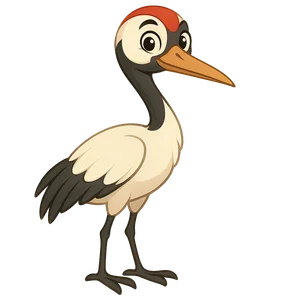
Red-crowned Crane
A large, rare crane of East Asia, known for its striking appearance, elaborate courtship dance…
Reads at Grades 6–8 Listens at Grades 4–8
Print & create
Answer keys·No prep·Free with an account
28 worksheets · answer keys · full story · quiz · Ages 10-12 · CEFR B2
Plus adds 164,000+ more stories in 27 languages, audio for every one, and printables for all of them.
Just want Red-crowned Crane?
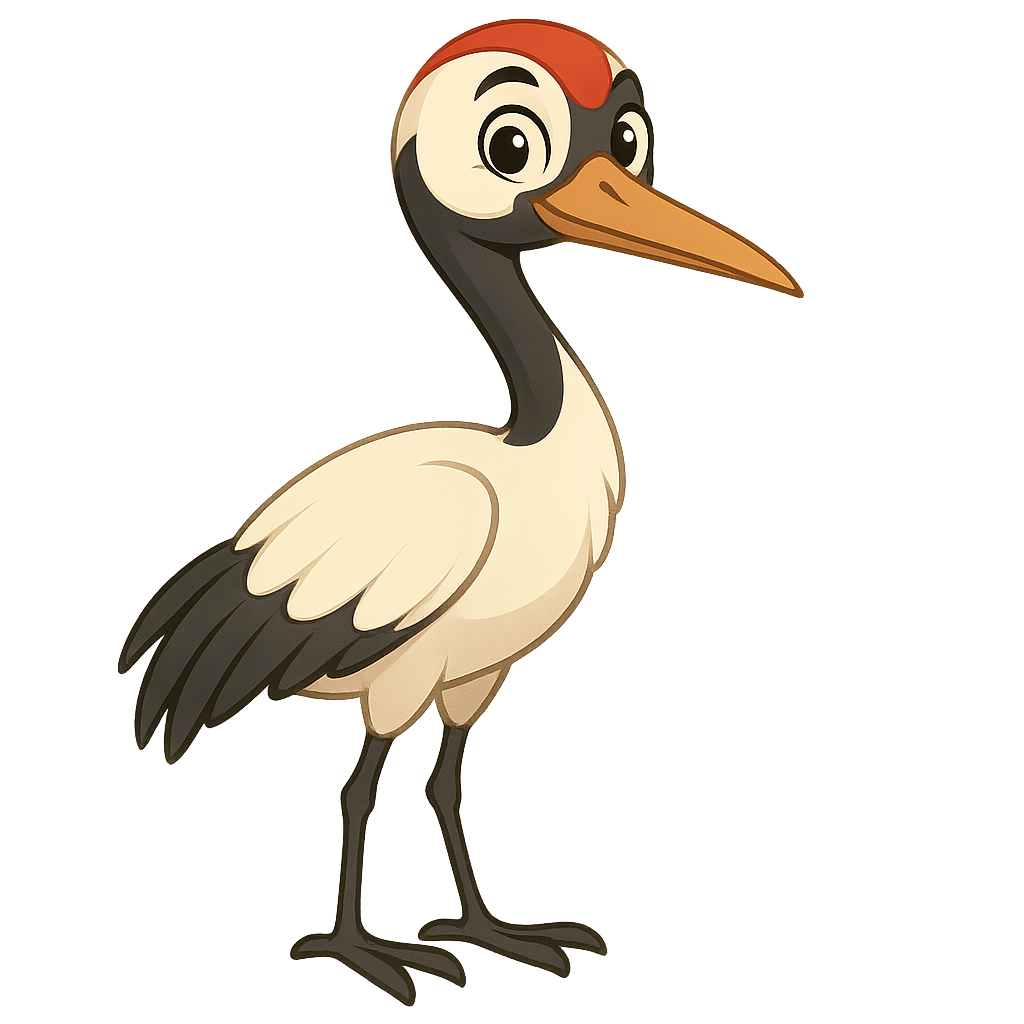
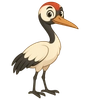
Hello, I am a Red-crowned Crane, and my story is one of resilience, beauty, and survival. We are among the tallest and rarest of all cranes, a species known for our grace and our powerful voices that echo across the wetlands. My feathers are a brilliant, snowy white, a stark contrast to the deep black feathers that adorn my neck and trail from my wings. Many say this looks like I am wearing a formal suit. But my most striking feature, the one that gives me my name, is the patch of bare, red skin on my crown. This is not a crest of feathers; it is my skin, and it glows a brighter crimson when I am excited, calling to my family, or feeling protective. My call is a powerful, trumpeting sound, a resonant bugle that I use to communicate with my partner and family across the vast, open marshes I have always called home.
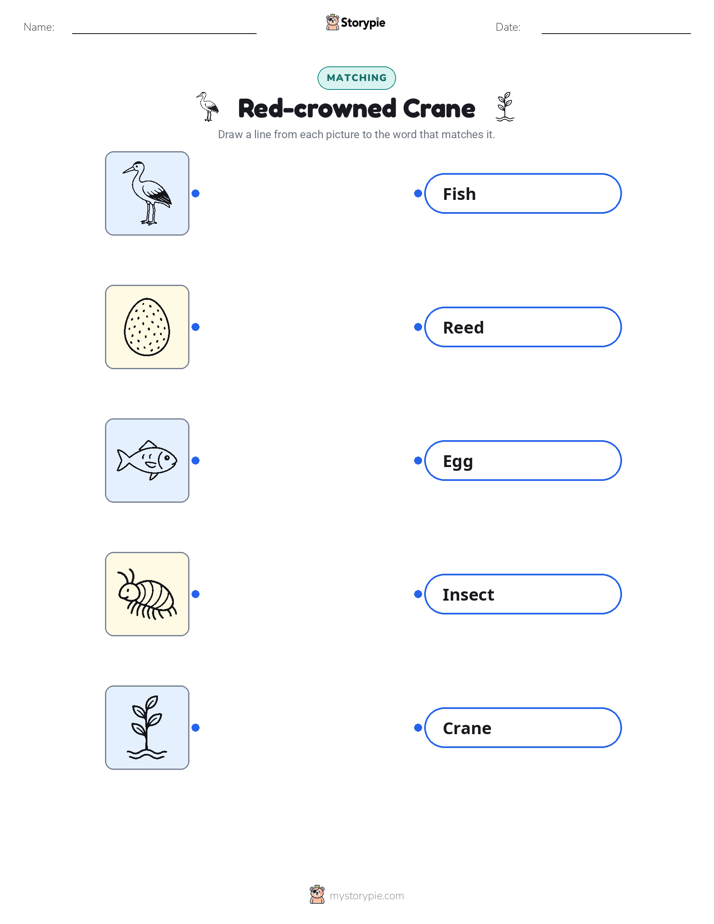
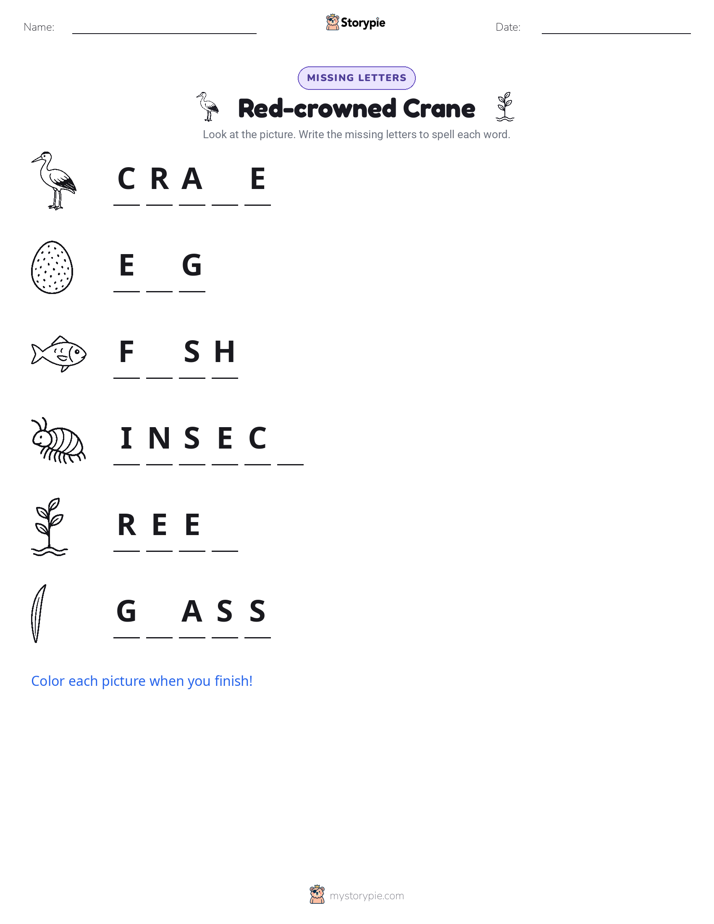
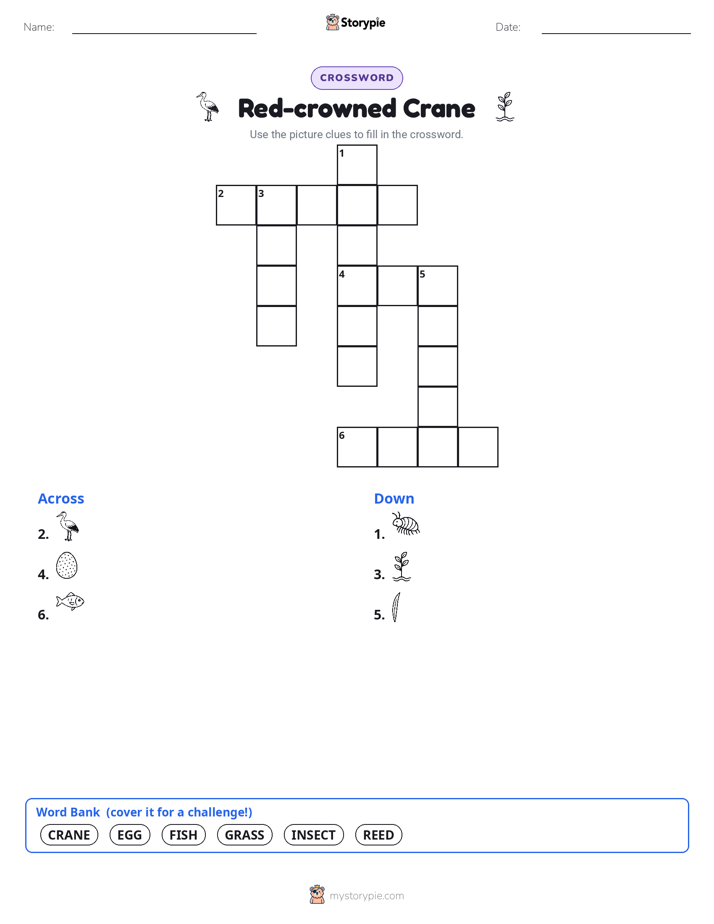
My kind is divided into two groups, and my story belongs to the migratory population. I hatched from a pale, speckled egg in the immense, quiet marshes of Siberia. My first memories are of my parents, tall and watchful, teaching me to forage for fish, insects, and aquatic plants in the cool, shallow waters. When the air grew crisp and the days shortened, a deep instinct pulled at me. It was time for my first migration. It was a long and difficult journey south for the winter, a flight that took my family over towering mountains and wide, winding rivers. We traveled to the warmer lands of eastern China and the Korean Peninsula. In the 1970s, my ancestors discovered an unexpected sanctuary there: the Korean Demilitarized Zone, or DMZ. This strip of land, where humans did not go, became a vital and peaceful wintering ground for generations of my family, a safe harbor at the end of a perilous journey.
The Crane with the Ruby Crown
Hello, I am a Red-crowned Crane, and my story is one of resilience, beauty, and survival. We are among the tallest and rarest of all cranes, a species known for our grace and our powerful voices that echo across the wetlands. My feathers are a brilliant, snowy white, a stark contrast to the deep black feathers that adorn my neck and trail from my wings. Many say this looks like I am wearing a formal suit. But my most striking feature, the one that gives me my name, is the patch of bare, red skin on my crown. This is not a crest of feathers; it is my skin, and it glows a brighter crimson when I am excited, calling to my family, or feeling protective. My call is a powerful, trumpeting sound, a resonant bugle that I use to communicate with my partner and family across the vast, open marshes I have always called home.
My kind is divided into two groups, and my story belongs to the migratory population. I hatched from a pale, speckled egg in the immense, quiet marshes of Siberia. My first memories are of my parents, tall and watchful, teaching me to forage for fish, insects, and aquatic plants in the cool, shallow waters. When the air grew crisp and the days shortened, a deep instinct pulled at me. It was time for my first migration. It was a long and difficult journey south for the winter, a flight that took my family over towering mountains and wide, winding rivers. We traveled to the warmer lands of eastern China and the Korean Peninsula. In the 1970s, my ancestors discovered an unexpected sanctuary there: the Korean Demilitarized Zone, or DMZ. This strip of land, where humans did not go, became a vital and peaceful wintering ground for generations of my family, a safe harbor at the end of a perilous journey.
One of the most important parts of my life is our language of dance. It is through this beautiful and complex ritual that we find our partners, with whom we will spend our entire lives. Our courtship dance is a spectacle of grace and connection. My partner and I perform it together, with synchronized leaps into the air, deep, respectful bows, and coordinated, trumpeting calls that announce our bond to the world. But we do not dance only to find a mate. Throughout the year, we dance to reinforce our connection, to communicate our feelings, and to celebrate our life together. After choosing each other, we work as a team to build our nest on the ground, carefully weaving together reeds and grasses into a sturdy platform. There, we raise our one or two precious chicks, which are called colts. We protect them fiercely, guiding them until they are strong enough to take flight and begin their own journeys.
Our existence has not always been secure. Our story is also one of survival against great odds. In the early 1900s, the vast wetlands we depend on began to disappear as humans changed the landscape, and our numbers across the world fell to dangerously low levels. But a story of hope emerged from our cousins living on the island of Hokkaido, Japan. By 1924, many people believed the Red-crowned Cranes there had vanished forever. Then, a small group of about 20 birds was discovered, surviving against all odds in the Kushiro marsh. This discovery inspired a powerful movement to save them. On November 12th, 1952, the government of Japan gave our species official protection. People began providing food for the cranes during the harsh, snowy winters when foraging was difficult. Thanks to these dedicated efforts, the Hokkaido population has grown from that tiny flock to over 1,500 birds today. This spirit of conservation spread, and in 1973, organizations like the International Crane Foundation were created to protect cranes like me all over the world.
My story continues today, and I stand as a symbol of hope. My presence in a wetland is a sign that the ecosystem is healthy. If I am thriving, it means the rivers are clean and the marshes are teeming with life. For centuries, humans have looked to me as a symbol of good fortune, long life, and the faithfulness of a lifelong partnership. I am more than just a bird; I am a living piece of art and a significant part of human culture. Although my species still faces threats as the world continues to change, the story of our comeback in places like Hokkaido fills me with hope for the future. My trumpeting call is not just a sound carried on the wind; it is a promise of wildness and a powerful reminder of the beautiful, interconnected world we all share and have a duty to protect.
Wow facts
About
A large, rare crane of East Asia, known for its striking appearance, elaborate courtship dance, and cultural significance as a symbol of luck and longevity. It is currently a vulnerable species.
Take a Quiz
Question 1 of 5
What is the main message of the Red-crowned Crane's story?
Explore next






Want to do even more?
Go beyond exploring. Unlock tools that turn every story into real learning.

Storypie Plus for families
Full stories, quizzes, and printables. Nights and car rides, sorted.
- Unlimited audio stories
- Create Mode: your child stars in the story
- Offline downloads
- Printable worksheets & coloring pages

Why Storypie for Schools
Students engaged. Prep in seconds. Evenings back to you.
- Worksheets & Quizzes
- Classroom Management
- Formative Assessment
- Custom Curriculum & Lesson Plans
- 27 Languages

Why Storypie for Homeschool
Curriculum done. They'll ask for more. Hours back in your day.
- Worksheet Generator
- First-Person Audio Stories
- Built-in Comprehension Quizzes
- Custom Curriculum & Lesson Plans
- Print & Go Activities