English

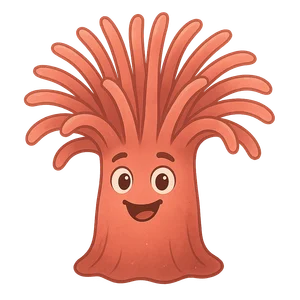
Sea Anemone
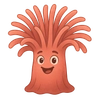
Sea anemones are predatory marine animals of the order Actiniaria.
Reads at Grades 6–8 Listens at Grades 4–8
Print & create
Answer keys·No prep·Free with an account
28 worksheets · answer keys · full story · quiz · Ages 10-12 · CEFR B2
Plus adds 208,000+ more stories in 27 languages, audio for every one, and printables for all of them.
Just want Sea Anemone?
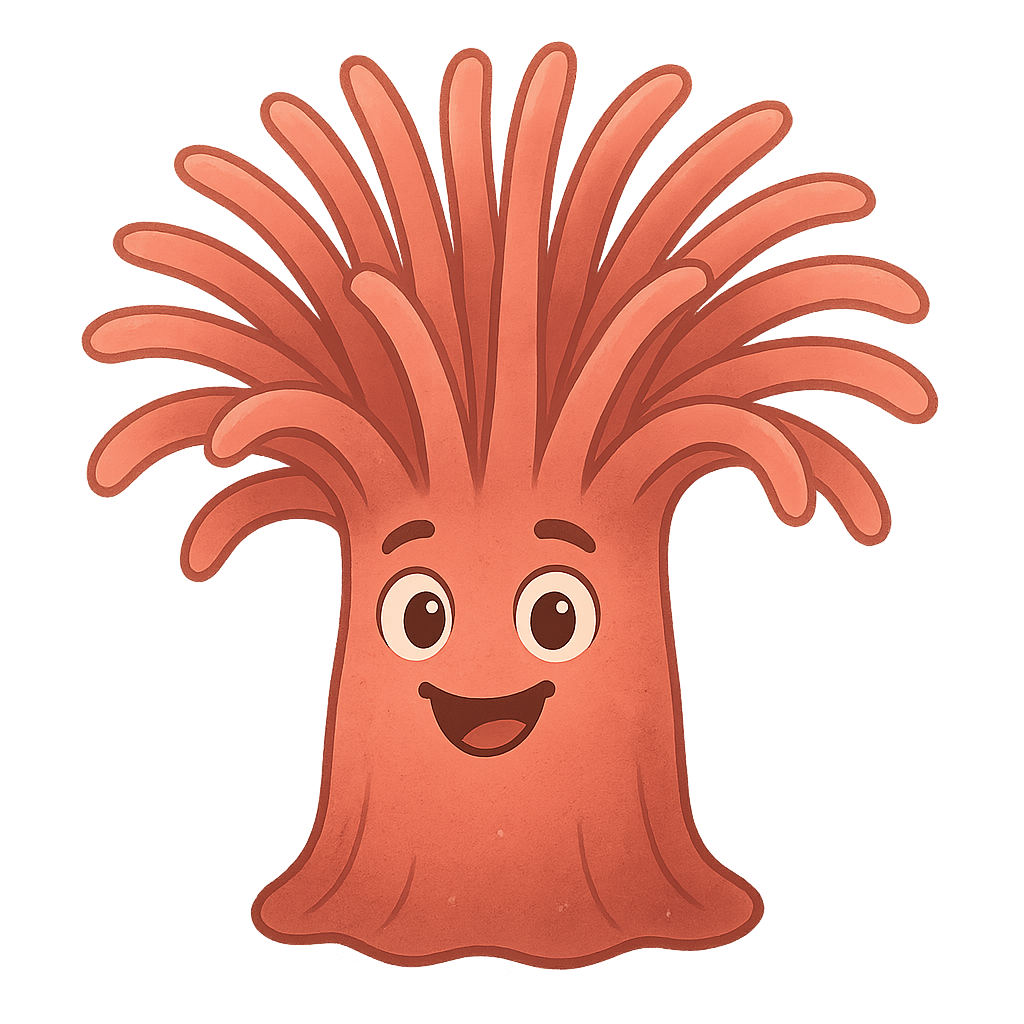
Hello, from the vibrant world beneath the waves. You might look at me and see a beautiful flower, with petals swaying gently in the ocean currents. But I am not a plant. I am a Sea Anemone, a fascinating animal, and this bustling coral reef is my home. My life is filled with color and activity, surrounded by fish, crustaceans, and countless other creatures that make up this underwater city. My family line is incredibly ancient. While I live in the world of today, my ancestors are some of the oldest animals on Earth. Fossils of our relatives, the cnidarians, date back to the Ediacaran Period, over 600 million years ago. That means our kind existed long before the first dinosaurs ever walked the land. We have been a part of the ocean's story for an almost unimaginable amount of time, silently witnessing the world change around us.
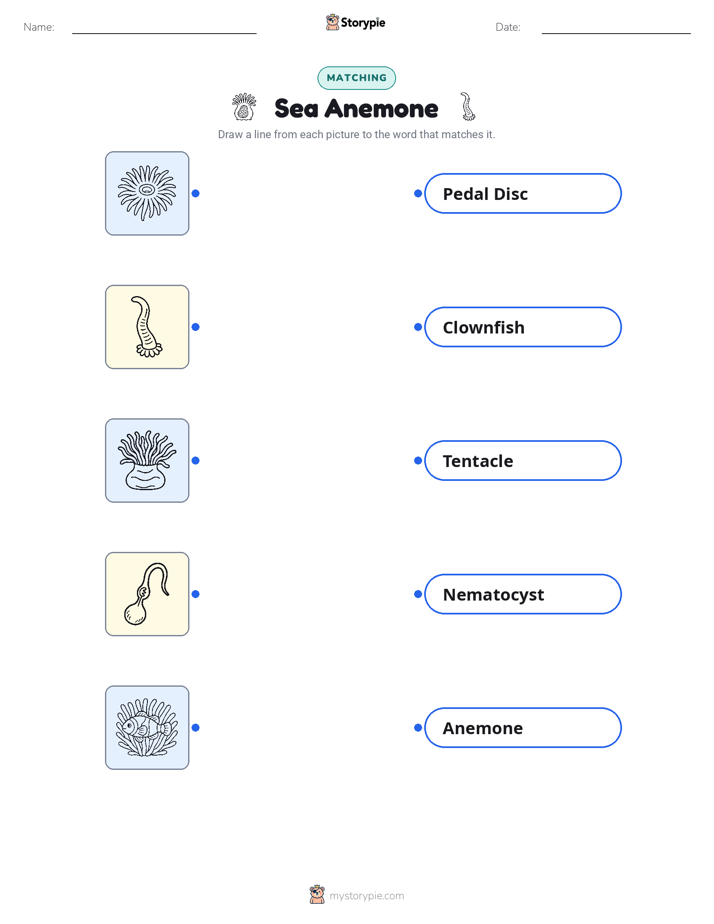
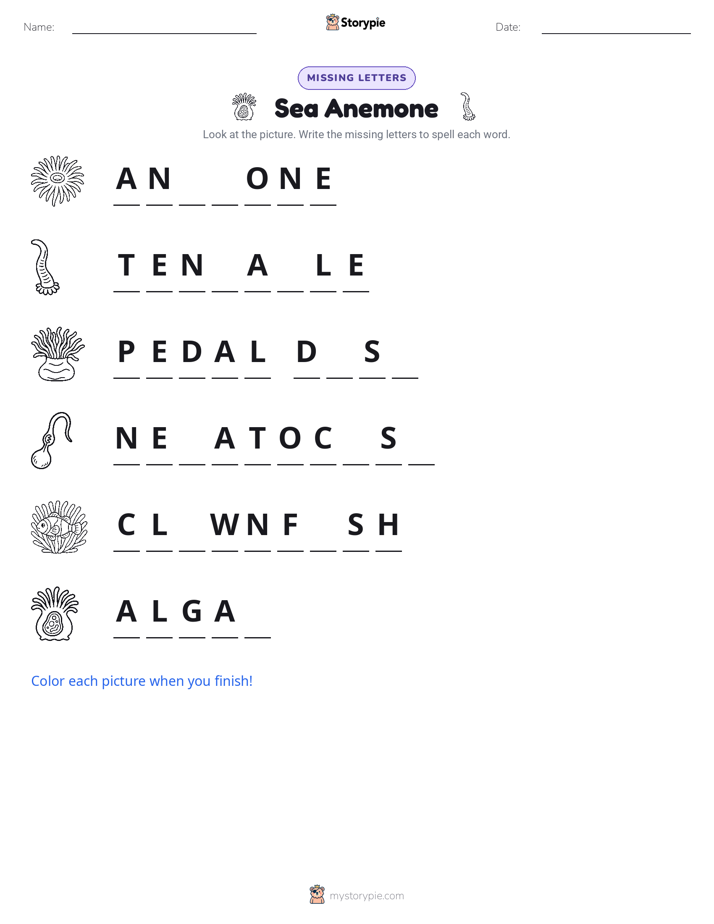
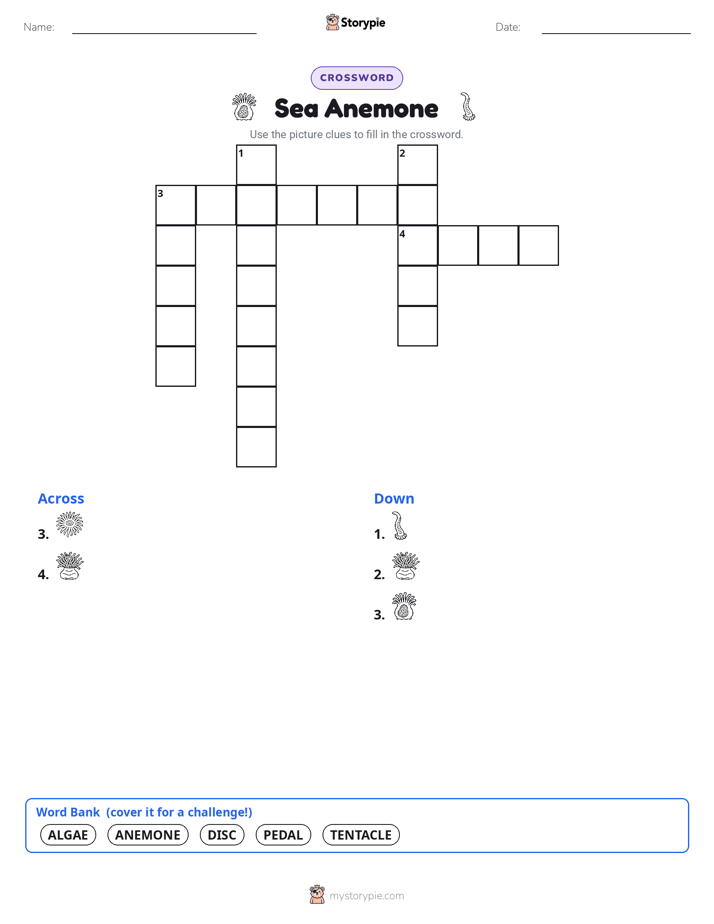
My body is a marvel of natural engineering, perfectly designed for my life on the reef. I am attached to the rocks by a strong, sticky base called a pedal disc. This disc holds me firmly in place against the pull of the currents, making me a permanent fixture in my neighborhood. However, if I need to find a better spot with more sunlight or food, my pedal disc allows me to glide very slowly across the seafloor. My most defining feature, of course, is my crown of tentacles that wave above my central mouth. These tentacles are not just for show; they are my primary tool for survival. They are covered in thousands of microscopic stinging cells called nematocysts. During the 1800s, scientists began to understand in detail how these incredible cells work. When a small fish or crustacean brushes against one of my tentacles, these nematocysts fire like tiny harpoons, injecting a paralyzing toxin that allows me to catch my meal.
A Sea Anemone's Story: The Flower of the Sea
Hello, from the vibrant world beneath the waves. You might look at me and see a beautiful flower, with petals swaying gently in the ocean currents. But I am not a plant. I am a Sea Anemone, a fascinating animal, and this bustling coral reef is my home. My life is filled with color and activity, surrounded by fish, crustaceans, and countless other creatures that make up this underwater city. My family line is incredibly ancient. While I live in the world of today, my ancestors are some of the oldest animals on Earth. Fossils of our relatives, the cnidarians, date back to the Ediacaran Period, over 600 million years ago. That means our kind existed long before the first dinosaurs ever walked the land. We have been a part of the ocean's story for an almost unimaginable amount of time, silently witnessing the world change around us.
My body is a marvel of natural engineering, perfectly designed for my life on the reef. I am attached to the rocks by a strong, sticky base called a pedal disc. This disc holds me firmly in place against the pull of the currents, making me a permanent fixture in my neighborhood. However, if I need to find a better spot with more sunlight or food, my pedal disc allows me to glide very slowly across the seafloor. My most defining feature, of course, is my crown of tentacles that wave above my central mouth. These tentacles are not just for show; they are my primary tool for survival. They are covered in thousands of microscopic stinging cells called nematocysts. During the 1800s, scientists began to understand in detail how these incredible cells work. When a small fish or crustacean brushes against one of my tentacles, these nematocysts fire like tiny harpoons, injecting a paralyzing toxin that allows me to catch my meal.
Life on the reef is all about connections, and I have formed some of the most famous partnerships in the ocean. My most well-known friend is the clownfish. You have probably seen them, darting in and out of my tentacles without a care. They are immune to my sting because of a special mucus layer on their skin. In return for the safe shelter I provide from predators, the clownfish help me in many ways. They clean my tentacles of debris, chase away butterflyfish that might try to nibble on me, and their movements help circulate fresh, oxygen-rich water around me. But I have other, even smaller friends living right inside my tissues. These are microscopic algae called zooxanthellae. They are like tiny solar-powered chefs. Living safely within me, they use sunlight to perform photosynthesis, creating energy-rich food that they share with me. This partnership is vital for our survival in the nutrient-poor waters of tropical reefs.
My family grows and expands in two very different, but equally amazing, ways. The first method is a process called fission, where I simply split my body in half. Each half then grows into a complete, new individual—a perfect clone of myself. This is how we can form large, beautiful colonies that cover entire sections of the reef. The second way is by releasing eggs and sperm into the water. When they meet, they form tiny swimming larvae. These larvae will drift with the ocean currents for a while before they find a suitable spot on the seafloor to settle down and grow into a new anemone. Because of these remarkable reproductive abilities and our slow-paced lives, some of my relatives can live for a very long time. It's not uncommon for a sea anemone to live for over 60 years, quietly watching generations of reef fish come and go.
I see myself as a gardener of the ocean. I am a hunter, but I am also a home. I am a vital part of the complex tapestry of the coral reef ecosystem, providing shelter and contributing to the food web. Today, my home faces challenges that my ancient ancestors never knew. The changing climate and warming oceans put a strain on the delicate balance of the reef. It affects my symbiotic partners, especially the zooxanthellae, who are very sensitive to temperature changes. But my kind has been adapting to a changing world for millions of years. We are survivors. By working to protect the world's oceans, humans can help ensure that sea gardens like mine, and all the life they support, continue to flourish for many more generations to come. Our stories are intertwined, and the health of the ocean connects us all.
Wow facts
About
Sea anemones are predatory marine animals of the order Actiniaria. They are named after the anemone, a terrestrial flowering plant, due to their colorful, flower-like appearance and are known for their symbiotic relationships with species like the clownfish.
Take a Quiz
Question 1 of 5
What is the main idea of the section titled 'A Home Full of Friends'?
Explore next


Want to do even more?
Go beyond exploring. Unlock tools that turn every story into real learning.

Storypie Plus for families
Full stories, quizzes, and printables. Nights and car rides, sorted.
- Unlimited audio stories
- Create Mode: your child stars in the story
- Offline downloads
- Printable worksheets & coloring pages

Why Storypie for Schools
Students engaged. Prep in seconds. Evenings back to you.
- Worksheets & Quizzes
- Classroom Management
- Formative Assessment
- Custom Curriculum & Lesson Plans
- 27 Languages

Why Storypie for Homeschool
Curriculum done. They'll ask for more. Hours back in your day.
- Worksheet Generator
- First-Person Audio Stories
- Built-in Comprehension Quizzes
- Custom Curriculum & Lesson Plans
- Print & Go Activities