English

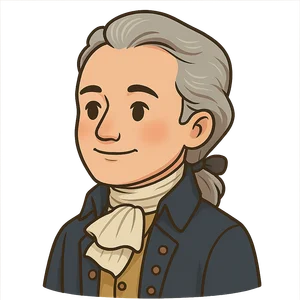
Alexander Hamilton
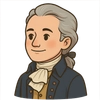
Alexander Hamilton was a Founding Father of the United States…
Reads at Grades 6–8 Listens at Grades 4–8
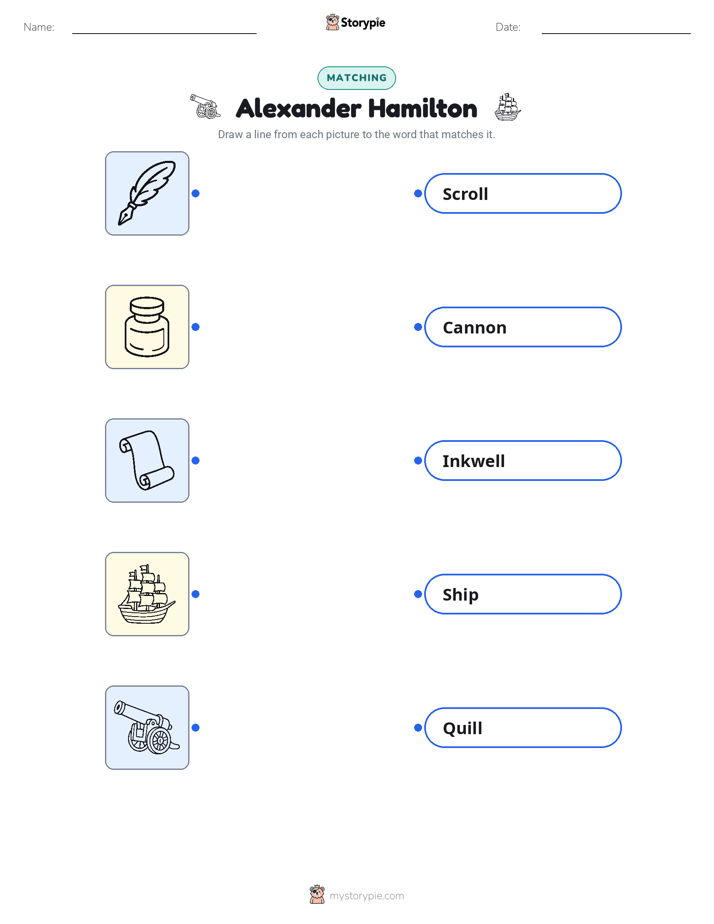
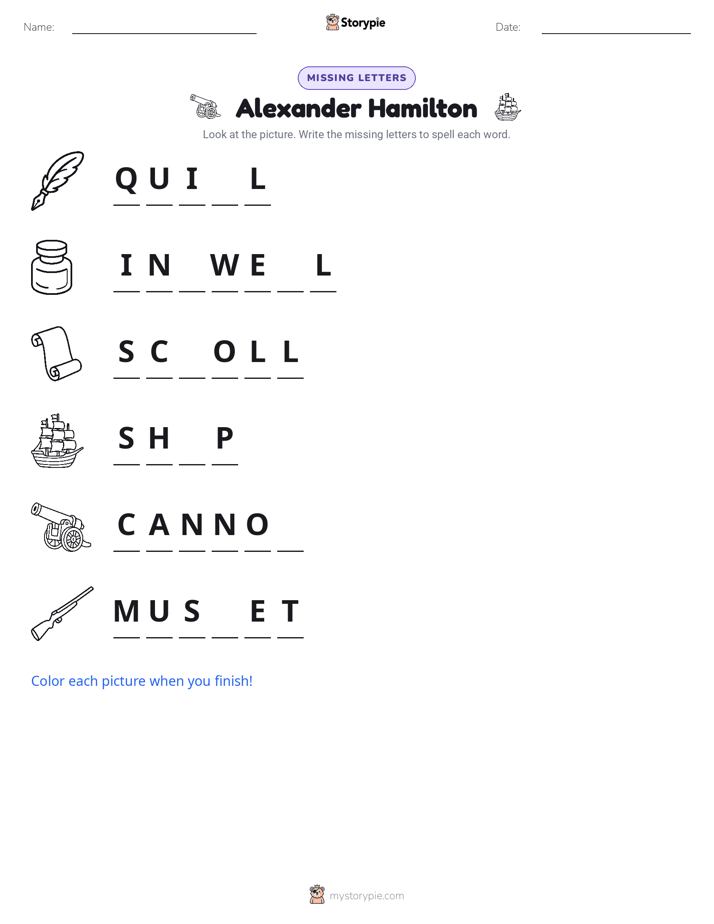
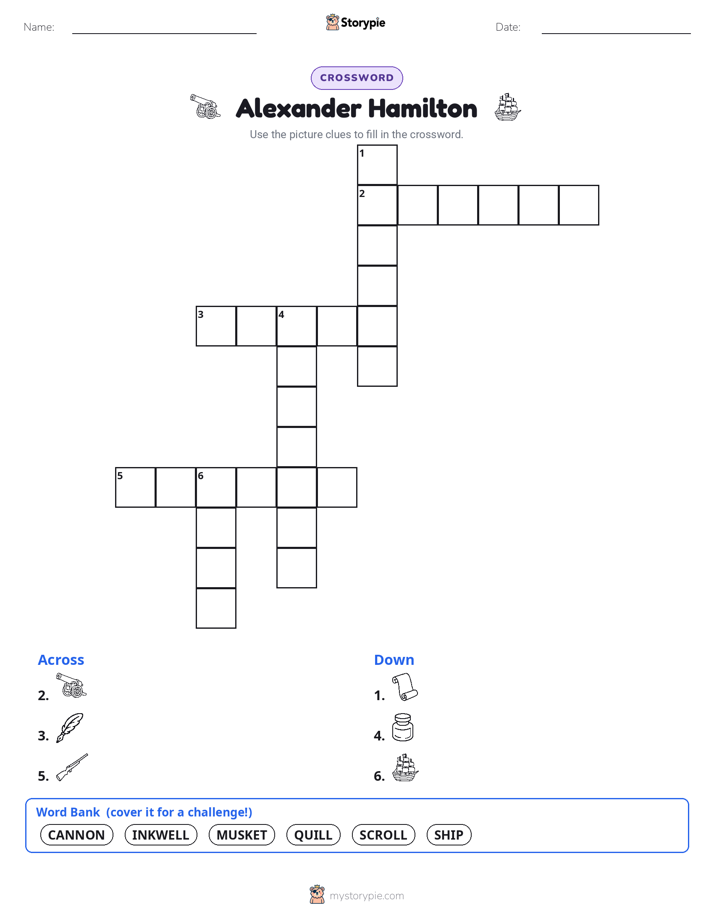
Print & create
Answer keys·No prep·Free with an account
28 worksheets · answer keys · full story · quiz · Ages 10-12 · CEFR B2
Plus adds 279,000+ more stories in 27 languages, audio for every one, and printables for all of them.
Just want Alexander Hamilton?
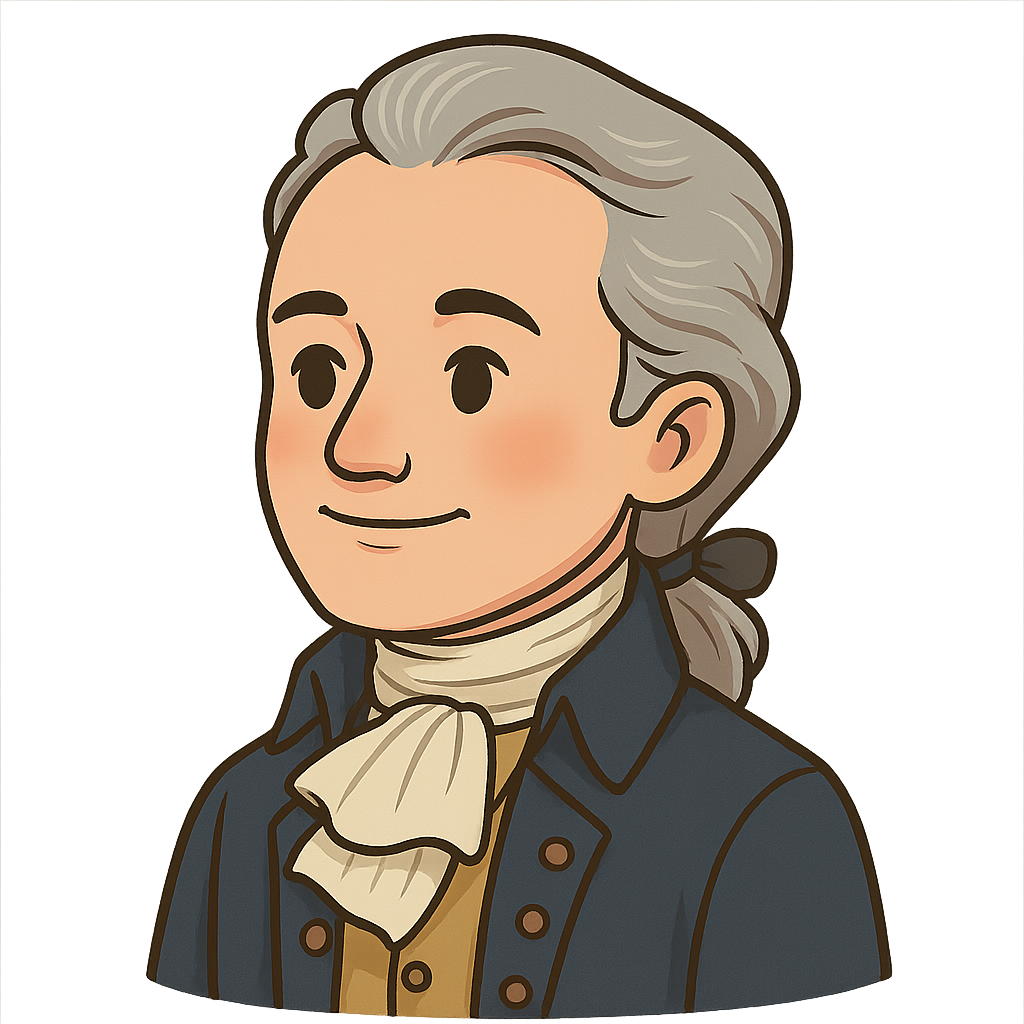
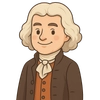
Hello! My name is Alexander Hamilton. You might know me as one of the Founding Fathers of the United States, but my story began far away from America, on a small, sunny island in the Caribbean called Nevis. I was born there around January 11th, 1755. My childhood was not easy; it was filled with challenges. My father left our family, and then my mother passed away while I was still a boy, leaving me an orphan. Despite these hardships, I had a deep love for reading and learning. I found a job as a clerk, where I quickly discovered I was very good with numbers and the details of trade. My life changed dramatically in 1772 when a powerful hurricane struck our island. I wrote a long letter describing the storm's incredible force and the destruction it left behind. My writing was so vivid and detailed that when the leaders of my community read it, they were incredibly impressed. They decided to collect money to send me to the American colonies to get a proper education.
I arrived in New York in 1772 and eagerly began my studies at King's College, which you might know today as Columbia University. The American colonies were an exciting place to be, filled with talk of freedom and independence from Great Britain. I found myself drawn to these new ideas and strongly believed in what was called the 'Patriot' cause. When the American Revolutionary War finally began, I knew I had to contribute. In 1776, I joined a New York artillery company, eager to fight for a new nation. My skills in organization and my courage on the battlefield did not go unnoticed. They soon caught the attention of the most important man in the army, General George Washington. In 1777, he asked me to join his personal staff as his aide-de-camp. For the next four years, I served as one of his most trusted assistants, writing his letters, delivering his orders, and helping him manage the operations of the entire Continental Army.
Alexander Hamilton: An American Founder
Hello! My name is Alexander Hamilton. You might know me as one of the Founding Fathers of the United States, but my story began far away from America, on a small, sunny island in the Caribbean called Nevis. I was born there around January 11th, 1755. My childhood was not easy; it was filled with challenges. My father left our family, and then my mother passed away while I was still a boy, leaving me an orphan. Despite these hardships, I had a deep love for reading and learning. I found a job as a clerk, where I quickly discovered I was very good with numbers and the details of trade. My life changed dramatically in 1772 when a powerful hurricane struck our island. I wrote a long letter describing the storm's incredible force and the destruction it left behind. My writing was so vivid and detailed that when the leaders of my community read it, they were incredibly impressed. They decided to collect money to send me to the American colonies to get a proper education.
I arrived in New York in 1772 and eagerly began my studies at King's College, which you might know today as Columbia University. The American colonies were an exciting place to be, filled with talk of freedom and independence from Great Britain. I found myself drawn to these new ideas and strongly believed in what was called the 'Patriot' cause. When the American Revolutionary War finally began, I knew I had to contribute. In 1776, I joined a New York artillery company, eager to fight for a new nation. My skills in organization and my courage on the battlefield did not go unnoticed. They soon caught the attention of the most important man in the army, General George Washington. In 1777, he asked me to join his personal staff as his aide-de-camp. For the next four years, I served as one of his most trusted assistants, writing his letters, delivering his orders, and helping him manage the operations of the entire Continental Army.
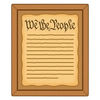
After we won the war in 1781, our new country was on shaky ground. The first set of rules we created, called the Articles of Confederation, did not create a government strong enough to hold our young nation together. It became clear that we needed a better plan. In 1787, I was chosen as a delegate to the Constitutional Convention, where leaders from the states gathered to write a new plan for our government—the United States Constitution. Once it was written, we had to convince the American people to approve it. To do this, I worked with two other brilliant men, James Madison and John Jay, to write a series of 85 essays known as The Federalist Papers. I was very passionate about this project and wrote 51 of the essays myself. These writings carefully explained how the new government would function and argued why a strong, united country was essential for our survival and success.
When George Washington was elected as our first president in 1789, he gave me one of the most difficult and important jobs in his new government: I became the first Secretary of the Treasury. The United States was in a terrible financial state. We had a lot of debt from the Revolutionary War, and our money system was a complete mess. I created a bold financial plan to solve these problems. A key part of my plan was to create the First Bank of the United States, which would manage the country's finances and help create a stable economy. I also established the U.S. Mint to produce our own national coins and currency. Finally, I arranged for the new national government to take on the war debts of the individual states. This was a crucial step that showed the rest of the world that America was a responsible nation that paid its bills.
My vision for a strong central government and a robust national economy was not popular with everyone. I found myself in many political disagreements, especially with other leaders like Thomas Jefferson, who had very different ideas about how the country should be run. One of my most intense rivalries was with a fellow New York politician named Aaron Burr. Our disagreements lasted for many years and grew increasingly bitter and personal. In 1804, after a particularly difficult political contest, Mr. Burr challenged me to a duel. In those days, duels were sometimes used to settle matters of honor. On the morning of July 11th, we met in Weehawken, New Jersey. During the duel, I was shot. I was brought back across the river to New York City, where my life ended the following day, on July 12th, 1804.
I lived to be about 49 years old. Though my life was cut short, the financial and governmental systems I helped design became the foundation for our young country's strength and prosperity. I am remembered as one of the Founding Fathers who worked tirelessly to create the United States. My arguments for a strong, united government and the economic principles I established are still studied today, and you can even see my face on the ten-dollar bill, a reminder of the work I did to help build this nation.
Wow facts
About
Alexander Hamilton was a Founding Father of the United States, an aide to General George Washington during the American Revolutionary War, and the first U.S. Secretary of the Treasury.
Take a Quiz
Question 1 of 5
Summarize the key events in Alexander Hamilton's life before he became Secretary of the Treasury.
Explore next


Want to do even more?
Go beyond exploring. Unlock tools that turn every story into real learning.

Storypie Plus for families
Full stories, quizzes, and printables. Nights and car rides, sorted.
- Unlimited audio stories
- Create Mode: your child stars in the story
- Offline downloads
- Printable worksheets & coloring pages

Why Storypie for Schools
Students engaged. Prep in seconds. Evenings back to you.
- Worksheets & Quizzes
- Classroom Management
- Formative Assessment
- Custom Curriculum & Lesson Plans
- 27 Languages

Why Storypie for Homeschool
Curriculum done. They'll ask for more. Hours back in your day.
- Worksheet Generator
- First-Person Audio Stories
- Built-in Comprehension Quizzes
- Custom Curriculum & Lesson Plans
- Print & Go Activities