English

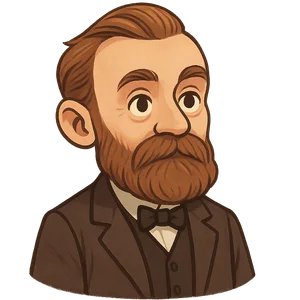
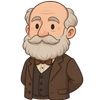
Alfred Nobel
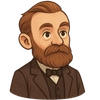
Alfred Nobel was a Swedish chemist, engineer, and inventor…
Reads at Grades 6–8 Listens at Grades 4–8
Print & create
Answer keys·No prep·Free with an account
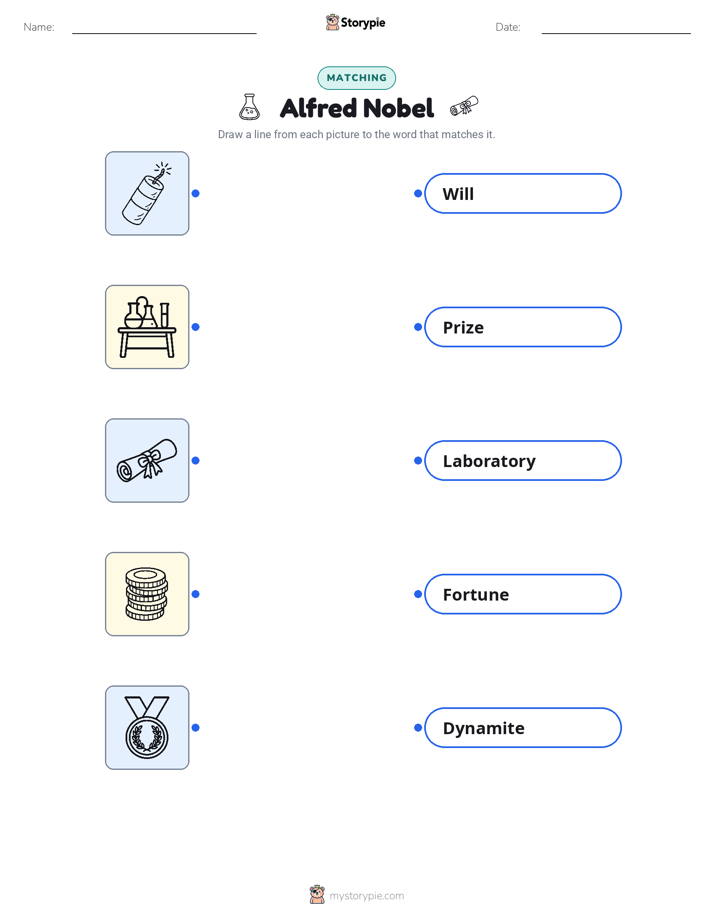
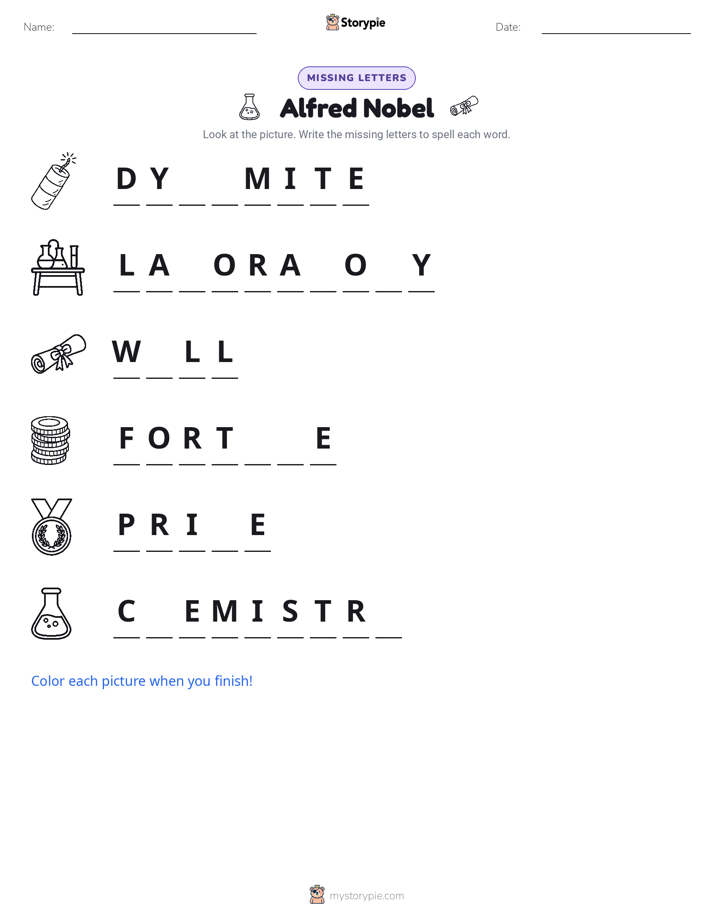
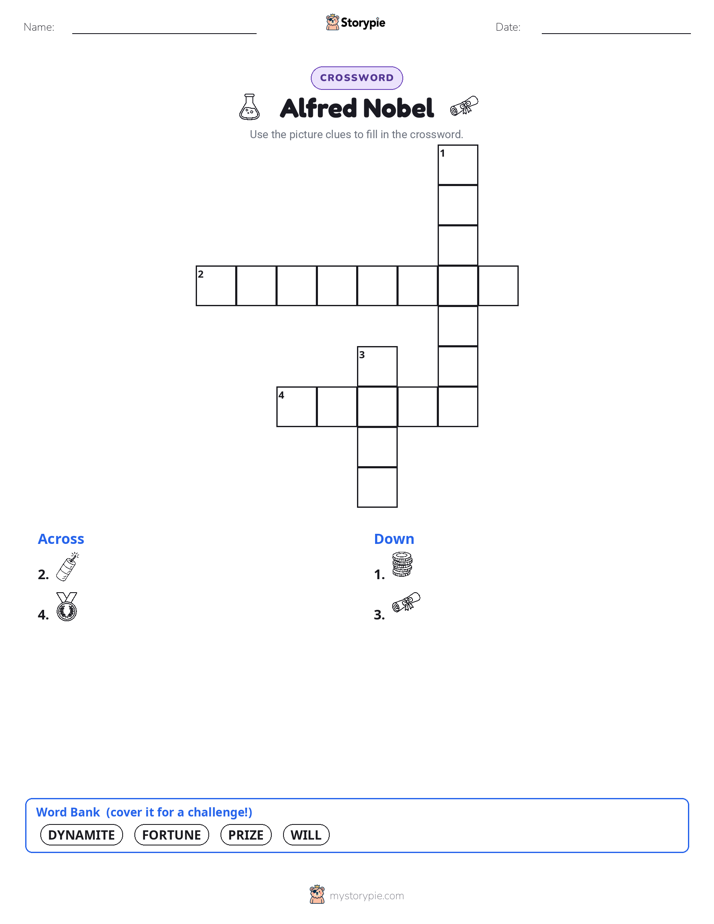
28 worksheets · answer keys · full story · quiz · Ages 10-12 · CEFR B2
Plus adds 244,000+ more stories in 27 languages, audio for every one, and printables for all of them.
Just want Alfred Nobel?
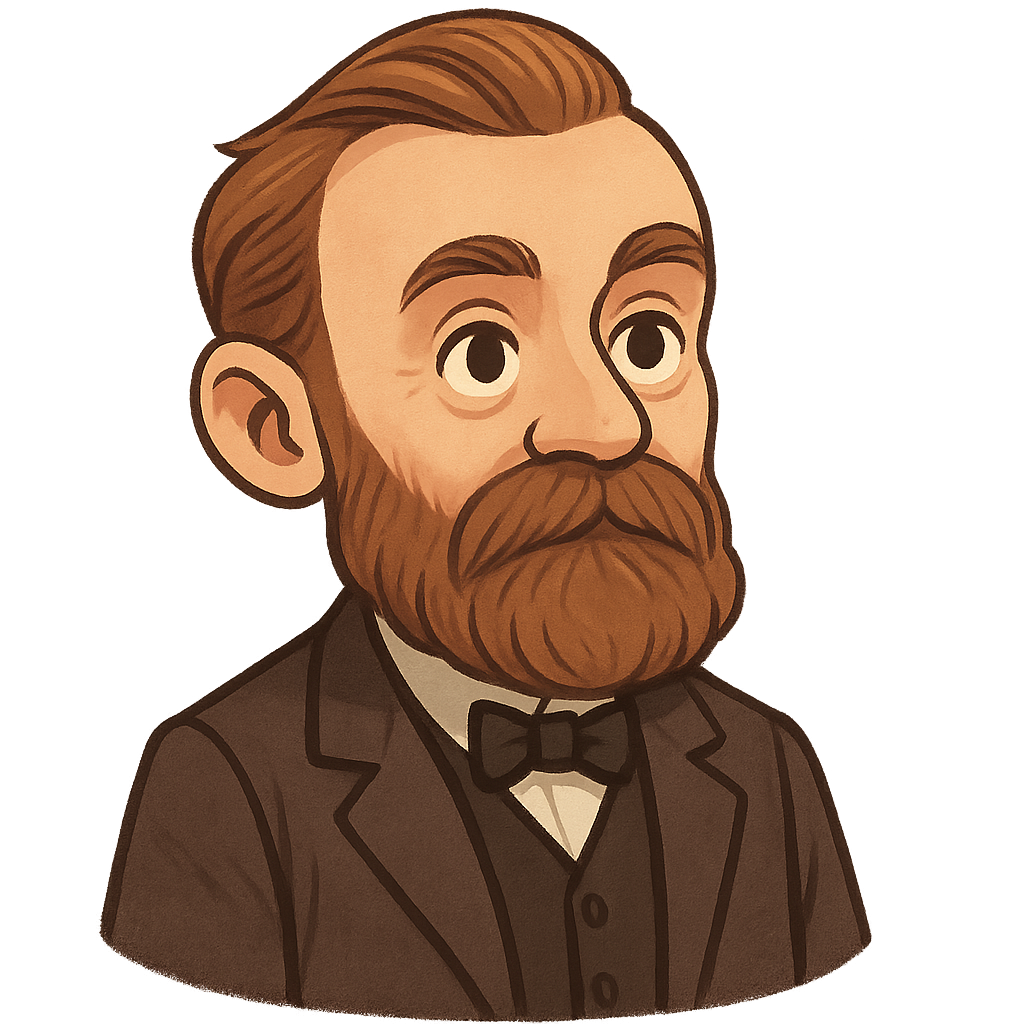
Hello! My name is Alfred Nobel. I was born in Stockholm, Sweden, on October 21st, 1833. My father, Immanuel, was an inventor, and our home was always buzzing with new ideas and creations. The world around me was one of curiosity and discovery. In 1842, when I was a boy, my family moved to St. Petersburg, Russia, for my father's work. I didn't attend a traditional school like other children. Instead, I was taught at home by private tutors who instructed me in science and literature. I had a great love for learning and was proud to have learned five different languages. However, my true passion was chemistry, the science of how different substances combine and react. I was fascinated by the potential held within the elements of the world.
As a young chemist, I became focused on a powerful but highly unstable liquid explosive called nitroglycerin. I saw its incredible potential to help people, especially in the world of construction. I imagined it being used for blasting through solid rock to build tunnels, canals, and railways that would connect cities and countries. But working with it was incredibly dangerous. A tragic event in 1864 brought this reality into sharp focus. An explosion at our family factory in Sweden took the life of my younger brother, Emil, and several of our colleagues. I was heartbroken by this loss. The tragedy did not stop my work; instead, it fueled my determination to find a way to control the power of nitroglycerin and make it safe for humanity to use.
After years of dedicated work and countless experiments in my laboratory, I finally achieved a major breakthrough in 1867. I discovered that by mixing the volatile liquid nitroglycerin with a fine, absorbent powder known as kieselguhr, I could transform it into a stable, solid paste. This new substance was just as powerful as its liquid form but was much, much safer to handle and transport. I called my invention 'dynamite.' Dynamite had a massive impact on the world. It was the tool that blasted the tunnels through the mighty Alps, helped dig the famous Panama Canal, and aided miners in their work deep underground across the globe. My mind never stopped inventing, and I went on to create other materials like gelignite, eventually holding over 350 patents for my various inventions.
Alfred Nobel
Hello! My name is Alfred Nobel. I was born in Stockholm, Sweden, on October 21st, 1833. My father, Immanuel, was an inventor, and our home was always buzzing with new ideas and creations. The world around me was one of curiosity and discovery. In 1842, when I was a boy, my family moved to St. Petersburg, Russia, for my father's work. I didn't attend a traditional school like other children. Instead, I was taught at home by private tutors who instructed me in science and literature. I had a great love for learning and was proud to have learned five different languages. However, my true passion was chemistry, the science of how different substances combine and react. I was fascinated by the potential held within the elements of the world.
As a young chemist, I became focused on a powerful but highly unstable liquid explosive called nitroglycerin. I saw its incredible potential to help people, especially in the world of construction. I imagined it being used for blasting through solid rock to build tunnels, canals, and railways that would connect cities and countries. But working with it was incredibly dangerous. A tragic event in 1864 brought this reality into sharp focus. An explosion at our family factory in Sweden took the life of my younger brother, Emil, and several of our colleagues. I was heartbroken by this loss. The tragedy did not stop my work; instead, it fueled my determination to find a way to control the power of nitroglycerin and make it safe for humanity to use.
After years of dedicated work and countless experiments in my laboratory, I finally achieved a major breakthrough in 1867. I discovered that by mixing the volatile liquid nitroglycerin with a fine, absorbent powder known as kieselguhr, I could transform it into a stable, solid paste. This new substance was just as powerful as its liquid form but was much, much safer to handle and transport. I called my invention 'dynamite.' Dynamite had a massive impact on the world. It was the tool that blasted the tunnels through the mighty Alps, helped dig the famous Panama Canal, and aided miners in their work deep underground across the globe. My mind never stopped inventing, and I went on to create other materials like gelignite, eventually holding over 350 patents for my various inventions.
My inventions brought me great wealth, and I established factories all over the world. However, I became troubled by the dual nature of my most famous creation. Because dynamite was so powerful, it could also be used as a destructive weapon in warfare. Some people began to see me not as an innovator who helped build the modern world, but as someone who created tools for destruction. This reputation was cemented in my mind in 1888 when a French newspaper mistakenly published my obituary. It was actually my brother Ludvig who had passed away, but the paper got it wrong. The headline was shocking; it called me 'the merchant of death.' Reading those words forced me to think deeply about my legacy and how I would be remembered. I knew I did not want my life's work to be defined by its potential for harm.
I decided then that I had to use my vast fortune for a new purpose, one that would promote progress and celebrate the best of humanity. On November 27th, 1895, I sat down and signed my last will and testament, a document that would reshape my legacy. In it, I directed that the majority of my money be used to establish a series of prestigious awards. These prizes were to be given each year to the people who, in the preceding year, had conferred the greatest benefit on humankind. The awards would honor groundbreaking achievements in the fields of Physics, Chemistry, Medicine, Literature, and Peace. This was my way of celebrating human intellect, creativity, and the tireless pursuit of a better, safer world for everyone.
I lived to be 63 years old and passed away in Sanremo, Italy, on December 10th, 1896. While my invention of dynamite certainly changed the physical landscape of the world, my true and lasting legacy is found in the Nobel Prizes, which are still awarded every year to inspiring individuals. Today, people remember me not just as the inventor of dynamite, but as the man who chose to celebrate the very best of human achievement. My story shows that it is never too late to decide how you want to be remembered and to use what you have to leave a positive mark on the world.
Wow facts
About
Alfred Nobel was a Swedish chemist, engineer, and inventor, best known for inventing dynamite and for establishing the Nobel Prizes with his fortune.
Take a Quiz
Question 1 of 5
What motivated me, Alfred Nobel, to make nitroglycerin safer after the 1864 accident?
Explore next



Want to do even more?
Go beyond exploring. Unlock tools that turn every story into real learning.

Storypie Plus for families
Full stories, quizzes, and printables. Nights and car rides, sorted.
- Unlimited audio stories
- Create Mode: your child stars in the story
- Offline downloads
- Printable worksheets & coloring pages

Why Storypie for Schools
Students engaged. Prep in seconds. Evenings back to you.
- Worksheets & Quizzes
- Classroom Management
- Formative Assessment
- Custom Curriculum & Lesson Plans
- 27 Languages

Why Storypie for Homeschool
Curriculum done. They'll ask for more. Hours back in your day.
- Worksheet Generator
- First-Person Audio Stories
- Built-in Comprehension Quizzes
- Custom Curriculum & Lesson Plans
- Print & Go Activities