English

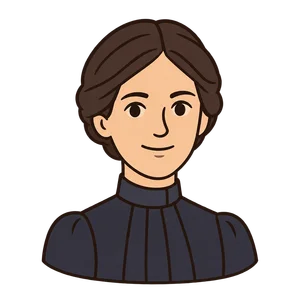
Alice Paul
Alice Paul was an American Quaker, suffragist, feminist, and women's rights activist.
Reads at Grades 3–5 Listens at Grades 1–5
Print & create
Answer keys·No prep·Free with an account
28 worksheets · answer keys · full story · quiz · Ages 8-10 · CEFR B1
Plus adds 290,000+ more stories in 27 languages, audio for every one, and printables for all of them.
Just want Alice Paul?
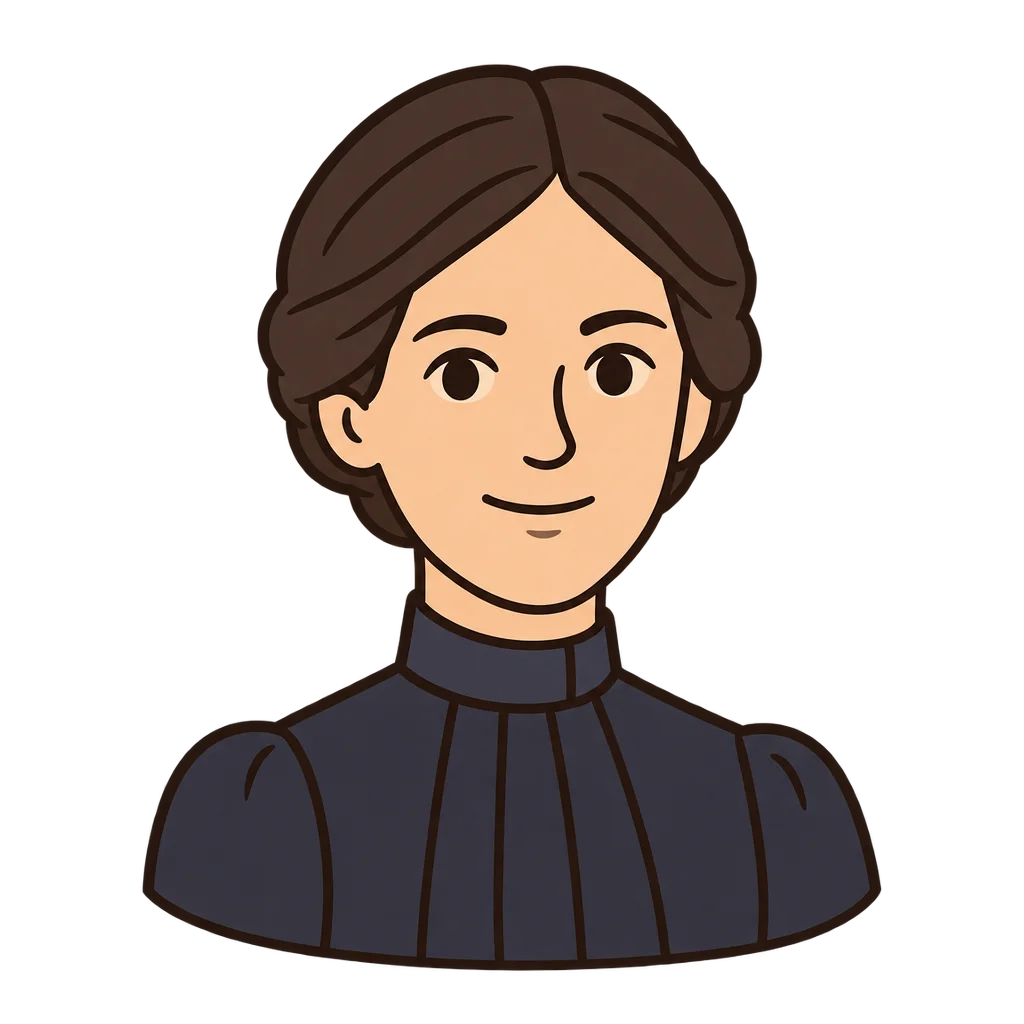
Hello, my name is Alice Paul. I was born on January 11th, 1885, on a quiet farmhouse in New Jersey. My family were Quakers, a group of people who believe deeply in peace and fairness. From a young age, they taught me a very important idea: that every single person is equal. I would often watch my mother get ready for meetings about women's suffrage—that’s a big phrase that means the right for women to vote in elections. I couldn’t understand why women were not allowed to vote just like men were. It didn't seem fair at all. Even as a girl, I knew this was a problem, and I decided right then that when I grew up, I would do something to change it.
After I finished college in 1905, I wanted to learn more about the world, so around 1907, I traveled to England to continue my studies. It was there that I met women who called themselves 'suffragettes.' They were also fighting for the right to vote, but they were doing it in very bold and daring ways! They weren't just talking quietly in meetings; they were marching in the streets, giving powerful speeches, and making sure their message was heard by everyone, even people who didn't want to listen. I learned from them that to make a big change, you sometimes have to be loud and brave. During my time there, I also met my good friend Lucy Burns, who believed in the cause just as I did. In 1910, I came back to America, filled with new, daring ideas and a solid plan to help women win the right to vote back home.
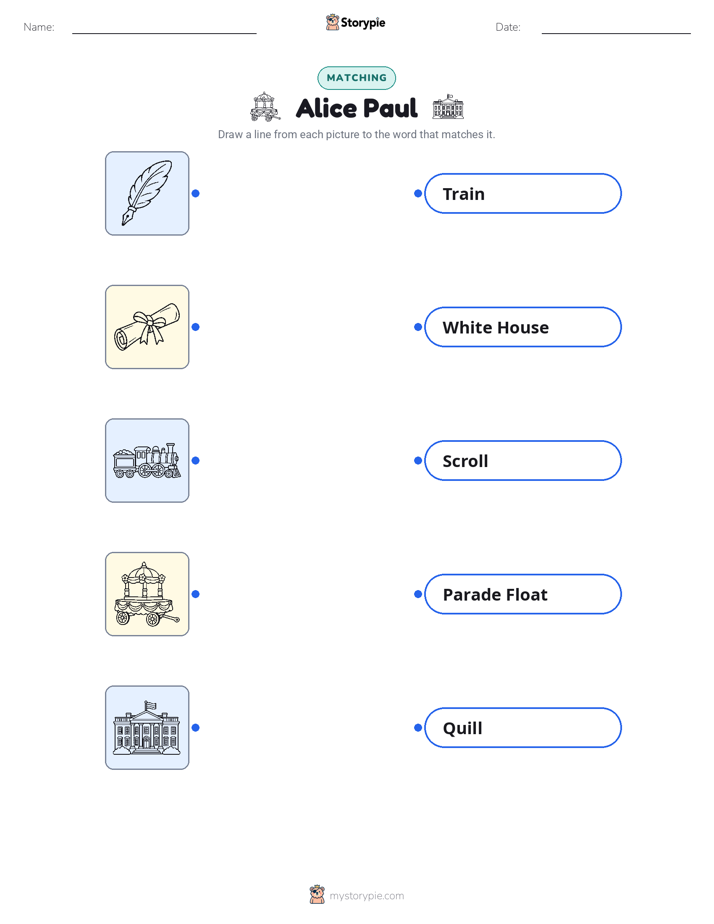
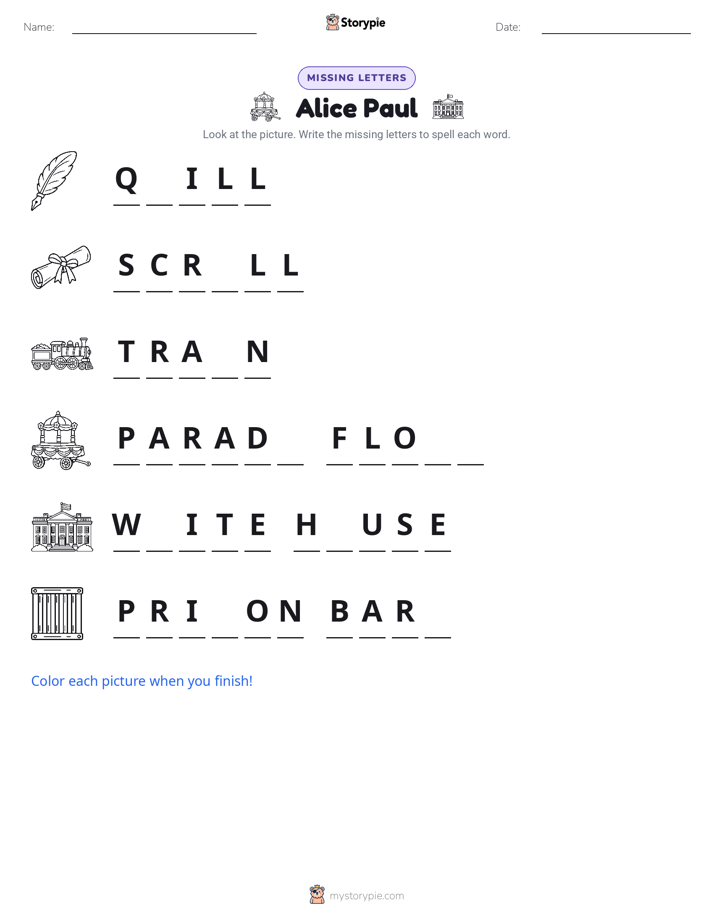
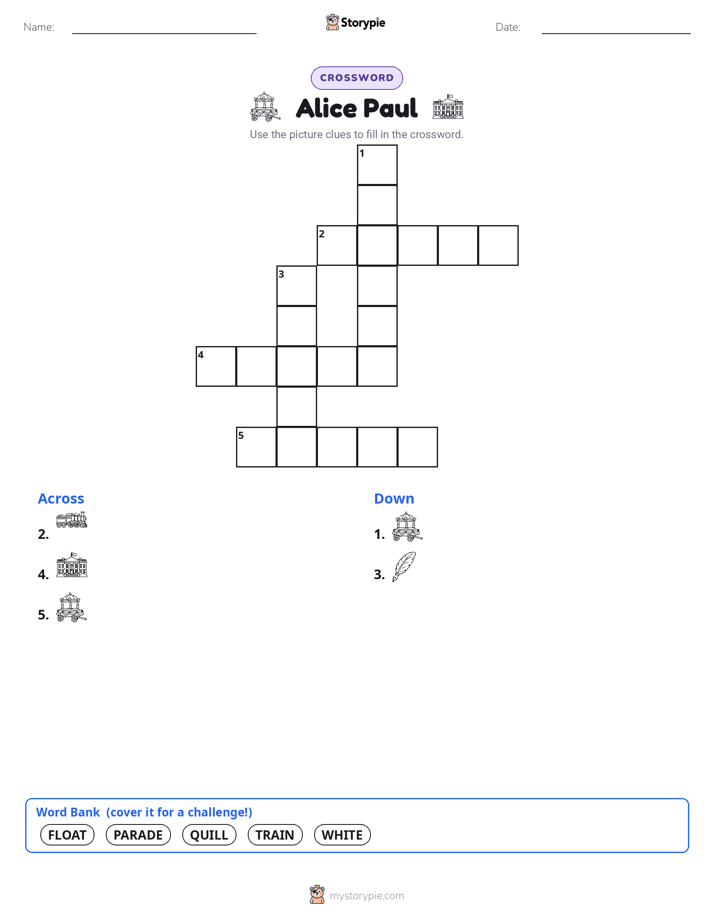
I knew that to make a real difference, we had to get the attention of the most powerful person in the country: the President of the United States, Woodrow Wilson. So, I planned something big. On March 3rd, 1913, the day before he was sworn in as president, I organized a giant parade right in Washington, D.C. Thousands of women marched together, holding banners and demanding their rights. It was a powerful sight! A few years later, in 1916, my friends and I decided we needed our own group focused on this one goal, so we started the National Woman's Party. Then, beginning in 1917, we did something no one had ever done before. We stood outside the White House every single day, holding big banners with messages for the president. We were called the 'Silent Sentinels' because we protested peacefully and quietly, asking President Wilson to support our cause.
Alice Paul
Hello, my name is Alice Paul. I was born on January 11th, 1885, on a quiet farmhouse in New Jersey. My family were Quakers, a group of people who believe deeply in peace and fairness. From a young age, they taught me a very important idea: that every single person is equal. I would often watch my mother get ready for meetings about women's suffrage—that’s a big phrase that means the right for women to vote in elections. I couldn’t understand why women were not allowed to vote just like men were. It didn't seem fair at all. Even as a girl, I knew this was a problem, and I decided right then that when I grew up, I would do something to change it.
After I finished college in 1905, I wanted to learn more about the world, so around 1907, I traveled to England to continue my studies. It was there that I met women who called themselves 'suffragettes.' They were also fighting for the right to vote, but they were doing it in very bold and daring ways! They weren't just talking quietly in meetings; they were marching in the streets, giving powerful speeches, and making sure their message was heard by everyone, even people who didn't want to listen. I learned from them that to make a big change, you sometimes have to be loud and brave. During my time there, I also met my good friend Lucy Burns, who believed in the cause just as I did. In 1910, I came back to America, filled with new, daring ideas and a solid plan to help women win the right to vote back home.
I knew that to make a real difference, we had to get the attention of the most powerful person in the country: the President of the United States, Woodrow Wilson. So, I planned something big. On March 3rd, 1913, the day before he was sworn in as president, I organized a giant parade right in Washington, D.C. Thousands of women marched together, holding banners and demanding their rights. It was a powerful sight! A few years later, in 1916, my friends and I decided we needed our own group focused on this one goal, so we started the National Woman's Party. Then, beginning in 1917, we did something no one had ever done before. We stood outside the White House every single day, holding big banners with messages for the president. We were called the 'Silent Sentinels' because we protested peacefully and quietly, asking President Wilson to support our cause.
President Wilson and others in the government did not like our protests. In 1917, many of us, including me, were arrested for 'blocking traffic' and sent to jail. The conditions in the jail were terrible and unfair, but we refused to give up our fight. To protest how badly we were being treated, we went on a hunger strike, which meant we refused to eat any food. When people across the country heard about how we were being treated and how brave we were, they were shocked. More and more people started to support our fight for the right to vote. All of that pressure worked! President Wilson finally changed his mind and decided to support us. In 1920, a huge victory was won when the 19th Amendment became part of the U.S. Constitution, and women finally had the right to vote across the whole country.
But winning the right to vote was just one important step, and I wasn't finished fighting for equality. In 1923, I wrote the Equal Rights Amendment, a proposal to make sure that women were treated equally in every single part of life, not just in voting. I spent the rest of my life working for fairness and justice for women everywhere. I lived to be 92 years old. Today, I hope you remember me as someone who believed that one person, with a good idea and a lot of determination, can help change the world for the better. And that means you can, too!
Wow facts
About
Alice Paul was an American Quaker, suffragist, feminist, and women's rights activist. She was a key leader in the campaign for the 19th Amendment, which granted women the right to vote.
Take a Quiz
Question 1 of 5
Why was the parade on March 3rd, 1913, timed to happen on that specific day?
Explore next




Want to do even more?
Go beyond exploring. Unlock tools that turn every story into real learning.

Storypie Plus for families
Full stories, quizzes, and printables. Nights and car rides, sorted.
- Unlimited audio stories
- Create Mode: your child stars in the story
- Offline downloads
- Printable worksheets & coloring pages

Why Storypie for Schools
Students engaged. Prep in seconds. Evenings back to you.
- Worksheets & Quizzes
- Classroom Management
- Formative Assessment
- Custom Curriculum & Lesson Plans
- 27 Languages

Why Storypie for Homeschool
Curriculum done. They'll ask for more. Hours back in your day.
- Worksheet Generator
- First-Person Audio Stories
- Built-in Comprehension Quizzes
- Custom Curriculum & Lesson Plans
- Print & Go Activities