English

Alice Paul
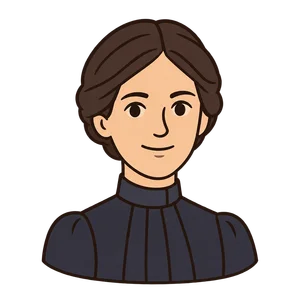
Alice Paul was an American Quaker, suffragist, feminist, and women's rights activist.
Reads at Grades 6–8 Listens at Grades 4–8
Print & create
Answer keys·No prep·Free with an account
28 worksheets · answer keys · full story · quiz · Ages 10-12 · CEFR B2
Plus adds 290,000+ more stories in 27 languages, audio for every one, and printables for all of them.
Just want Alice Paul?
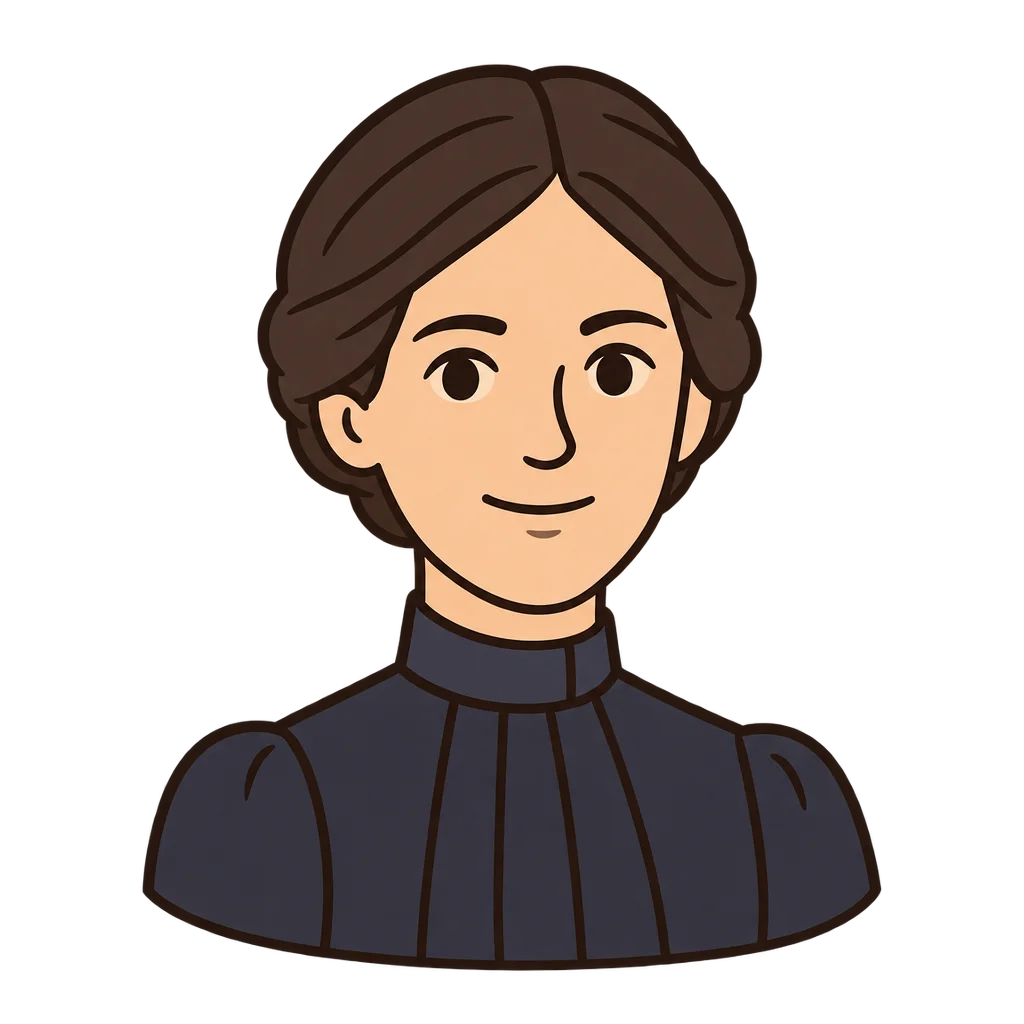
Hello! My name is Alice Paul. I was born on January 11th, 1885, in Mount Laurel, New Jersey, into a world where many people's voices were not heard. I grew up in a Quaker family, a community that believes deeply in the equality of all people, men and women alike. This value was a central part of my childhood. My mother was a suffragist, which meant she fought for women's right to vote, and she often took me with her to meetings. Seeing her passion planted a seed of purpose in me. From a very young age, I understood that fairness wasn't something to just hope for, but something to work for. I pursued education with great focus, earning degrees in biology and sociology because I wanted to understand the structures of society and how I could help change them for the better.
In 1907, my quest for knowledge took me across the Atlantic Ocean to England. It was there that I encountered the British suffrage movement, led by the fiercely determined Emmeline Pankhurst and her daughters. Their approach was different from what I had known in America. They were not quietly asking for their rights; they were demanding them. They organized large parades, delivered powerful speeches in public squares, and were willing to be arrested to bring attention to their cause. This was often called a 'militant' strategy. Watching their courage and conviction firsthand was transformative for me. I joined their protests and was arrested several times in London. Those experiences in jail were difficult, but they solidified my belief that true change often requires bold, unwavering action.
Alice Paul: A Voice for Equality
Hello! My name is Alice Paul. I was born on January 11th, 1885, in Mount Laurel, New Jersey, into a world where many people's voices were not heard. I grew up in a Quaker family, a community that believes deeply in the equality of all people, men and women alike. This value was a central part of my childhood. My mother was a suffragist, which meant she fought for women's right to vote, and she often took me with her to meetings. Seeing her passion planted a seed of purpose in me. From a very young age, I understood that fairness wasn't something to just hope for, but something to work for. I pursued education with great focus, earning degrees in biology and sociology because I wanted to understand the structures of society and how I could help change them for the better.
In 1907, my quest for knowledge took me across the Atlantic Ocean to England. It was there that I encountered the British suffrage movement, led by the fiercely determined Emmeline Pankhurst and her daughters. Their approach was different from what I had known in America. They were not quietly asking for their rights; they were demanding them. They organized large parades, delivered powerful speeches in public squares, and were willing to be arrested to bring attention to their cause. This was often called a 'militant' strategy. Watching their courage and conviction firsthand was transformative for me. I joined their protests and was arrested several times in London. Those experiences in jail were difficult, but they solidified my belief that true change often requires bold, unwavering action.
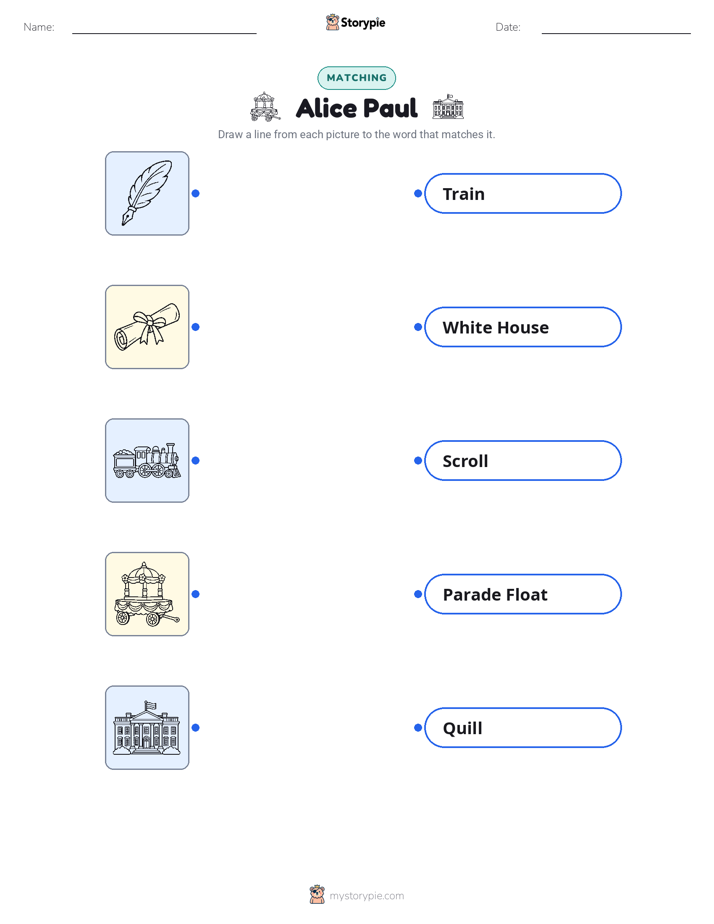
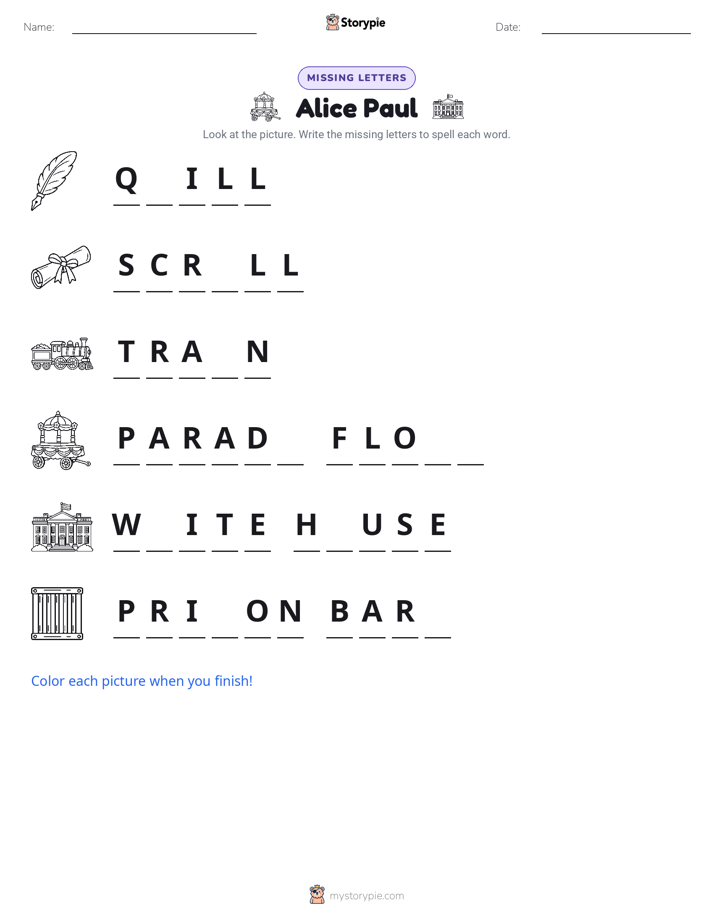
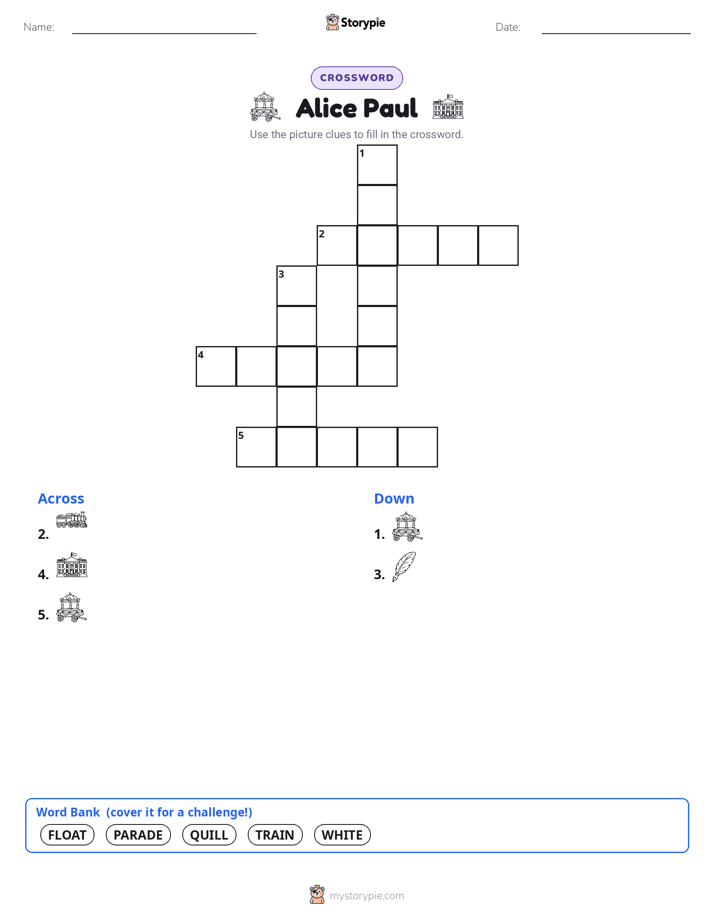
I returned to the United States in 1910, filled with a new sense of urgency. The American suffrage movement seemed too slow and too quiet to me. I joined the National American Woman Suffrage Association and immediately proposed a grand, ambitious idea: a massive suffrage parade in the nation's capital, Washington, D.C. We scheduled it for March 3rd, 1913, the day before President-elect Woodrow Wilson's inauguration, to ensure maximum public attention. Thousands of women from all over the country came to march. We walked down Pennsylvania Avenue with elaborate floats, colorful banners, and a shared vision for equality. While it was a beautiful display of unity, not everyone was happy to see us. Angry crowds gathered, shouting insults and physically blocking our path. The day was challenging, but the parade made headlines across the country and forced the nation to pay attention to our fight.
That parade was a turning point, but it also showed me that we needed to apply even more direct pressure. Along with my close friend and fellow activist Lucy Burns, I felt strongly that we needed to hold President Wilson accountable. Our more aggressive tactics led us to part ways with the more conservative suffrage association, and in 1916, we founded the National Woman's Party. In January of 1917, we began a continuous, daily protest right outside the White House gates. We held large banners with pointed questions like, 'Mr. President, How Long Must Women Wait for Liberty?' Because we stood in silence, day after day, through rain, snow, and heat, we became known as the 'Silent Sentinels.' After the United States entered World War I later that year, our protest was viewed by some as unpatriotic. We began to be arrested on the false charge of 'obstructing traffic.' In prison, the conditions were awful, and to protest our treatment, we organized hunger strikes. It was an incredibly difficult ordeal, but our resolve never broke.
The public was shocked to learn about our treatment in jail, and the news of our hunger strikes created a groundswell of support for our cause. The pressure on President Wilson became immense, and he finally changed his position, announcing his support for a constitutional amendment granting women the right to vote. With his backing, Congress passed the 19th Amendment. After a tense and prolonged battle to get enough states to approve it, the amendment was finally ratified on August 18th, 1920. Women across America had finally won the right to vote. It was a monumental victory, but I knew the fight for true equality was far from over. I believed women needed equal rights in every aspect of life, not just at the ballot box. In 1923, I drafted the Equal Rights Amendment, a proposal to amend the Constitution to guarantee equal rights for all citizens, regardless of their sex.
I dedicated the rest of my life to advocating for women's rights, both in the United States and around the world. I lived to be 92 years old and saw many of the changes I had fought for become a part of society. Although the Equal Rights Amendment I wrote has still not been added to the Constitution, my work helped to reshape America's understanding of justice and equality. I am remembered as someone who was never afraid to stand up for what is right and who proved that a clear vision, combined with unwavering determination, can truly change the world for the better.
Wow facts
About
Alice Paul was an American Quaker, suffragist, feminist, and women's rights activist. She was a key leader in the campaign for the 19th Amendment, which granted women the right to vote.
Take a Quiz
Question 1 of 5
Why did Alice Paul and her group become known as the 'Silent Sentinels'?
Explore next




Want to do even more?
Go beyond exploring. Unlock tools that turn every story into real learning.

Storypie Plus for families
Full stories, quizzes, and printables. Nights and car rides, sorted.
- Unlimited audio stories
- Create Mode: your child stars in the story
- Offline downloads
- Printable worksheets & coloring pages

Why Storypie for Schools
Students engaged. Prep in seconds. Evenings back to you.
- Worksheets & Quizzes
- Classroom Management
- Formative Assessment
- Custom Curriculum & Lesson Plans
- 27 Languages

Why Storypie for Homeschool
Curriculum done. They'll ask for more. Hours back in your day.
- Worksheet Generator
- First-Person Audio Stories
- Built-in Comprehension Quizzes
- Custom Curriculum & Lesson Plans
- Print & Go Activities